Secondo paese al mondo a legalizzare il matrimonio tra persone dello stesso sesso (2003). Legge completa contro le discriminazioni. Cambio di genere legale tramite autodichiarazione dal 2018.
Gent has a long history of progressive politics and LGBTQ+ acceptance relative to the rest of Belgium. The city was among the first in Flanders to develop an organized gay scene, with bars and community spaces emerging from the 1970s onward. Today, Gent is considered one of the most LGBTQ+-friendly cities in Belgium, alongside Brussels and Antwerp, though with a distinctly local character—less touristy, more rooted in community activism and grassroots culture.
The scene has matured considerably over the past two decades. What once was a fairly underground network of bars has evolved into a visible, integrated part of Gent's broader cultural landscape. Local organizations and community groups maintain strong advocacy and social programming throughout the year. Unlike some larger European cities where LGBTQ+ culture has become heavily commercialized, Gent's queer spaces retain a more authentic, community-driven feel.
Key Neighborhoods and Districts
Sint-Jacobs and the surrounding area form the geographic and social heart of gay Gent. This neighborhood, located in the city center near Sint-Jacobskerk church, is within walking distance of major attractions like Saint Bavo's Cathedral and the Graslei waterfront. The streets here—particularly Werregarenstraatje, Plotersgracht, and Sint-Jacobs—contain most of the gay-friendly venues, cafés, and social spaces. The neighborhood is residential but lively, with a mix of locals and visitors.
The broader city center is LGBTQ+-friendly throughout. Gent's entire medieval core is highly walkable and welcoming. Areas like Graffiti Street (Werregarenstraatje side) and the Graslei embankment offer scenic spots to relax. Sint-Martens-Latem, a small village just outside Gent proper, has become a secondary hub for LGBTQ+ visitors interested in quieter, more rural Flemish culture.
Venues and Nightlife
Gent's bar scene is modest but genuine. Venues come and go, and the landscape changes, but some well-established spots have anchored the community for years. Bar Trois, located in Sint-Jacobs, is one of the most recognizable venues for gay men and has been a meeting point for decades. It's a traditional European gay bar—casual, social, and a good starting point for understanding the local scene.
For a broader LGBTQ+ atmosphere, several mainstream bars and cafés throughout the city center are explicitly welcoming to queer patrons and are frequented by LGBTQ+ locals. The city's alternative and indie music venues often host queer-friendly events and parties, though these are not exclusively gay spaces—Gent's culture of integration means LGBTQ+ people are welcome throughout the nightlife landscape rather than segregated into dedicated venues.
Dance clubs and larger venues do exist but typically operate on an event basis rather than nightly. Pride season and festival periods see pop-up parties and special events. Check local listings and social media closer to your travel dates for current club nights and themed parties.
Gent has at least one or two saunas catering to men seeking casual encounters, though details and operational status change. Research current venues online before traveling, as these spaces are less stable than bars and may relocate or close.
Pride and Major Events
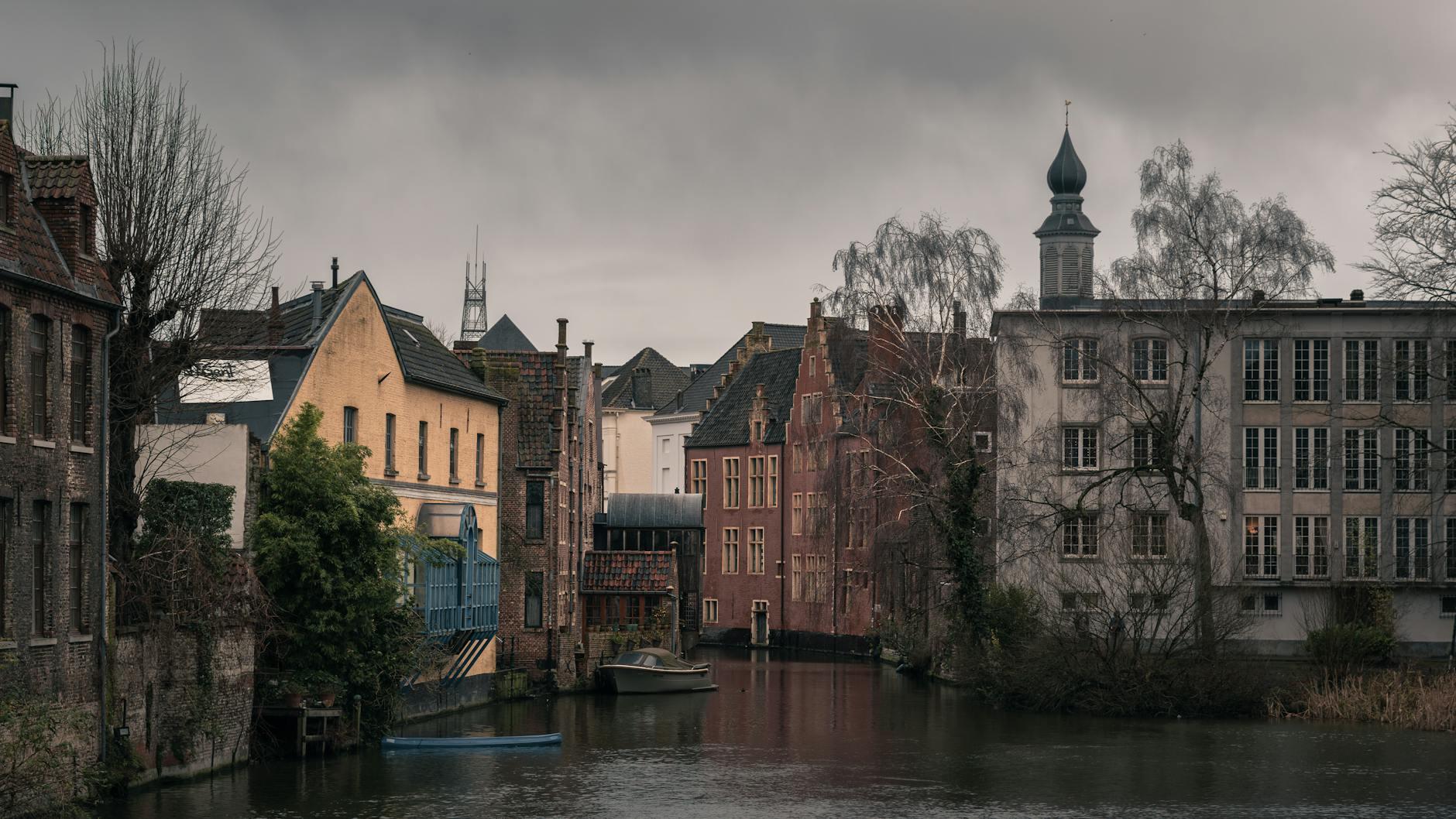
Gent Pride typically takes place in July or early August and has grown significantly in recent years. The celebration includes parades, outdoor parties, live performances, and multiple events across several days. The Pride parade itself draws thousands of participants and spectators and winds through the medieval city center, creating a striking visual contrast between historical architecture and contemporary queer celebration.
The Gentse Feesten (Ghent Festival) in July is a broader cultural festival—one of Europe's largest—that includes LGBTQ+ programming, performances, and parties alongside general cultural events. This festival is excellent for travelers interested in both queer culture and broader European arts and music.
Throughout the year, Pride celebrations and themed parties occur, particularly around International Day Against Homophobia (May 17). Local LGBTQ+ organizations organize various social and political events as well.
Where to Stay
Gent's city center is compact, and most accommodations are within walking distance of the main scenes. Sint-Jacobs and the surrounding medieval district offer the most direct access to queer venues. Mainpoint, a hotel in Sint-Jacobs, is popular with LGBTQ+ travelers and staff are accustomed to serving the community.
For a broader range, all of Gent's center is safe and welcoming. The Graslei waterfront area offers scenic accommodation. Hostels and Airbnb properties are abundant and generally LGBTQ+-friendly. Book in advance during Pride season and festival periods, as the city fills up quickly.
Belgium is one of Europe's safest countries for LGBTQ+ travelers. Same-sex marriage has been legal since 2003, discrimination is illegal, and social attitudes are progressive. Gent is particularly liberal and welcoming. Public displays of affection between same-sex couples are socially acceptable and will not attract negative attention. The police force and authorities are supportive of LGBTQ+ rights.
Public transit in Gent is excellent—the city is easily navigable by bike, tram, and bus. Bikes are ubiquitous and rentals are cheap; cycling is the local transport mode of choice. The compact city center means most attractions are walkable. The main train station (Gent Sint-Pieters) connects to Brussels, Antwerp, and other Belgian cities as well as the Netherlands and France.
Language: Dutch (Flemish) is the primary language, but English is widely spoken by younger people and in tourist-oriented businesses. Learning a few basic phrases in Dutch is appreciated by locals.
Currency and Practicalities
Belgium uses the Euro. Gent is modern and well-equipped with ATMs and card payment systems. The city has excellent healthcare facilities; EU citizens have reciprocal healthcare access, and travelers should carry appropriate insurance.
Food and Drink
Gent has a strong food culture. The city is famous for Gentse Stoverij (Ghent stew), waterzooi (vegetable stew), and fresh local produce. Friday, known locally as "Donderdag," is traditionally a vegetarian day in Gent, and the city has excellent vegetarian and vegan restaurants. This reflects the city's progressive values.
Belgian beer is world-class. Trappist beers and Lambic ales from nearby Flanders are available everywhere. Local cafés and bars offer expansive beer menus. Gent's café culture is strong—expect to spend unhurried time with drinks and conversation in public spaces.
Culture and Day Trips
Gent itself is a cultural destination. Saint Bavo's Cathedral houses the famous Ghent Altarpiece by Jan van Eyck. The city's medieval architecture is remarkable and well-preserved. Museums include the Museum of Fine Arts and various smaller galleries. Walking tours of the city are excellent ways to understand its history and architecture.
Nearby Brussels (30 minutes by train) is Belgium's capital and largest LGBTQ+ scene. Antwerp (40 minutes by train) is another vibrant Flemish city with an active queer community. The Bruges (Brugge), another medieval Flemish city, is 30 minutes away and worth a day trip for its canals and architecture, though it's more tourist-focused and has a smaller LGBTQ+ scene than Gent.
The Belgian coast is 1-2 hours away and offers beach towns like De Haan and Knokke-Heist, some with LGBTQ+-friendly beaches and venues.
Timing and Climate
Gent is pleasant year-round, though summer (June-August) is warmest and driest. Spring (April-May) and fall (September-October) offer mild weather and fewer tourists. Winter (November-February) is cold and rainy but features holiday markets and festive atmosphere. Pride season (July-August) is the busiest time for LGBTQ+ travelers; book accommodations well in advance.
Final Thoughts
Gent rewards travelers seeking authentic European culture combined with genuine LGBTQ+ hospitality. The city is not a party destination in the vein of Amsterdam or Barcelona, but rather a place where queer visitors can experience real community, excellent food and beer, stunning medieval architecture, and a truly welcoming local culture. The compact size means visitors can navigate easily, and the progressive values permeate the entire city rather than being confined to dedicated gay districts. For those interested in experiencing LGBTQ+ life as it's actually lived in a modern European city—integrated, visible, and celebrated—Gent is an excellent choice.
Domande frequenti
The primary LGBTQ+ hub in Gent centers around Sint-Jacobs (St. James), a neighborhood in the historic city center near Graffiti Street. This area contains most of the gay bars, cafes, and community spaces.
Gent Pride typically takes place in August and is a significant celebration featuring a parade, performances, market stalls, and street parties.
Gent has a visible and welcoming LGBTQ+ community, though it is smaller than that of Brussels or Antwerp. The scene is less commercialized than in larger cities.
The Sint-Jacobs neighborhood has traditionally hosted the majority of LGBTQ+-focused bars and social spaces. Visitors should ask locally or check current online directories for up-to-date venue information, as recommendations change.
Beyond Pride, the city hosts occasional themed parties, film screenings, and community gatherings throughout the year. The Gent LGBTQ+ community center and local organizations are involved in these events.
Belgium overall ranks among Europe's most LGBTQ+-friendly countries, having legalized same-sex marriage in 2003 and maintained strong anti-discrimination protections. Gent has embraced these progressive values.
Le tue scelte di privacy.
Utilizziamo i cookie per far funzionare GayOut e, con il tuo consenso, misurarne l'utilizzo. Scopri di più
Le tue scelte di privacy
Usiamo i cookie per far funzionare GayOut, ricordare le tue preferenze e (con il tuo permesso) misurare come viene usato il sito. Puoi accettare tutto, rifiutare tutto o scegliere cosa consentire. Scopri di più
Essenziali
Necessari per il login, la prevenzione delle frodi, la protezione CSRF e per ricordare la lingua. Non disattivabili.
Sempre attivi
Ricordano i tuoi preferiti, la modalità scura e altre preferenze tra una visita e l'altra.
Ci aiutano a capire quali pagine vengono visitate (Google Analytics, statistiche lato server) per migliorare il sito.
Usati dai pixel di tracciamento per le campagne. Al momento nessuno è attivo, riservati a un uso futuro.
Installa GayOut
Aggiungi GayOut alla schermata Home per un accesso più rapido, preferiti offline e avvisi sui Pride.


 Bar e club gay