Matrimonio egualitario (Ehe für alle) legalizzato il 1° ottobre 2017. Le unioni civili (Lebenspartnerschaft) erano disponibili dal 2001. Diritti di adozione congiunta per coppie dello stesso sesso dal 2017. Forti tutele federali contro la discriminazione (AGG, General Equal Treatment Act 2006) che coprono impiego, beni e servizi. La terapia di conversione è stata vietata per i minori nel 2020; un divieto completo per gli adulti è stato proposto ma non ancora promulgato a partire dal 2026. Il cambio legale di genere per le persone trans richiede una valutazione psicologica e un'ordinanza del tribunale — riforme in corso.
Mannheim, situated in Baden-Württemberg, has a visible LGBTQ+ community with roots dating back to the 1980s. Following German reunification, the city, like others in the region, saw an increase in public acceptance and visibility for its queer residents. Today, Mannheim offers a grounded LGBTQ+ scene, integrated into the city's cultural and creative fabric, with a presence in arts, academia, and local governance.
Key Neighborhoods
The Jungbusch district serves as a focal point for Mannheim's alternative and LGBTQ+ communities. This former industrial area, located northwest of the city center, has evolved into a hub for artists, musicians, and queer individuals. It features independent galleries, vintage shops, cafes, and a number of establishments known for their welcoming atmosphere. The area around Mittelstrasse is particularly active, hosting regular street festivals and art events.
The Innenstadt, or city center, is Mannheim's primary commercial and cultural zone, containing shops, restaurants, museums, and some nightlife. Marktplatz, the city's central square, is easily accessible by tram.
Nightlife and Venues
Mannheim's LGBTQ+ nightlife is concentrated and generally accessible. While specific venues can change, the Jungbusch district typically hosts the majority of establishments with a notable queer presence. For current listings, consulting online resources such as PlanetRomeo or local Mannheim tourism websites is recommended, as individual bars and clubs may relocate or close.
Saunas catering to the local cruising community are also available in Mannheim, generally open daily with extended evening and weekend hours. Information can often be found through gay social apps or local tourism resources.
Events and Pride
Mannheim's Christopher Street Day (CSD) typically occurs in the summer, often in July or August, and is a significant event in the Rhine-Neckar region. The parade draws a substantial crowd and features floats, music, and community groups. Street festivals and parties accompany the official events. Beyond CSD, the local LGBTQ+ community organizes smaller events, film screenings, and discussion groups throughout the year. Local organizations and community centers often maintain calendars of these activities.
Accommodation
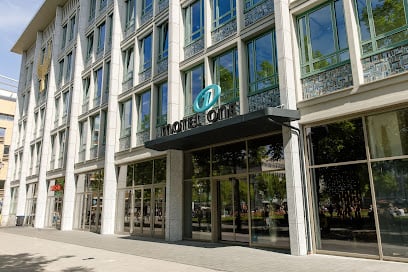
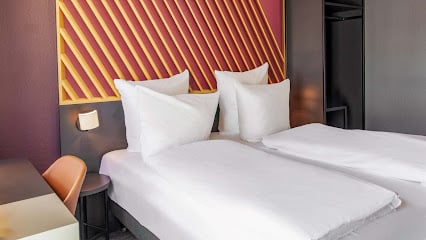
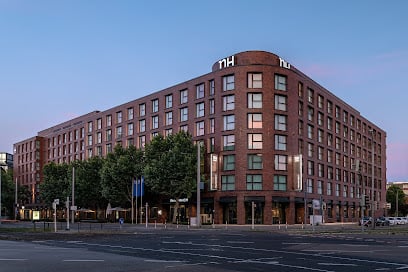
Mannheim provides a range of hotel options across different price points. The Innenstadt offers the most extensive tourist infrastructure, including major hotel chains. Jungbusch has fewer hotels but an increasing number of guesthouses and Airbnb listings that may appeal to LGBTQ+ travelers seeking a more atmospheric stay. Many hotels in Mannheim are generally gay-friendly, though specific recommendations should be verified through current travel booking sites. The city center is compact, and its efficient tram system connects all neighborhoods, making proximity to specific venues less critical.
Mannheim's public transportation system, operated by Rhein-Neckar-Verkehr (RNV), is efficient and affordable, with trams and buses connecting the city center, Jungbusch, the palace area, and surrounding regions. A day pass offers unlimited travel. The compact city center is also pleasant for walking, with trams available for longer distances. Mannheim Hauptbahnhof (main train station) provides direct rail connections to cities such as Frankfurt, Heidelberg, and Stuttgart, facilitating day trips or onward travel.
Food and Dining
Mannheim's culinary landscape reflects its working-class history and diverse population, with many Turkish, Greek, Italian, and German restaurants. The Jungbusch has a growing reputation for independent cafes and eateries popular with creative residents. Weekly farmers' markets and seasonal food stalls are found at Marktplatz. The city's dining scene emphasizes accessible, neighborhood-focused eating.
Cultural Attractions
Mannheim Palace (Schloss Mannheim), one of Germany's largest Baroque palaces, is a prominent landmark. Parts of the palace are open to visitors seasonally. The city also houses several museums dedicated to art, design, history, and technology, including the Kunsthalle Mannheim, a contemporary art museum.
Day Trips and Regional Exploration
Heidelberg, a medieval university town with a castle and Romantic atmosphere, is a 30-minute train ride north. The Rhine Valley between Mannheim and Heidelberg offers wine villages, castles, and walking routes. Frankfurt, 45 minutes north by train, is a major financial center with a significant LGBTQ+ scene. Scenic day trips for hiking and wine tasting can also be made to Neckargemünd and the surrounding wine regions to the east.
Safety and Practicalities
Mannheim is generally considered safe for LGBTQ+ travelers. Germany has robust anti-discrimination laws and recognizes same-sex marriage, with public displays of affection between same-sex couples being widely accepted. Standard urban awareness is advised, particularly in less-populated areas late at night. Mannheim does not present elevated risks for LGBTQ+ travelers compared to other German cities. English is commonly spoken in tourist areas and by younger residents, though basic German phrases can be helpful. The currency is the Euro, and ATMs are widely available. Contactless and card payments are standard.
When to Visit
Summer (June-August) offers warm weather and a full schedule of cultural events, including Christopher Street Day. Spring and early autumn provide pleasant weather with fewer crowds. Winter is cold but features Christmas markets and indoor cultural activities.
Who Mannheim Suits
Mannheim appeals to travelers seeking an authentic German city experience that is less intense than Berlin or less tourist-dense than Munich. It is well-suited for those exploring the Rhine Valley or combining visits to multiple regional cities. The mid-sized gay scene attracts visitors who prefer local venues and community connections. The city's relaxed atmosphere is conducive to both nightlife and cultural exploration for couples and groups of friends, while solo travelers can appreciate its safety and welcoming environment.
Domande frequenti
Mannheim has a mature, integrated LGBTQ+ community with visibility in local politics and business. The city offers a welcoming atmosphere and genuine community spaces.
The Jungbusch district is the primary LGBTQ+ neighborhood, located just north of Mannheim's central Paradeplatz. It's characterized by tree-lined streets, independent galleries, and a diverse bar and restaurant scene.
Mannheim's local pride festival was established in the early 2000s and has grown steadily, attracting upward of 10,000 visitors annually.
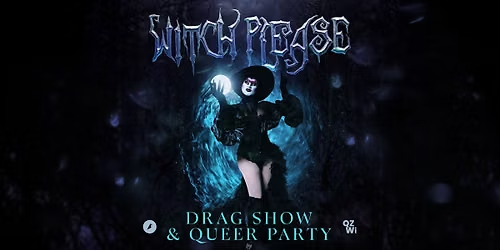
The Jungbusch area has a well-known gay bar that has historically been a primary gathering spot for the local community. Several dance clubs throughout the city also host occasional gay and lesbian nights, particularly on weekends.
Mannheim's LGBTQ+ scene is smaller than in larger German cities like Berlin or Cologne. It developed more organically and remains less commercialized, offering genuine community spaces.
Yes, Mannheim has venues that cater to fetish and leather culture.
Le tue scelte di privacy.
Utilizziamo i cookie per far funzionare GayOut e, con il tuo consenso, misurarne l'utilizzo. Scopri di più
Le tue scelte di privacy
Usiamo i cookie per far funzionare GayOut, ricordare le tue preferenze e (con il tuo permesso) misurare come viene usato il sito. Puoi accettare tutto, rifiutare tutto o scegliere cosa consentire. Scopri di più
Essenziali
Necessari per il login, la prevenzione delle frodi, la protezione CSRF e per ricordare la lingua. Non disattivabili.
Sempre attivi
Ricordano i tuoi preferiti, la modalità scura e altre preferenze tra una visita e l'altra.
Ci aiutano a capire quali pagine vengono visitate (Google Analytics, statistiche lato server) per migliorare il sito.
Usati dai pixel di tracciamento per le campagne. Al momento nessuno è attivo, riservati a un uso futuro.
Installa GayOut
Aggiungi GayOut alla schermata Home per un accesso più rapido, preferiti offline e avvisi sui Pride.



 Amichevoli Bar e club gay