Hong Kong's LGBTQ+ scene represents a fascinating case study in how globalization and traditional values coexist. While comprehensive legal protections remain incomplete, Hong Kong decriminalised homosexuality in 1991 and equalised the age of consent in 2014, and society—particularly in urban centres—has become increasingly accepting. The city's queer community operates openly in designated areas and continues to push for legal recognition and rights.
History and Current Scene
Hong Kong's modern LGBTQ+ movement began gaining visibility in the 1980s and 1990s, with the first Pride march occurring in 2008. Today, the scene is primarily underground rather than openly street-facing, though attitudes have shifted considerably among younger generations and in commercial spaces. Major international corporations and many local businesses actively support LGBTQ+ initiatives. The community has successfully lobbied for anti-discrimination legislation in specific sectors, though comprehensive legal protection remains absent.
Key Neighborhoods
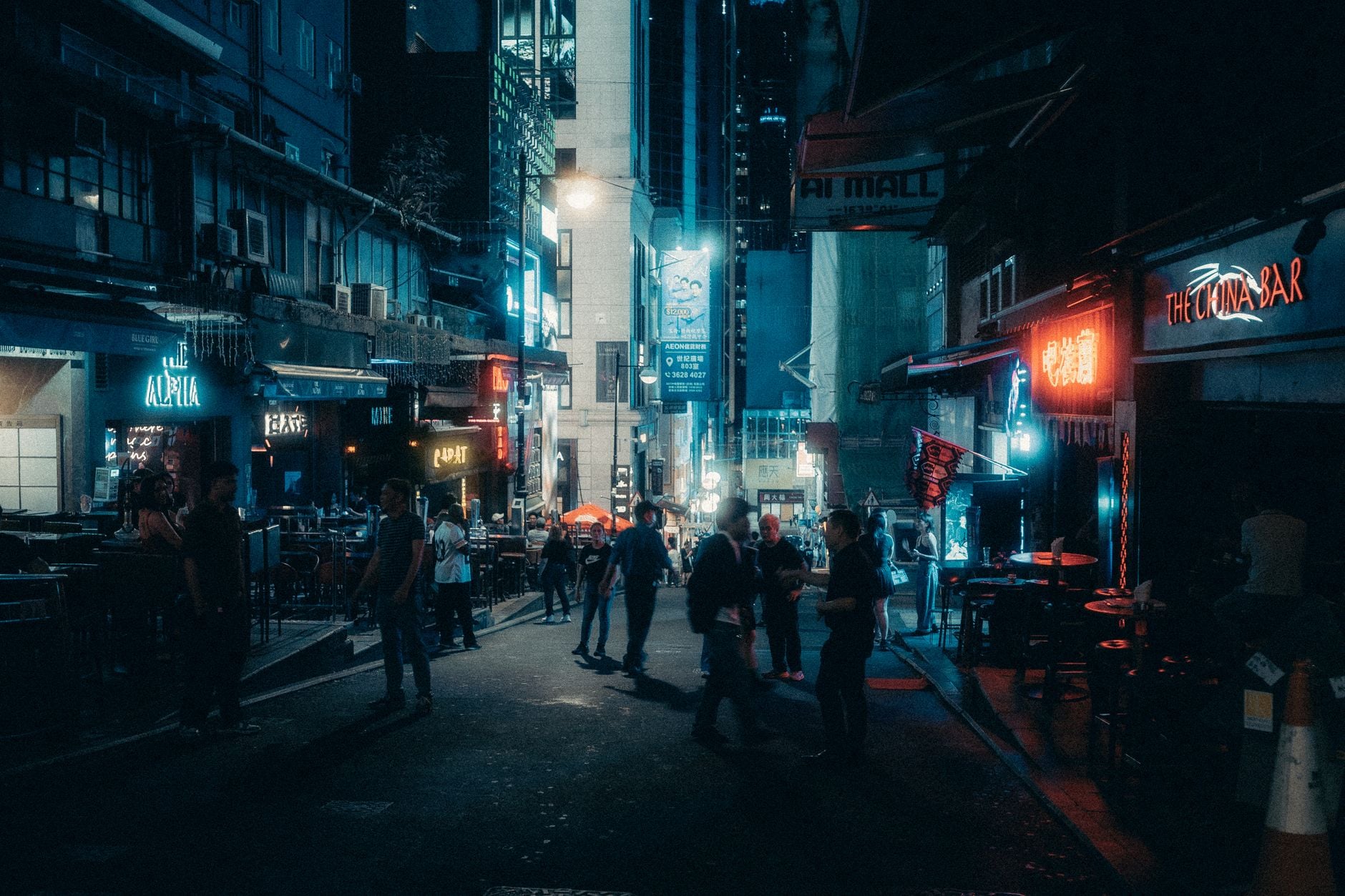
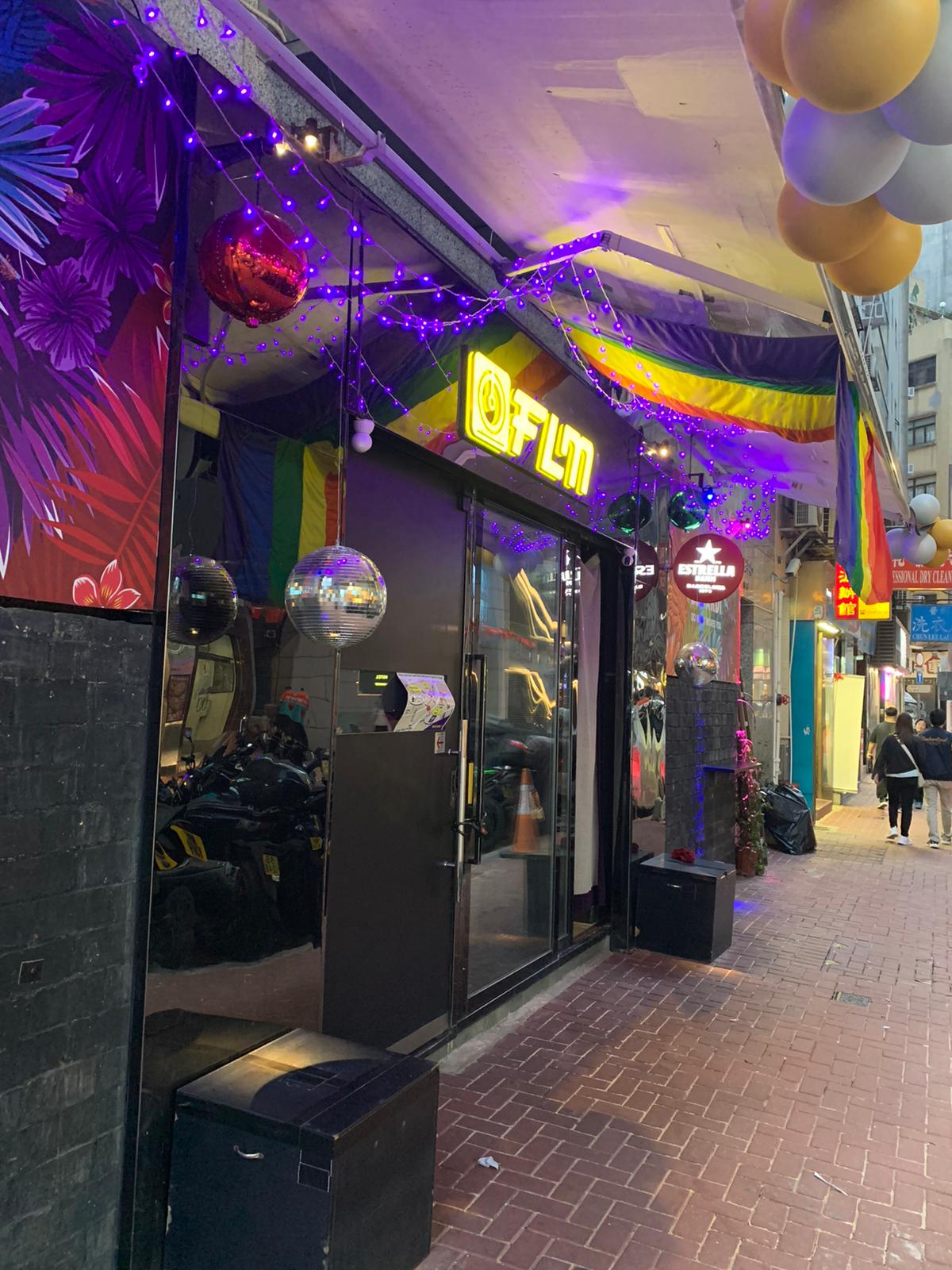
Sheung Wan & Central (SoHo): The real heart of Hong Kong's gay nightlife sits just west of the mainstream Lan Kwai Fong party quarter, in Sheung Wan around Jervois Street and Bonham Strand (Zoo Bar, FLM, Wink) and spilling east through Central and SoHo along Pottinger Street, Hollywood Road and Wyndham Street (LinQ, T:ME, Fa Gai). This compact, walkable cluster of small bars is where most visitors start a night out. Lan Kwai Fong itself is the broader, mostly straight nightlife hub next door and is easy to combine with a gay-bar crawl.
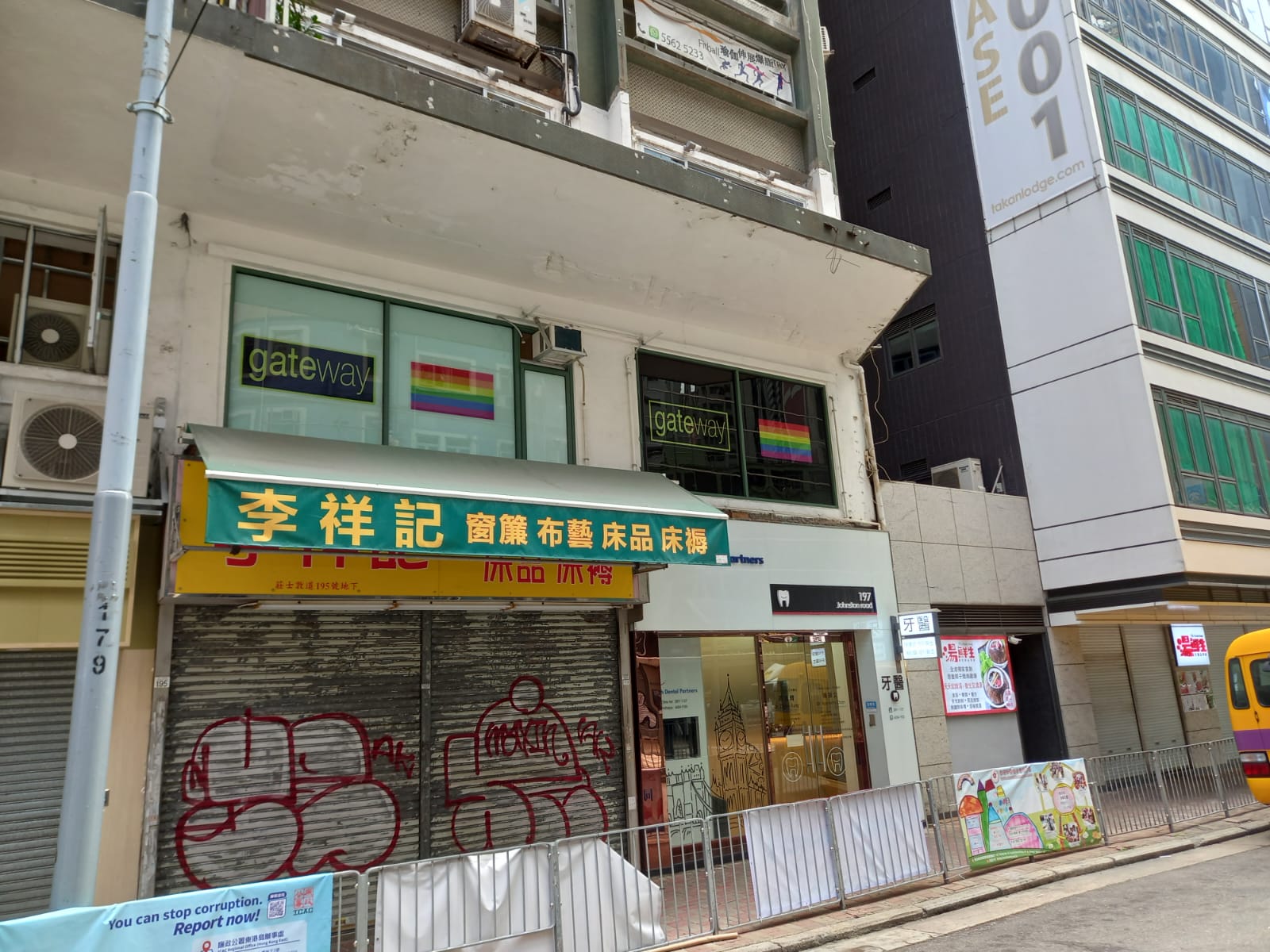
Causeway Bay & Kowloon: Causeway Bay hosts a separate, more local scene including Bing Bing and Vibranium, while over on the Kowloon side Jordan and Tsim Sha Tsui have their own venues such as Boo Bar and the lesbian bar LESSY. Mong Kok and Jordan are also where several of the city's gay saunas are concentrated, giving Kowloon a lower-key, less touristy feel than Hong Kong Island.
Central: Beyond Lan Kwai Fong proper, the broader Central district contains numerous LGBTQ+-friendly venues, offices, and community spaces. It's also the administrative and cultural center of Hong Kong.
Tsim Sha Tsui: This tourist-heavy Kowloon neighbourhood has several gay-friendly hotels and venues, plus the lesbian bar LESSY, making it convenient for visitors.
Venues and Nightlife
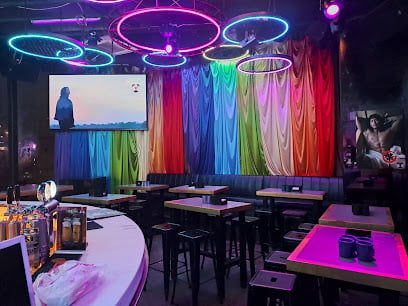
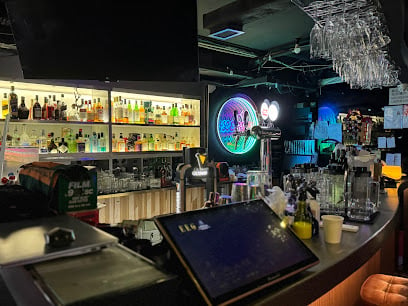
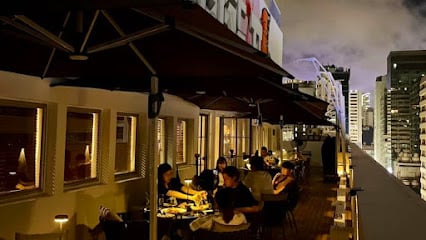
The Sheung Wan/Central cluster hosts the highest concentration of explicitly gay bars — Zoo Bar and FLM on Jervois Street, Wink on Bonham Strand, and LinQ, T:ME and Fa Gai a short walk east in Central and SoHo. Causeway Bay adds Bing Bing and Vibranium, while the Kowloon side has Boo Bar in Jordan and the lesbian bar LESSY in Tsim Sha Tsui. Venue names change with openings and closures — the long-famous club Propaganda closed in 2016 and Petticoat Lane in 2021 — so it is worth checking current listings on arrival.
Many mainstream nightclubs and bars in Hong Kong are LGBTQ+-friendly or have significant queer clientele, particularly larger venues in Central and Tsim Sha Tsui.
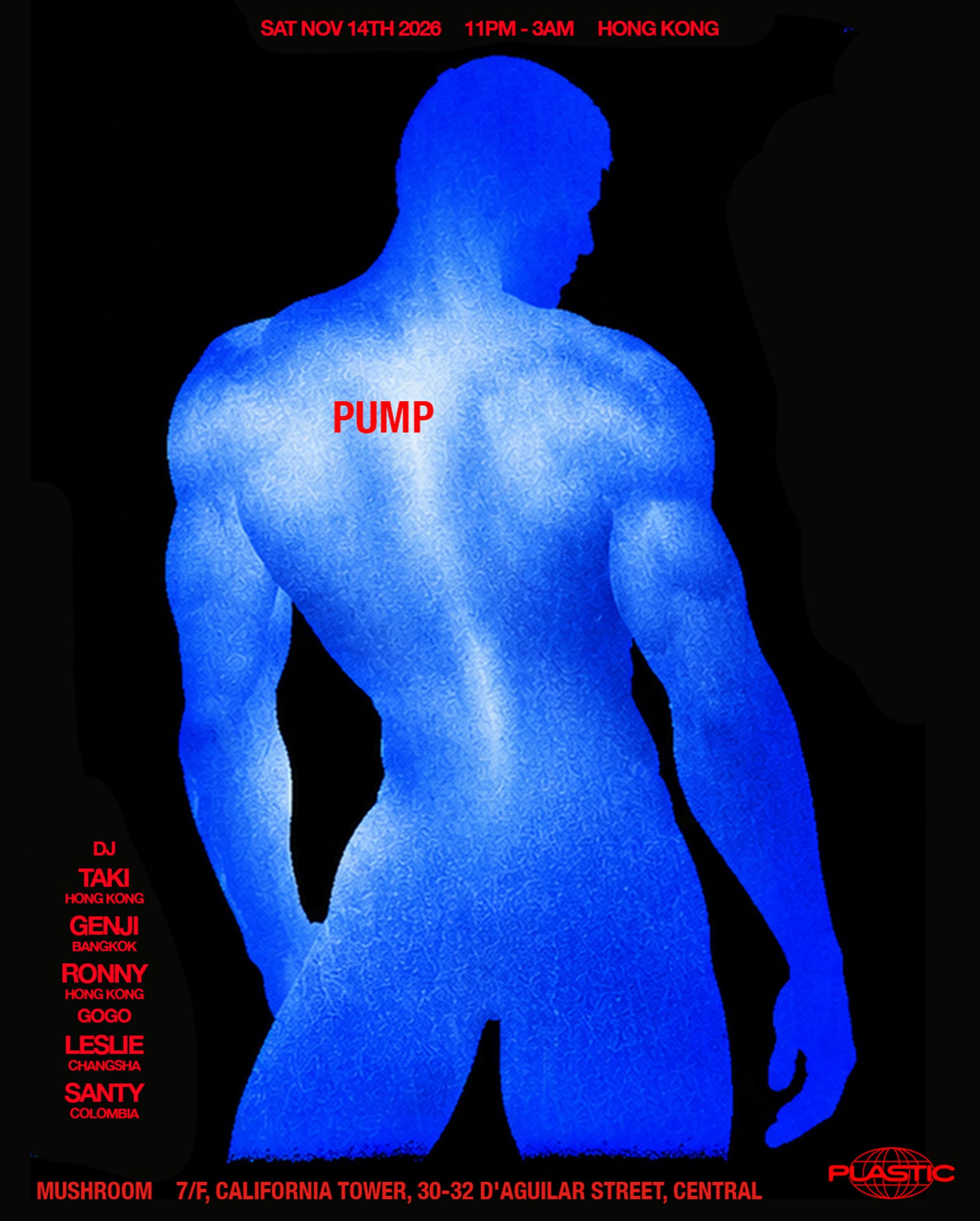
Party venues and saunas operate discreetly throughout the city; information is typically shared within community networks and via gay travel apps.
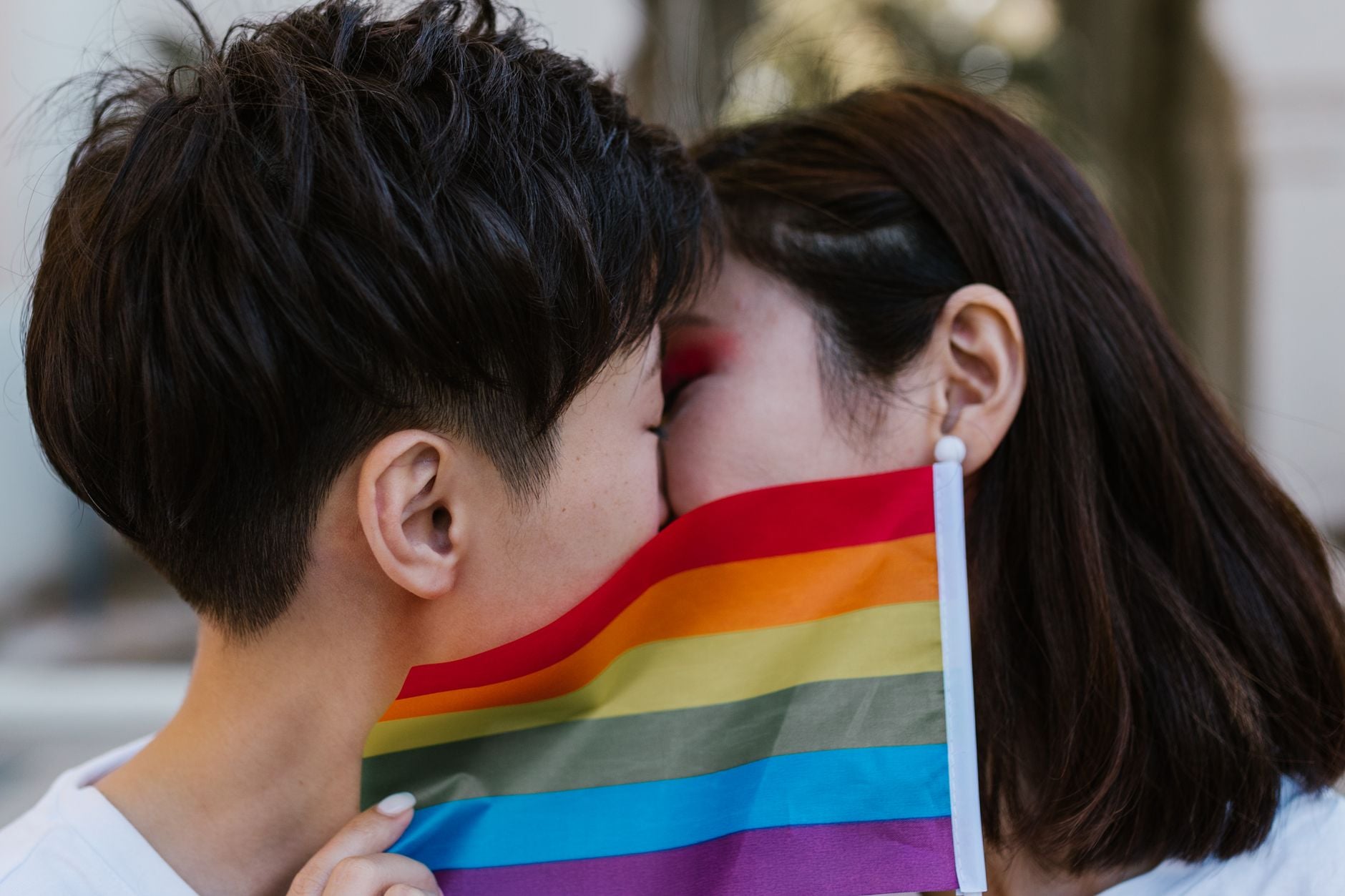
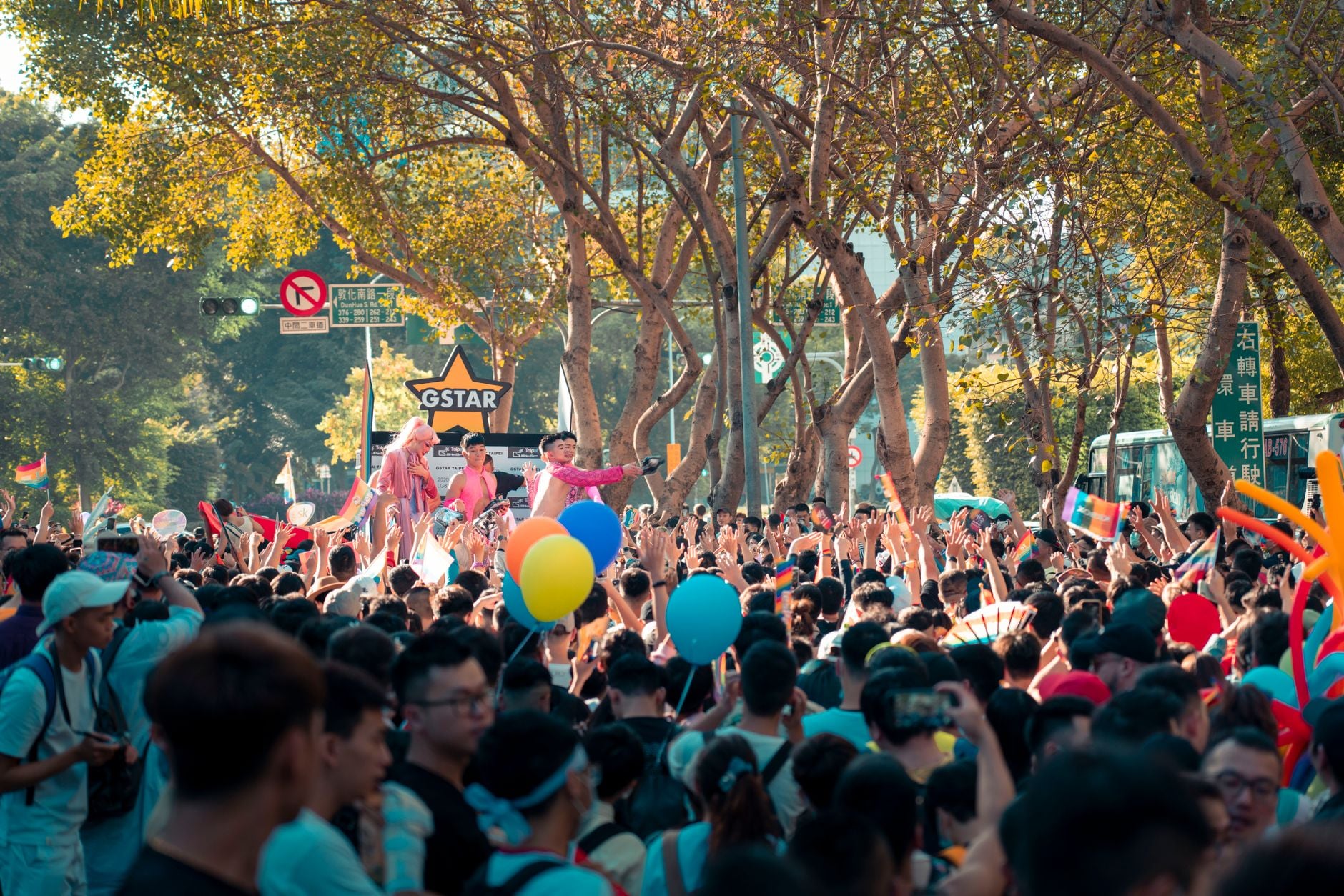
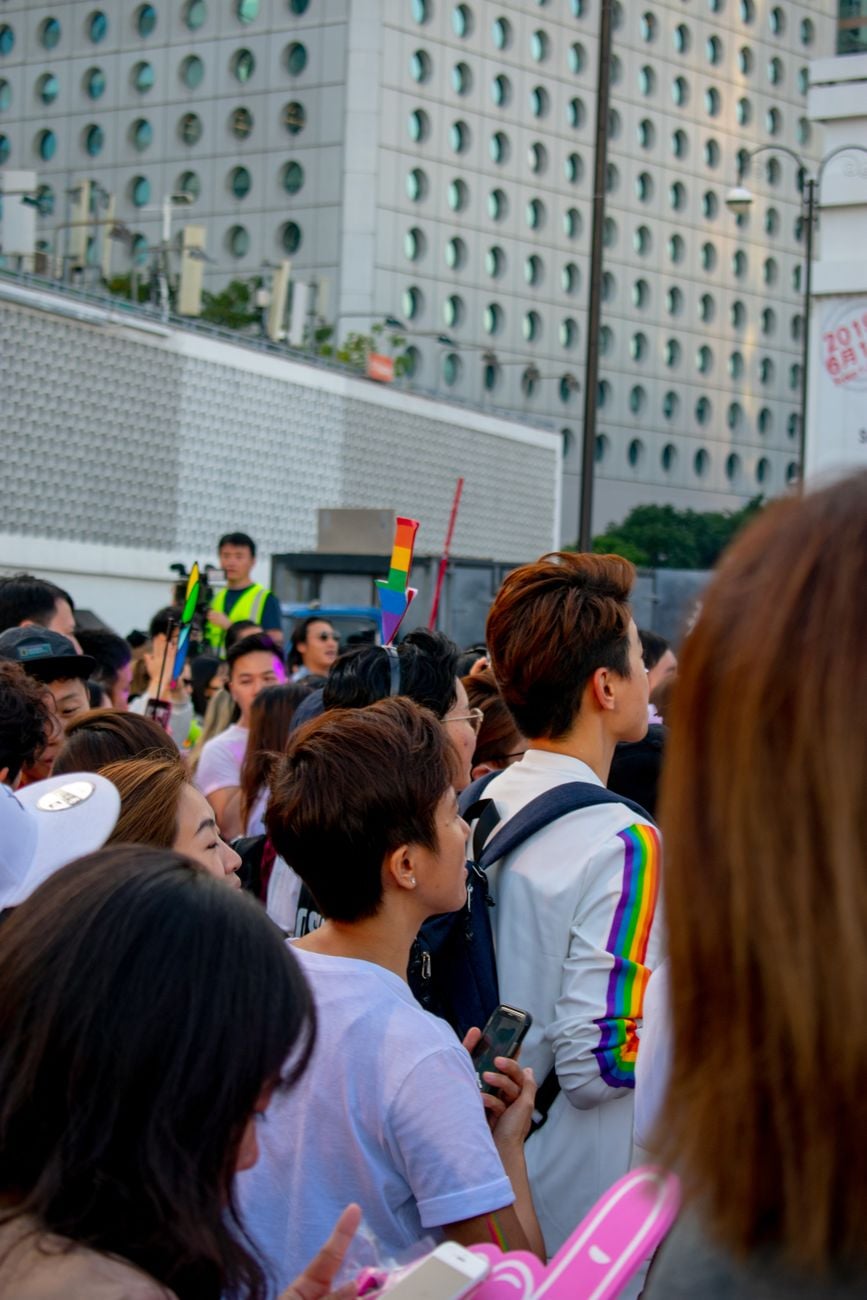
Hong Kong Pride takes place in November. There has been no street parade since 2019, and in recent years Pride has run as an indoor festival and "rainbow market" with stalls, performances and community gatherings. It remains a significant date in the Asia-Pacific LGBTQ+ calendar, alongside the Hong Kong Lesbian & Gay Film Festival (HKLGFF, each autumn) and Pink Dot HK. Hong Kong also hosted Gay Games 11 in November 2023 — the first Gay Games held in Asia.
Other events include LGBTQ+-focused film festivals, art exhibitions, and cultural performances held throughout the year. The LGBTQ+ community also participates in broader Hong Kong festivals and cultural events.
Accommodations
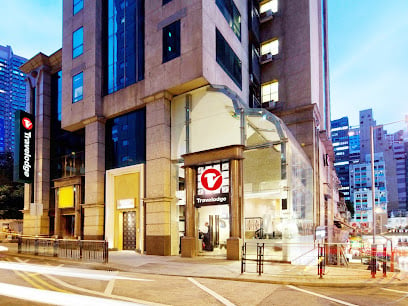
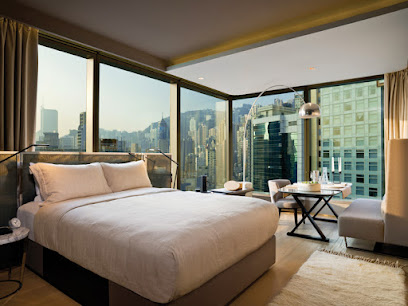
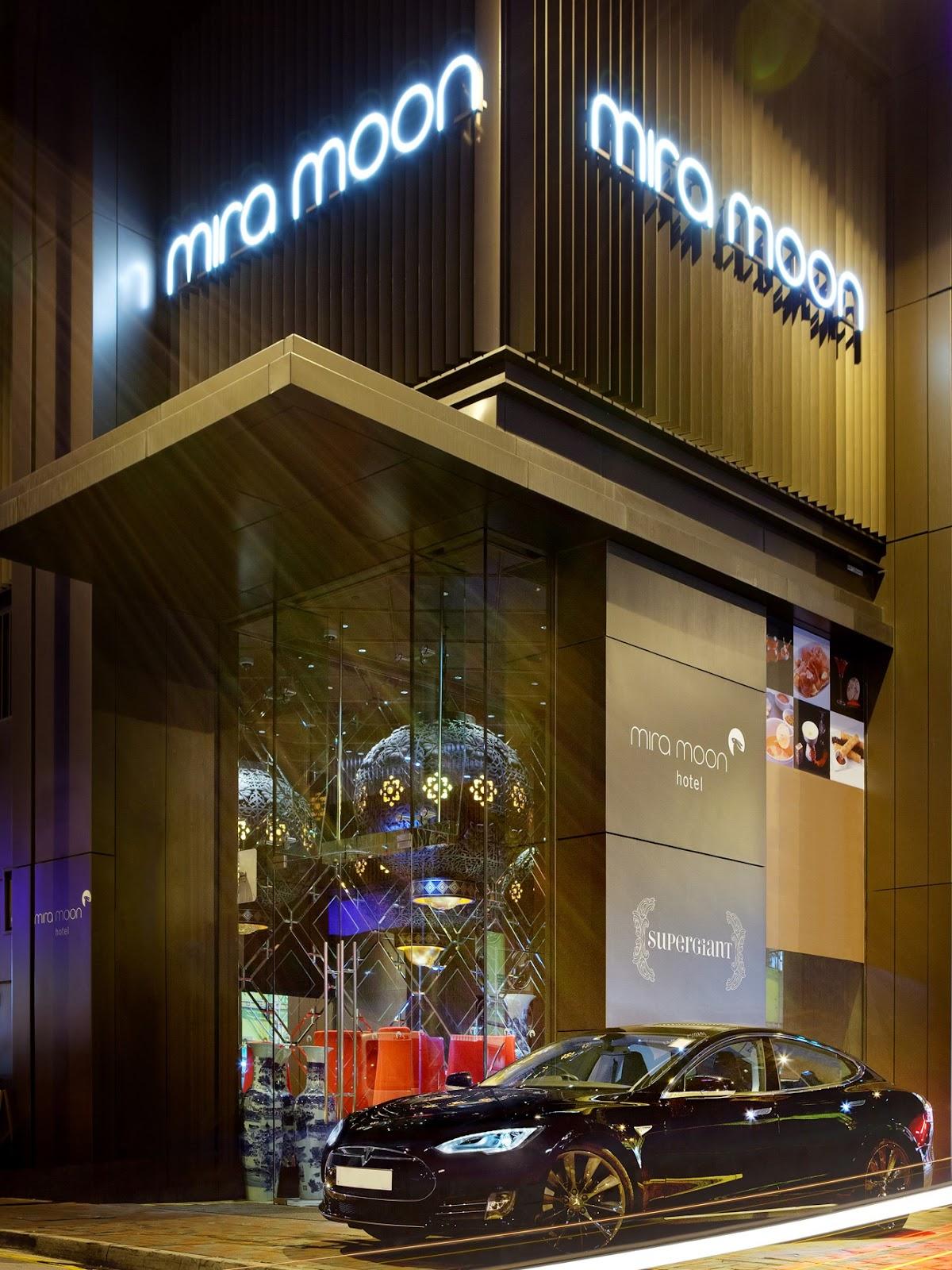
Hong Kong offers numerous hotels ranging from budget to luxury. Many international chains have strong track records of LGBTQ+ inclusion. Shim Sha Tsui and Central both have strong hotel infrastructure. Booking through LGBTQ+-friendly platforms can help identify particularly welcoming properties.
Hong Kong's public transportation system is exceptional: the MTR (metro) is clean, efficient, and inexpensive; buses and ferries provide alternative options. Taxis are abundant and affordable. Walking is feasible in main tourist areas. The Octopus card system streamlines transit payments across all transportation modes.
Food and Culture
Hong Kong's culinary scene is world-renowned, from Michelin-starred restaurants to incredible street food. The city's diverse neighborhoods offer authentic Cantonese cuisine, international options, and trendy fusion restaurants. Many restaurants in LGBTQ+-friendly neighborhoods actively welcome queer clientele.
Beyond food, Hong Kong offers museums, art galleries, harbor cruises, hiking, temples, and vibrant markets. Victoria Peak offers spectacular views. The Star Ferry provides iconic harbor crossing experiences.
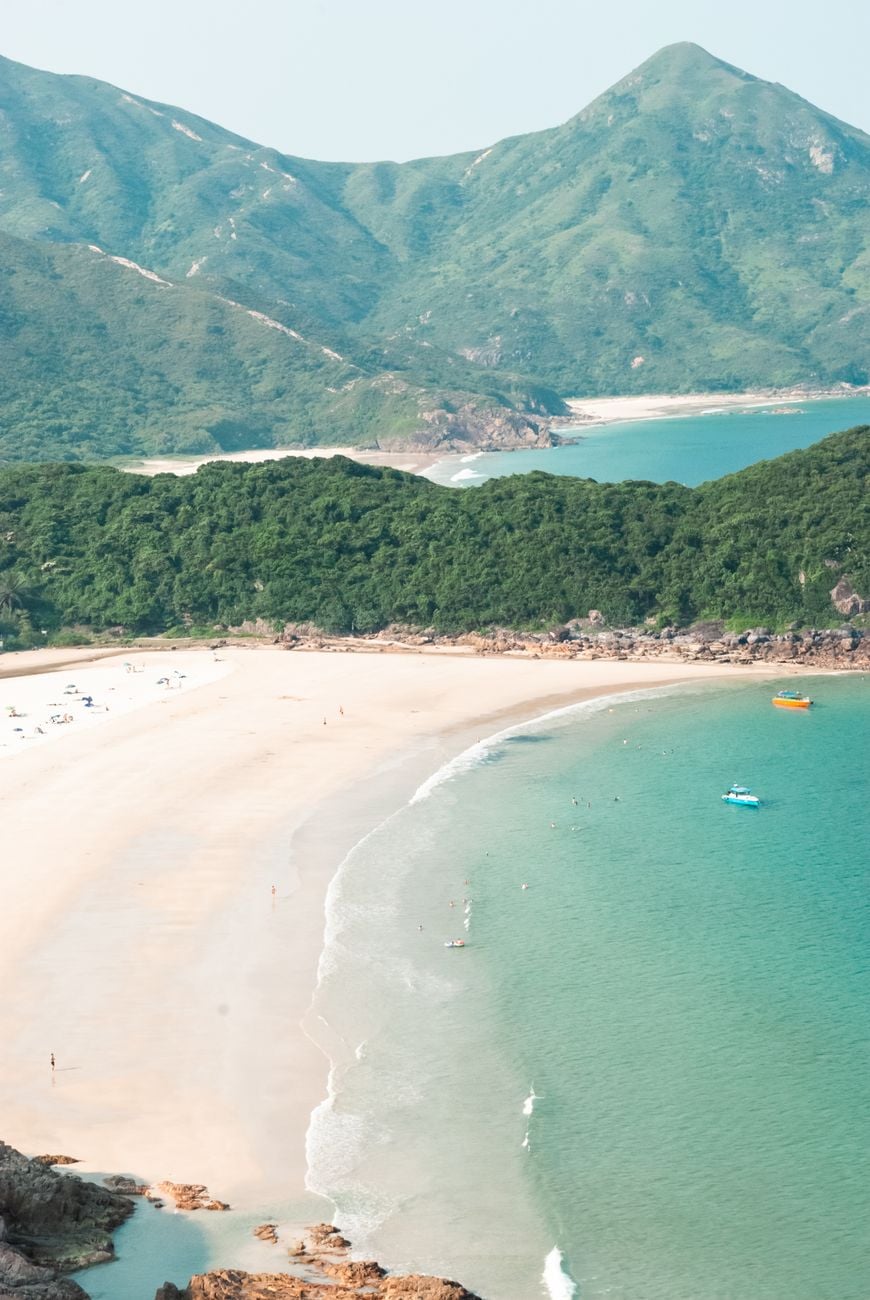
From Hong Kong, visitors can easily access other areas: Stanley Beach on Hong Kong Island offers coastal relaxation; the New Territories provide hiking and natural scenery; Macau is a short ferry ride away for casino and colonial architecture exploration; various outlying islands including Lantau Island can be reached via ferry.
Safety Considerations
Hong Kong is generally safe for LGBTQ+ travelers. Violent crime against tourists is rare. Homosexuality has been legal since 1991 and the age of consent is equal, but same-sex marriage is not recognised: in 2023 the Court of Final Appeal ordered the government to create a same-sex partnership framework, yet the Legislative Council rejected a limited partnership bill in September 2025, so no formal recognition currently exists. Public displays of affection may attract unwanted attention in non-tourist areas. Within established LGBTQ+ venues and tourist districts, behavior accepted in Western cities is typically unproblematic. Basic safety practices—awareness of surroundings, secure belongings, avoiding isolated areas late at night—apply as they would in any major city.
Practical Information
The Hong Kong Dollar (HKD) is the local currency; ATMs are widely available. English signage is common in tourist areas, though Cantonese is the primary language. Most young people speak English; older individuals may require translation assistance. Visitors from many countries can enter visa-free for tourism purposes. The climate is subtropical; summers are hot and humid; winters are mild but can be damp.
Visitors should research current LGBTQ+ events and venues before arriving, as the scene evolves and some venues close or relocate. Local LGBTQ+ organizations and online community boards provide current information.
よくある質問
Hong Kong has a visible and thriving LGBTQ+ community, particularly in urban areas, and is generally safe and welcoming for LGBTQ+ travellers. Homosexuality was decriminalised in 1991 and the age of consent is equal, but legal protections are still incomplete: there is no comprehensive anti-discrimination law and same-sex partnerships are not yet legally recognised. Within the gay bars, saunas and tourist districts, behaviour accepted in Western cities is generally unproblematic.
The heart of Hong Kong's gay scene is on the western side of Central — Sheung Wan around Jervois Street and Bonham Strand (Zoo Bar, FLM, Wink) and SoHo/Central along Pottinger Street, Hollywood Road and Wyndham Street (LinQ, T:ME, Fa Gai). Causeway Bay has its own venues (Bing Bing, Vibranium), while several gay saunas cluster in Wan Chai, Mong Kok and Jordan on the Kowloon side.
Staying in Central, particularly near Lan Kwai Fong, places you at the epicenter of nightlife but comes at premium prices. Wan Chai offers slightly more affordable accommodations, while Causeway Bay is a good base for proximity without being in the thick of it.
Hong Kong Pride, first held in 2008, takes place each November. There has been no street parade since 2019; in recent years it has run as an indoor festival and "rainbow market" with performances, stalls and community events. The autumn Hong Kong Lesbian & Gay Film Festival (HKLGFF) and Pink Dot HK are the other main dates, and the city hosted Gay Games 11 in November 2023.
Mong Kok and Tsim Sha Tsui on the Kowloon side have some gay venues, but they are less established as dedicated gay areas compared to Hong Kong Island.
Homosexuality was decriminalised in 1991 and the age of consent has been equal since 2014. However, same-sex marriage is not recognised. In 2023 the Court of Final Appeal ordered the government to establish a same-sex partnership framework, but the Legislative Council rejected a limited partnership bill in September 2025, so same-sex couples currently have no formal legal recognition in Hong Kong.





 ゲイバー&クラブ
(91)