New Caledonia is French territory, so the legal floor is high: same-sex marriage since 2013, full French anti-discrimination law. The social picture is more layered — and one distinction matters especially for travelers arriving from Tahiti: there is no māhū or raerae tradition here. Traditional Kanak culture is far more conservative than Polynesia's. The settler mainstream leans quiet too; the community keeps a low profile. There are no gay venues. Nobody should expect Papeete's easy openness. What Nouméa has instead is a determined collective, one heartfelt June gathering, and a French beach-city ease that makes discreet queer travel entirely comfortable.
Rainbowlution — and the Pique-niqueer
The torch-carrier is Rainbowlution, the collective that took over from the earlier Diversités NC association. Its signature event is the 'Pique-niqueer' at Parc Brunelet each June. Its charm is exactly what it isn't: no floats, no commercial sponsors, no stage production. Blankets on the grass, Pride flags among the ficus trees, and a warmth where visitors get absorbed like family within minutes. It's a giant friends' gathering, not a festival — and it's the honest, growing face of visibility here. Follow the collective on social media before your trip; pop-up events surface there first.
The welcoming spots, by name
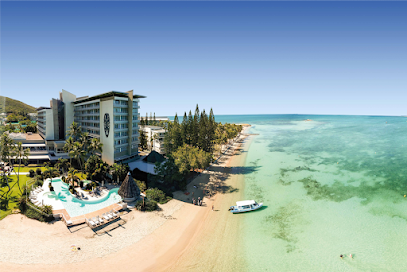
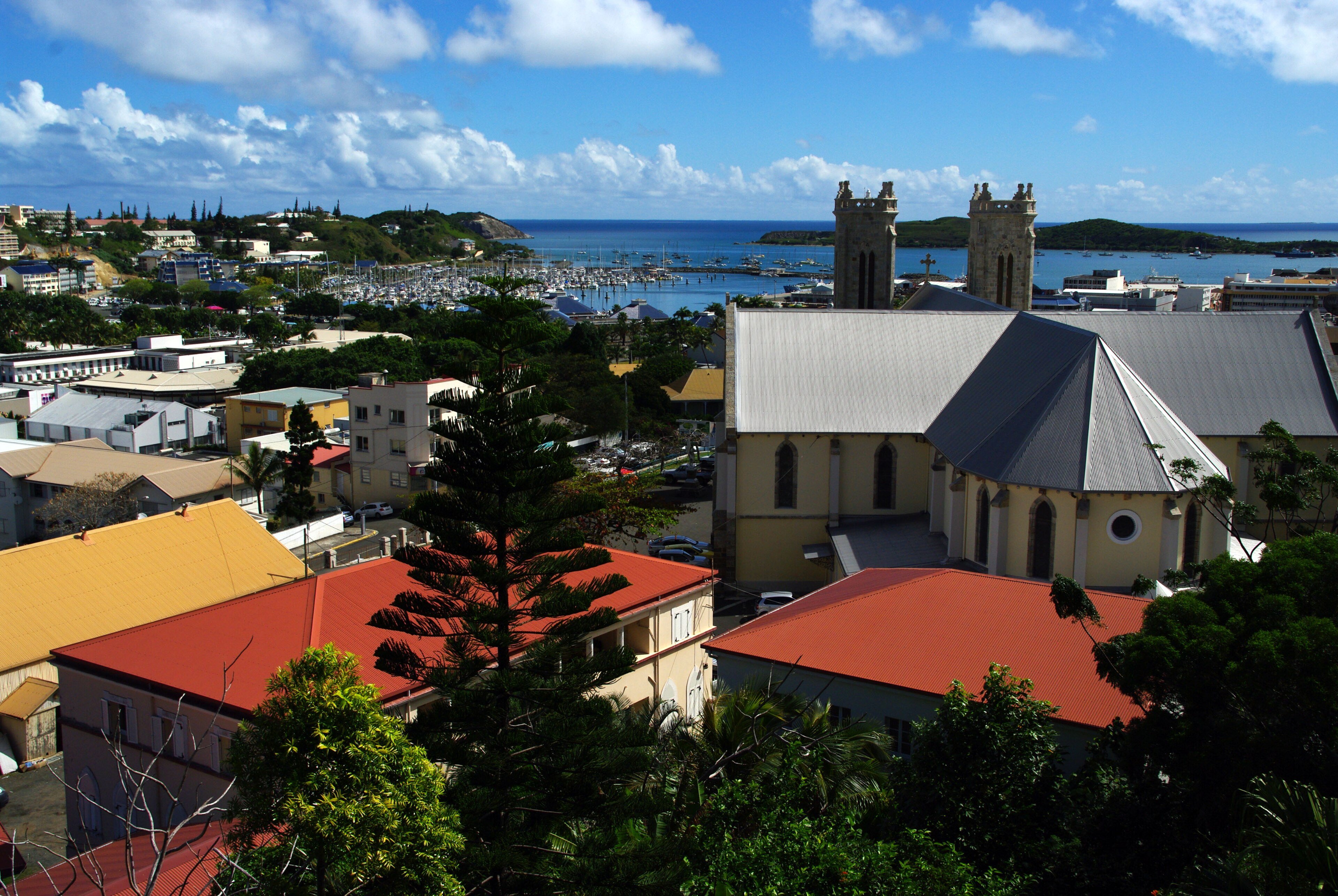
Nouméa is no Nice or Paris — but when the sun drops over Baie des Citrons, it genuinely feels like the French Riviera in the middle of the Pacific. The strip's anchors: MV Lounge, the most popular sunset lounge on the beach. It's mixed, fashionable, a very inclusive crowd, with DJs as the light goes gold. Grab a chair, order a French white or a local beer, and let the Mediterranean-in-the-Pacific mood do the rest. Le Bodega del Mar, the big pier bar built over the water, is the late-night engine drawing young locals, expats and tourists. Les 3 Brasseurs, the beachfront brewpub, keeps it loose and unpretentious. Around the headland at Anse Vata, La Barca does seafront cocktails with a breeze. In town, L'Astrolabe in the Quartier Latin is the artsy, open-hearted bistro-bar with famously friendly staff. Café de la Place on Place des Cocotiers is the daily people-watching hub. The café at the Tjibaou Cultural Centre offers the calmest, most artistic and completely open setting in the territory.
The digital scene — three tribes on one grid
With no venues, the apps carry the scene. The grid has a distinct three-part cast: metropolitan French expats and civil servants, soldiers and sailors stationed on the island, and locals. Territory-small dynamics apply hard — many profiles are photo-less out of professional and family discretion, and faces arrive only after conversation. The expat crowd is the easiest entry point. An invitation to a beach barbecue is the local equivalent of a night out.
A perfect Nouméa day
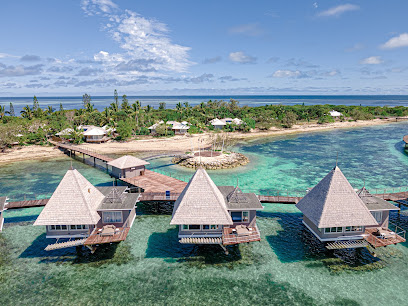
Start the morning with a croissant and fresh baguette at the Place des Cocotiers market. Take the boat out to Îlot Maître to swim with sea turtles in the UNESCO-listed lagoon — the world's largest. Finish with dinner in the Quartier Latin. That's the exact dosage of French charm and Pacific nature this city does best. With more days: the Amédée lighthouse, snorkelling straight off Baie des Citrons, the Tjibaou Centre for the Kanak story nobody should skip, and Île des Pins — one of the Pacific's most beautiful islands — 20 minutes by air.
Practical notes
The territory saw serious unrest in 2024, reflecting real tensions between the Kanak community and the population of French descent. Nouméa's tourist zones have long since returned to normal rhythm. Two practical rules hold: base yourself and spend your evenings in the bay areas (Baie des Citrons and Anse Vata), and steer clear of political discussions about independence — it's a raw, personal subject on every side. Public affection is fine on the beach strips, restrained elsewhere. CFP francs (same peg as Tahiti), French prices. June brings the Pique-niqueer; the dry season (May-October) is the weather answer.



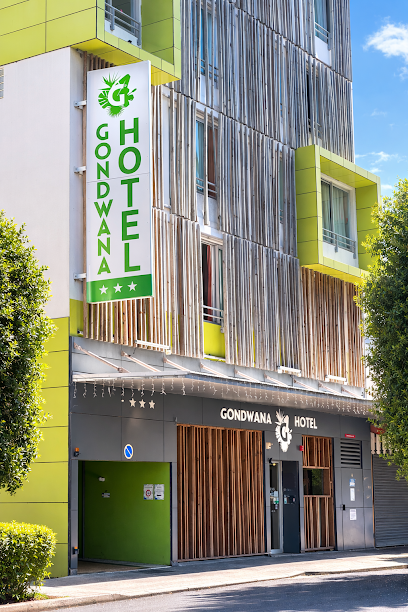 フレンドリーなLGBTQ+フレンドリーなホテル
(251)