Palau's legal situation is genuinely split, and we have to show both halves: same-sex relations have been legal since 2014 — but the 2008 constitution explicitly bars same-sex marriage, a ban adopted by referendum before decriminalization even arrived. There are no queer venues or public events; a local initiative (LAIIB) exists in listings but its current activity is unconfirmed. Palau isn't a place of loud parties or public scenes — it's a quiet island where everyone knows everyone. Queer couples are received with natural courtesy in every hotel and restaurant, as long as you keep to the island's calm, respectful register. What Palau offers the queer traveler is what it offers every traveler, at world-heritage level: the ocean.
The dive industry — the real social engine
In a country with no gay bars, the dive industry is the social scene. The big operators — Neco Marine, Sam's Tours — and the liveaboard boats run on rotating international crews. The daily rhythm of boats, briefings, and post-dive beers is the most natural, safest space in Palau to meet people. Book with the main operators, show up at the marina bars afterward, and the social side takes care of itself.
The welcoming spots, by name
Drop Off Bar & Grill at Neco Marina in Malakal is the island's divers' bar — right on the dock, cold beer, fresh fish, and a completely relaxed international crowd. The Canoe House on Koror's main street is the central gastro-pub: live music, local Red Rooster beer, tourists and expats shoulder to shoulder. Kramer's Cafe on the Malakal waterfront is the sleepy, wooden-deck spot drawing dive guides, travelers, and locals. Elilai Seaside Dining is the design-forward fine-dining rooftop with the sunset view — the romantic-dinner pick for couples. The Taj Palau downtown serves the island's best Indian with warm, elegant hospitality and an international crowd. And Driftwood Cafe Bar & Grill on the water is the easy, informal post-dive meeting spot.
A diver's perfect Koror day: morning boat through the Rock Islands and a drift at Blue Corner; back to the marina for the first beer at Drop Off while the boats unload; then pizza and a Red Rooster at The Canoe House — or sunset dinner at Elilai.
The digital grid
Very thin, faceless-profile norm, kinship-dense — the standard Pacific micro-state pattern. Expect slow responses and verification rituals; never screenshot or forward a profile (a leak on an island of 18,000 is an outing); turn off exact-distance display. The dive-industry expat crowd adds a slightly more international layer to Koror's grid than its neighbors have.
The ocean — why you're actually here
The Rock Islands are UNESCO-listed mushroom islets scattered over turquoise; Jellyfish Lake lets you snorkel through millions of stingless jellyfish; German Channel serves manta rays, Blue Corner serves shark walls — this is routinely ranked among the best diving on the planet. And take the environmental rules as seriously as Palau does: the Palau Pledge you sign into your passport on arrival is no gimmick — damaging reefs or protected sites draws heavy fines. Reef-safe sunscreen, no touching, no souvenirs from the sea; it's the island's behavioral code as much as its law.
Getting around
Know before you land: there are no metered street taxis in Koror. Book cabs ahead through your hotel or restaurant, or rent a small car — driving is on the right, though many cars are Japanese imports with the wheel on the right too, which makes the first day entertaining. Everything in Koror-Malakal is ten minutes apart.
Practical notes
Tourist zone ≠ village. Koror and the dive circuit run on international norms; the outlying states run on church and custom. Keep affection for private spaces everywhere. US dollars, flights via Guam, Manila, and Taipei, October-May for the calmest seas. The legal split means no marriage recognition of any kind — relevant for paperwork, irrelevant for a dive holiday.


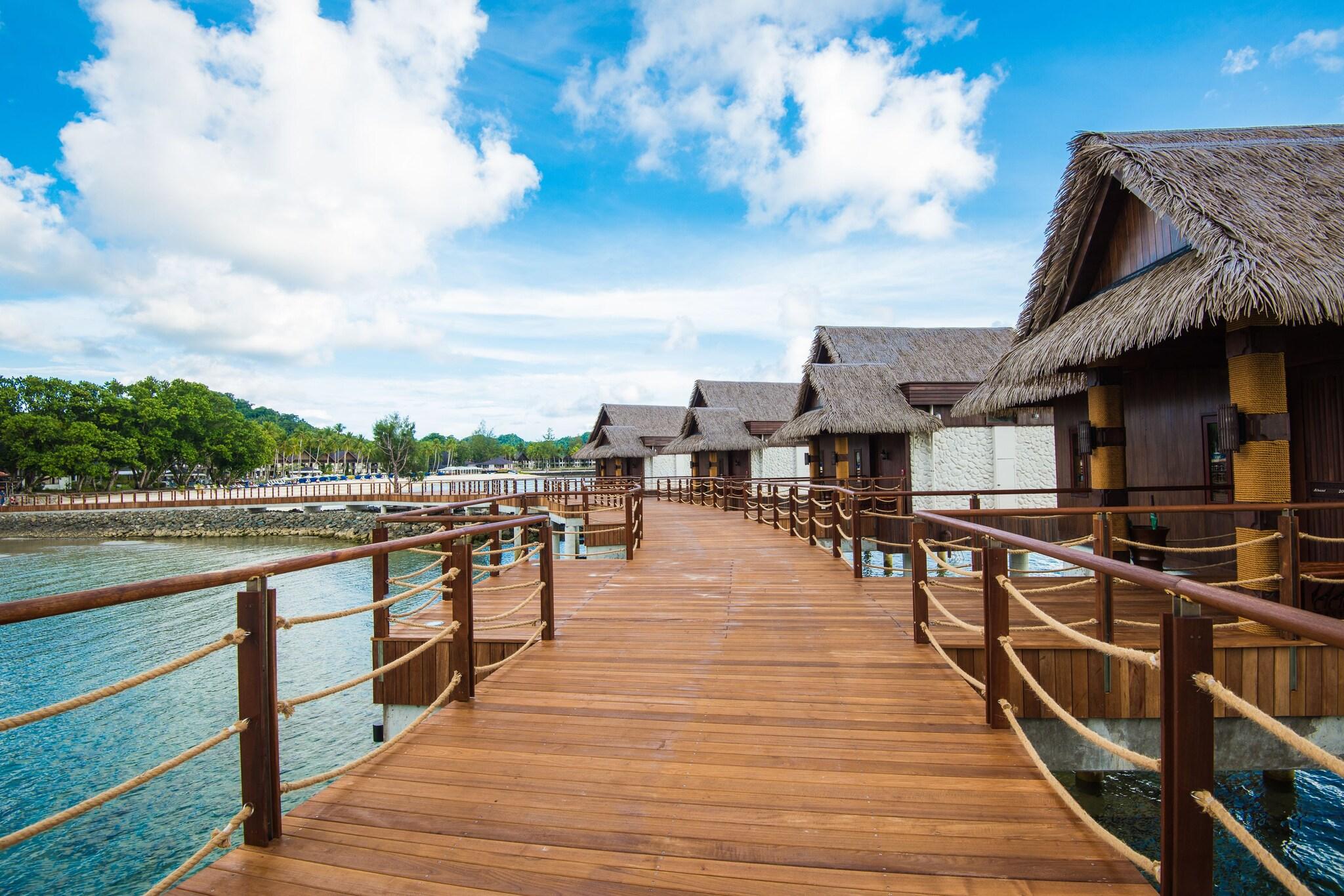
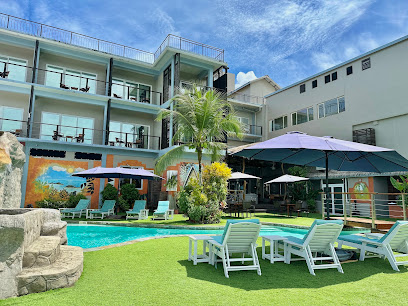
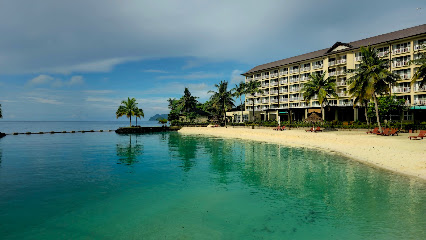
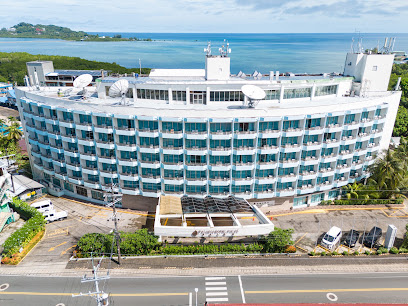
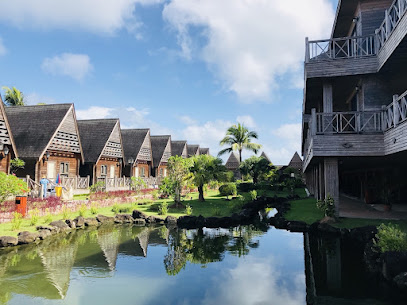 フレンドリーなLGBTQ+フレンドリーなホテル
(168)