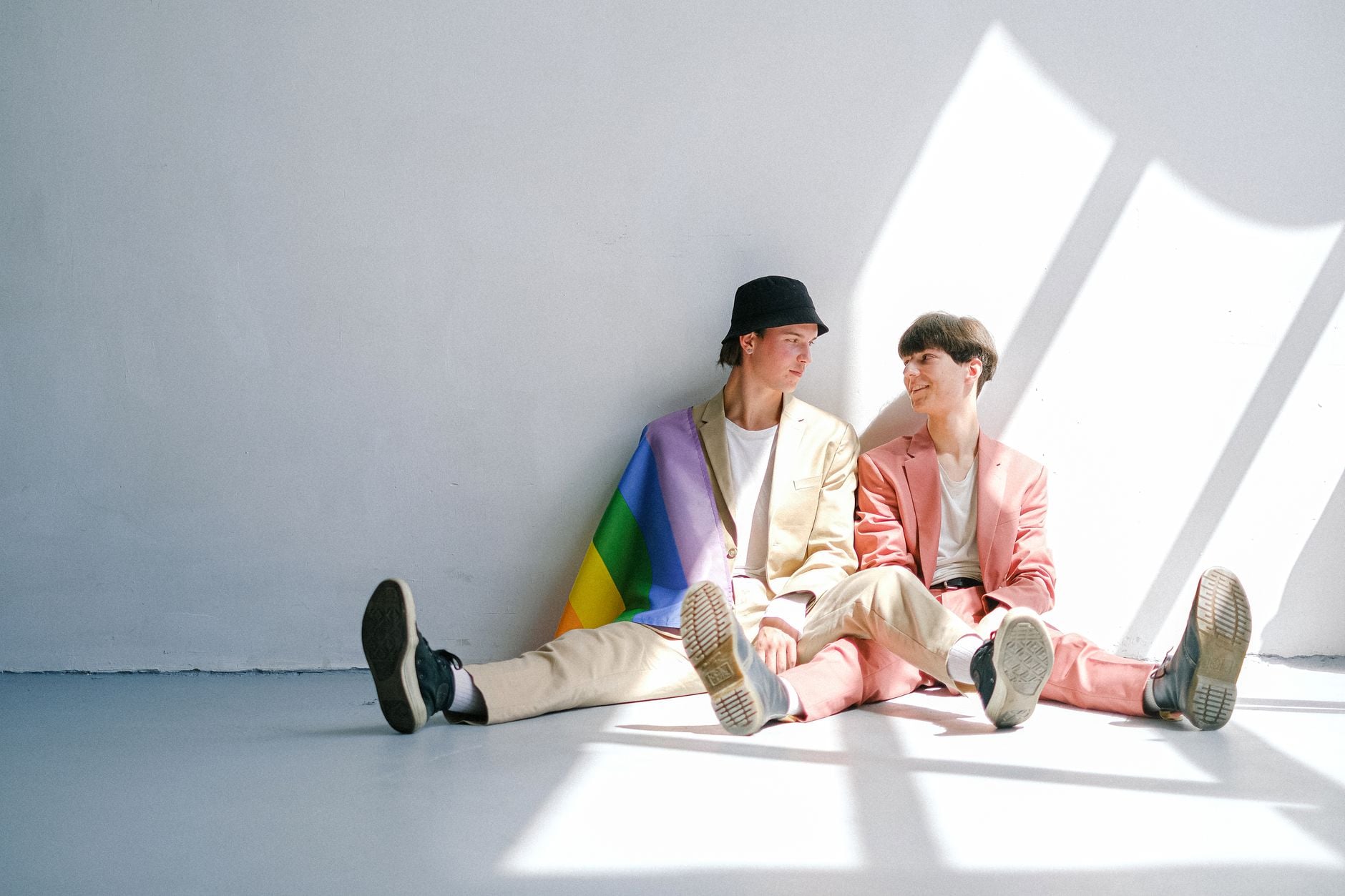
Incheon is South Korea's third-largest city and the country's main international gateway, home to Incheon International Airport and the futuristic Songdo business district. For LGBTQ+ visitors, though, it functions largely as a satellite of Seoul. The two cities merge into one continuous metropolitan area, and the capital's established gay districts — Itaewon's "Homo Hill" and Jongno 3-ga — are only about an hour away by subway. As a result most of Incheon's LGBTQ+ residents socialise in Seoul, and Incheon itself has a small, low-profile scene rather than a defined "gayborhood."
That does not mean the city is a blank on the map. Incheon has its own Pride festival, active university queer groups and a couple of venues of its own — you simply need to know that they are scattered and discreet rather than concentrated on a single strip near a station.
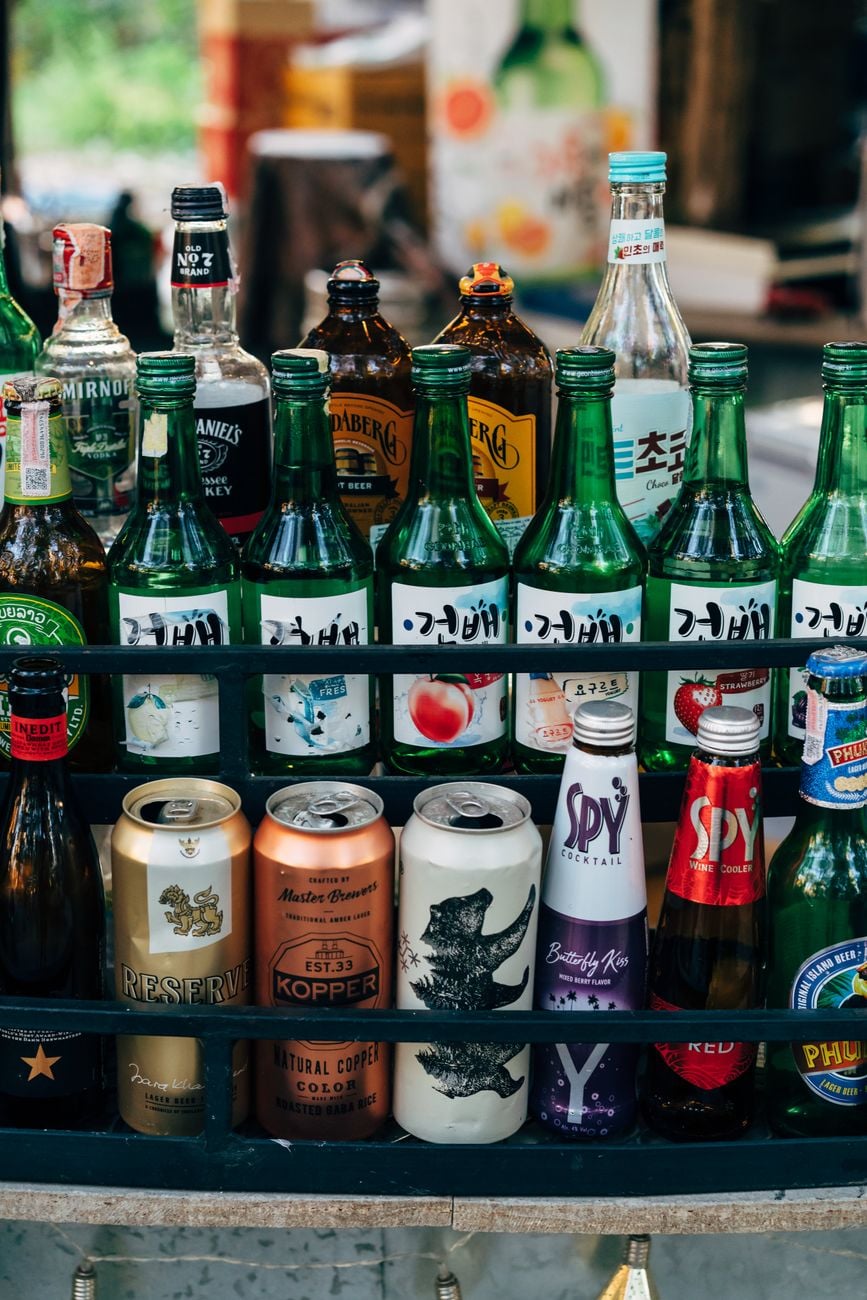
Nightlife in Incheon has no cluster of gay bars. The one openly LGBTQ+ nightspot of note is Rynn (부평 린), a small "gender bar" a few minutes from Bupyeong Station. It belongs to Korea's trans and crossdresser (CD) nightlife tradition, welcoming trans women, crossdressers and the men who admire them alongside a wider queer-friendly crowd. It opens late — roughly 8pm until the early hours — and closes on Wednesdays. For a broader choice of bars and clubs you will want to head into Seoul.
Incheon does, however, have a gay bathhouse of its own: Juan Tyson (주안 타이슨), in the Juan area of Michuhol-gu. It is a men-only, cash-only sauna used by local gay men for bathing, resting and cruising, and one of very few dedicated gay saunas in the capital region outside Seoul proper. The many ordinary jjimjilbang scattered across Incheon are family bathhouses with no gay connection, so this is the one to know.
Incheon holds its own Incheon Queer Culture Festival (인천퀴어문화축제, nicknamed "Inqui" 인큐), first staged in 2018. The debut event near Dong-Incheon Station drew more than a thousand anti-LGBT protesters who tried to block the parade, making national headlines; the festival has continued and matured since, gathering in recent years at Incheon City Hall's Aetul Square (인천애뜰광장) in Namdong-gu with a stage programme, community booths and a march. It usually takes place in late summer or early autumn (late August to September). Many locals also travel in for the far larger Seoul Queer Culture Festival.
Organised queer life in Incheon runs mostly through the festival's volunteer organising committee and through campus groups: Quimen at Incheon Catholic University, Force at Incheon National University and AIQU at Inha University. These student societies are small and term-time based, but together with the festival committee they are the natural first points of contact for anyone wanting to plug into local community events rather than commuting to Seoul.
On the law: same-sex sexual activity has never been criminalised under South Korea's civilian law — the one exception is Article 92-6 of the Military Penal Code, which applies to soldiers. Same-sex marriage and partnerships are not legally recognised and there is still no comprehensive anti-discrimination law, although a 2024 Supreme Court ruling extended some health-insurance spousal benefits to same-sex couples. Everyday attitudes in urban Incheon, especially among younger people, are increasingly relaxed, even if open displays of affection remain uncommon.
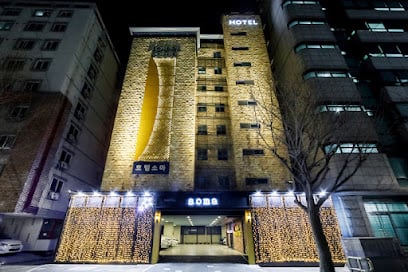
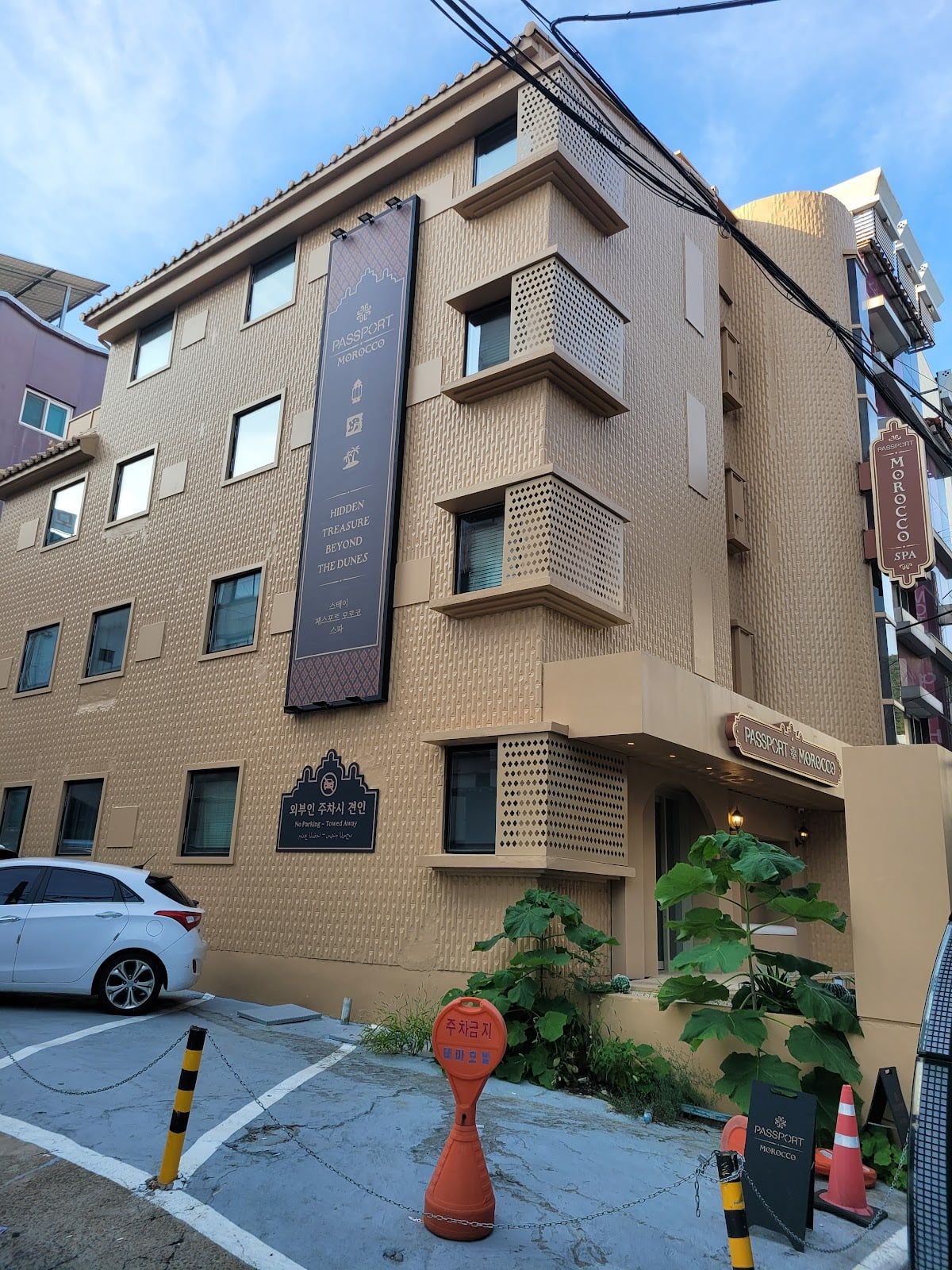
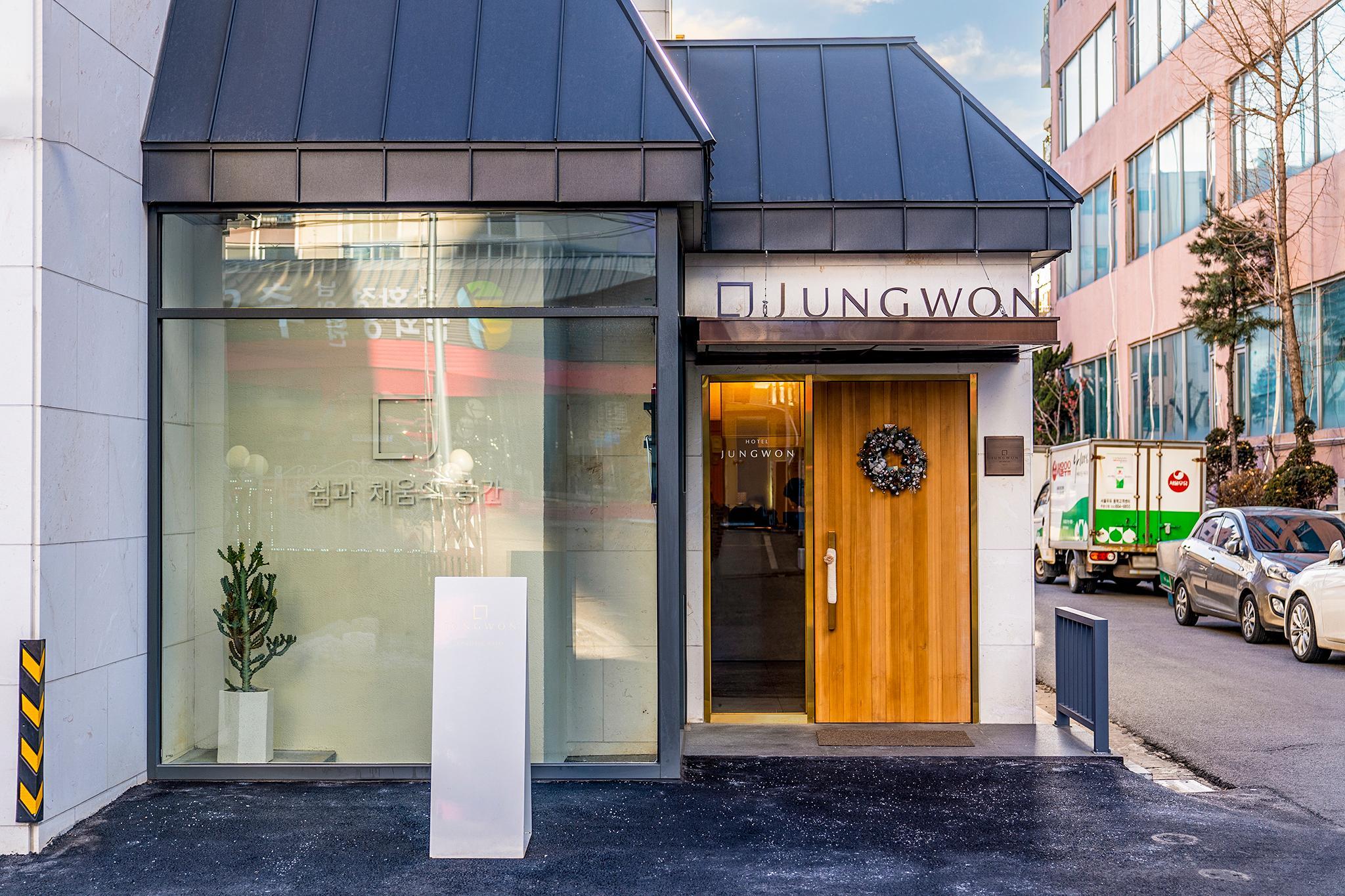
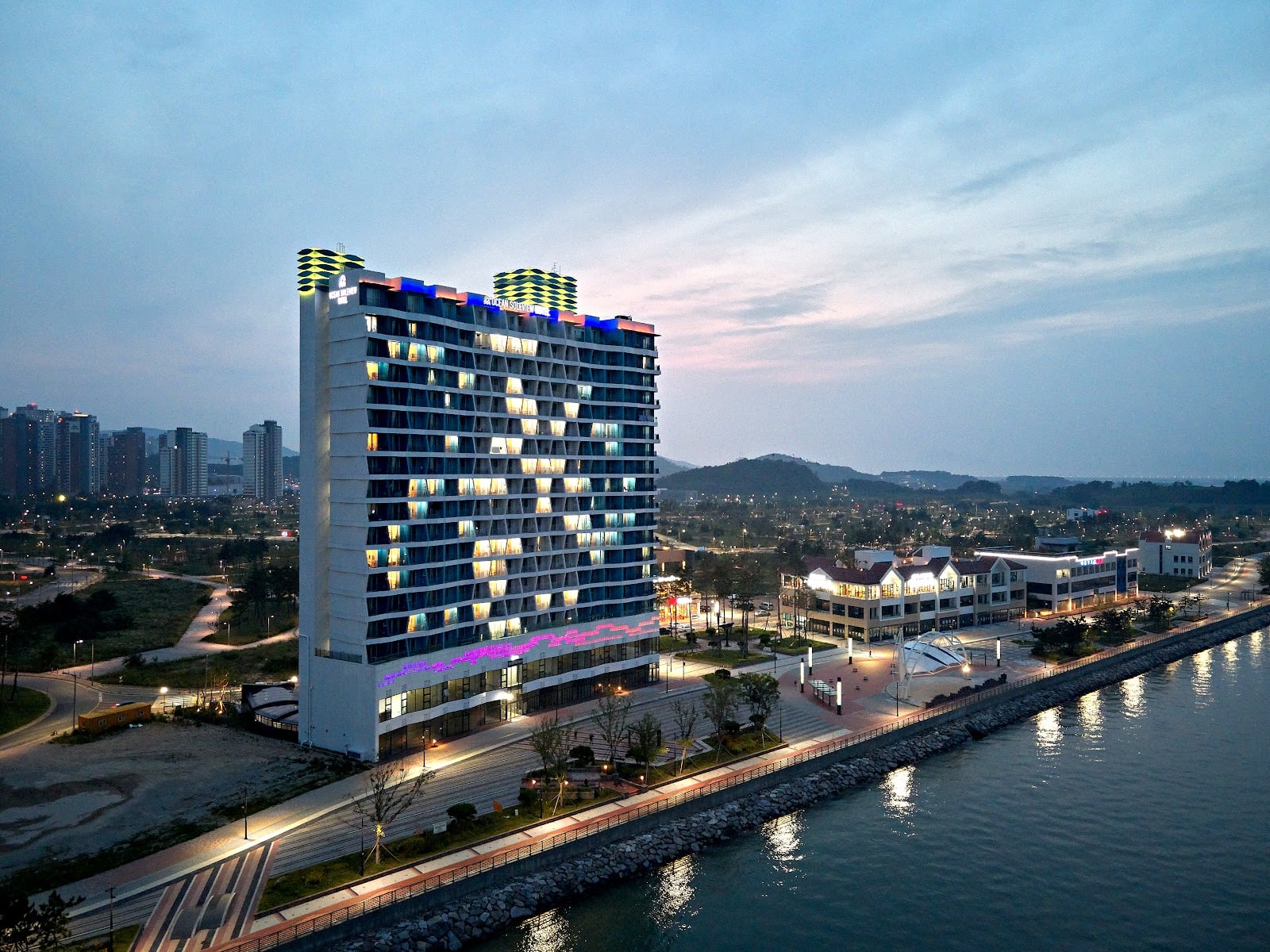
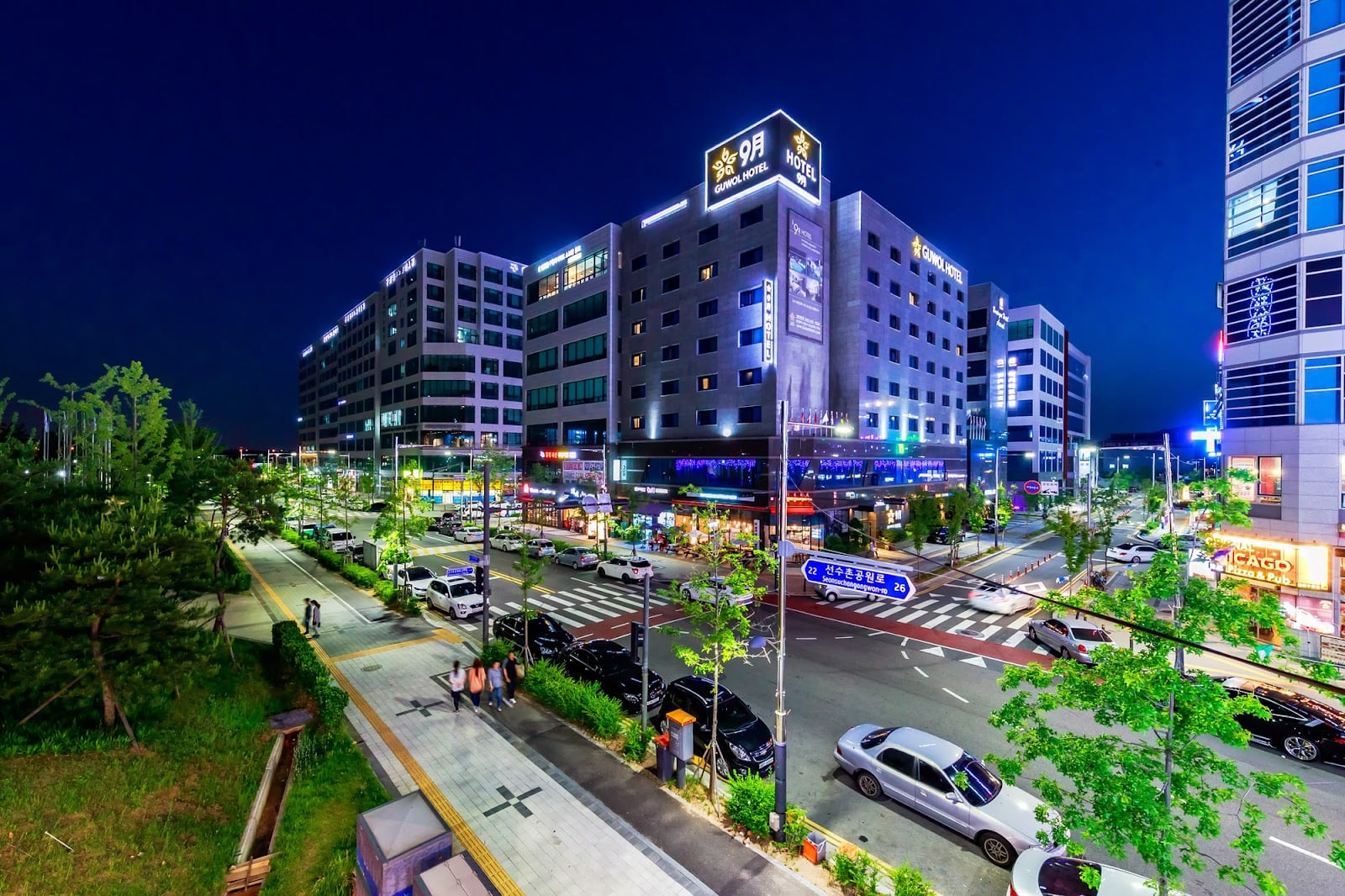
For accommodation, Incheon offers plenty of choice even though no property markets itself specifically to gay travellers. Clusters of hotels sit around Incheon International Airport and Yeongjong Island (handy for early flights), in the sleek Songdo district, and around the Guwol and Bupyeong downtown areas. LGBTQ+ guests are welcomed as a matter of course at mainstream hotels, and booking platforms make it easy to find comfortable, centrally located rooms.
Incheon is generally a safe city for LGBTQ+ travellers, and violent crime is rare. Public displays of affection between same-sex couples are less common than in Western cities and may draw glances in more conservative or residential areas, so a little discretion is sensible outside queer venues. Transgender and non-binary visitors may encounter more social scrutiny as understanding of gender diversity continues to develop in Korea, but overt hostility is unusual in everyday urban settings.
Getting Around
Getting around is easy: Incheon has an extensive subway, bus and light-rail network, and is linked to Seoul's metro system, so the capital's scene is a straightforward ride away. Incheon International Airport connects to the city and to Seoul by direct train, with the airport-to-central-Incheon journey taking roughly an hour. Taxis are affordable and plentiful; keeping venue names and addresses in Korean on your phone helps with drivers.
Beyond its LGBTQ+ life, Incheon rewards exploration. The historic Open Port district and Korea's largest Chinatown sit beside each other near Incheon Station, Songdo Central Park offers modern waterfront strolling, and Wolmido and the nearby islands are popular for seafood and sea air. Combined with the airport on the doorstep, Incheon makes an easy first or last stop on a wider Korean trip — with Seoul's full gay scene never more than an hour away.


 ゲイバー&クラブ