Bonn, the quiet riverside city that served as West Germany's capital from 1949 to 1999, is not a nightlife destination in the way Cologne or Berlin are. What it offers LGBTQ+ visitors instead is an easy-going, genuinely tolerant atmosphere, a compact and walkable centre, and a small queer community that runs on organisations and events rather than a strip of bars. If you set your expectations to "relaxed and local" rather than "big scene," Bonn is a pleasant and welcoming place.
HISTORY AND CONTEXT
Decades as the seat of the federal government left Bonn with a liberal, civil-service and university character that still shapes its politics. Same-sex marriage has been legal across Germany since 2017, anti-discrimination protections are strong, and acceptance in day-to-day life is high. Bonn never grew a visible "gay quarter," but queer life is woven unremarkably into the fabric of the city.
NEIGHBOURHOODS AND ORIENTATION
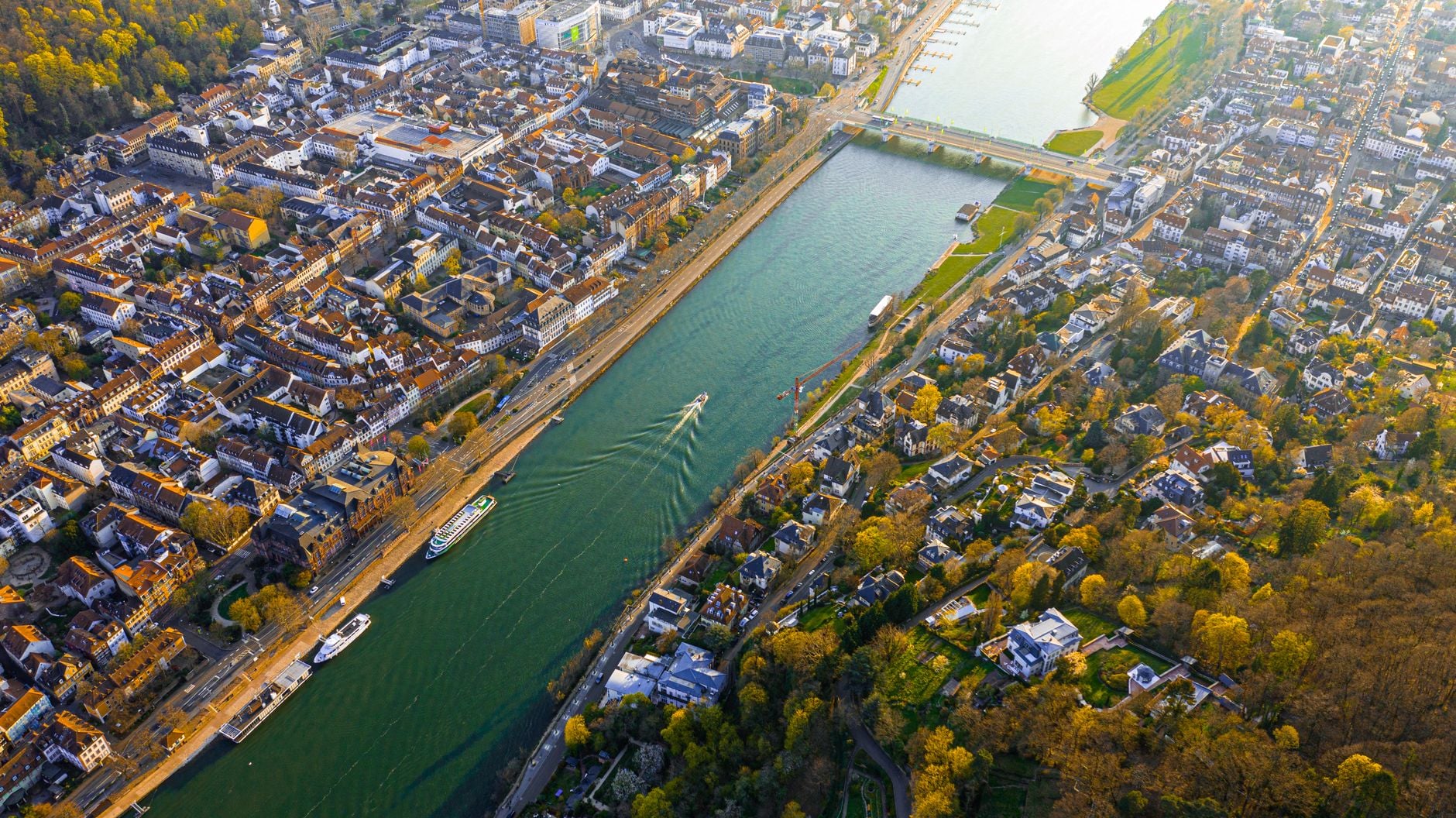
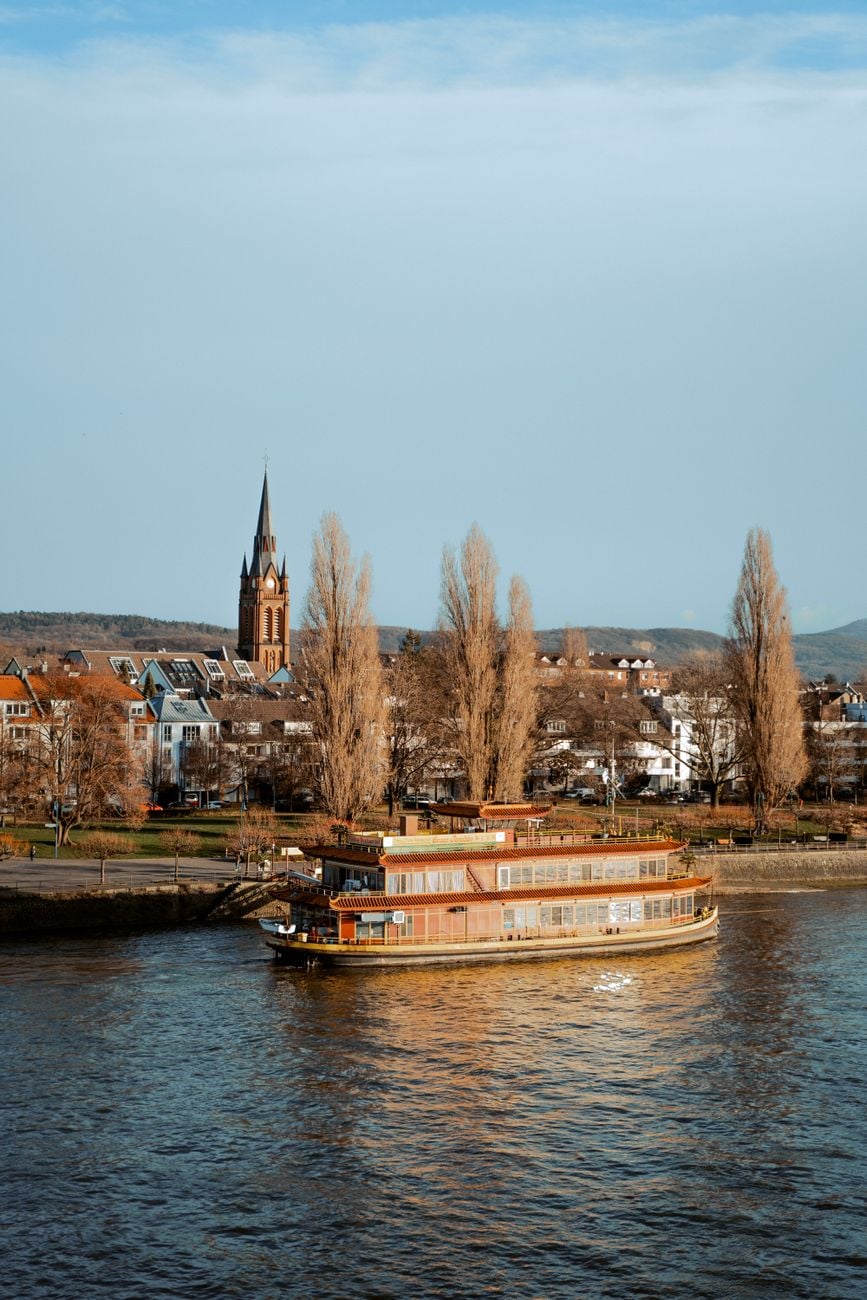
There is no gayborhood in Bonn. The welcoming venues and the queer organisations are mostly in the Altstadt and the central Zentrum, within a short walk of Münsterplatz, Münsterstraße and Josefstraße. The Südstadt, with its handsome Gründerzeit streets around the university, is the student-and-young-professional quarter and has plenty of easy-going cafés and bars. Along the Rheinufer, the riverside promenade and parks are popular for walks and beer gardens.
QUEER LIFE: ORGANISATIONS AND VENUES
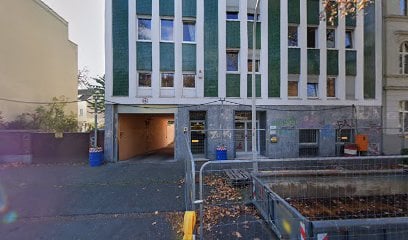
Bonn has no standalone gay bar today, so the real anchors of queer life are its community groups. r(h)einqueer Bonn e.V. is the main LGBTQ+ association and the organiser of the city's Christopher Street Day; it runs a monthly Stammtisch and regular social evenings from Graurheindorfer Straße 15, a building it shares with the AIDS-Initiative Bonn (AIB), the region's HIV and sexual-health organisation. GAP in Bonn (Gemeinsam Anders Punkt) is the municipal queer youth centre on Josefstraße, with a second location in Bad Godesberg and dedicated evenings for trans, non-binary and BIPoC young people. At the university, the AStA Queer-Referat organises queer student socials, game nights and readings.
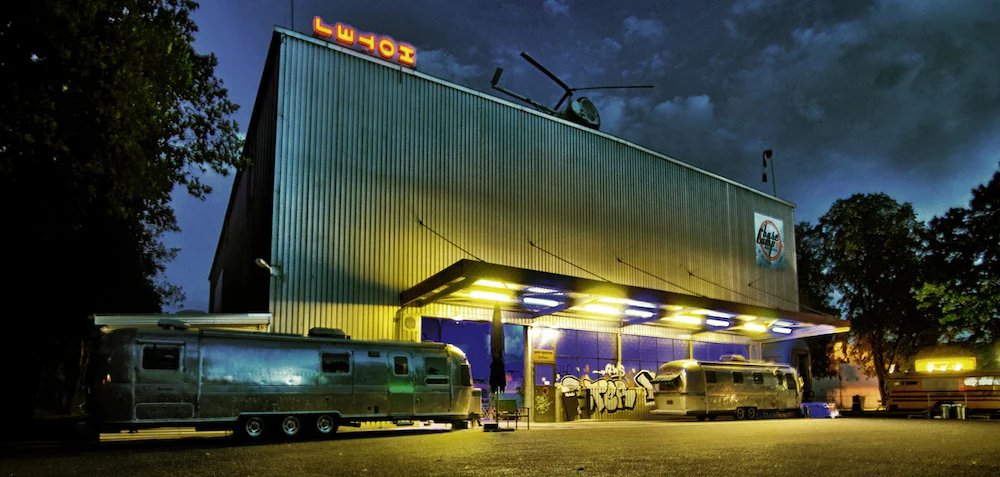
For a night out, the Blow Up Club on Sterntorbrücke is a long-running, queer-friendly retro music club spinning vinyl from the 1950s to the 1990s; it is mixed rather than exclusively gay, but it is one of the most relaxed places in town to dance. Bonn has no gay sauna of its own.
PRIDE: BEETHOVENS BUNTE
Bonn's Christopher Street Day, known locally as "Beethovens Bunte," is organised by r(h)einqueer and usually takes place in early August, with a street festival and a demonstration march on and around Münsterplatz. In 2026 it falls on Saturday 1 August. It is a cheerful, community-sized event — a few thousand people rather than Cologne's million — and all the more friendly for it.
CRUISING
Germany is LGBTQ-friendly and outdoor cruising is tolerated, though discreet. Bonn's best-known spot is the Dornheckensee, a wooded lake in Bonn-Ramersdorf near the A59, long listed in German cruising guides and busiest after dark. The Japanese Garden in the Rheinaue park on the Rhine is a quieter, late-evening meeting place. Both double as ordinary public parks by day; be discreet and mindful of other visitors.
The single most useful fact for a queer visitor to Bonn is that Cologne is only about 30 kilometres away and roughly 30 minutes by regional train or by Stadtbahn lines 16 and 18. Cologne has Germany's second-largest gay scene — dozens of bars around the Bermudadreieck/Rudolfplatz, clubs, the men's saunas Babylon and Phoenix, and one of Europe's biggest Pride celebrations in early July. Many Bonn residents simply hop on the train for a big night out.
GETTING AROUND
Bonn's public transport is run by SWB (Stadtwerke Bonn): a network of Stadtbahn light-rail lines and buses, integrated into the regional VRS fare system. The Stadtbahn lines 16, 18, 66 and 67 are the workhorses, and the 16, 18 and 66 continue up the Rhine to Cologne. Deutsche Bahn regional and long-distance trains call at Bonn Hauptbahnhof, a short walk from the Altstadt. The centre is compact and very bike-friendly.
SAFETY AND PRACTICALITIES
Bonn is among Germany's safest cities, and LGBTQ+ travellers should feel entirely comfortable; same-sex affection in public is unremarkable. The euro is the currency, card payments are widely accepted, and English is commonly spoken in hotels and among younger people, though a few words of German are always appreciated.
WHERE TO STAY
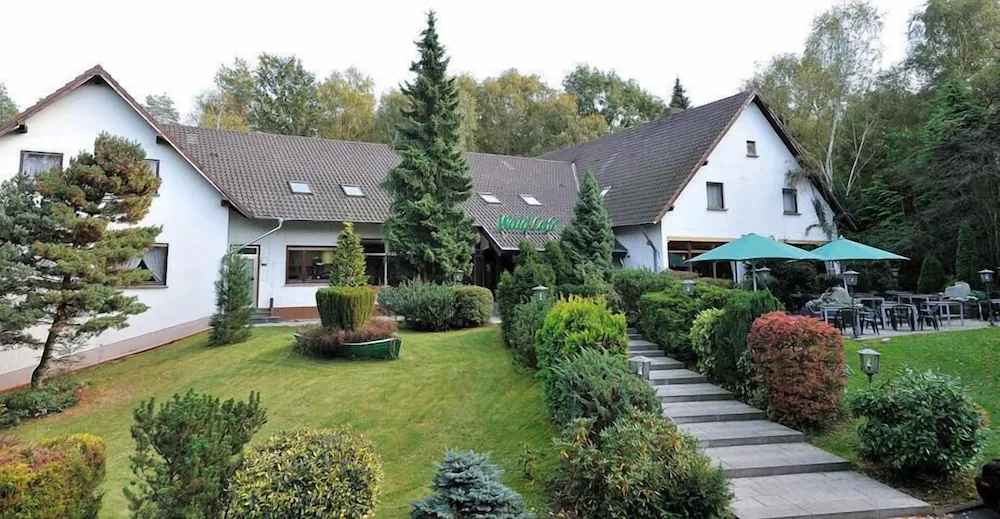
Bonn offers a solid range of hotels from boutique guesthouses in the Altstadt to mid-range chains near the Hauptbahnhof and the government quarter. Anywhere central puts you within walking distance of the Altstadt's cafés and the queer organisations, and a short Stadtbahn ride from Cologne. Book ahead around CSD in early August and during the city's larger conferences.
Bonn is a fine base for the Rhine. The Siebengebirge hills and the Drachenfels above Königswinter are a short trip south; the dramatic castle-and-vineyard stretch of the Middle Rhine begins just upstream; and Cologne, with its cathedral and its scene, is minutes away to the north.
IN SHORT
Bonn is a calm, cultured, thoroughly tolerant city rather than a party town. Come for the Rhine, the museums and the relaxed pace, plug into the local community through r(h)einqueer and the university, and keep Cologne in your back pocket for a bigger night.
よくある質問
Bonn doesn't have a dedicated gay quarter. The welcoming venues and the queer organisations cluster in the Altstadt and central Zentrum, around Münsterplatz, Münsterstraße and Josefstraße. For a larger scene, Cologne is about 30 minutes away by train or Stadtbahn.
No. Bonn has no large gay dance club. The queer-friendly Blow Up Club hosts a mixed retro crowd, and most queer life runs through community groups and events rather than big venues. For clubs and saunas, locals head to Cologne, roughly 30 minutes away.
Bonn's Christopher Street Day, known locally as "Beethovens Bunte," is organised by r(h)einqueer Bonn e.V. and usually takes place in early August, with a street festival and march on and around Münsterplatz. In 2026 it falls on Saturday 1 August. Cologne's much larger CSD is a short train ride away in early July.
Yes. Germany legalised same-sex marriage in 2017 and has broad anti-discrimination protections, and Bonn — a former federal capital and university city — is relaxed and safe for LGBTQ+ visitors. Same-sex affection in public is unremarkable.
The Altstadt and central Zentrum around Münsterplatz and Münsterstraße hold most of the LGBTQ+-friendly cafés and bars, including the queer-friendly Blow Up Club on Sterntorbrücke. The university Queer-Referat and r(h)einqueer also host regular social evenings.
Small, community-oriented and low-key. Rather than a commercial bar strip, Bonn's queer life is carried by organisations like r(h)einqueer, the GAP youth centre and the university Queer-Referat, plus the annual CSD. Many residents also enjoy Cologne's large scene nearby.




 フレンドリーなゲイバー&クラブ
(186)