Wiesbaden has quietly cultivated an LGBTQ+ community over decades, though it remains smaller and less internationally visible than Frankfurt or other major German cities. The city's queer scene developed organically within the Altstadt, the historic heart of the city, where community spaces, bars, and cultural venues gradually emerged. Germany's legal recognition of same-sex partnerships and broader LGBTQ+ rights have allowed the community to operate openly and integrate into mainstream city life. This integration means that while there are dedicated gay venues, LGBTQ+ people are visible and accepted across the city's cultural, dining, and entertainment landscape.
Neighborhoods and Layout
The Altstadt (Old Town) is the geographic and social center of Wiesbaden's LGBTQ+ scene. This compact, pedestrian-friendly district features narrow streets, half-timbered buildings, and a lively mix of restaurants, galleries, and bars. Langgasse is a key street within the Altstadt where several gay-friendly establishments are located. The area is easily navigable on foot and has an excellent sense of community; many venue owners and regulars know each other, creating an atmosphere where newcomers are warmly welcomed.
The Westend district, immediately west of the Altstadt, is a residential area popular with LGBTQ+ residents and offers apartment accommodations, cafes, and independent shops. The city center (Stadtmitte) extends from the Altstadt and includes Wilhelmstraße, a main shopping street with department stores and mainstream venues.
Key Venues and Bars
Wiesbaden's gay venues are concentrated in the Altstadt and nearby areas. While the scene is smaller than in major German cities, the bars and clubs that exist are well-established and beloved by the community.
The most recognizable gay bar in Wiesbaden is Café Lenz, located in the Altstadt on Langgasse. It functions as both a cafe during the day and a social hub in the evenings, serving as an informal gathering point for the community. The atmosphere is welcoming and relaxed, attracting a mixed-age clientele.
Additionally, several mainstream bars and clubs throughout the Altstadt and city center are known to be LGBTQ+-friendly and regularly host queer patrons. Wiesbaden's smaller size means that the distinction between "gay" and "straight" venues is less pronounced than in larger cities; queer people are integrated throughout the social scene.
For those seeking larger or more specialized nightlife experiences (dance clubs, circuit parties, larger Pride celebrations), Frankfurt is only 30 minutes away by train and has one of Germany's most robust gay scenes, including multiple large clubs, saunas, and a more extensive bar district.
Pride and Events
Christopher Street Day Wiesbaden (Wiesbaden CSD) is the city's major LGBTQ+ celebration, held annually in July. The event includes a Pride parade through the city center, street stages, vendor booths, performances, and parties. Over recent years, the celebration has grown in size and visibility, attracting participants from surrounding regions. The exact dates and programming vary by year, but the festival typically spans a weekend and has become a significant date on Germany's Pride calendar.
Beyond Pride, the LGBTQ+ community in Wiesbaden is active in cultural life. Theater performances, art exhibitions, film screenings, and cultural events frequently feature queer artists and themes, and mainstream cultural institutions like the Hessisches Staatstheater (Hessian State Theater) are LGBTQ+-inclusive.
Where to Stay
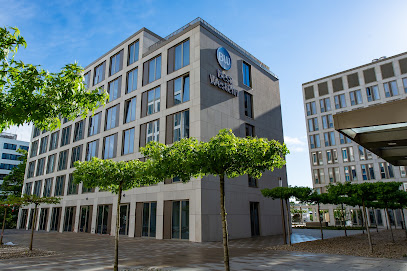
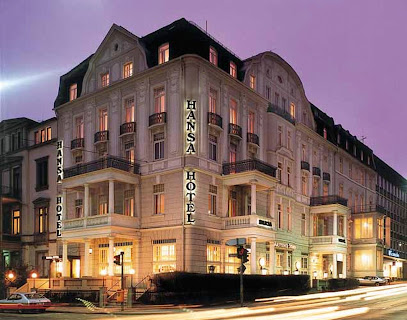
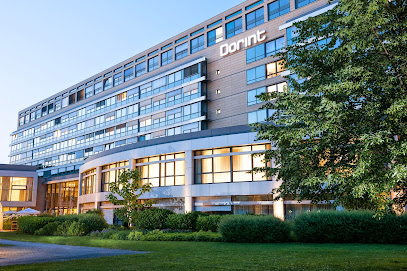
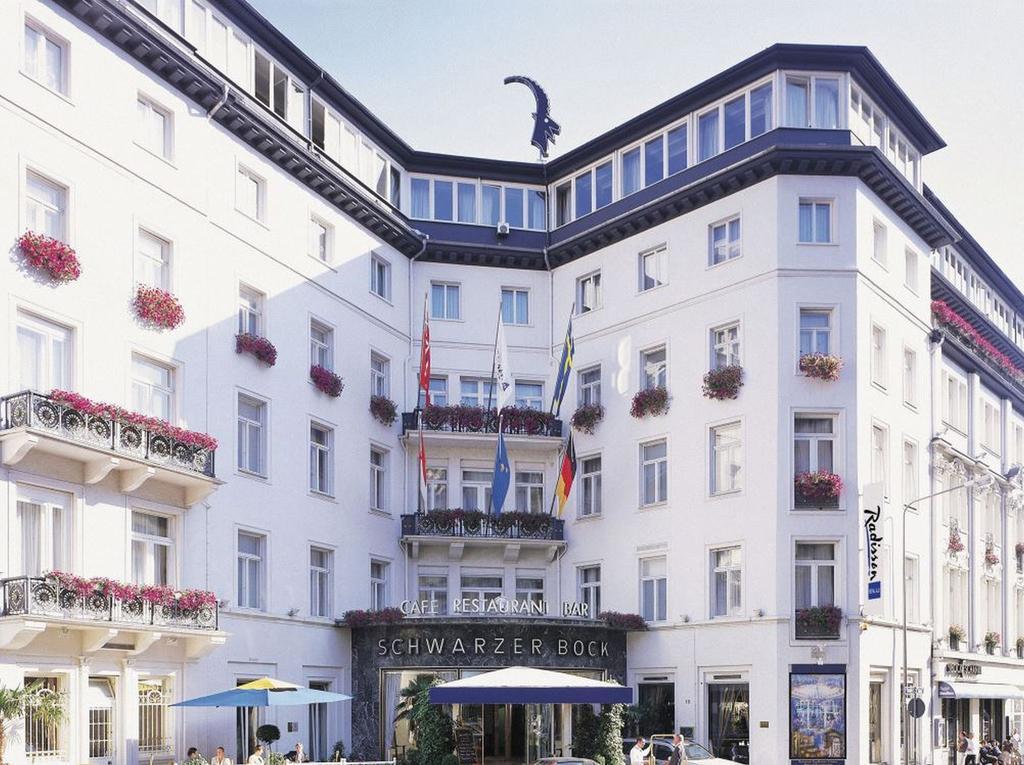
Wiesbaden offers a range of accommodations suitable for LGBTQ+ travelers. The Altstadt, while primarily commercial, has a few small hotels and guesthouses within or near the historic district, placing visitors in the heart of the scene. The Westend and surrounding residential neighborhoods offer more abundant options, including boutique hotels and bed-and-breakfasts. Several mainstream hotel chains are represented in the city center and are welcoming to LGBTQ+ guests; German hospitality standards are uniformly high across the country.
For those wanting to extend stays or seeking deeper community integration, residential apartments and vacation rentals are available through Airbnb and other platforms. Many LGBTQ+ property owners market their spaces as explicitly welcoming to queer travelers.
Germany is one of the safest and most LGBTQ+-friendly countries in the world. Wiesbaden is a safe city overall, and the LGBTQ+ community operates openly without significant threat. Legal protections exist under German anti-discrimination law and constitutional rights. Public displays of affection between same-sex couples are culturally acceptable and unremarkable in Wiesbaden. The city has a visible police presence and well-maintained public spaces. Travelers should take standard urban safety precautions (awareness of surroundings, securing valuables) as in any city, but there are no specific safety concerns related to LGBTQ+ identity.
Public Transportation
Wiesbaden has an excellent public transportation network operated by ESWE Verkehr. The system includes trams, buses, and regional trains connecting the city to surrounding areas including Frankfurt. The Altstadt is served by multiple tram lines (including lines 1, 2, 8, 9, 15, and 16), making it easily accessible from the main train station (Wiesbaden Hauptbahnhof). Single tickets and day passes are affordable. Travelers can purchase tickets from machines at stops or through the ESWE Verkehr app.
For trips to Frankfurt, regional trains (S-Bahn and regional services) depart frequently from Wiesbaden Hauptbahnhof and take 25-35 minutes depending on the service. This ease of connection makes Frankfurt's larger gay scene readily accessible for those seeking additional nightlife options.
Food and Dining
Wiesbaden's culinary scene reflects its position as a prosperous, cosmopolitan German city. The Altstadt is filled with restaurants and cafes ranging from traditional Hessian cuisine to international options. Apfelwein (apple wine) is a local specialty, and many traditional taverns in the Altstadt serve it alongside regional dishes.
For LGBTQ+ travelers, mainstream restaurants throughout the Altstadt and Westend are welcoming. The city also has vegetarian and vegan-friendly options, reflecting broader European dietary trends. Café culture is strong, with numerous cafes suitable for morning coffee or afternoon gatherings. Many cafe owners in the Altstadt are members of the LGBTQ+ community or allies, creating spaces where queer patrons feel comfortable.
Day Trips and Nearby Attractions
Wiesbaden is situated in a scenic region with numerous day trip possibilities. The Rhine Valley, with its vineyards, charming towns, and riverside paths, is accessible by train or boat. Rüdesheim, a picturesque wine town, is 20 minutes downriver. Mainz, another significant city with its own LGBTQ+ community and cultural attractions, is 15 minutes away by train.
Locally, Wiesbaden's thermal springs and spa culture are major attractions. The Kurhaus (spa house) is an iconic 19th-century building set in extensive gardens. The city's museums, including the Nassauisches Landesmuseum and the Museum Wiesbaden, offer art and local history. The city center is walkable, and the surrounding parks and vineyards provide outdoor recreation.
For those seeking a larger city experience, Frankfurt is easily reached and offers world-class museums, larger shopping districts, and a much more extensive gay scene with dedicated gay districts, larger clubs, and more specialized venues.
Who Wiesbaden is For
Wiesbaden appeals to LGBTQ+ travelers seeking an authentic German experience in a welcoming but smaller-scale setting. It suits those interested in cultural tourism, thermal spas, wine regions, and Rhine Valley scenery. Visitors who appreciate intimate community spaces over large-scale nightlife, or those traveling with extended family or friends of mixed orientations, will find Wiesbaden comfortable and inclusive. The city is also ideal for those using Germany as a broader travel base, as its train connections allow for easy exploration of the wider region, including Frankfurt's larger gay scene.





 フレンドリーなLGBTQ+フレンドリーなホテル
(928)