Cali, officially Santiago de Cali and the capital of the Valle del Cauca department in southwestern Colombia, is the country's third-largest city and its undisputed salsa capital. It also has one of Colombia's most relaxed and expressive LGBTQ+ scenes, shaped by the same music-and-dance culture that defines the city. Colombia's legal framework is among the most progressive in Latin America: same-sex marriage has been legal nationwide since 2016, alongside adoption rights and anti-discrimination protections, and that openness is visible in Cali's nightlife and civic life.
The heart of Cali's gay nightlife is the Granada district and the adjoining Avenida 6 Norte and San Vicente corridor, just north of the Rio Cali. This is where the city's established gay venues cluster within a few walkable blocks: the drag-and-cabaret venue Regia Bar, the gay disco Amaranta Bar y Disco, the long-running Charles Bar a little to the east in San Vicente, and the cruising-friendly Black and White Cats. Granada by day is an upscale dining and cafe zone, so the gay venues sit mixed in with mainstream nightlife rather than forming a single strip. A short ride away, the bohemian hillside neighbourhood of San Antonio, with its colonial streets, viewpoints and the Loma de la Cruz, is the city's historic queer meeting ground and home to inclusive salsa institutions such as La Topa Tolondra, though it is gay-friendly rather than exclusively gay.
Cali also has a genuine bathhouse scene, unusual for a Colombian city of its size. The flagship is Phisicus 21, a multi-floor gay sauna in Granada with a pool, dry and steam rooms and a dark maze; Metropolis Club de Hombres operates in the north near Versalles and El Piloto; and Cali Club, in La Alameda, pairs sauna facilities with a small dance floor. These are men-only cruise venues, busiest in the afternoon and on weekends.
Most venues come alive Thursday through Sunday, with Friday and Saturday the peak nights. Expect salsa, reggaeton and Latin pop alongside international and electronic sets, and the warm, mixed crowds, gay men, lesbians and allies together, that are typical of Colombian gay culture. Dress is casual-chic, the legal drinking age is 18, and venues do check ID.
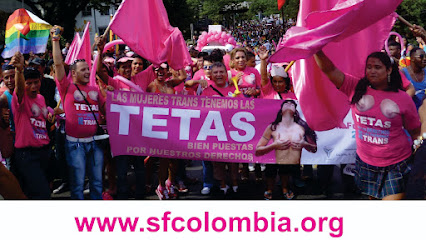
Cali's main LGBTQ+ event is the Marcha del Orgullo LGBTIQ+ de Cali, held in late June; the 2025 edition set out from the Plazoleta Jairo Varela and marched roughly 5 km through the centre to the Canchas Panamericanas. June also brings the Mes de la Diversidad, with cabaret, theatre and drag programming at the Teatro Municipal Enrique Buenaventura. The community is anchored by strong local organisations, notably Santamaria Fundacion, a trans-led human-rights foundation with more than two decades of work across the southwest, and the municipal Casa de la Diversidad (Cali Diversidad) in the Juanambu neighbourhood, which offers support and a safe gathering space.
Where to Stay
Accommodation clusters in Granada, San Antonio and El Penon, from salsa-school hostels to the Radisson-affiliated Faranda Collection and the high-rise Hotel Torre de Cali. Granada is the most convenient base for nightlife; San Antonio suits travellers who want character and cafes.
Cali has real crime challenges, concentrated well away from the tourist and nightlife districts. Granada, San Antonio and the central zones generally have a visible police presence and are reasonably safe with normal precautions. Use registered taxis or ride-hailing apps such as Uber, inDrive or Cabify at night rather than walking long distances, keep valuables out of sight, and favour travelling in company late at night. Society here is a little more conservative than in Bogota or Medellin, so discretion is sensible outside venues.
Getting around is easiest by taxi or ride-hailing app; the MIO bus rapid-transit system covers the city but is confusing for visitors, while the centre, including Granada and San Antonio, is walkable. Cali runs on Colombia Standard Time (UTC-5), is warm year-round, and Spanish is essential, as English is less widespread than in other big Colombian cities. The currency is the Colombian peso, with ATMs in all tourist areas.
Pacific-influenced cooking, ceviche, grilled fish, patacones and excellent local coffee, is a highlight, with plenty of options in Granada and San Antonio. Day trips include the Cristo Rey statue above the city, the sugar-cane valley and haciendas around Palmira, and, with more time, the Pacific coast via organised tours. For travellers seeking a less commercialised, warmly welcoming LGBTQ+ experience in South America, Cali offers real bars and bathhouses, a growing Pride, salsa everywhere, and a community proud of Colombia's progressive turn.
カリのゲイナイトライフは、カリ川からすぐ北にあるグラナダ地区と、それに隣接するアベニダ6ノルテおよびサン・ビセンテの回廊に集中しています。このエリアには主要なゲイバーやディスコのAmaranta、そしていくつかのサウナがあります。ボヘミアンな雰囲気が漂うサン・アントニオ地区は、Loma de la Cruzを擁し、歴史的なクィアの集いの場として知られており、La Topa Tolondraのようなインクルーシブなサルサ会場も点在しています。
カリのLGBTQ+ナイトライフは、サルサ、レゲエトン、ラテンポップを中心に展開しています。グラナダ地区には、ゲイバーやディスコ「Amaranta Bar y Disco」、ドラッグバー「Regia」、そしてクルージングに友好的な「Black and White Cats」があります。近隣のサン・ビセンテ地区には「Charles Bar」もあります。また、市内には3つのゲイサウナ、「Phisicus 21」、「Metropolis」、「Cali Club」が点在しています。
カリの主要なプライドイベント「Marcha del Orgullo LGBTIQ+ de Cali」は、6月下旬に開催されます。2025年の回は、6月29日日曜日にPlazoleta Jairo Varelaを出発し、市内中心部を通ってCanchas Panamericanasまで行進しました。6月はまた「Mes de la Diversidad」(多様性の月)でもあり、Teatro Municipal Enrique Buenaventuraではキャバレー、演劇、ドラッグショーが催されます。





 ゲイバー&クラブ
おすすめ
(330)