Уведомление о безопасности для ЛГБТК+ — ВЫСОКИЙ РИСК
Сексуальные отношения между лицами одного пола криминализированы — необходима осмотрительность
Местный закон: Article 489 of the Penal Code criminalises 'lewd or unnatural acts' between people of the same sex — up to 3 years' imprisonment and a fine. Enforced; convictions and dating-app entrapment documented.
Рекомендации по безопасности для посетителей →
Не раскрывайте свою ориентацию персоналу отеля, водителям или гидам.
Избегайте любых публичных проявлений чувств.
Do not use LGBTQ+ dating apps — полицейские облавы через приложения задокументированы. Если вам необходимо, установите VPN до прибытия.
Избегайте провоза ЛГБТК+ идентификаторов (флагов, книг, скриншотов) в багаже.
При поиске телефонов в аэропортах могут проводиться проверки на ЛГБТК+-контент — удалите конфиденциальные чаты/фотографии перед пересечением границы.
Если вы путешествуете с партнером того же пола, представляйтесь как «друзья» или «коллеги»; для безопасности бронируйте отдельные номера в отеле.
Используйте Signal или Wire для конфиденциальных сообщений — не WhatsApp.
Держите наличные на экстренный случай (доллары США/евро) и две отдельные платежные карты.
Остановитесь в отелях международных сетей (Hilton, Marriott, Hyatt) — они редко задают вопросы о ваших гостях.
По прибытии зарегистрируйтесь в своем посольстве — консульская помощь может быть ограничена.
Делитесь ежедневными новостями с кем-то, кому вы доверяете за границей.
Объявления на этой странице предоставлены для снижения рисков и принятия информированных решений о поездках — они не являются рекомендацией к посещению.
🆘 Куда обращаться в случае неприятностей →
Глобальные экстренные ресурсы (всегда доступны):
Rainbow Railroad — экстренное переселение для ЛГБТК+ людей, сталкивающихся с преследованиями. Конфиденциальная анкета.
OutRight International — глобальная правозащитная деятельность ЛГБТК+ и экстренная помощь.
ILGA World — глобальная карта правового статуса и региональные контакты.
UNHCR — статус беженца в случае преследования; ЛГБТК+ является признанным основанием для защиты.
Если задержан: Не подписывайте никаких документов, которые вы не понимаете.. Немедленно обратитесь в свое посольство и к юристу. Не соглашайтесь на обыск телефона без юридической консультации.
Marrakech's LGBTQ+ landscape differs from Western destinations. While same-sex relations are decriminalized, same-sex marriage is illegal, and public displays of affection can attract attention. Despite these legal aspects, a queer culture exists, influenced by tourism, expatriates, and progressive locals.
LGBTQ+-friendly venues are not concentrated in a single district. Instead, they are found throughout the Ville Nouvelle, particularly around Avenue Mohammed V and the Gueliz area, which offers modern establishments with welcoming attitudes. This part of the city is walkable and generally safe.
Where to Stay
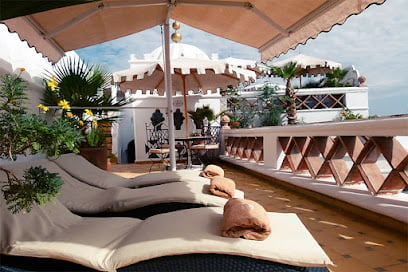
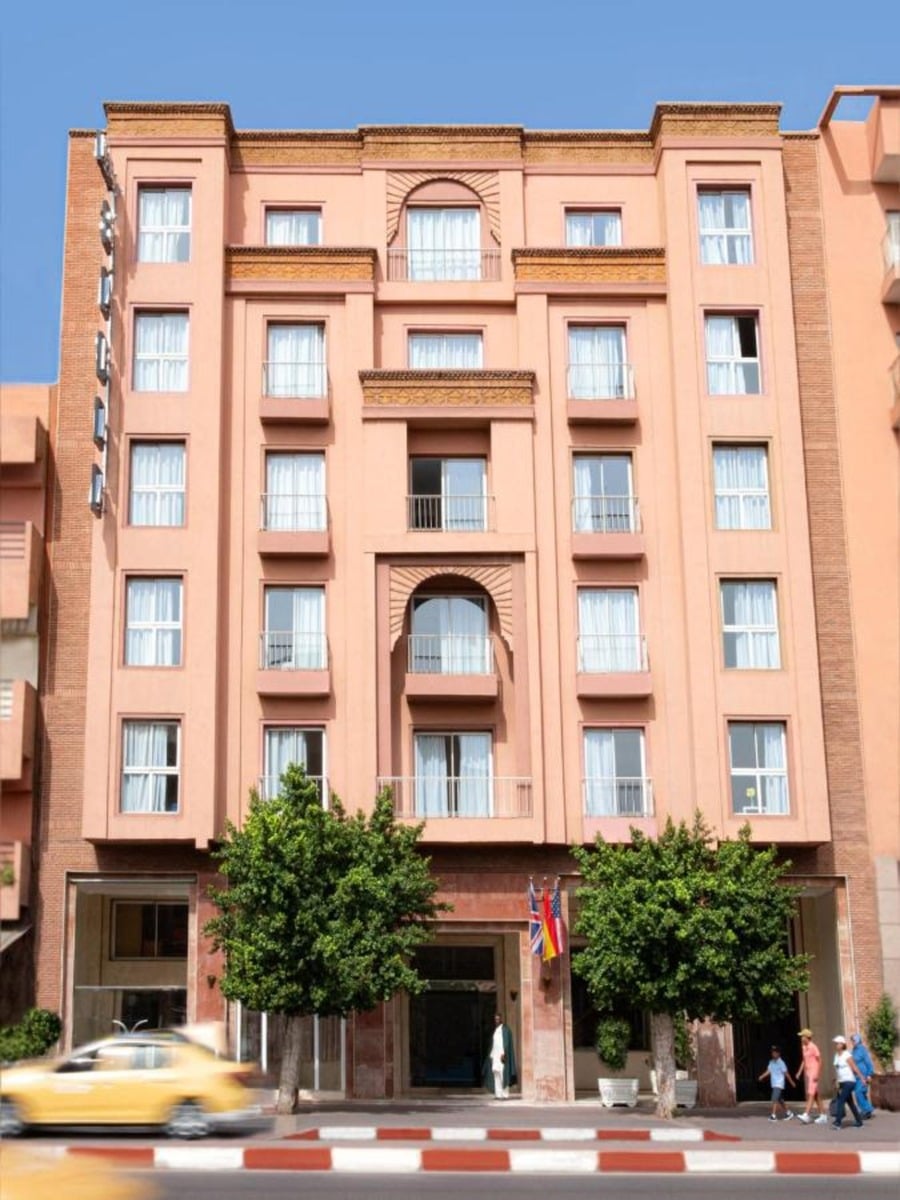
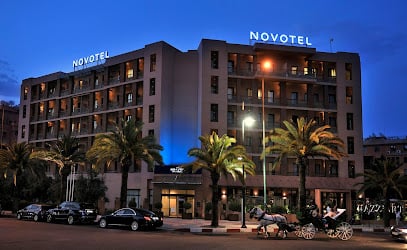
Accommodation is a key consideration. Some riads specifically cater to LGBTQ+ travelers, offering privacy and a sense of community. Properties like Riad Karmela and Riad Dar Anika market themselves to queer guests. Many upscale riads, while not exclusively queer-focused, maintain a discreet and welcoming atmosphere for a diverse international clientele. Booking through platforms that highlight LGBTQ+ ownership or certifications can help identify suitable establishments.
Nightlife in Marrakech is more integrated than in Western cities. Dedicated gay bars are uncommon due to legal restrictions. Instead, LGBTQ+ social life often occurs in upscale hotels and private events coordinated through hospitality networks and word-of-mouth. Hotels such as La Mamounia and Royal Mansour sometimes host events that attract LGBTQ+ patrons. Alcohol is available in tourist-oriented venues, though it is a culturally sensitive aspect in this majority-Muslim country.
Dating apps are functional in Marrakech, but users should be aware that local users may face significant personal risks and often seek discretion. Travelers should approach interactions with this understanding.
Marrakech does not host a large-scale Pride festival. However, the city attracts LGBTQ+ travelers throughout the year. Some riads and tour operators organize LGBTQ+-focused travel weeks during shoulder seasons, though these are informal and not widely publicized.
Marrakech Menara Airport serves the city. Within Marrakech, official petit taxis or ride-sharing services are recommended for travel. Walking within the medina is possible but can be disorienting for first-time visitors. Hiring a local guide through a riad or tour operator can provide context and enhance security.
Marrakech is generally safe for tourists in its designated areas. The medina's narrow streets can be crowded, and navigating them alone, especially at night, may be challenging. Public displays of affection between same-sex couples may draw attention; many travelers opt for minimal physical affection in public. It is advisable to respect local customs, dress modestly, particularly in the medina, and avoid discussing sexual orientation with strangers. Keeping emergency contacts and embassy information accessible is recommended.
Marrakech offers a rich culinary scene. Restaurants like Dar Moha and Foundouk serve refined Moroccan cuisine. The medina's souks provide traditional dishes, while establishments like Atlas Kasbah cater to international tastes. Cafés offer coffee and light meals. Moroccan mint tea is a central part of social life.
Attractions include the Majorelle Garden, known for its striking blue architecture and botanical collections. Architectural heritage can be explored at the Saadian Tombs, Koutoubia Mosque (exterior view), and Bahia Palace. The Berber Museum and contemporary art galleries are also points of interest.
Day trips from Marrakech include the Atlas Mountains for trekking and village visits, and the coastal town of Essaouira, which has a more progressive atmosphere and a beach scene. Lake Lalla Takerkoust offers scenic countryside. These excursions are best arranged through established tour operators.
The ideal time to visit is from October to April, with temperatures ranging from 18-25°C. May to September can be very hot. Ramadan, which varies annually, impacts dining hours and the general atmosphere; non-Muslims should be mindful and discreet regarding eating and drinking during fasting hours.
The currency is the Moroccan dirham (MAD), with ATMs widely available. French and Arabic are the main languages, with English spoken in tourist areas. Travel insurance is advisable. International SIM cards and mobile data are readily available.
Marrakech offers an experience focused on authenticity and cultural immersion rather than conventional gay tourism. Its hospitality, landscapes, history, and discreet queer community contribute to its appeal for LGBTQ+ travelers.
Часто задаваемые вопросы
Marrakech is a complex destination. While Morocco's laws criminalize same-sex relations, enforcement is inconsistent and rare in tourist areas. Discretion is essential, and public displays of affection between same-sex couples are not recommended.
The Gueliz district is Marrakech's modern quarter and has a more liberal environment due to its cosmopolitan atmosphere. Streets like Avenue Mohammed V have cafes where mixed groups and LGBTQ+ individuals socialize openly without incident. The Medina is more conservative, though tourist-oriented areas can be more relaxed.
Marrakech lacks explicit gay bars and clubs like those found in major Western cities. The LGBTQ+ scene is more discreet and integrated into general nightlife and social venues.
Morocco's penal code technically prohibits same-sex relations, with potential penalties of up to three years imprisonment. However, enforcement is inconsistent and rare in practice, especially in tourist areas.
Moroccan culture is deeply rooted in Islam, and traditional values around gender and sexuality remain strong. While most Moroccans are not hostile to LGBTQ+ people, it's important to exercise common sense, avoid overt displays, and be respectful of local culture.
While there are no explicit gay venues, some establishments in Gueliz cater to LGBTQ+ clientele. Certain areas in the Medina, particularly those catering to tourists, and some hammams can function as discreet social spaces.
Настройки приватности.
Мы используем файлы cookie, чтобы обеспечить работу GayOut и, с вашего согласия, измерять использование. Подробнее
Настройки приватности
Мы используем куки, чтобы сайт работал, запоминал ваши настройки и (с вашего согласия) собирал статистику использования. Вы можете принять всё, отклонить или выбрать сами. Подробнее
Необходимые
Нужны для входа, защиты от мошенничества, защиты CSRF и сохранения языка. Отключить нельзя.
Всегда включено
Запоминают избранное, тёмный режим и другие настройки интерфейса между визитами.
Помогают нам понять, какие страницы посещают (Google Analytics, серверная статистика), чтобы мы могли улучшать сайт.
Используются пикселями отслеживания рекламы. Сейчас не активны, оставлены на будущее.
Установить GayOut
Добавьте GayOut на главный экран — быстрый доступ, избранное офлайн и анонсы Прайдов.


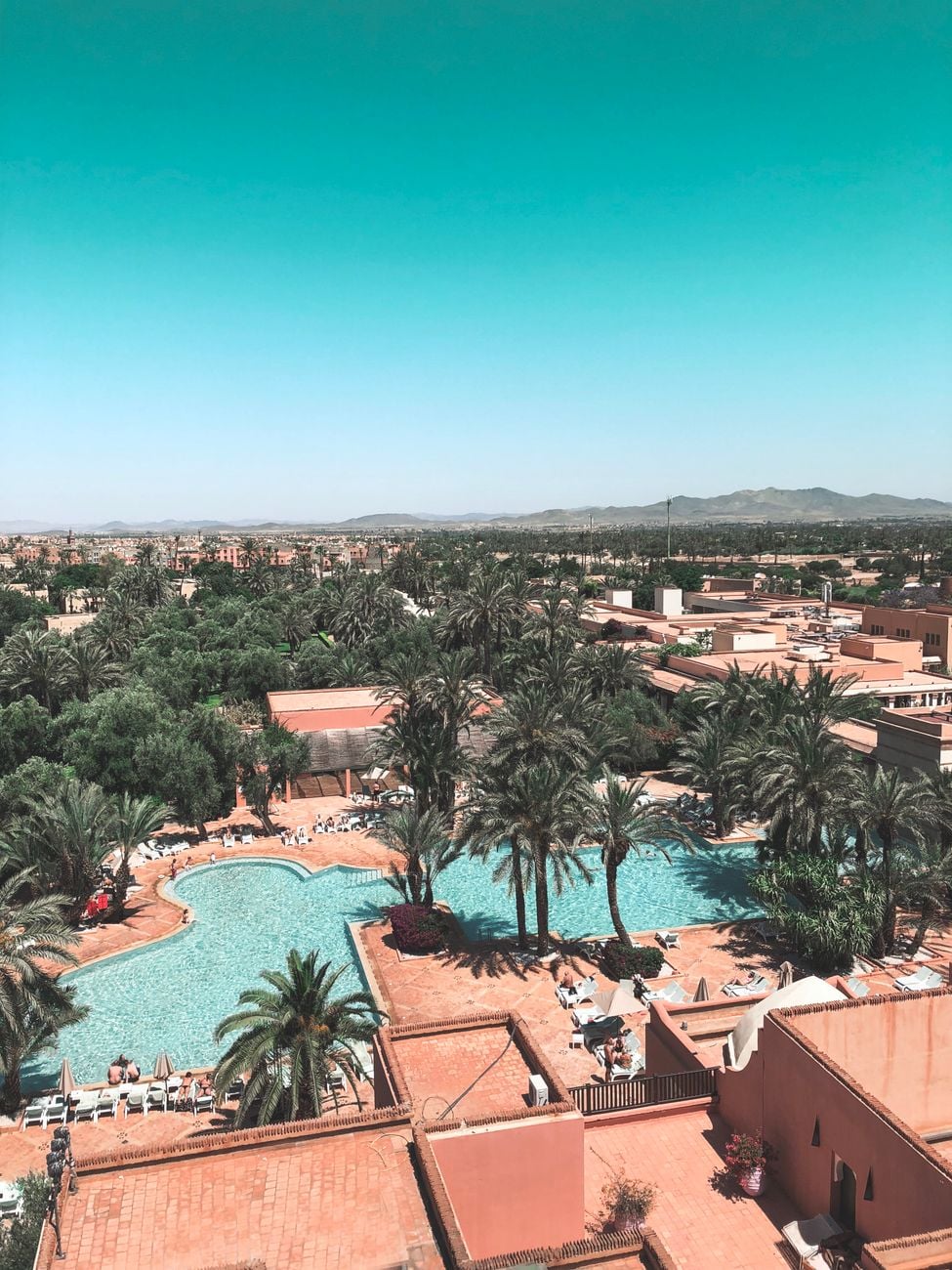 Гей-френдли отель