Same-sex activity is criminalised — discretion essential
Local law: Article 489 of the Penal Code criminalises 'lewd or unnatural acts' between people of the same sex — up to 3 years' imprisonment and a fine. Enforced; convictions and dating-app entrapment documented.
Safety guidance for visitors →
Do not disclose your orientation to hotel staff, drivers, or guides.
Avoid public displays of affection of any kind.
Do not use LGBTQ+ dating apps — police entrapment via apps is documented. If you must, install a VPN before arrival.
Avoid carrying LGBTQ+ identifiers (flags, books, screenshots) in luggage.
Phone searches at airports can include checks for LGBTQ+ content — delete sensitive chats/photos before crossing borders.
If travelling with a same-sex partner, present yourselves as "friends" or "colleagues"; book separate hotel rooms for safety.
Use Signal or Wire for sensitive messaging — not WhatsApp.
Keep emergency cash (USD/EUR) and two separate payment cards.
Stay at international-chain hotels (Hilton, Marriott, Hyatt) — they rarely interrogate guest arrangements.
Register with your embassy on arrival — consular help may be limited.
Share a daily check-in with someone trusted abroad.
Listings on this page are provided for harm reduction and informed travel decisions — not a recommendation to visit.
🆘 Who to contact if in trouble →
Global emergency resources (always available):
Rainbow Railroad — emergency relocation for LGBTQ+ people facing persecution. Confidential intake form.
If detained: do not sign any document you do not understand. Request your embassy and a lawyer immediately. Do not consent to phone searches without legal advice.
Casablanca, home to over 3.3 million people, stands as Morocco's primary economic and cultural center and its most cosmopolitan city. For LGBTQ+ travelers, it represents the country's most progressive destination, though visitors should calibrate expectations accordingly. While same-sex relationships remain technically illegal under Moroccan law (Article 489 of the penal code), enforcement in Casablanca is inconsistent, and the city's international character has fostered a more tolerant social environment than elsewhere in the country.
HISTORY OF CASABLANCA'S LGBTQ+ SCENE
Morocco's LGBTQ+ history is complex. Colonial-era legal codes criminalizing same-sex relations remain on the books, yet urban centers like Casablanca have long hosted discreet gay communities. The past two decades have seen gradual shifts: the 2006 founding of the first LGBT advocacy organization (later restricted), increased visibility of LGBTQ+ Moroccans online and in diaspora communities, and growing cultural productions addressing LGBTQ+ themes. Casablanca's scene remains largely underground and operates through social networks and digital platforms rather than public institutions, but this reflects pragmatism rather than absence.
NEIGHBORHOODS AND WHERE TO GO
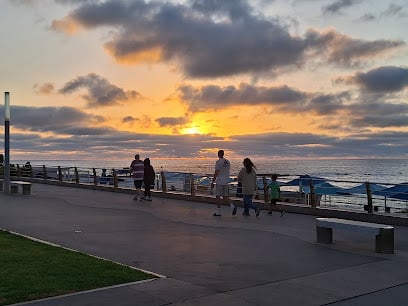
The Corniche (Ain Diab waterfront) is Casablanca's most cosmopolitan area, lined with restaurants, cafés, and upscale hotels. It attracts a diverse crowd and maintains a relaxed, European-influenced atmosphere. Many international visitors and younger Moroccans gravitate here, making it the safest area for LGBTQ+ travelers to be openly present. Major hotels like the Fairmont Royal Palm and Sofitel La Tour have become informal meeting points for international LGBTQ+ guests.
The Ville Nouvelle (New City) downtown, developed during the French protectorate, centers around Boulevard Mohammed V and Place United Nations. This area contains restaurants, cafés, and cultural institutions with a younger, more diverse demographic. While not exclusively LGBTQ+, it's where much social mixing occurs.
The Medina (old city) is primarily for cultural exploration rather than LGBTQ+ socializing. Though historically diverse and complex in its own right, it's family-oriented and conservative. Visitors should dress modestly and be respectful.
VENUES AND NIGHTLIFE
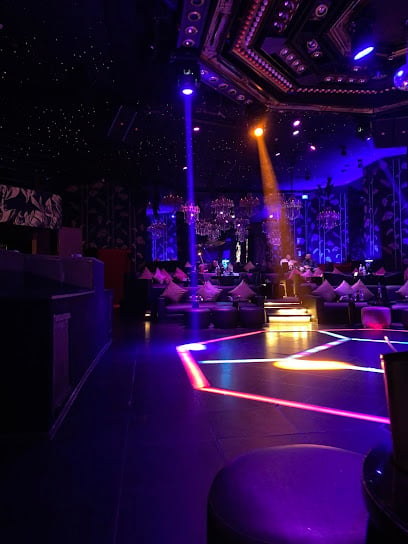
Casablanca's gay scene operates differently than Western cities. Rather than licensed gay bars or clubs, the scene revolves around hotel bars, underground parties, private gatherings, and digital coordination. This reflects local legal realities and social norms, not lack of community.
Hotel bars in establishments like the Sofitel La Tour, Fairmont Royal Palm, and Hyatt Regency attract international guests and cosmopolitan locals and serve as de facto social spaces. These venues are safe because they cater to international clientele and maintain professional standards.
Private underground parties and gatherings are organized through apps like Grindr, Hornet, and WhatsApp. LGBTQ+ travelers should connect through these networks upon arrival to learn about current venues and events. Local LGBTQ+ residents often organize private soirées in apartments or private clubs.
The app-based scene is the primary way LGBTQ+ life operates in Casablanca. Grindr and Hornet have substantial active user bases, and connections made through these platforms often lead to invitations to gatherings, bars, and social events.
While sex work and cruising areas exist, they typically involve risks around police harassment and safety that independent travelers should avoid.
Casablanca has no official Pride festival. Morocco's LGBTQ+ advocacy organizations occasionally organize events, but these are typically private forums or quiet observances rather than public celebrations. International Day Against Homophobia (May 17) occasionally sees private gatherings organized by advocacy groups.
Visitors seeking visible LGBTQ+ celebrations should consider traveling to Marrakech, which occasionally hosts underground parties, or planning travels during LGBTQ+ months abroad. Many Moroccan LGBTQ+ people celebrate Pride abroad, particularly in Spain or France, which are relatively close.
WHERE TO STAY
International chain hotels (Fairmont, Sofitel, Hyatt, Marriott) welcome LGBTQ+ guests and are LGBTQ+-friendly by international standards. Staff are professional and discreet. These hotels' bars and public spaces naturally attract diverse clientele.
The Corniche location is advisable for comfort and ease of access to cosmopolitan spaces. Hotels in this area include the Fairmont Royal Palm, Sofitel La Tour, and Hyatt Regency Casablanca.
Souktel Casablanca and other mid-range hotels in the Ville Nouvelle offer good value, though amenities and attitudes vary. International recognition helps; chain affiliates are typically safer choices.
Riad accommodations in the medina offer authentic atmosphere but are typically run by conservative families. Unless specifically recommended by trusted LGBTQ+ sources, riads are best for non-LGBTQ+ travelers.
Casablanca is generally safer than many global cities, with low violent crime against tourists. However, LGBTQ+-specific safety requires nuance:
Legal Status: Same-sex relations are technically illegal. Police enforcement is inconsistent and often selective, targeting sex workers or public displays more than consensual adults. However, the legal risk exists.
Social Attitudes: Moroccan society remains predominantly conservative and religious. Public displays of affection between same-sex couples will attract attention and may prompt hostile reactions. Discretion is essential.
Police: Police corruption and harassment occur, particularly in undercover or cruising contexts. Street prostitution and public sexual activity carry risks. Using apps to meet people in safe venues (hotels, restaurants, private spaces) is vastly safer than street-based approaches.
Scams and Safety: Like any major city, Casablanca has petty theft, overcharging, and scams. Meeting people from apps should follow standard safety practices: tell someone where you're going, meet in public first, avoid sharing detailed personal information early.
Practical Safety Advice: Keep a low profile with public displays of affection. Dress modestly outside tourist areas. Don't carry large amounts of cash. Use official taxis or apps like Uber/Careem rather than hailing cabs. Register with your embassy if traveling solo. Connect with established LGBTQ+ communities through apps—local residents understand nuances and can guide visitors safely.
TRANSPORT
Casablanca has an efficient, modern tram system (Tramway) connecting the Corniche, Ville Nouvelle, and medina areas. Trams are safe and inexpensive. Buses (ALSA) also cover the city.
Taxis (petit taxis) are inexpensive but unmetered; negotiate fares before entering or use ride-sharing apps. Uber and Careem (now acquired by Uber) operate reliably in Casablanca.
Renting a car is unnecessary in the city but useful for day trips. International driving permits are recognized.
Airport Transfer: Menara Marrakech International Airport (CMN) is 33 km south. Grand Taxi (shared minibus) services run fixed routes cheaply. Uber and official taxis are more reliable.
Walking: The Corniche and Ville Nouvelle are walkable. The medina is a maze but navigable with a map or local guide. Walking alone as a visibly LGBTQ+-presenting person may attract attention; dress conservatively.
FOOD AND DINING
Casablanca's food scene rivals any major Mediterranean city. The Corniche hosts upscale seafood restaurants with ocean views. Boulevard Mohammed V has diverse dining options ranging from street food to Michelin-trained chefs.
Moroccan Cuisine: Tagines (slow-cooked meat and vegetable stews), couscous, grilled fish, and pastries are staples. Restaurants throughout the city serve authentic preparations.
Sea Food: The Atlantic coast ensures fresh fish and seafood. Beachfront restaurants on the Corniche prepare grilled fish, shrimp, and calamari excellently.
Café Culture: Casablanca has adopted European-style café culture. Coffee (café noir or café au lait) is social, inexpensive, and a venue for daytime socializing.
Alcohol: Morocco is Muslim-majority, but alcohol is legal and available. Bars and restaurants serve wine, beer, and spirits. Hotel bars are the most comfortable spaces for LGBTQ+ travelers to drink socially.
DAY TRIPS AND EXCURSIONS
Marrakech (240 km south, 3 hours by train or car): Morocco's most tourist-friendly city, known for the Medina, Jemaa el-Fnaa square, and gardens. While also conservative socially, Marrakech's tourism infrastructure is highly developed. Some underground LGBTQ+ venues operate discreetly. The journey itself is scenic.
Rabat (90 km north, 1 hour by train): Morocco's capital, with the Hassan II Mosque, Kasbah of the Udayas, and coastal charm. Less touristy than Casablanca, more conservative. Worth a day trip for culture but not an LGBTQ+ destination.
Essaouira (360 km south, 5 hours by car): Coastal beach town with bohemian character, known for fresh seafood and progressive attitudes. Some LGBTQ+ travelers report feeling more comfortable here than Casablanca. Medina exploration, beach time, and windsurfing are primary activities.
Fez (465 km south): Morocco's cultural heart, with one of the world's largest medinas. Not LGBTQ+-focused but essential for Moroccan experience. Very conservative.
TRAIN TRAVEL: The ONCF rail system connects Casablanca to major cities efficiently and affordably. First-class cars are comfortable and air-conditioned.
CULTURAL NOTES
Ramadan (dates vary annually): During this holy month, Muslims fast from dawn to sunset. Restaurants typically close during daytime, and public eating/drinking is considered disrespectful. Nightlife shifts to evening. Some travelers find Ramadan challenging; others appreciate the cultural immersion. Plan accordingly.
Dress Code: Outside tourist areas, modesty is important. Women should avoid revealing clothing, short shorts, or sleeveless tops. Men should avoid shorts and sleeveless shirts outside beaches/tourist zones. In gay-friendly venues like hotel bars, dress codes are more relaxed, but don't attract attention with obviously Pride-identifying apparel in public spaces.
Language: Arabic and French are primary. English is spoken in tourist areas and by younger people. Learning basic French phrases is helpful. Many Moroccans in Casablanca speak English to varying degrees.
Religion and Customs: Morocco is 99% Muslim. Ramadan, Friday prayers, and Islamic holidays shape social rhythms. Respect these customs; mosques (except Hassan II) are not open to non-Muslims. Never photograph people without permission, especially in religious contexts.
APPS AND DIGITAL CONNECTIONS
Grindr, Hornet, and Scruff all have active user bases in Casablanca. These are essential for navigating the scene safely and finding social gatherings. Many users are discreet; profiles often don't include faces or detailed information, which is normal.
WhatsApp is ubiquitous; many locals prefer it for communication.
Final Note: Casablanca is rewarding for LGBTQ+ travelers comfortable with nuance, discretion, and cultural differences. It's not a gay vacation destination in the Western sense, but rather a complex modern city where LGBTQ+ life exists, thrives quietly, and welcomes international visitors willing to respect local contexts while enjoying rich culture, food, and hospitality.
Frequently asked questions
Same-sex relations are illegal in Morocco under Article 489 of the Moroccan Penal Code, which can result in fines and imprisonment. While enforcement can be inconsistent, the legal reality means LGBTQ+ life in Casablanca is clandestine rather than celebrated.
The LGBTQ+ scene in Casablanca, such as it exists, concentrates in three main areas: Nouvelle Ville, Gueliz, and Maarif. These neighborhoods are not exclusively LGBTQ+ but are more cosmopolitan and have a 'live and let live' attitude, particularly in commercial and tourist zones.
While organized LGBTQ+ infrastructure is minimal compared to Western cities, Casablanca has developed an underground LGBTQ+ network. Some venues with LGBTQ+-friendly reputations are located in or near Nouvelle Ville and Gueliz, frequented by mixed crowds and international clientele.
Public Pride marches do not occur in Casablanca. While local LGBTQ+ organizations quietly advocate for decriminalization, organized LGBTQ+ infrastructure remains minimal.
Casablanca, as Morocco's largest city, maintains a de facto tolerance that exceeds many other regions. The city has a young, educated population with exposure to international culture, and parts of the city operate with a 'live and let live' attitude.
The guide mentions that Nouvelle Ville, a downtown district, contains numerous bars, restaurants, and hotels frequented by international clientele less concerned with surveillance. However, specific LGBTQ+-friendly hotels are not explicitly named.
Your privacy choices.
We use cookies to run GayOut and, with your consent, measure usage. Learn more
Your privacy choices
We use cookies to keep GayOut running, remember your preferences, and (with your permission) measure how the site is used. You can accept all, reject all, or pick what you allow. Learn more
Essential
Required for sign-in, fraud prevention, CSRF protection and remembering your language. Cannot be disabled.
Always on
Remembers your favourites, dark mode and other interface preferences across visits.
Helps us understand which pages people visit (Google Analytics, server-side stats) so we can improve.
Used by campaign tracking pixels. None are active right now, reserved for future use.
Install GayOut
Add GayOut to your home screen for faster access, offline favourites, and Pride alerts.


 Gay-Friendly Bars & Clubs