L'attività omosessuale è criminalizzata: la discrezione è essenziale
Legge locale: Article 489 of the Penal Code criminalises 'lewd or unnatural acts' between people of the same sex — up to 3 years' imprisonment and a fine. Enforced; convictions and dating-app entrapment documented.
Guida alla sicurezza per i visitatori →
Non rivelare il tuo orientamento al personale dell'hotel, agli autisti o alle guide.
Evita qualsiasi tipo di manifestazione pubblica di affetto.
Non usare app di incontri LGBTQ+ — La polizia effettua operazioni di polizia tramite app, cosa documentata. Se proprio devi, installa una VPN prima dell'arrivo.
Evita di portare bagagli che contengano identificatori LGBTQ+ (bandiere, libri, screenshot).
Le ricerche telefoniche negli aeroporti possono includere controlli di contenuti LGBTQ+ — cancella chat/foto sensibili prima di attraversare i confini.
Se viaggiate con un partner dello stesso sesso, presentatevi come "amici" o "colleghi"; prenotate camere d'albergo separate per sicurezza.
Usa Signal o Wire per messaggi sensibili, non WhatsApp.
Tieni contanti di emergenza (USD/EUR) e due carte di pagamento separate.
Soggiorna in hotel di catene internazionali (Hilton, Marriott, Hyatt): raramente pongono domande sugli accordi tra gli ospiti.
Registrati presso la tua ambasciata all'arrivo — l'assistenza consolare potrebbe essere limitata.
Condividi un aggiornamento quotidiano con qualcuno di fidato all'estero.
Gli annunci in questa pagina sono forniti per la riduzione del danno e per decisioni di viaggio informate — non come raccomandazione di visita.
🆘 Chi contattare in caso di problemi →
Risorse di emergenza globali (sempre disponibili):
Rainbow Railroad — ricollocamento d'emergenza per persone LGBTQ+ che affrontano persecuzioni. Modulo di ammissione confidenziale.
OutRight International — advocacy globale per i diritti umani LGBTQ+ e segnalazioni di emergenza.
ILGA World — mappa globale dello status legale e contatti regionali.
UNHCR — status di rifugiato se si è perseguitati; LGBTQ+ è un motivo riconosciuto per la protezione.
Se trattenuti: non firmare alcun documento che non comprendi. Richiedi immediatamente la tua ambasciata e un avvocato. Non acconsentire a perquisizioni telefoniche senza consulenza legale.
Marrakech's LGBTQ+ landscape differs from Western destinations. While same-sex relations are decriminalized, same-sex marriage is illegal, and public displays of affection can attract attention. Despite these legal aspects, a queer culture exists, influenced by tourism, expatriates, and progressive locals.
LGBTQ+-friendly venues are not concentrated in a single district. Instead, they are found throughout the Ville Nouvelle, particularly around Avenue Mohammed V and the Gueliz area, which offers modern establishments with welcoming attitudes. This part of the city is walkable and generally safe.
Where to Stay
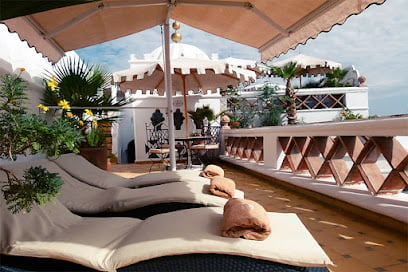
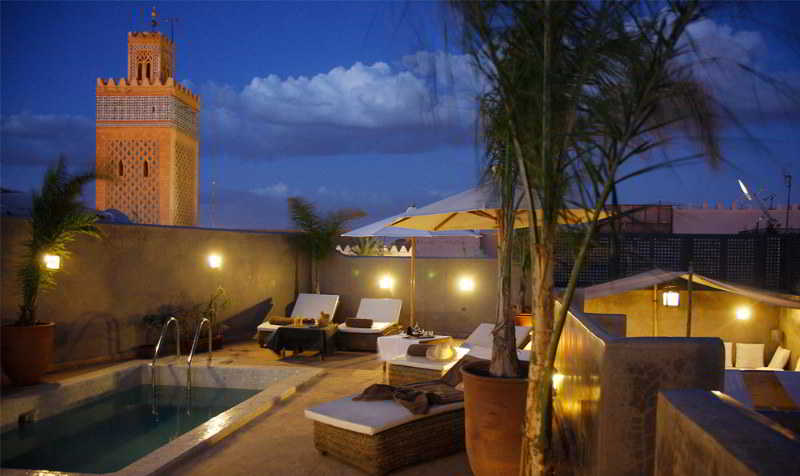
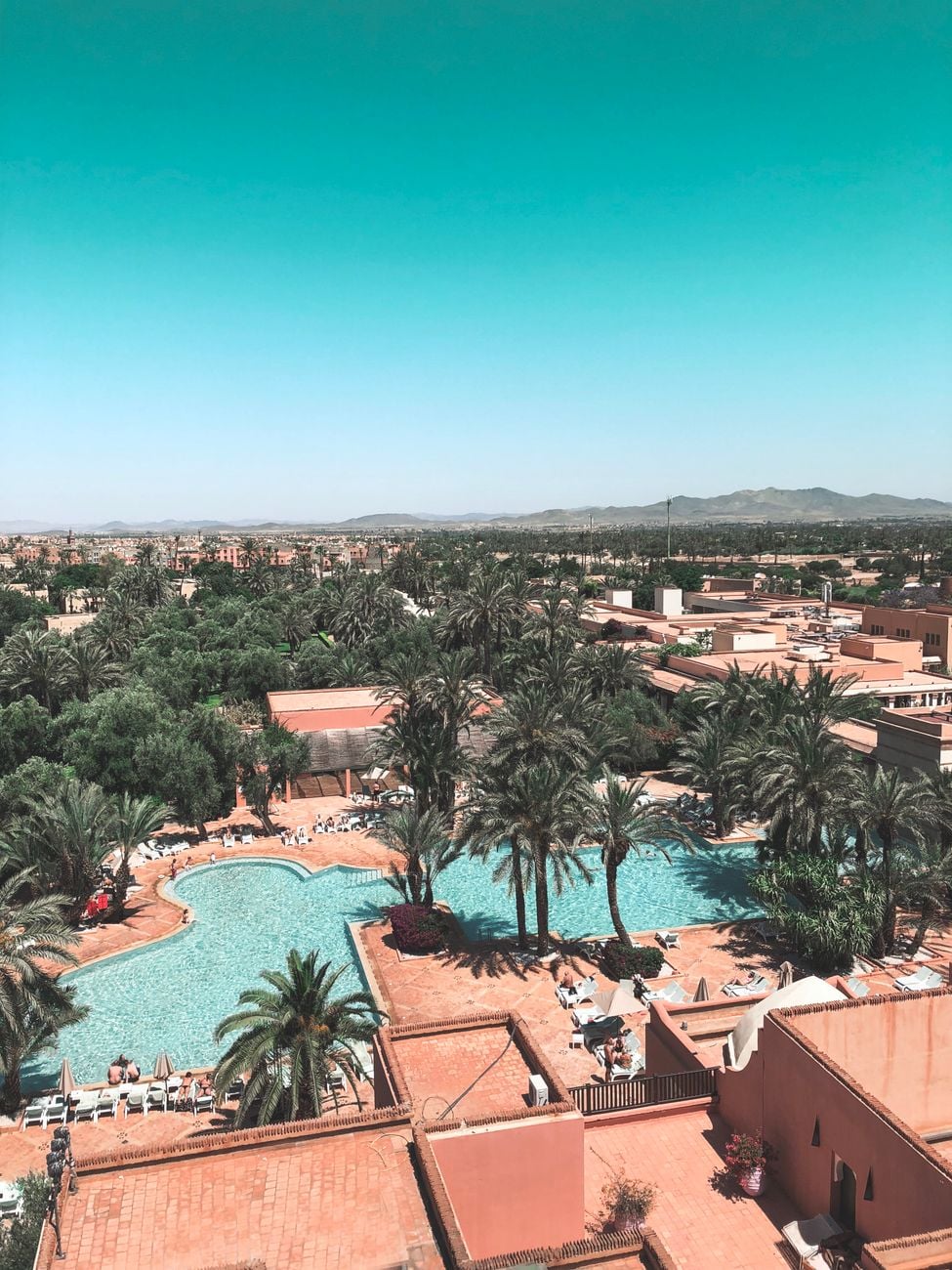
Accommodation is a key consideration. Some riads specifically cater to LGBTQ+ travelers, offering privacy and a sense of community. Properties like Riad Karmela and Riad Dar Anika market themselves to queer guests. Many upscale riads, while not exclusively queer-focused, maintain a discreet and welcoming atmosphere for a diverse international clientele. Booking through platforms that highlight LGBTQ+ ownership or certifications can help identify suitable establishments.
Nightlife in Marrakech is more integrated than in Western cities. Dedicated gay bars are uncommon due to legal restrictions. Instead, LGBTQ+ social life often occurs in upscale hotels and private events coordinated through hospitality networks and word-of-mouth. Hotels such as La Mamounia and Royal Mansour sometimes host events that attract LGBTQ+ patrons. Alcohol is available in tourist-oriented venues, though it is a culturally sensitive aspect in this majority-Muslim country.
Dating apps are functional in Marrakech, but users should be aware that local users may face significant personal risks and often seek discretion. Travelers should approach interactions with this understanding.
Marrakech does not host a large-scale Pride festival. However, the city attracts LGBTQ+ travelers throughout the year. Some riads and tour operators organize LGBTQ+-focused travel weeks during shoulder seasons, though these are informal and not widely publicized.
Marrakech Menara Airport serves the city. Within Marrakech, official petit taxis or ride-sharing services are recommended for travel. Walking within the medina is possible but can be disorienting for first-time visitors. Hiring a local guide through a riad or tour operator can provide context and enhance security.
Marrakech is generally safe for tourists in its designated areas. The medina's narrow streets can be crowded, and navigating them alone, especially at night, may be challenging. Public displays of affection between same-sex couples may draw attention; many travelers opt for minimal physical affection in public. It is advisable to respect local customs, dress modestly, particularly in the medina, and avoid discussing sexual orientation with strangers. Keeping emergency contacts and embassy information accessible is recommended.
Marrakech offers a rich culinary scene. Restaurants like Dar Moha and Foundouk serve refined Moroccan cuisine. The medina's souks provide traditional dishes, while establishments like Atlas Kasbah cater to international tastes. Cafés offer coffee and light meals. Moroccan mint tea is a central part of social life.
Attractions include the Majorelle Garden, known for its striking blue architecture and botanical collections. Architectural heritage can be explored at the Saadian Tombs, Koutoubia Mosque (exterior view), and Bahia Palace. The Berber Museum and contemporary art galleries are also points of interest.
Day trips from Marrakech include the Atlas Mountains for trekking and village visits, and the coastal town of Essaouira, which has a more progressive atmosphere and a beach scene. Lake Lalla Takerkoust offers scenic countryside. These excursions are best arranged through established tour operators.
The ideal time to visit is from October to April, with temperatures ranging from 18-25°C. May to September can be very hot. Ramadan, which varies annually, impacts dining hours and the general atmosphere; non-Muslims should be mindful and discreet regarding eating and drinking during fasting hours.
The currency is the Moroccan dirham (MAD), with ATMs widely available. French and Arabic are the main languages, with English spoken in tourist areas. Travel insurance is advisable. International SIM cards and mobile data are readily available.
Marrakech offers an experience focused on authenticity and cultural immersion rather than conventional gay tourism. Its hospitality, landscapes, history, and discreet queer community contribute to its appeal for LGBTQ+ travelers.
Domande frequenti
Marrakech is a complex destination. While Morocco's laws criminalize same-sex relations, enforcement is inconsistent and rare in tourist areas. Discretion is essential, and public displays of affection between same-sex couples are not recommended.
The Gueliz district is Marrakech's modern quarter and has a more liberal environment due to its cosmopolitan atmosphere. Streets like Avenue Mohammed V have cafes where mixed groups and LGBTQ+ individuals socialize openly without incident. The Medina is more conservative, though tourist-oriented areas can be more relaxed.
Marrakech lacks explicit gay bars and clubs like those found in major Western cities. The LGBTQ+ scene is more discreet and integrated into general nightlife and social venues.
Morocco's penal code technically prohibits same-sex relations, with potential penalties of up to three years imprisonment. However, enforcement is inconsistent and rare in practice, especially in tourist areas.
Moroccan culture is deeply rooted in Islam, and traditional values around gender and sexuality remain strong. While most Moroccans are not hostile to LGBTQ+ people, it's important to exercise common sense, avoid overt displays, and be respectful of local culture.
While there are no explicit gay venues, some establishments in Gueliz cater to LGBTQ+ clientele. Certain areas in the Medina, particularly those catering to tourists, and some hammams can function as discreet social spaces.
Le tue scelte di privacy.
Utilizziamo i cookie per far funzionare GayOut e, con il tuo consenso, misurarne l'utilizzo. Scopri di più
Le tue scelte di privacy
Usiamo i cookie per far funzionare GayOut, ricordare le tue preferenze e (con il tuo permesso) misurare come viene usato il sito. Puoi accettare tutto, rifiutare tutto o scegliere cosa consentire. Scopri di più
Essenziali
Necessari per il login, la prevenzione delle frodi, la protezione CSRF e per ricordare la lingua. Non disattivabili.
Sempre attivi
Ricordano i tuoi preferiti, la modalità scura e altre preferenze tra una visita e l'altra.
Ci aiutano a capire quali pagine vengono visitate (Google Analytics, statistiche lato server) per migliorare il sito.
Usati dai pixel di tracciamento per le campagne. Al momento nessuno è attivo, riservati a un uso futuro.
Installa GayOut
Aggiungi GayOut alla schermata Home per un accesso più rapido, preferiti offline e avvisi sui Pride.


 Hotel gay-friendly