








У цьому посібнику · 20 розділів
- The bigger picture: law, Europe and politics
- Where to go out
- Queer Café · Strada Alexei Mateevici 69, centre
- Kira's Club · Strada Veronica Micle 7
- Mojito · Bulevardul Ștefan cel Mare 152
- Parties and pop-ups
- GENDERDOC-M and community
- Pride: Chișinău Pride 2026
- Staying safe
- Getting there and around
- Wine and food
- Where to stay
- A few words of Romanian and Russian
- At a glance
- Frequently asked questions
- Is there a gay scene in Chișinău?
- Is it legal to be gay in Moldova?
- When is Pride in Chișinău?
- Is Chișinău safe for gay travellers?
- Can I visit Transnistria from Chișinău?
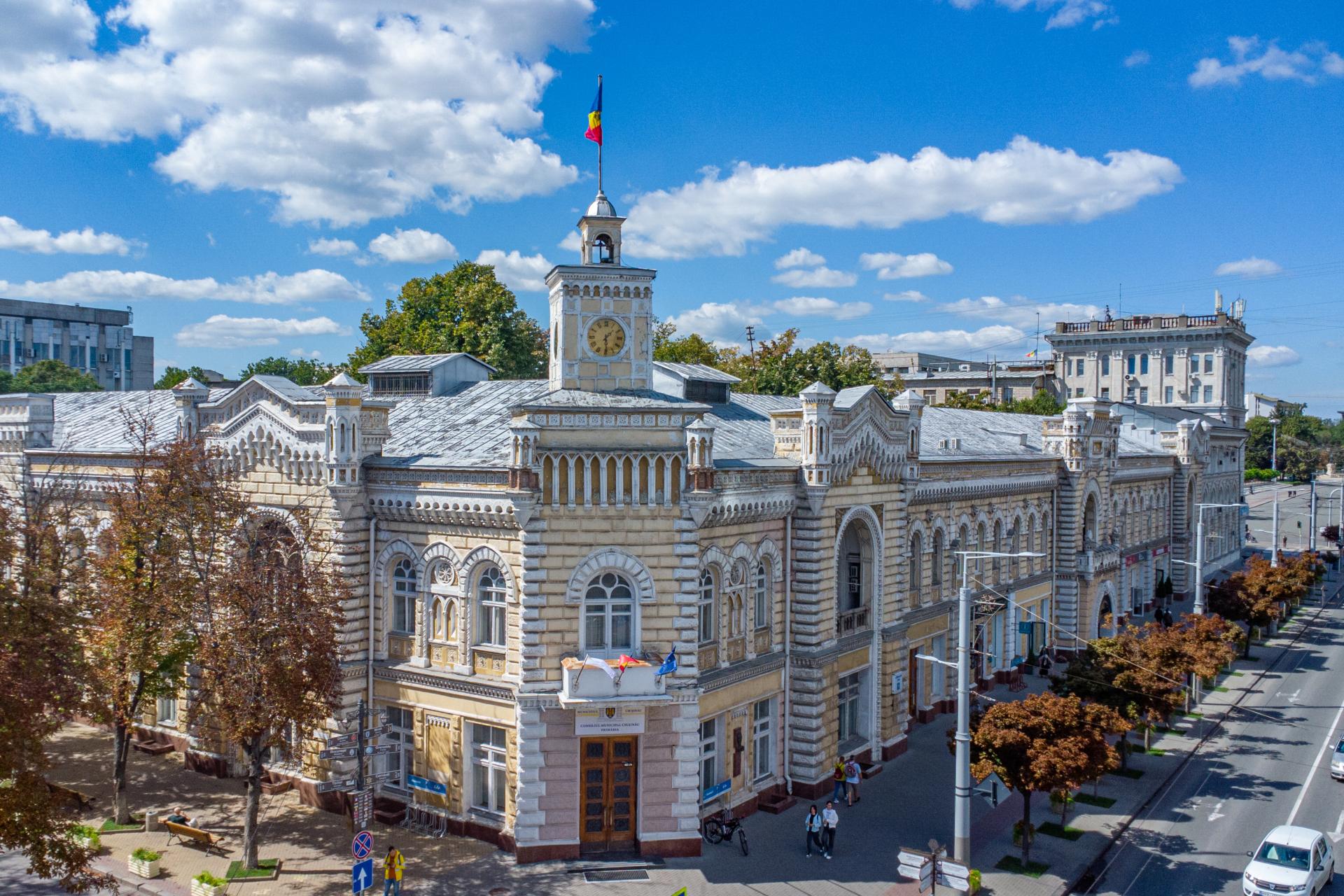
Chișinău is a city of trees. Lime and chestnut shade the long boulevards, old men play chess in Ștefan cel Mare Park, and the smell of fresh plăcinte drifts out of bakery hatches on every corner. You hear Romanian and Russian in the same sentence, eat well for little money, and are never more than a short drive from vast underground wine cellars you tour by car. The queer side of the city is small but alive: one community-run café that is openly queer, a couple of mainstream bars known to be welcoming, a determined LGBTQ+ organisation, and a Pride march that in June 2026 passed off more calmly than ever. Moldova is conservative, so this is a place for discretion rather than display, but it rewards the curious traveller. Here's what you need to know.
Legal in one line: sex between men has been legal in Moldova since 1995 and the age of consent is equal; the 2012 equality law first banned discrimination on grounds of sexual orientation at work, a 2022 Criminal Code amendment (Law no. 111) added sexual orientation and gender identity to hate-crime provisions, and a 2023 law (Law no. 2) extended anti-discrimination protection, including against hate speech, to both grounds in all areas. The constitution defines marriage as between a man and a woman, and there's no civil partnership or other recognition for same-sex couples.
The bigger picture: law, Europe and politics
Moldova has been an EU candidate country since 2022 and opened accession talks in 2024, and much of its recent anti-discrimination and hate-crime legislation has come in step with that European path. Courts have started to apply it: in 2024 a court ordered compensation for a gay man persecuted in the army, and a bishop was ordered to pay damages to two LGBTI people for inciting discrimination, according to ILGA-Europe.
The politics remain divided. ILGA-Europe recorded homophobic and transphobic rhetoric from pro-Russian parties during the 2024 election campaign, and a draft "traditional values" law was registered in parliament that year. Chișinău's municipal authorities moved in 2025 to restrict what they called LGBT "propaganda" at public events and in schools; the 2026 Pride march went ahead regardless. Same-sex couples still have no legal recognition, and a couple's case seeking it had reached the Constitutional Court by June 2026, according to HotNews.
Where to go out

Queer Café · Strada Alexei Mateevici 69, centre
The heart of queer Chișinău. Queer Café grew out of the Queer Voices international film festival, run by the MOLDOX Association; it had a soft opening on the day of the 2022 Pride march, in the Zemstvei Museum near Ștefan cel Mare Park, and later moved to new premises. It's a café and community space rather than a classic gay bar: parties, film screenings, a book club, workshops, board games, exhibitions and, in autumn 2026, a queer chess night and a crochet club. Nomadic Boys (updated September 2026) gives the address above and opening hours of roughly 18:00–01:00 daily; programming changes weekly and is posted on Instagram (@queercafe.md), so check there before you go. The door of its office was vandalised in July 2024, a reminder of why the community keeps a fairly low profile.
Kira's Club · Strada Veronica Micle 7
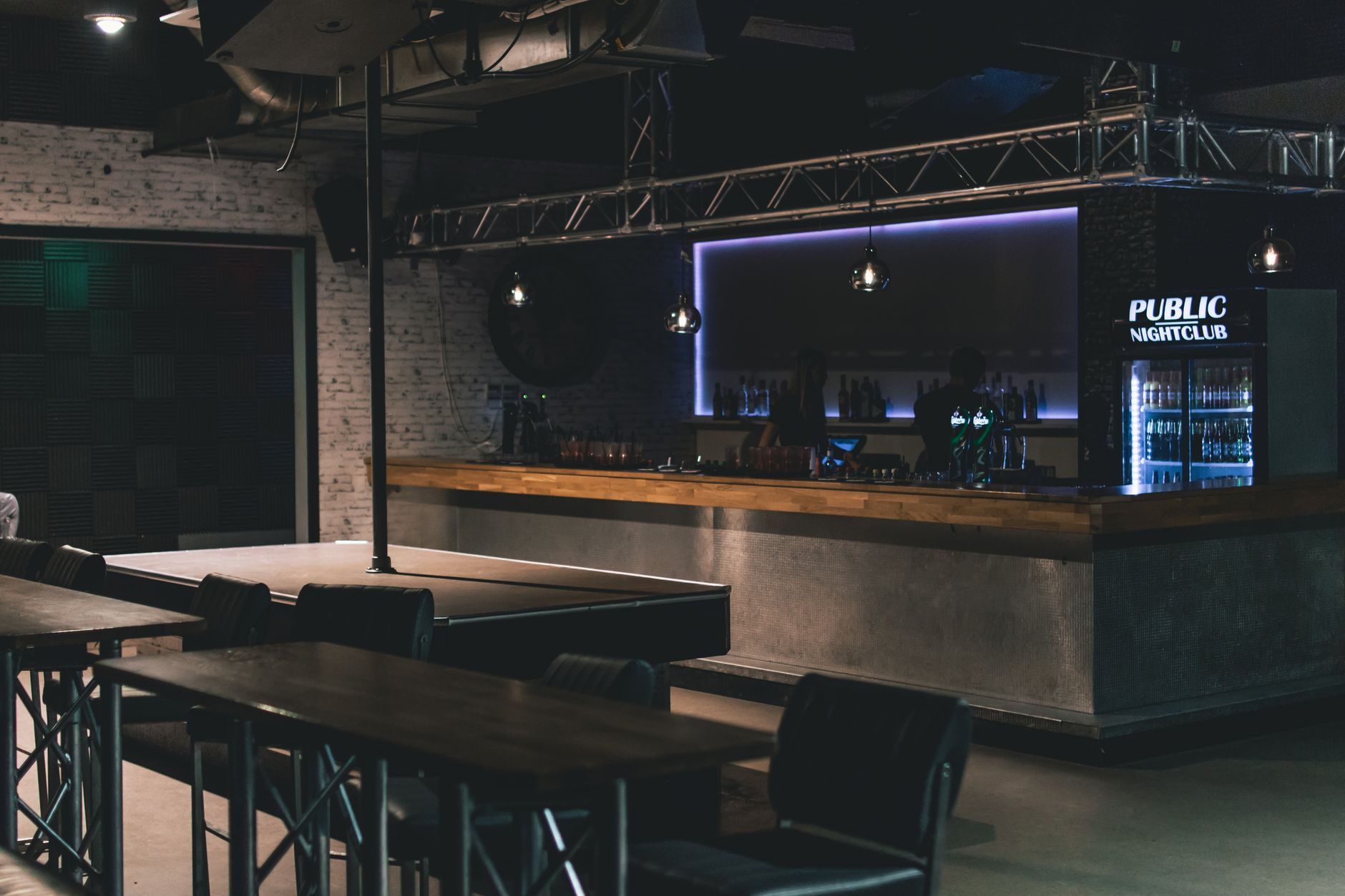
Not a gay bar: a mainstream basement venue with DJs, live music, hip-hop nights and poetry slams, which Nomadic Boys describes as one of the closest things in the city to queer-friendly nightlife. The young, alternative crowd is mixed. Nomadic Boys lists it as open from 11:00 to 23:00 Sunday to Thursday and until 05:00 at weekends; nights and line-ups are posted on its Instagram.

Mojito · Bulevardul Ștefan cel Mare 152
A big, busy mainstream cocktail bar and terrace on the main boulevard, with a DJ and room to dance, listed by gay travel writers as gay-friendly. It's a good place for an easy first drink or a first app date: central, busy and relaxed. Nomadic Boys gives its hours as midday to midnight daily.
Parties and pop-ups
Beyond these, queer nights in Chișinău are irregular parties announced at short notice by word of mouth and on social media. Follow Queer Café, GENDERDOC-M and MOLDOX on Instagram, and ask politely on the apps what's on. June, around Pride, is the busiest time for events. Nomadic Boys also recommends Covor, a speakeasy bar at Strada Ierusalim 7 (Thursday to Sunday evenings), as relaxed and welcoming to a mixed crowd.
Closed: Kurabu, for years the city's main gay club, did not survive the Covid period and has closed permanently. There is no gay sauna in Chișinău.

GENDERDOC-M and community
GENDERDOC-M (Centrul de Informații „GENDERDOC-M”, often shortened to GDM) has been Moldova's main LGBTQ+ organisation since 1998. It organises Moldova Pride, takes cases to court, runs advocacy and education work and supports people in difficulty, including through a shelter. We don't publish the address of its community centre: get in touch first through gdm.md or its social media, and the team can tell you about events, support and where to go. It's the first organisation to contact if something goes wrong.
The MOLDOX Association runs Queer Café and the Queer Voices film festival, the other pillar of queer cultural life in the city.
Pride: Chișinău Pride 2026
Moldova's first Pride event was held in 2002, and the city has a hard history with it: the 2008 march was banned and its participants attacked, and in 2017 police halted the march soon after it began. The European Court of Human Rights ruled in 2012 that the authorities had violated rights by cancelling the 2008 event. For years the march was known as the Solidarity March (Marșul Solidarității).
In 2026 the Moldova Pride festival ended with the Chișinău Pride march on Sunday 21 June. Marchers gathered at noon at the corner of Strada București and Strada Ismail and walked behind police lines through the centre, with rainbow flags, placards and dancing in the street, to the Council of Europe square (scuarul Consiliului Europei), where music played at the finish. Around 350 people took part according to the police, protected by dozens of police officers and carabinieri. Slogans included Dragostea creează, legea protejează ("Love creates, the law protects") and Vrem siguranță, în stradă și acasă ("We want safety, on the street and at home"), and the main demand was legal recognition for same-sex couples.
A few dozen counter-protesters with anti-LGBTQ+ placards gathered near the Ștefan cel Mare monument and booed; police kept the two groups apart, and no incidents were reported. GENDERDOC-M's director called it the most peaceful Pride march in Moldova's history. The 2027 date had not been announced at the time of writing; watch gdm.md and the Moldova Pride page. If you join, arrive and leave in a group and pack away rainbow gear before heading home.

Staying safe
Know the risks: most visitors have no trouble in central Chișinău, but attitudes are conservative. ILGA-Europe recorded several attacks on LGBTQ+ people in the city in 2024, including a young man stripped and beaten near a club in July, with police slow to respond, and online threats against Pride participants. Keep affection discreet on the street, especially at night and outside the centre.
- Apps: Grindr is the main app and works normally. Be wary of profiles without photos who rush to meet in private. Robbery and blackmail set-ups through dating apps happen across the region: meet first in a busy café or bar, tell a friend where you're going, don't share images that show your face with strangers, and use a VPN if you want extra privacy.
- If something happens: the emergency number is 112. Contact GENDERDOC-M as soon as you can; they know how to deal with the police and can help you report an attack.
- By air: Chișinău Eugen Doga International Airport (KIV) is on the south-eastern edge of the city. A rail link to the centre has been planned but was not yet running in late 2025; use a taxi, a trolleybus or a minibus into town.
- From Romania by train: since January 2026 the Moldovan railway (CFM) has run a regular train between Chișinău and Iași (Socola station) on Fridays, Saturdays and Sundays, about five hours each way, according to Radio Moldova; it is not a daily service. There is also a rail connection with Bucharest. Timetables change often, so check with the Moldovan railway (CFM) and CFR Călători before you travel.
- By bus: coaches and minibuses run frequently between Chișinău and Iași and Bucharest, and are often quicker than the train; check the operator and departure station in advance.
- In town: the centre is compact and walkable, and trolleybuses are cheap. Street lighting can be poor away from the main boulevards, so carry a phone torch. Taxis are best ordered by your hotel or a local app such as iTaxi; many drivers speak little English.
- Money and entry: the currency is the Moldovan leu (MDL). Cards work in hotels and many central bars, but carry some cash. EU, UK and US citizens can usually enter visa-free for short stays; check the current rules before you go.
- Health: if a condom breaks, PEP must start within 72 hours. Go to a hospital emergency department and ask for the infectious diseases service, or contact GENDERDOC-M for advice on where to go.
- Bună ziua – hello (Romanian). Здравствуйте (zdravstvuyte) – hello (Russian).
- Mulțumesc – thank you. Спасибо (spasibo) – thank you.
- Noroc! – cheers! (it also means "luck"). За здоровье! (za zdorovye) – cheers!
- Încă un pahar de vin, vă rog – another glass of wine, please.
- Cât costă? – how much is it? Сколько стоит? (skolko stoit) – how much is it?
- Pride is used as is; marș (Romanian) or марш (Russian) is a march.
Transnistria: don't go. The breakaway strip east of the Nistru river, with its own "capital" at Tiraspol, is outside the control of the Moldovan government and runs its own legal regime. The UK Foreign Office advises against all travel there, warns that its support there is "extremely limited", and notes that the local authorities have widened prosecution and detention powers against people they regard as "extremists", a definition that can cover ordinary free expression. In 2024 Transnistria declared a "Year of Family Values" and moved to criminalise the "promotion" of non-traditional relationships and gender identities to minors, according to ILGA-Europe. Day trips to Tiraspol are still sold in Chișinău, and some even pitch it as a Soviet curiosity; skip them, because if you run into trouble there the Moldovan authorities cannot help you and foreign embassies can do very little.
Getting there and around

Wine and food
Moldova is wine country, and the cellars are the city's great day trip. Cricova, on the edge of Chișinău, keeps its wines in a vast network of underground galleries with streets named after grape varieties, which you tour by vehicle; book a visit in advance. Mileștii Mici, south of the city, is a similar underground world whose collection Guinness World Records has listed as the largest in the world. Many tours include a tasting, so arrange a driver rather than taking the car yourself.
Back in town, eat like a local. Start with a hot plăcintă straight from a bakery hatch, a flaky pastry filled with cheese, cabbage, potato or cherries. Try zeamă, a sour chicken and noodle soup that is Moldova's cure for everything (including the night before), and mămăligă, polenta served with salty sheep's cheese, sour cream and often a fried egg or pork. Finish with a glass of local wine; Moldovans are proud of their native grapes such as Fetească.
Where to stay
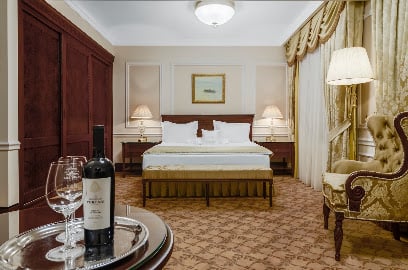
Staying in the centre, near Ștefan cel Mare boulevard, keeps you walking distance from Queer Café, the bars and the park. GayOut lists several gay-friendly options, including Nobil Luxury Boutique Hotel, Berd's Hotel, Courtyard by Marriott Chisinau and ibis Styles Chisinau; see all gay-friendly hotels in Chișinău.

A few words of Romanian and Russian
Romanian is the official language; Russian is widely spoken, especially among older people. Locals appreciate any effort in either.
At a glance
| Place | Type | Address | When | Note |
|---|---|---|---|---|
| Queer Café | Queer community café and events space | Str. Alexei Mateevici 69 | Evenings, roughly 18:00–01:00 | Run by MOLDOX; programme on Instagram |
| Kira's Club | Mainstream basement club, gay-friendly | Str. Veronica Micle 7 | Daily; late at weekends | DJs, live music; mixed crowd |
| Mojito | Mainstream cocktail bar and terrace | Bd. Ștefan cel Mare 152 | Midday to midnight | Easy first drink; not a gay bar |
| Covor | Speakeasy bar, gay-friendly | Str. Ierusalim 7 | Thu–Sun evenings | Relaxed, mixed crowd |
| GENDERDOC-M | LGBTQ+ organisation | Contact via gdm.md first | Office hours | Pride organiser; help if things go wrong |
| Chișinău Pride | Pride march | 2026: Str. București / Str. Ismail to the Council of Europe square | June; 2026 march Sun 21 June | 2027 date TBA |

Frequently asked questions
Is there a gay scene in Chișinău?
A small one. Queer Café, a community-run café and events space in the centre, is the one openly queer venue, and a few mainstream bars such as Kira's Club and Mojito are known as welcoming. Most socialising happens through community events, Pride week and the apps.
Is it legal to be gay in Moldova?
Yes. Sex between men was decriminalised in 1995, and the law now protects sexual orientation and gender identity against discrimination and hate crimes. There is no marriage or civil partnership for same-sex couples.
When is Pride in Chișinău?
In June. The 2026 march took place on Sunday 21 June under police protection, with around 350 participants according to the police and no incidents reported. No 2027 date had been set when this guide was updated; watch GENDERDOC-M for the announcement.
Is Chișinău safe for gay travellers?
Most visitors have no trouble, but society is conservative and attacks on LGBTQ+ people are still reported. Keep affection discreet in public, meet app dates in a busy place first and take a taxi home at night.
Can I visit Transnistria from Chișinău?
Do not go. Transnistria is outside the control of the Moldovan government, runs its own legal regime and is covered by travel advisories such as the UK's advice against all travel. Consular help there is extremely limited.
Part of the GayOut city guides. See also gay bars in Chișinău and gay-friendly hotels in Chișinău.
