Equatorial Guinea has Africa's strangest legal file: consensual same-sex relations were never explicitly criminalized. The 2022 penal code even added employment-discrimination protection based on sexual orientation. But a 2019 presidential decree brands homosexuality a threat to the 'moral identity of the majority,' and 'public morals' clauses let authorities make arbitrary arrests. This is one of the most closed, most policed states on earth. The risk isn't the letter of the law, it’s regime arbitrariness, digital surveillance, and a total absence of consular or legal protection. The rules are absolute: zero public affection, don't photograph anything governmental, and use extreme caution online.
The honest picture
Malabo—the capital, on Bioko island—is a small, heavily policed oil city. No declared gay bars, no community clubs, no public Pride. The country's only community initiative, Somos Parte del Mundo (founded by writer and activist Trifonia Melibea Obono), has been refused official registration since 2017. The ministry just never answers. Nightlife for travelers, expats, and international oil-company staff happens in the luxury bubbles of the international hotels. Discretion and personal safety are key there.
The welcoming bubbles, by name
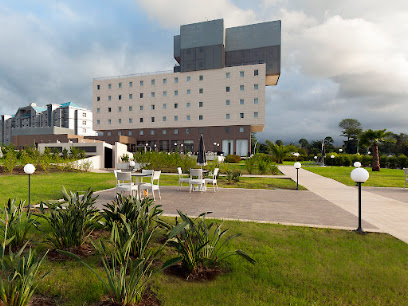
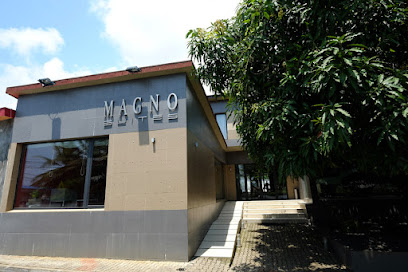
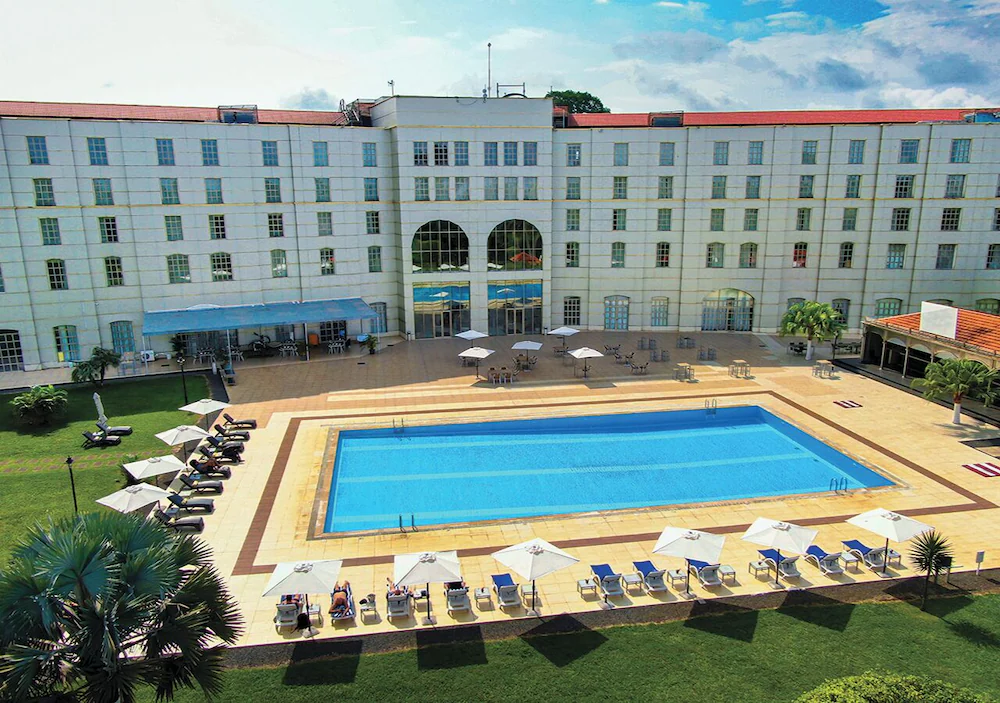
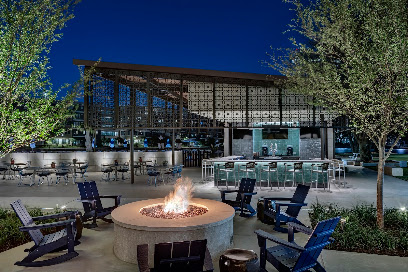
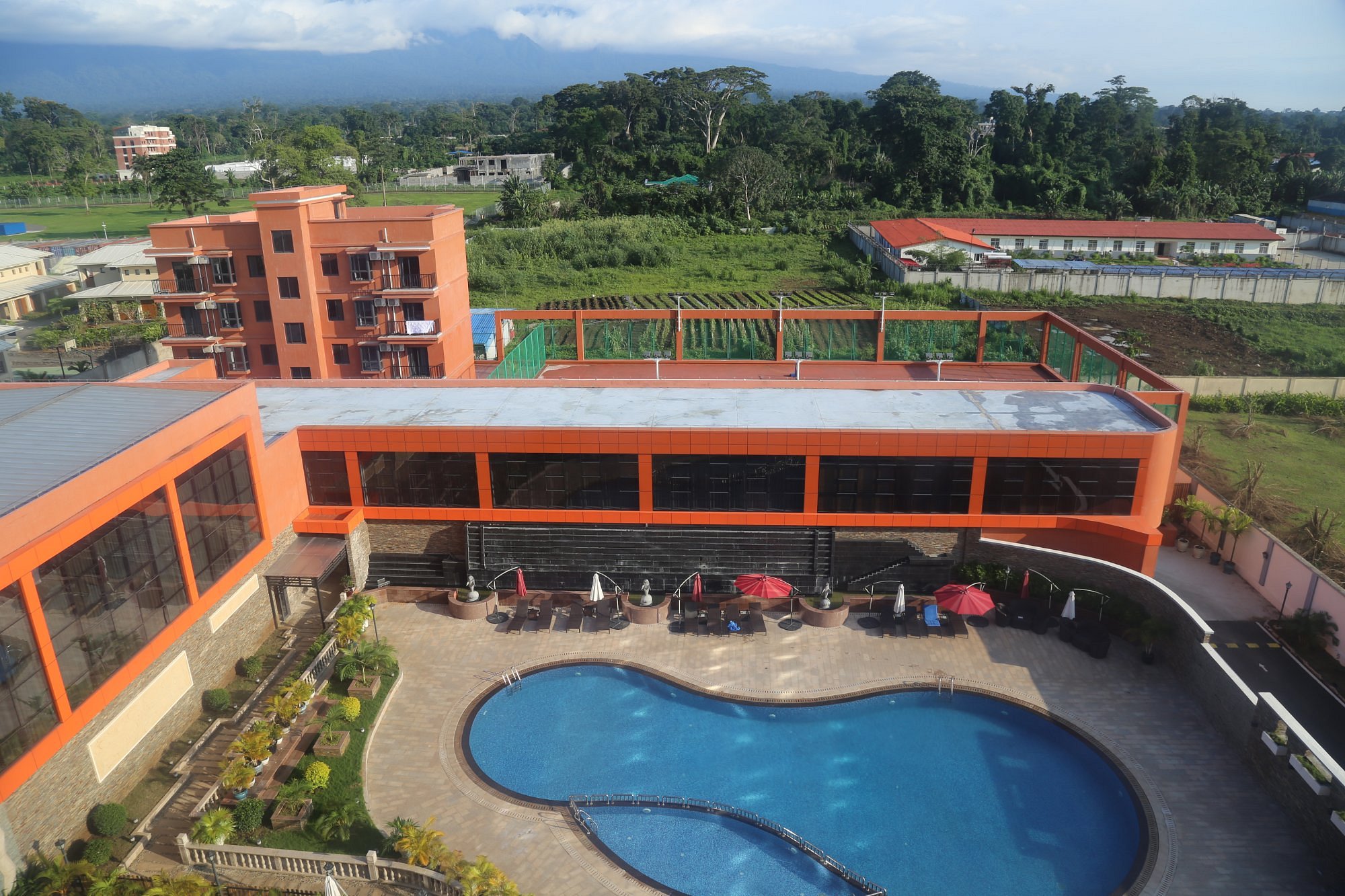
Sofitel Malabo Sipopo Le Golf in the Sipopo compound is the island's safest, most international address—the luxury bubble for couples. Sofitel Malabo President Palace on Plaza de la Independencia anchors the colonial core; its bar and pool club are a quiet, protected meeting point for diplomats, businesspeople, and expats. Hotel Colinas on Carretera Luba is the calm pool-bar retreat foreign oil workers favor. Ibis Malabo by the airport offers an informal, controlled, cosmopolitan business-hotel environment. Club Hípico de Malabo—the riding club and open-air restaurant on the city's edge—is the international community's relaxed lunch-and-weekend hub.
Know the geography
Sipopo—the diplomatic-tourism compound about 15km east of town—is a safe, sterile, comfortable base for foreign visitors. Central Malabo's colonial core is good for a quiet daytime walk (the Santa Isabel cathedral, Spanish colonial streets), but it's saturated with police, soldiers, and government buildings. Pico Basilé and Bioko's interior—cloud forests and tropical reserves—are for nature only. Villages there are deeply conservative, so keep a low profile and stick to botanical itineraries.
The security protocol
Apps: The grid is very thin and carries a real risk of security-force decoy profiles. Never show a face photo on an open profile. Verify identity rigorously. Hold any first meeting only at an international hotel bar. Phones at the border: Customs and police at Malabo airport sometimes run proactive device searches. Clean chat histories, keep apps behind a password-protected space, or carry a clean device. Photography: Shooting government buildings, the presidential palace, oil facilities, checkpoints, or police is a criminal offense, enforced without humor.
A day in Malabo, done right
Morning: a quiet walk around Plaza de la Independencia and the cathedral (cameras down near anything official), then coffee at the Sofitel President Palace. Midday: the drive up Pico Basilé for the full panorama of the island and bay. Afternoon: pool and rest at Hotel Colinas. Sunset and evening: cocktails and dinner on the water at the Sofitel Sipopo terrace.
Practical notes
CFA francs. Spanish is official (unique in Africa). Visas are hard for most passports and often oil-sponsored. Go briefly, go quietly, spend your money in the bubbles that protect you. Know that Somos Parte del Mundo's unregistered persistence is the bravest thing on this island.


 友善同志友善飯店
(206)