Gay Suva: An LGBTQ+ Travel Guide to Fiji's Capital
Suva is the largest city in the South Pacific outside Australia and New Zealand, and as Fiji's capital it is the most cosmopolitan corner of an otherwise deeply traditional island nation. For LGBTQ+ travelers, Suva is a city of quiet contrasts: the law is more progressive than most visitors expect, while everyday social attitudes remain conservative and firmly rooted in church and community life. Understanding the gap between the two is the key to a relaxed, respectful visit.
The Legal Picture — Better Than Its Reputation
Fiji decriminalized same-sex activity in 2010 under the Crimes Decree, becoming one of the first Pacific Island nations to repeal its colonial-era sodomy laws. It went further in 2013: Fiji's Constitution explicitly prohibits discrimination on the basis of sexual orientation, gender identity and gender expression — it remains the only national constitution in the world that names all three. On paper, that puts Fiji ahead of many larger and wealthier countries.
The limits matter just as much. Same-sex marriage and civil unions are not recognized, and have been expressly prohibited since 2002. There is no legal process for changing a gender marker on official documents, and traditional third-gender identities have no formal recognition. Travelers whose passports carry an "X" gender marker should confirm current entry requirements before flying, as Fiji recognizes only binary sex on documentation.
Everyday Life and Social Attitudes
Fiji is a religious, community-minded society, and open displays of affection between any couple — gay or straight — are considered inappropriate in public. Overt hostility toward LGBTQ+ visitors is uncommon, especially at international resorts and in Suva's more urban, student-influenced circles around the University of the South Pacific. Even so, most local LGBTQ+ people live discreetly, and travelers are best served by reading the room and matching that discretion, particularly outside the capital.
The Scene: Community, Not Nightclubs
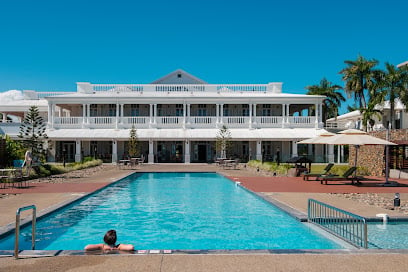
Suva has no dedicated gay bars, clubs or saunas, and that is simply the reality on the ground rather than a gap in this guide. Fiji's LGBTQ+ life is organized around advocacy and community groups rather than commercial venues. The nightlife that exists is mainstream and mixed: long-running spots such as Traps Bar and O'Reilly's on and around Victoria Parade are the places locals describe as the most easygoing and welcoming, though neither is a gay venue. The grand old Grand Pacific Hotel on the waterfront is the city's landmark stay and is comfortable for LGBTQ+ guests.
Community and Advocacy
Suva is the hub of Fiji's LGBTQ+ movement, and meeting its organizations is the most authentic way to connect with local queer life. The Rainbow Pride Foundation is the country's leading LGBTIQ+ advocacy body, with community hubs across Fiji. Haus of Khameleon is a trans-women-led movement working on legal gender recognition and gender-based violence. DIVA for Equality brings together lesbian, bisexual and trans-masculine people and marginalized women, while Oceania Pride is a youth-focused network, and the Drodrolagi Movement supports LGBTI students at the University of the South Pacific ("drodrolagi" is Fijian for rainbow).
Pride and Events
Fiji does not hold an annual Pride festival or a large street parade. The country's first Pride march took place in Lautoka in 2018, and attempts to hold one in Suva have faced permit hurdles. The main recurring moment is IDAHOBIT in mid-May, marked in Suva with panels, community gatherings and awareness events organized by groups such as Oceania Pride and the Rainbow Pride Foundation. If your visit coincides with mid-May, reaching out to these organizations is the best way to find what is happening.
Where to Stay and Getting Around
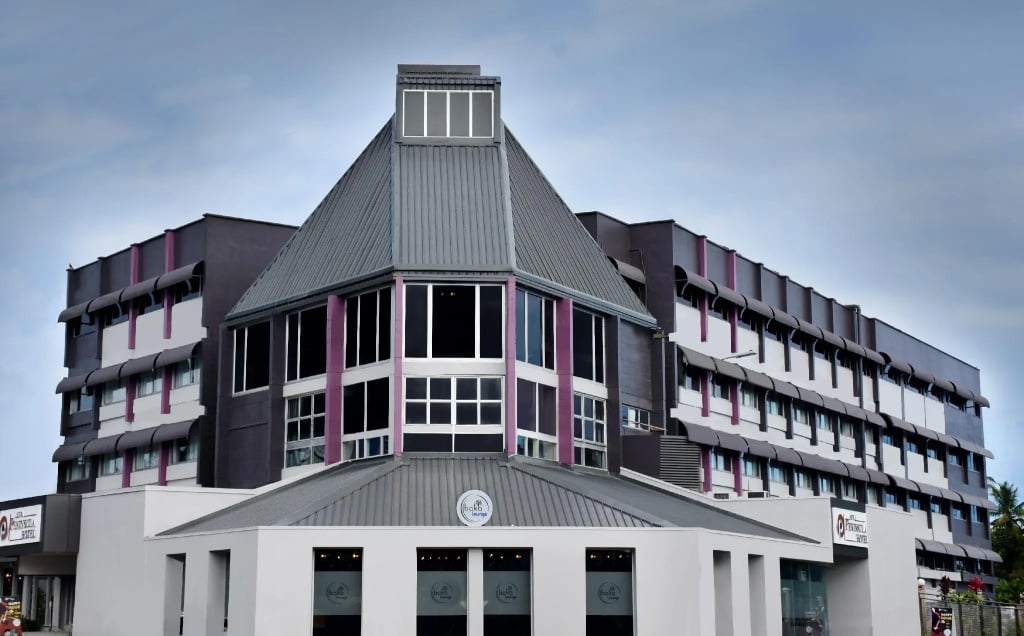
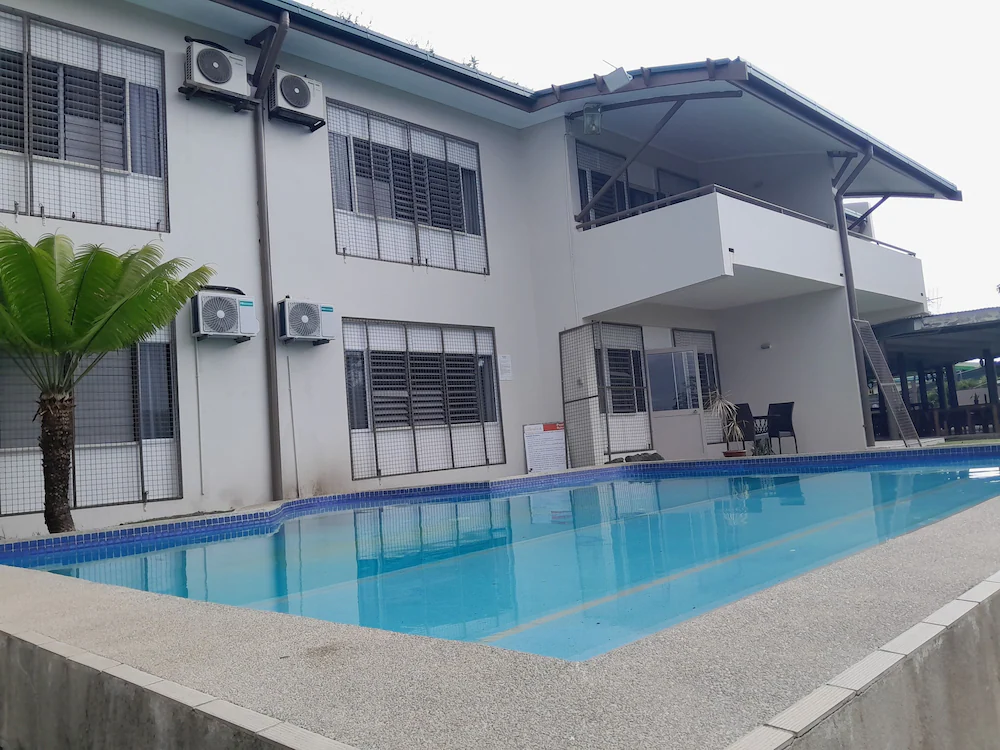
Most visitors base themselves downtown around Victoria Parade, within walking distance of the seawall, the Fiji Museum and the main restaurants and bars. The Grand Pacific Hotel is the historic flagship; the Peninsula International, Holiday-style apartments and a spread of serviced apartments and mid-range hotels round out the options. Suva is walkable by day; at night, use taxis, which are cheap and metered.
Suva is generally safe, but ordinary urban precautions apply after dark. Discretion around public affection is wise for everyone. Dating apps such as Grindr are used quietly; exercise the usual caution when meeting new people. Fiji's constitutional protections are real, but social acceptance lags the law — a friendly, low-key approach goes a long way.
Suva 沒有專屬於男同志的酒吧、夜店或三溫暖。當地的夜生活以主流且混合客群為主——像是 Traps Bar 和 O'Reilly's 這類位於 Victoria Parade 及其周邊的場所,被認為是最輕鬆自在且友善的地方,但它們並非男同志專屬場地。在 Suva,要最真實地連結酷兒社群生活,是透過當地的社區組織,例如 Rainbow Pride Foundation 和 Oceania Pride。
斐濟沒有年度驕傲節或大型街頭遊行。該國首場驕傲遊行於 2018 年在勞托卡舉行。主要的常態性 LGBTQ+ 活動是五月中旬的 IDAHOBIT,在蘇瓦由 Oceania Pride 和 Rainbow Pride Foundation 等團體舉辦座談會、宣導活動與社群聚會。
是的。斐濟的飯店業十分友善,蘇瓦的飯店對 LGBTQ+ 旅客來說也很舒適。位於海濱的歷史悠久 Grand Pacific Hotel 是該市的地標級住宿選擇,市中心還有許多中價位飯店及服務式公寓,包括 Peninsula International 以及眾多公寓式選項。


 友善同志友善飯店
精選
(1846)