The Federated States of Micronesia — four states, 600 islands — handle queer life quietly, through family. Same-sex relations are legal, and there's a specific legal protection: the 2018 employment law (§107, FSM Code) prohibits discrimination based on sexual orientation. Gender identity isn't covered. There are no dedicated queer venues, and the organized scene is thin; an FSM Pride Network exists in regional listings, but its current activity isn't confirmed. What FSM has instead is more interesting than an imported scene: queer visibility expressed through indigenous cultural forms.
The urohs show — visibility, Pohnpei-style
The embroidered skirt — the urohs — is a point of national pride in Pohnpei. So when IDAHOBIT 2024 was marked with an urohs fashion show, put on by the local 'i AM' initiative with UN backing, it felt like one of the most beautiful examples anywhere of a queer community weaving itself into its own culture rather than fighting it. Understand this correctly: it's not a 'Pride party' in the Western sense. Neither was the 2018 Pohnpei Pride parade, a real, confirmed historical first, remembered but not repeated annually. Visibility here moves at the culture's own pace, in the culture's own clothes.
The welcoming spots, by name
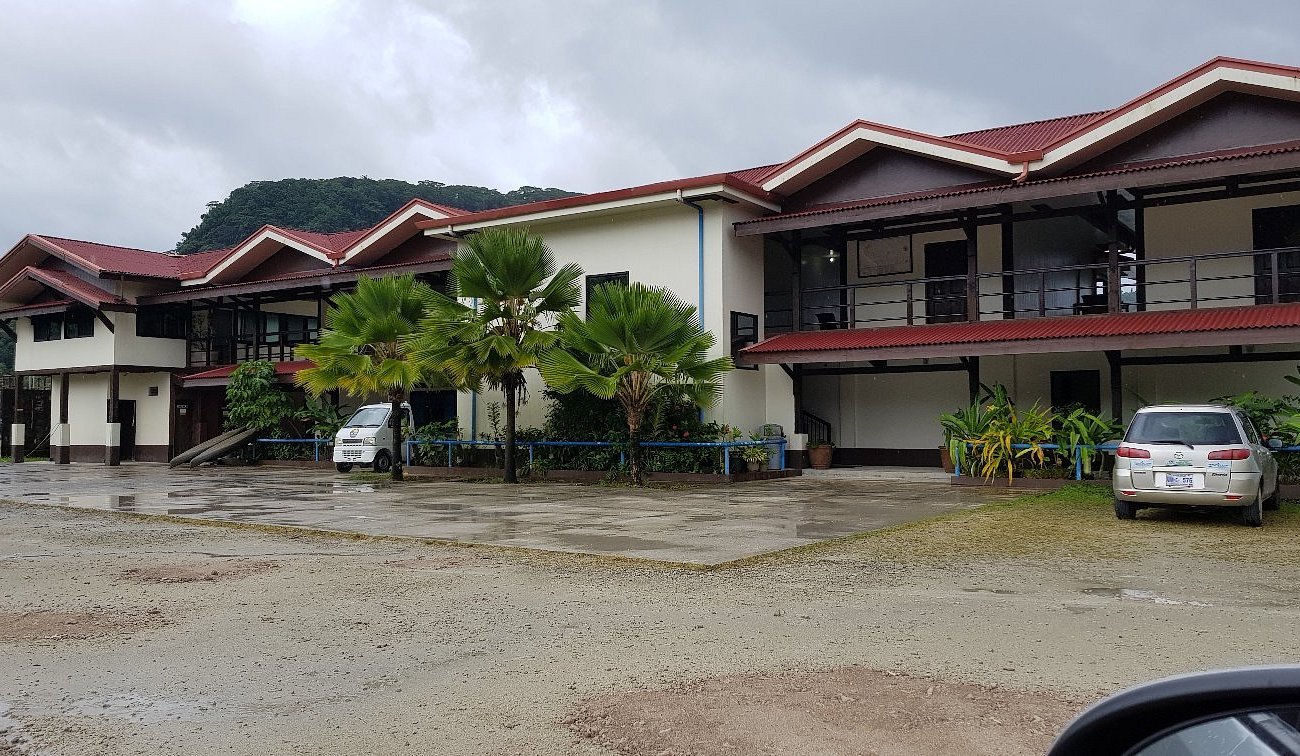
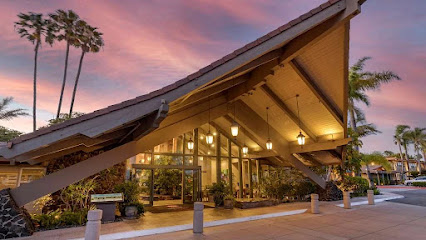
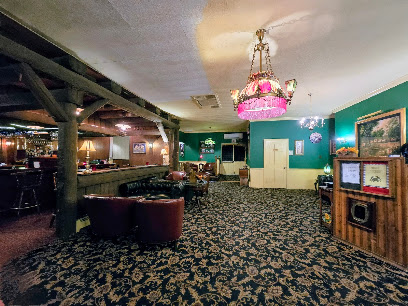
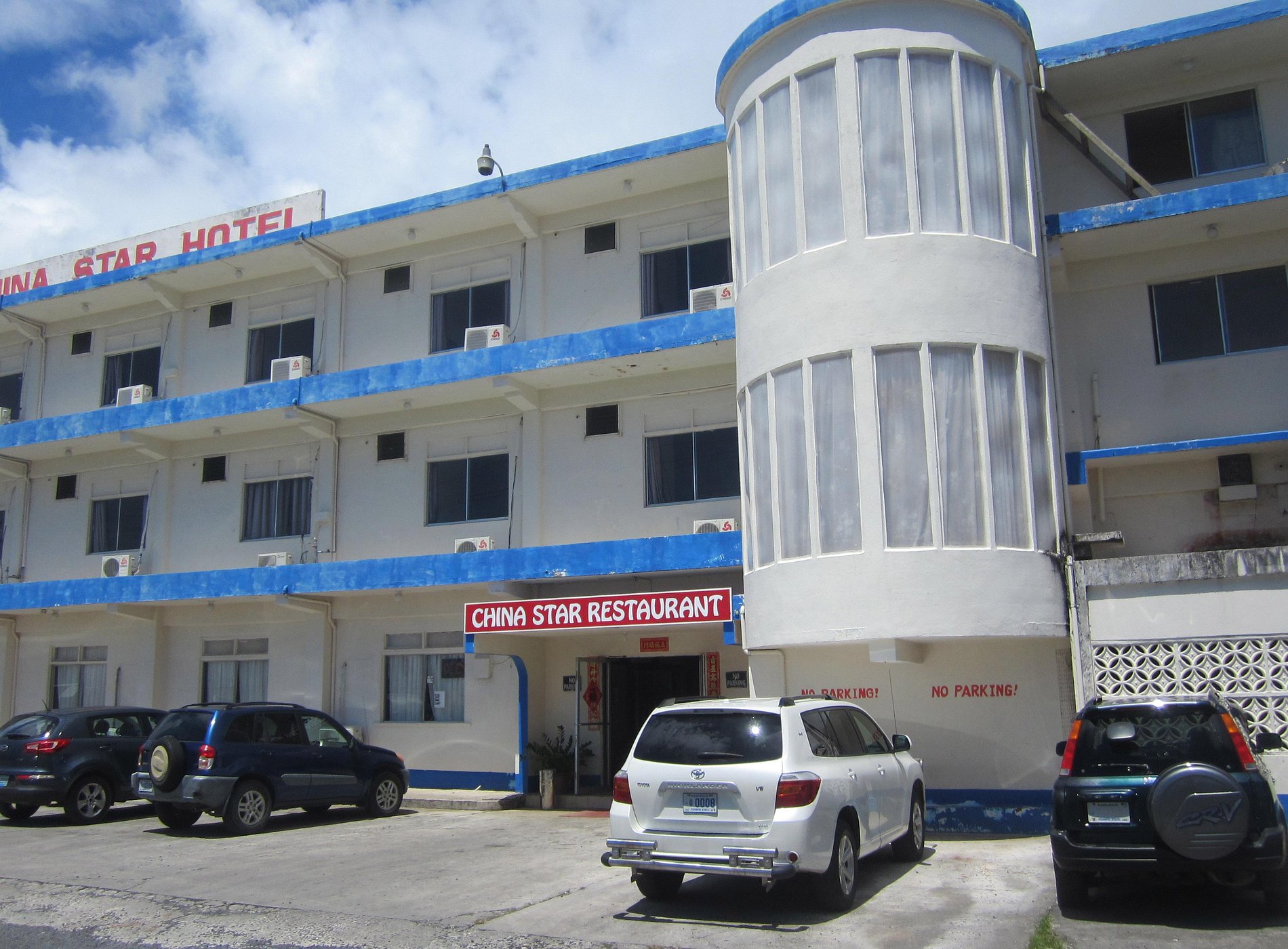
Mangrove Bay Bar in Nett is the over-the-water meeting spot. Cocktails, poke, and sushi with bay views, expats and locals together. Rusty Anchor Bar looks out over the yacht anchorage: pool tables, cold beer, informal and friendly. Cupid's Bar & Restaurant, up the hillside above Kolonia, probably has the island's best panorama for a sunset drink and dinner. The Ocean View Hotel's bar (Orchid Restaurant) downtown is a quiet classic where travelers and international-organization staff meet. And Nihco Marine Park Restaurant, open-air on the waterline, is for a relaxed beer in full tropical-nature mode.
A typical Kolonia evening: an afternoon at the Nan Madol ruins or a swim under Kepirohi waterfall, a first hushed cup at a local sakau bar at dusk, then beer and drums at Mangrove Bay or Rusty Anchor by the boat harbor.
Sakau — Pohnpei's own cup
Don't confuse sakau with Vanuatu's kava: Pohnpei's version is thicker and more viscous, prepared with hibiscus bark, and it hits slower and deeper. Drinking sakau of an evening at a local sakau bar is an essential part of Pohnpei's night. It runs on the same code as every kava culture: hushed voices, unhurried rounds, respect for the ritual. It's a social hub, not a party.
Four states, four temperaments
The FSM is four very different countries in a trench coat. Pohnpei (this guide) is the green, rainy, most cosmopolitan capital state. Chuuk is the world's wreck-diving mecca — Truk Lagoon's ghost fleet — and hosts the Tongeito Chuuk network operating under the Chuuk Women's Council. Yap is deeply traditional and conservative — the stone-money culture — where discretion should be total. Kosrae is quiet, devout, and gentle. Calibrate accordingly as you hop.
The digital grid
It's very thin, a faceless norm, kinship-dense — the full empty-grid effect. Expect slow responses, verification rituals, blank profiles that are caution rather than coldness. Never screenshot or forward a profile; turn off exact-distance display. Most connections that matter happen through introductions, not apps.
Practical notes
Tourist zone ≠ village. Kolonia is relaxed; villages run on church and custom, and FSM is deeply Christian. That boundary is real, and affection belongs in private everywhere. US dollars, United's island-hopper via Guam/Hawaii. And get used to the sky: Pohnpei is one of the rainiest places on earth — the tropical rain is part of life here. Take it slow, let it fall, and enjoy the endless green it buys you.