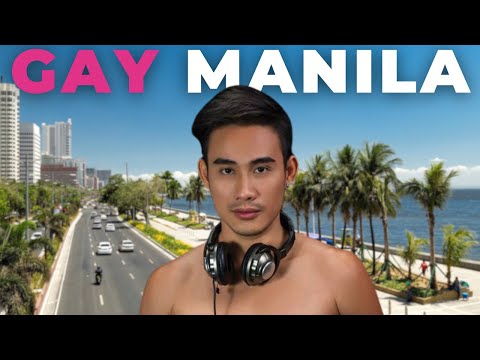
The Philippines holds a distinctive place in Asia for LGBTQ+ visibility, and the City of Manila is where much of that story began. Same-sex sexual activity is legal nationwide and has never been criminalised, yet the strong influence of the Catholic Church means there is still no marriage equality and no comprehensive anti-discrimination law — the national SOGIE Equality Bill has been stalled in Congress for decades. Despite this legal gap, Filipino society, especially in urban Manila, shows a remarkable everyday acceptance of LGBTQ+ people, and drag and cross-dressing performance have deep, celebrated roots in local entertainment.
Manila's gay scene flourished from the 1970s onward, with Malate becoming the historic epicentre of gay nightlife and culture. The Maria Orosa and J. Nakpil street corner in Malate was, for two decades, the beating heart of the country's queer nightlife. The community weathered the AIDS crisis, periods of police harassment, and ongoing legal discrimination. Manila was also the site of the first LGBT Pride march in Asia, held on 26 June 1994.
NEIGHBORHOODS
MALATE: This is the City of Manila's own gay district and the focus of this guide. Centred on Maria Orosa Street and J. Nakpil Street (not the red-light M.H. del Pilar / P. Burgos strips, which are separate), Malate was for decades the country's gay capital. The scene has declined significantly since its 2000s peak — gentrification and post-pandemic closures shuttered landmarks such as Bed, Government, Penguin Café and, in 2025, the beloved comedy bar The Library. Even so, Malate remains culturally important and still hosts the city's surviving gay bars, plus atmospheric mid-range hotels within walking distance of the strip.
ERMITA & SANTA MESA: Adjacent Ermita blends into Malate for dining and budget lodging, while Santa Mesa (to the east) is home to Elite Wellness Spa, the main dedicated gay bathhouse operating inside Manila proper.
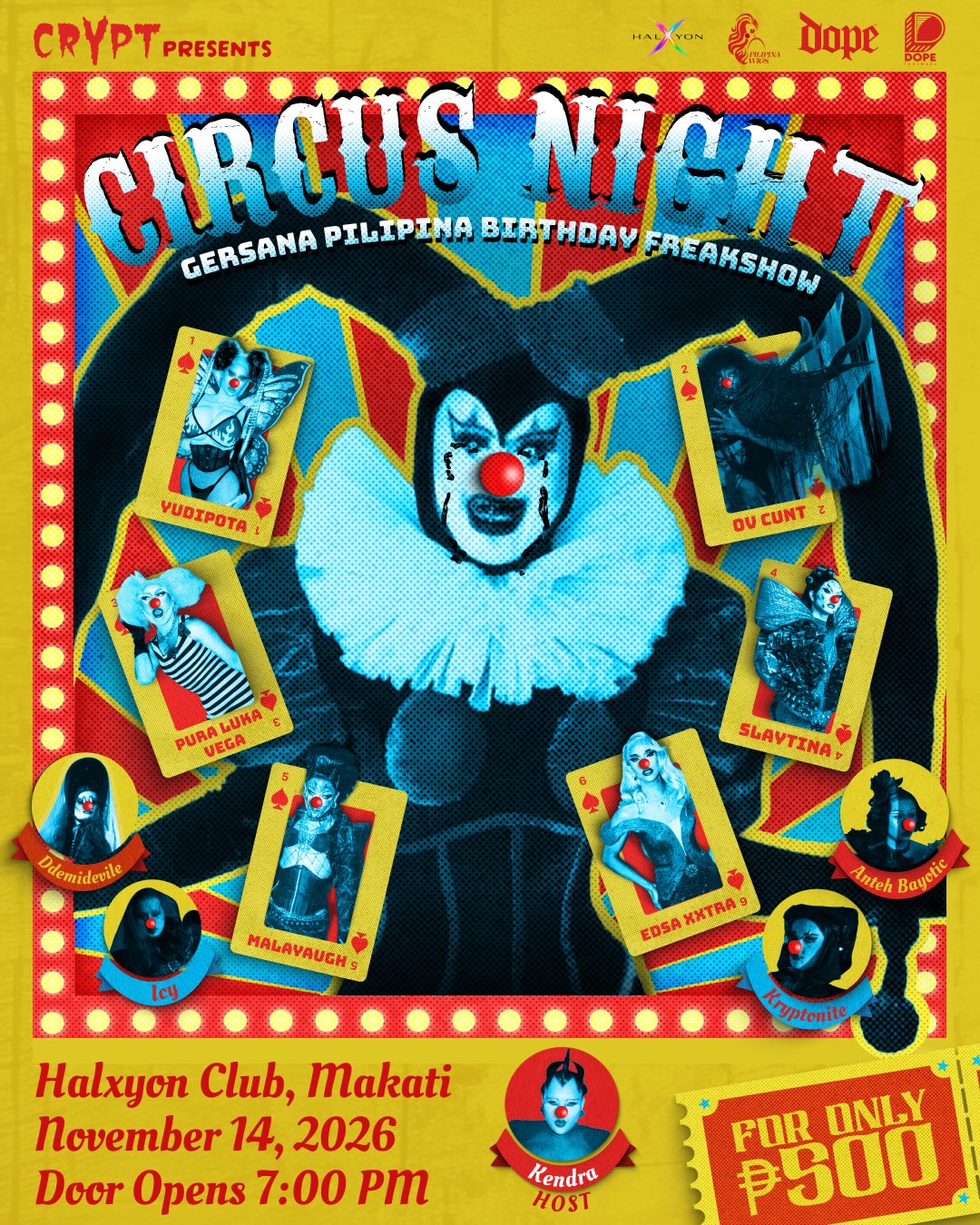
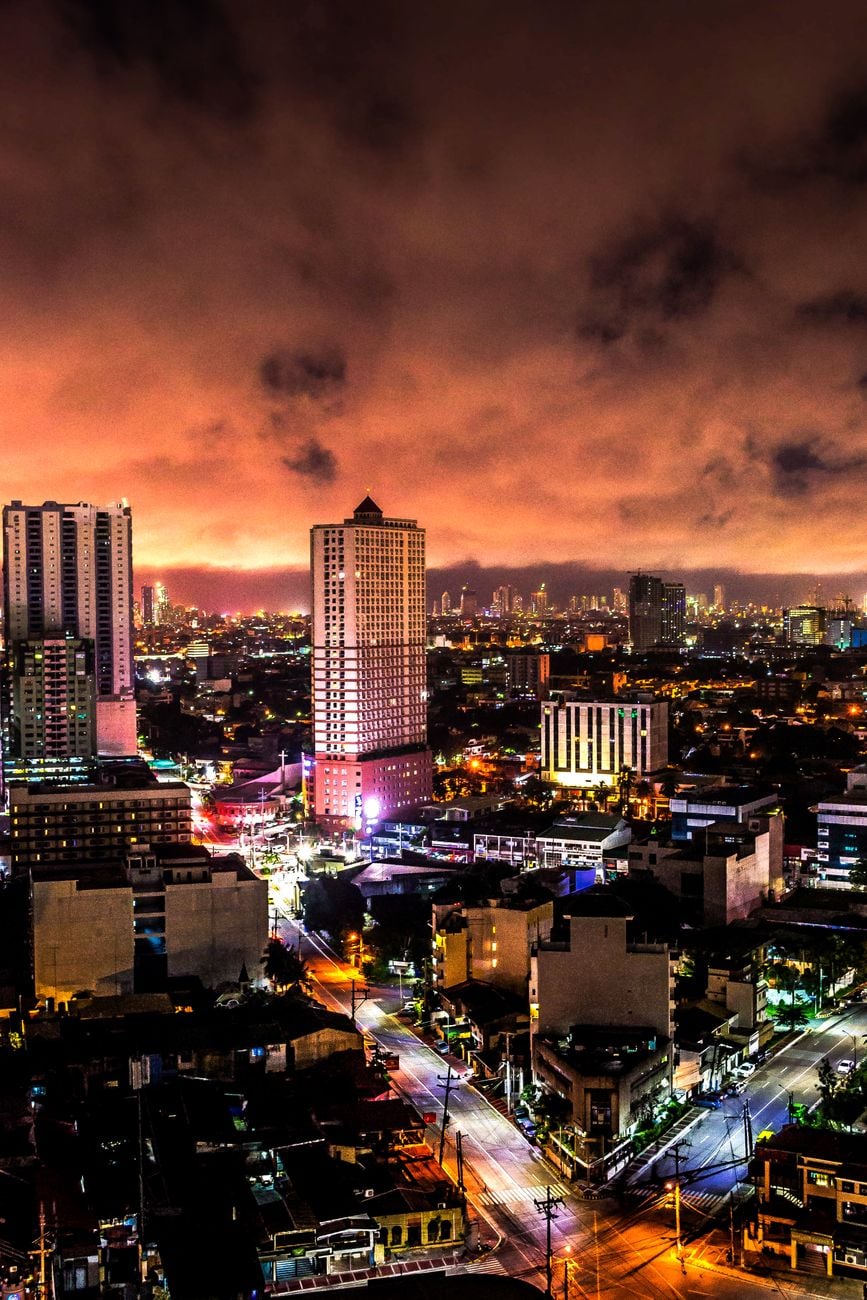
ELSEWHERE IN METRO MANILA (SEPARATE CITIES): Much of today's queer nightlife has moved out of the City of Manila to neighbouring cities that have their own dedicated GayOut pages. Makati (Poblacion / Greenbelt) offers upscale, international venues; Quezon City (Tomas Morato–Timog and Cubao) has become the metro's youthful nightlife and activism hub; and O Bar, Manila's most famous drag institution, closed its Malate branch in 2013 and now operates in Ortigas, Pasig. Treat these as day-trip-close but distinct destinations.
VENUES
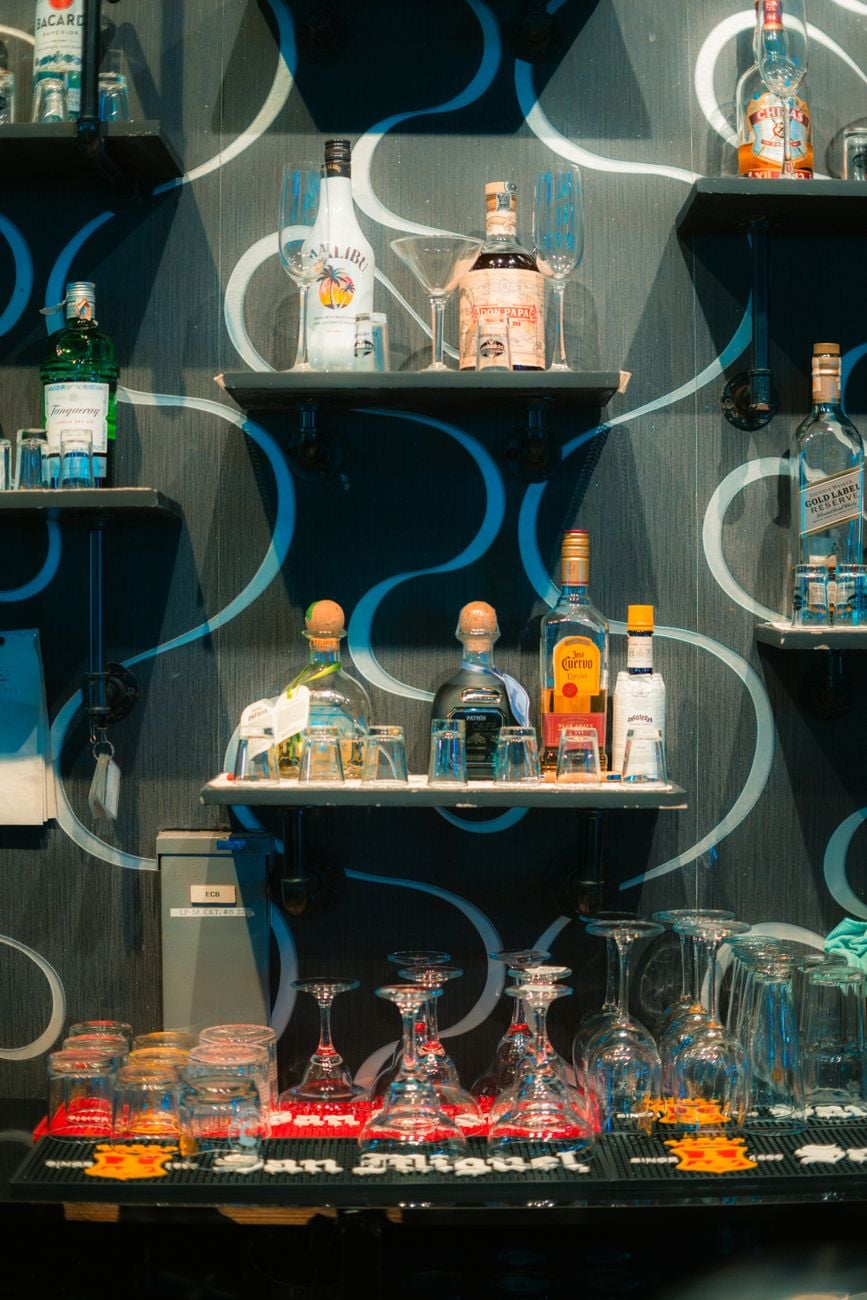
Manila's venue landscape changes quickly, so verify current operations before you travel. On the surviving Nakpil-Orosa strip in Malate, the two dependable gay bars are Che'Lu Bar & Restaurant — a long-running karaoke and drag venue that is now the district's flagship — and FAB Bar & Restaurant, a lively bar-restaurant with nightly performers. Karaoke is central to the Filipino gay scene, and both venues build their nights around singing, floor shows and affordable drinks. For a bigger club night, most locals now travel to O Bar in Ortigas (Pasig) or to venues in Quezon City and Makati.
Saunas
SAUNAS AND BATHHOUSES: Malate's older bathhouses have all closed. The one dedicated gay sauna operating within the City of Manila today is Elite Wellness Spa in Santa Mesa, offering a dry sauna, steam room, massage and a small lounge. Other well-known metro bathhouses — such as Club Bath in Pasay — sit outside the city limits.
PRIDE AND EVENTS
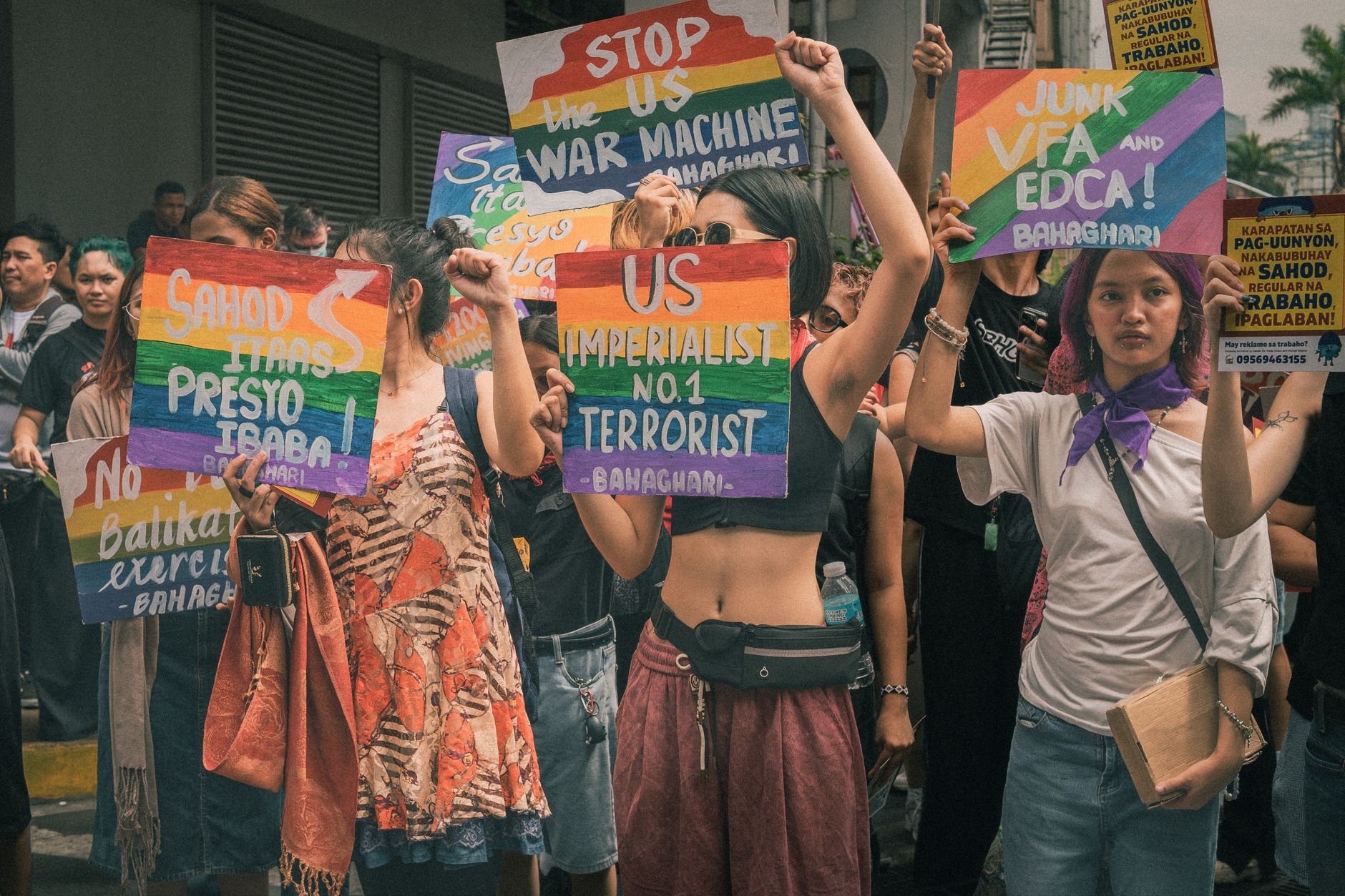
Pride in Metro Manila is celebrated in JUNE, not at year-end. The flagship is the Pride PH Festival (with the older Metro Manila Pride March), a huge free festival and march that has drawn well over 100,000 people; in recent years it has been staged in Quezon City (Quezon Memorial Circle / UP Diliman) rather than in the City of Manila. Manila's own contribution is historic and symbolic: the country's — and Asia's — first Pride march stepped off here in June 1994. During Pride season, Malate bars host parties and drag nights, and circuit events such as Intensity Manila appear on the calendar through the year.
WHERE TO STAY
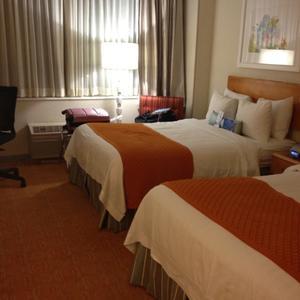
MALATE: Closest to the historic gay district, with atmospheric mid-range and budget hotels a short walk from the bars and from Manila Bay's sunset promenade. Good value and central for nightlife.
ERMITA / RIZAL PARK / INTRAMUROS: Convenient for sightseeing, budget to mid-range, and an easy walk or ride to Malate.
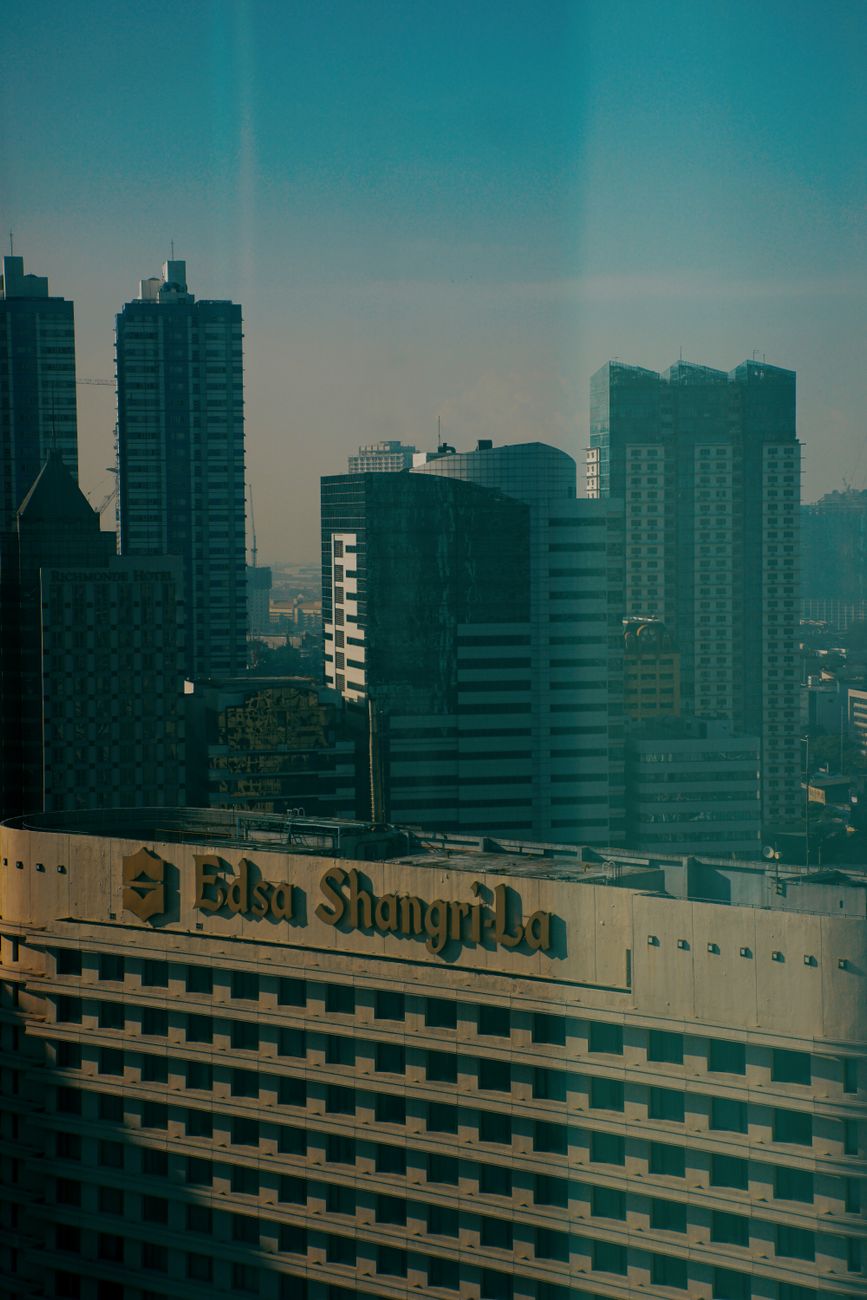
For upscale, international-standard hotels, many travellers base themselves in nearby Makati (a separate city), a 15–20 minute ride away.
LGBTQ+ travellers are generally safe in Manila's established gay areas. Same-sex activity is fully legal and Filipinos are broadly tolerant, though there is no legal recognition of same-sex couples, so exercise a little discretion with public displays of affection outside LGBTQ+-friendly zones. Observe normal big-city precautions: use Grab or registered taxis at night, keep valuables discreet, avoid poorly lit streets late, and be cautious meeting strangers who offer drinks or invitations. Petty theft and scams targeting tourists do occur.
TRANSIT
Manila is served by the LRT-1 (running down Taft Avenue past Malate) and LRT-2 / MRT-3 lines — cheap and quick but crowded at peak times. Grab ride-hailing is the easiest and safest way to move between Malate, Makati and Quezon City, especially at night. Traditional jeepneys and buses are very affordable but confusing for first-time visitors.
FOOD SCENE
Manila's food culture is exceptional. Malate and Ermita have casual restaurants, late-night eateries and karaoke joints; for fine dining and international cuisine, nearby Makati and Bonifacio Global City (both separate cities) lead the way. Don't miss Filipino staples such as adobo, sinigang and lechon, abundant seafood, and the ubiquitous local chain Jollibee.
DAY TRIPS AND ATTRACTIONS
INTRAMUROS: The historic Spanish walled city, with colonial architecture, churches and museums, sits right beside Malate.
RIZAL PARK (LUNETA): A large downtown park and national monument on Manila Bay.
TAGAYTAY: An upland town about 50km south with cooler air and Taal Volcano views.
CORREGIDOR ISLAND: A WWII fortress island reached by ferry from Manila Bay.
PRACTICAL INFORMATION
Language: English is widely spoken alongside Filipino (Tagalog). Currency: Philippine Peso (PHP); ATMs and card acceptance are common. Visas: many nationalities get 30-day visa-free entry — check current rules. Best time to visit: November–February (cooler, dry). Avoid the June–September typhoon season for travel, though Pride itself is in June.
CONCLUSION
Manila offers a uniquely Filipino LGBTQ+ experience — warm, affordable and resilient. While the once-legendary Malate scene has shrunk to a handful of survivors, the district retains genuine heart, the wider Metro Manila offers a fuller night out a short ride away, and Filipino hospitality makes the city one of Asia's most welcoming for queer travellers.
在馬尼拉市境內,Malate 是歷史悠久的同志區,以 Maria Orosa Street 和 J. Nakpil Street 為中心(而非紅燈區 M.H. del Pilar / P. Burgos 一帶)。當地的同志場景雖然已不如往昔,但仍保有馬尼拉現存的同志酒吧;而 Santa Mesa 則設有該市唯一的同志三溫暖。都會區多數的酷兒夜生活已轉移至鄰近城市,這些城市各自擁有專屬頁面——包括 Makati(Poblacion)與 Quezon City(Tomas Morato、Cubao)。
在 Malate,兩間可靠的同志酒吧是 Che'Lu Bar & Restaurant(提供卡拉 OK 和變裝秀,現為該區的代表性酒吧)以及 FAB Bar & Restaurant,兩者皆位於 Maria Orosa Street。Bed、Government 和 The Library 等歷史悠久的場館已結業。若想體驗更盛大的夜店之夜,當地人會前往 Ortigas(Pasig)的 O Bar——該店於 2013 年從 Malate 搬遷至此——或是前往 Makati 和 Quezon City。
馬尼拉都會區的同志驕傲慶典於六月舉行。旗艦活動 Pride PH Festival 與 Metro Manila Pride March 吸引超過十萬人參與,近年多在奎松市(Quezon Memorial Circle/UP Diliman)舉辦。馬尼拉在歷史上具有特殊地位,因為亞洲首場同志遊行即於 1994 年 6 月 26 日在此舉行。在驕傲季期間,Malate 一帶的酒吧會舉辦派對與變裝秀之夜。



 同志酒吧與俱樂部