Dubrovnik has become an increasingly welcoming destination for LGBTQ+ travelers, though it's important to understand the city within Croatia's broader social context. While younger, urban Croatians tend toward progressive attitudes, the country remains predominantly Catholic and socially conservative in many areas. Dubrovnik itself—as a major international tourist hub—has developed genuine LGBTQ+ friendliness, particularly during summer months.
History and Current Scene
Croatia decriminalized homosexuality in 1977 (as one of the former Yugoslav republics), and same-sex life partnerships became legal in 2014. Dubrovnik's LGBTQ+ community and visibility have grown substantially over the past decade, driven partly by tourism and international investment. The city's gay scene is relatively small but established, with a handful of dedicated venues and many others that are simply welcoming to all visitors. Unlike larger European cities, Dubrovnik doesn't have a distinct gay neighborhood—instead, LGBTQ+-friendly spaces are distributed throughout the Old Town and harbor areas.
Geography and Neighborhoods
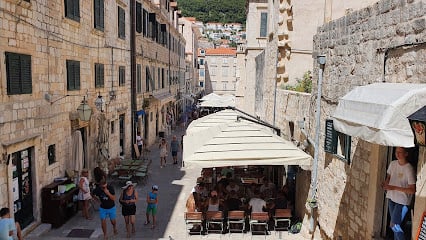
Dubrovnik's Old Town is extremely compact, roughly 350 meters east to west and 220 meters north to south, enclosed entirely by medieval walls. The Stradun, the main limestone-paved street running through the center, connects the Pile Gate (western entrance) to the Ploče Gate (eastern entrance). This street and its surrounding plazas—particularly Luža Square near the harbor—form the social and commercial heart of the city.
The harbor waterfront, accessible from Luža Square, has undergone significant development and now features numerous cafés, bars, and restaurants with outdoor seating overlooking Adriatic views. This area is popular with international visitors and LGBTQ+ travelers, with a notably cosmopolitan atmosphere.
The area around the Dominican Monastery and the eastern portions of the Old Town tend to be quieter and less touristy, though still welcoming.
Key Venues
Dubrovnik's gay scene is intimate rather than extensive. Visitors should be aware that specific venues may change seasonally or transition over time; as of recent reports, the following have been popular with LGBTQ+ visitors:
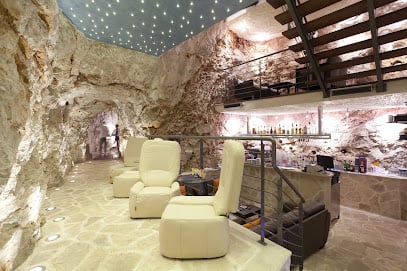
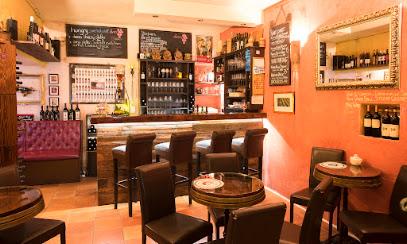
Dubrovnik's one dedicated gay venue is MILK fun area & cocktails (Ul. Marojice Kaboge 8), which opened in the Old Town in 2022 as the city's first gay bar — a small, gay-owned cocktail spot with DJs and an easygoing, mixed crowd. Beyond MILK, several waterfront and Old Town establishments are known for welcoming LGBTQ+ patrons: the cliffside Buža Bar built into the city walls, the atmospheric Cave Bar More in Lapad, and D'Vino Wine Bar in the Old Town all draw a mixed crowd including LGBTQ+ visitors, even if they are not explicitly marketed as gay venues. The Troubadour jazz café on Bunićeva poljana is another long-standing gay-friendly hangout.
Clubs and Nightlife: Dubrovnik's nightlife is relatively modest compared to major European cities. Dance clubs operate seasonally and with varying popularity, and MILK doubles as the closest thing the Old Town has to a queer dance spot on busy summer nights.
No dedicated gay saunas or bathhouses are widely known to operate in Dubrovnik itself, though the broader region may have options.
Pride and Events
Dubrovnik does not have its own Pride march. Croatia's Pride events are held elsewhere: Zagreb Pride (Povorka ponosa) each June in the capital is the largest, and Split Pride, also in June, is the closest major celebration on the Dalmatian coast. LGBTQ+ travellers based in Dubrovnik typically combine their visit with one of these, or simply enjoy the city's relaxed summer scene.
Dubrovnik's own summer calendar is dominated by the Dubrovnik Summer Festival (Libertas) of theatre and music from mid-July to late August, which draws a diverse, international and LGBTQ+-friendly audience.
Other summer events, including international music and theatre festivals, often feature LGBTQ+-friendly programming and attract diverse crowds.
Where to Stay
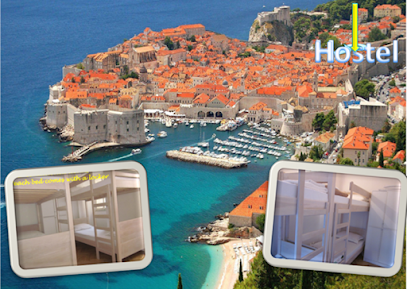
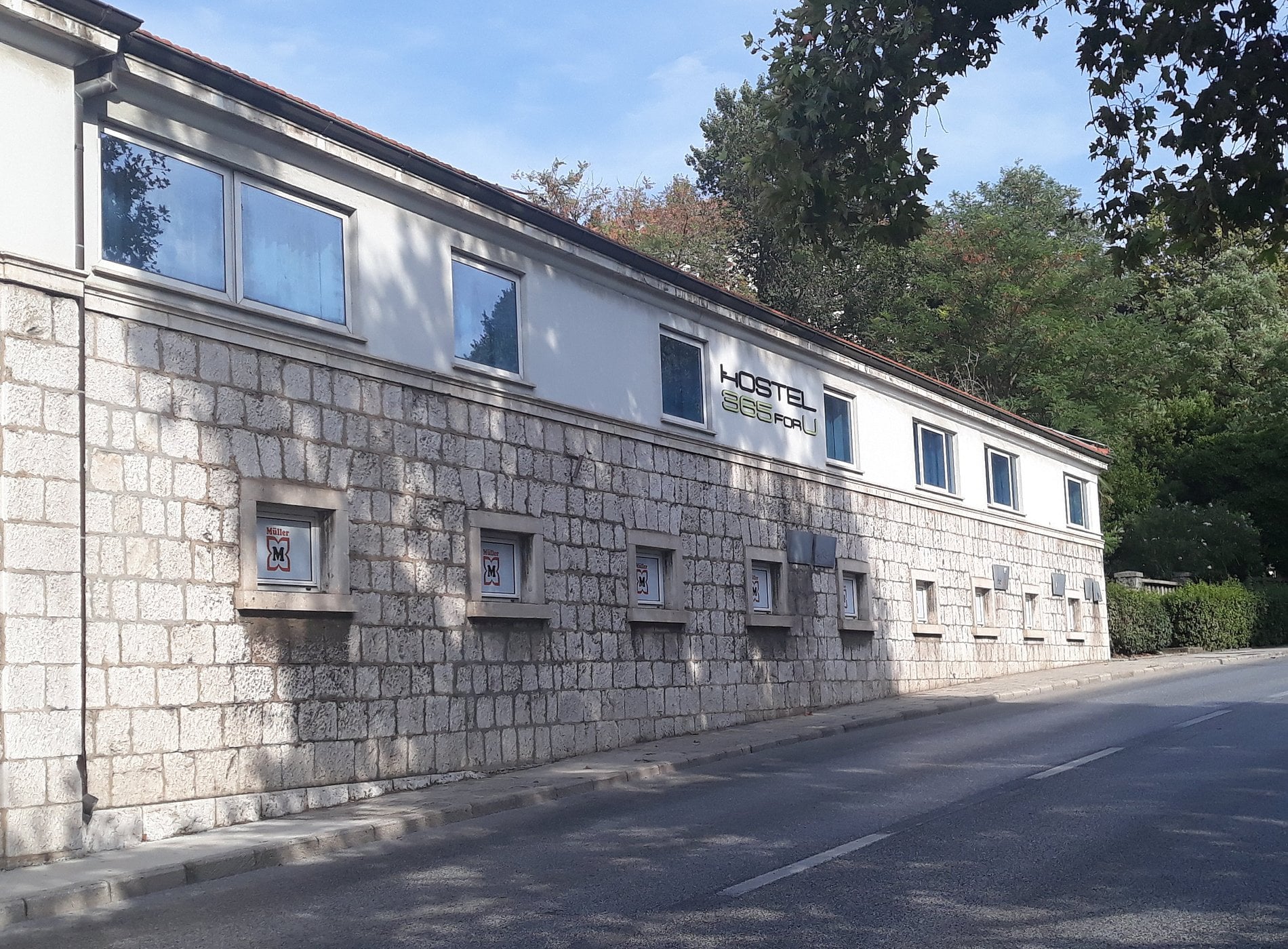
Accommodation ranges from luxury hotels to private apartments and hostels. Several hotels and guesthouses, particularly those catering to international visitors, are notably welcoming to LGBTQ+ guests. The Old Town offers the most central location but is also the most expensive and touristy. The Lapad neighborhood, a short bus ride or 20-minute walk west, offers a more residential feel with beaches, pine forests, and a mix of accommodation options. Gruž, the port area north of the Old Town, has modern hotels and less medieval tourism density.
Booking platforms like Airbnb, Booking.com, and specifically gay-friendly sites like misterb&b offer options throughout the city. During Pride week, accommodation sells out entirely—advance booking (months in advance) is not just recommended but necessary.
Dubrovnik itself is generally very safe, with high police presence and extensive CCTV. Tourist areas are secure and welcoming. Walking through the Old Town at night is common and feels safe. As an international tourist destination, the city maintains a cosmopolitan atmosphere where LGBTQ+ visitors and couples are not unusual or unwelcome.
That said, outward displays of affection between same-sex couples may draw attention in some contexts, particularly outside major tourist zones or outside summer season. Public hand-holding or kissing is not dangerous but may attract stares in less touristy areas. Within the Old Town and tourist areas, LGBTQ+ visibility is normalized.
It's worth noting that while Dubrovnik and Zagreb are Croatia's most LGBTQ+-friendly cities, attitudes in smaller towns and rural areas remain more conservative. Traveling as an openly LGBTQ+ couple in major tourist zones is straightforward; elsewhere in Croatia requires somewhat more discretion, though Croatia is not a dangerous country for LGBTQ+ travelers.
Transportation
Dubrovnik has excellent connections to the broader region. The Dubrovnik Airport (Čilipi) is 18 kilometers south; shuttle buses, taxis, and ride-share services connect it to the city center (approximately 30-45 minutes depending on traffic). Bus service is reliable and inexpensive.
Within Dubrovnik, the Old Town is entirely walkable and most attractions are within a 15-minute walk of central plazas. Local buses serve the Lapad and Gruž neighborhoods. Taxis are available and reasonably priced. Scooter and car rentals are common for exploring beyond the immediate city.
Ferries connect Dubrovnik to nearby islands including Lopud, Šipan, and Koločep (the Elafiti Islands). Ferry service also extends to other Dalmatian islands and the Balkans. These day trips are straightforward and popular.
Food and Dining
Dubrovnik's food scene reflects Dalmatian cuisine: fresh seafood, locally produced wines (particularly white wines from the region), grilled meats, and Mediterranean vegetables. The harbor area, while touristy, offers reliable quality. Many restaurants cater to international visitors without compromising authenticity. Local specialties include peka (slow-cooked meat and vegetables), risotto with seafood, and fresh grilled fish.
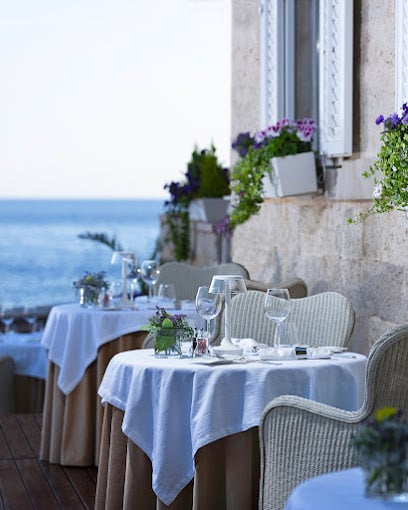
Nautika and Proto, along with similar establishments, offer upscale local dining. Casual waterfront tavernas are atmospheric and less expensive. Several wine bars throughout the Old Town showcase Croatian wines. The city accommodates dietary preferences and restrictions readily, as tourism is the primary industry.
Several compelling day trips extend from Dubrovnik:
Elafiti Islands: Ferries (20-30 minutes) connect to Lopud, Šipan, and Koločep. These less-touristy islands offer beaches, hiking, small villages, and a relaxed atmosphere.
Cavtat: A charming small town 20 kilometers south, easily reached by local bus (30 minutes). Features museums, beaches, and a slower pace.
Mountain Hikes: The surrounding Dalmatian mountains offer hiking trails with panoramic views. Mount Srđ (elevation 412 meters) overlooks the city; a cable car ascends from the north side (though the walk is also popular).
Wine Country: Nearby wine regions produce excellent Malvasia and other white wines. Organized tours or self-guided visits to small family wineries are feasible day trips.
Monasteries and Historical Sites: Trsteno Arboretum, Konavle villages, and various monasteries scatter throughout the region.
Bay of Kotor (Montenegro): Approximately 1.5 hours south by car or bus, across the Montenegrin border. This dramatic fjord-like bay with historic towns is a classic side trip.
Cultural Considerations
While Dubrovnik is LGBTQ+-friendly in a tourist context, it's part of Croatia, a predominantly Catholic and socially conservative country by Western European standards. LGBTQ+ Croatians work continuously for greater acceptance and rights. Respectful engagement with local culture—understanding that acceptance is growing but still evolving—reflects awareness of these dynamics.
Many local LGBTQ+ individuals and organizations in Dubrovnik and throughout Croatia work on visibility and rights. International visitors spending money at LGBTQ+-friendly businesses provide economic incentive for businesses to maintain welcoming environments.
Final Notes
Dubrovnik offers LGBTQ+ travelers a genuine experience: a beautiful historic city with expanding LGBTQ+ community visibility, particularly during the summer months. The scene is smaller and more integrated than in some destinations, but that reflects the city's character generally—intimate, walkable, social, and genuinely welcoming to international visitors.
Best visited June through September for warm weather and maximum social programming. Spring and fall offer fewer crowds and pleasant weather. Winter is quieter, though milder than northern Europe; some venues close seasonally.
The city works best as part of a larger Dalmatian or Croatian trip, with easy connections to islands, other coastal towns, and Zagreb. For LGBTQ+ travelers seeking cultural tourism, natural beauty, and welcoming social spaces without massive gay scene infrastructure, Dubrovnik is an increasingly reliable choice.
杜布羅夫尼克沒有舉辦自己的同志遊行。最近且規模最大的克羅埃西亞同志遊行是薩格勒布 Pride 和斯普利特 Pride,兩者皆於每年六月舉行。許多 LGBTQ+ 旅客會將杜布羅夫尼克之旅與其中之一結合,或單純享受這座城市悠閒的夏日氛圍。
杜布洛夫尼克有一家專營的同志酒吧:位於老城區 Ul. Marojice Kaboge 街的 MILK fun area & cocktails,於 2022 年開幕,是該市第一間同志場所。這是一間由同志經營的小型調酒酒吧,氛圍輕鬆自在,顧客群體多元。除了 MILK 之外,當地的同志場景並非像札格雷布或斯普利特那樣集中於幾間同志俱樂部,而是融入在對同志友善的主流酒吧之中。
MILK(舊城區)是該市專為男同志打造的酒吧。其他值得信賴的男同志友善場所包括舊城區的 D'Vino Wine Bar 和 Troubadour jazz café、懸崖邊的 Buža Bar,以及 Lapad 的 Cave Bar More——這些都是歡迎多元客群、男女混合的聚會場所。



 同志酒吧與俱樂部
精選
(1173)