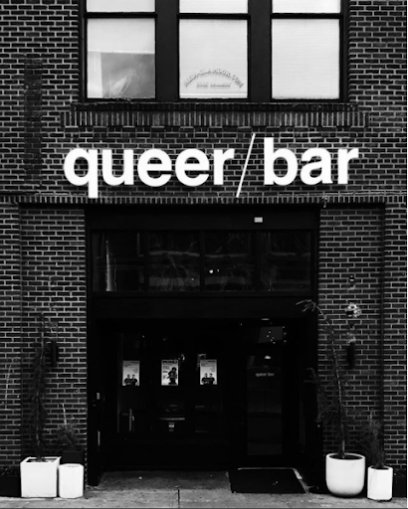
An explicitly queer-identified bar in the Tkalčićeva area — a more politically engaged alternative to the mainstream gay bars, with a programming focus on queer community events, film screenings, and…
The queer-feminist, anti-fascist association that organises Zagreb Pride (Povorka ponosa), the annual Pride march held every June since 2002 — the first Pride march in any post-Yugoslav country.
Zagreb has become more open and tolerant, particularly among younger generations. Same-sex partnerships are legally recognized, and anti-discrimination laws protect LGBTQ+ individuals. This legal progress has led to more visible LGBTQ+ spaces and events, though Zagreb remains more conservative in some areas compared to major Western European cities.
Neighborhoods and Geography
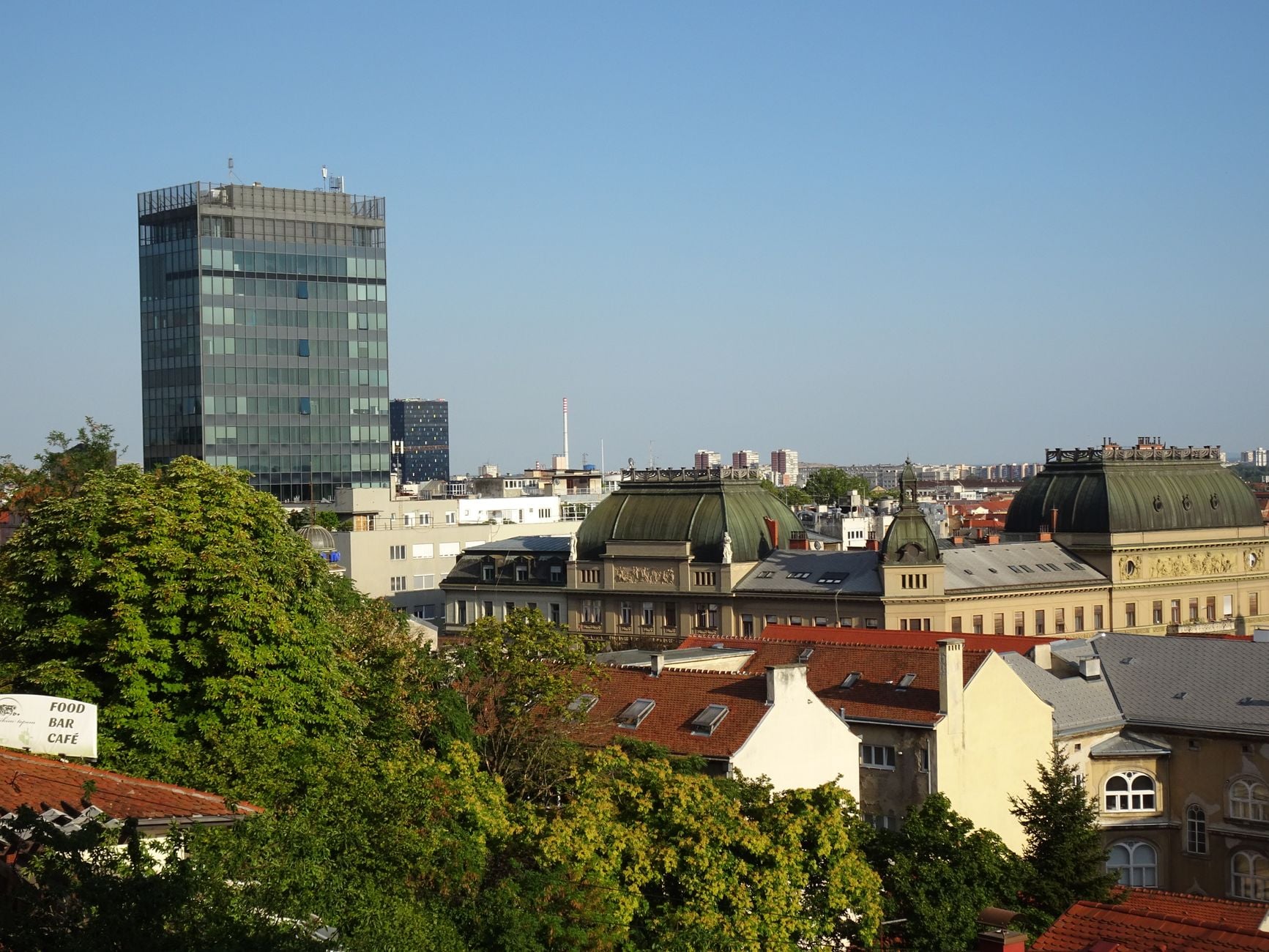
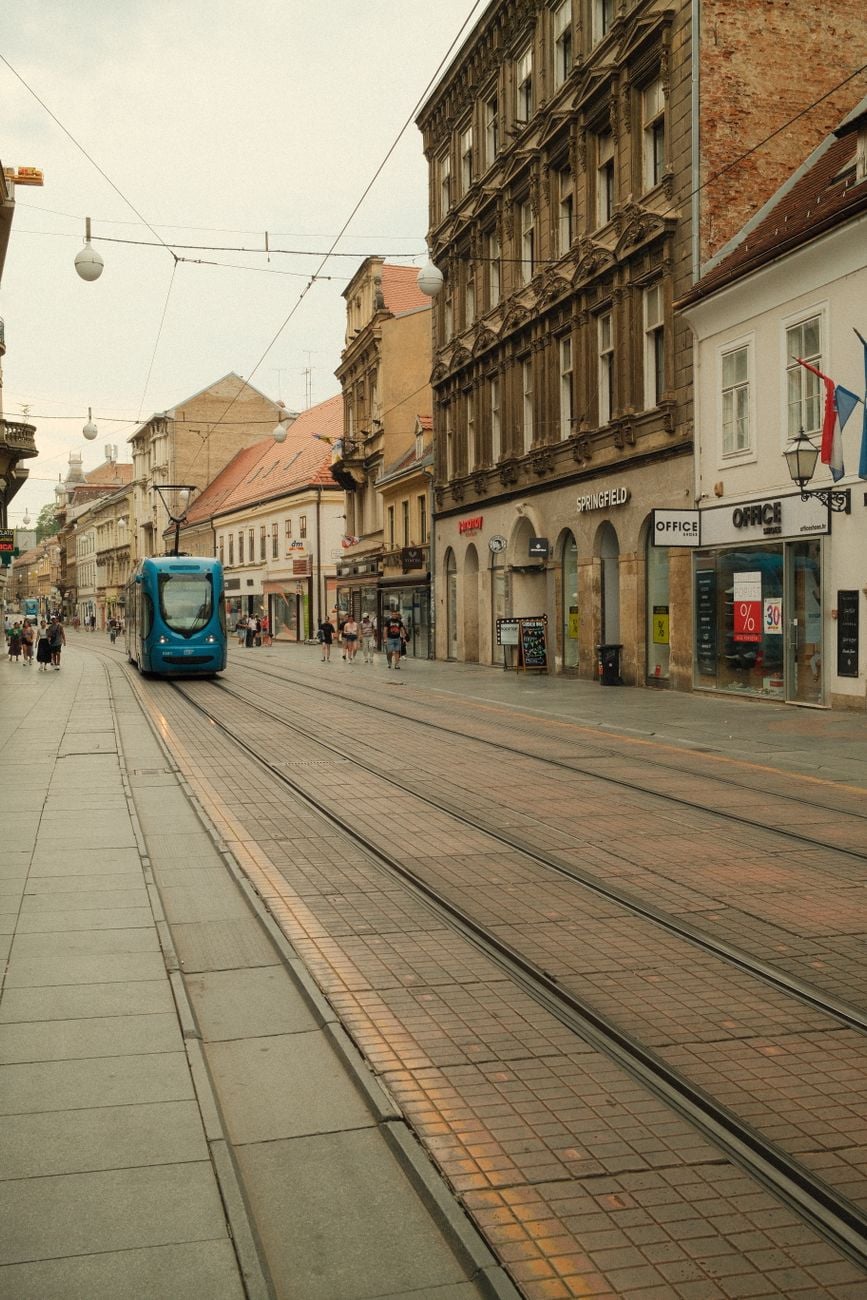
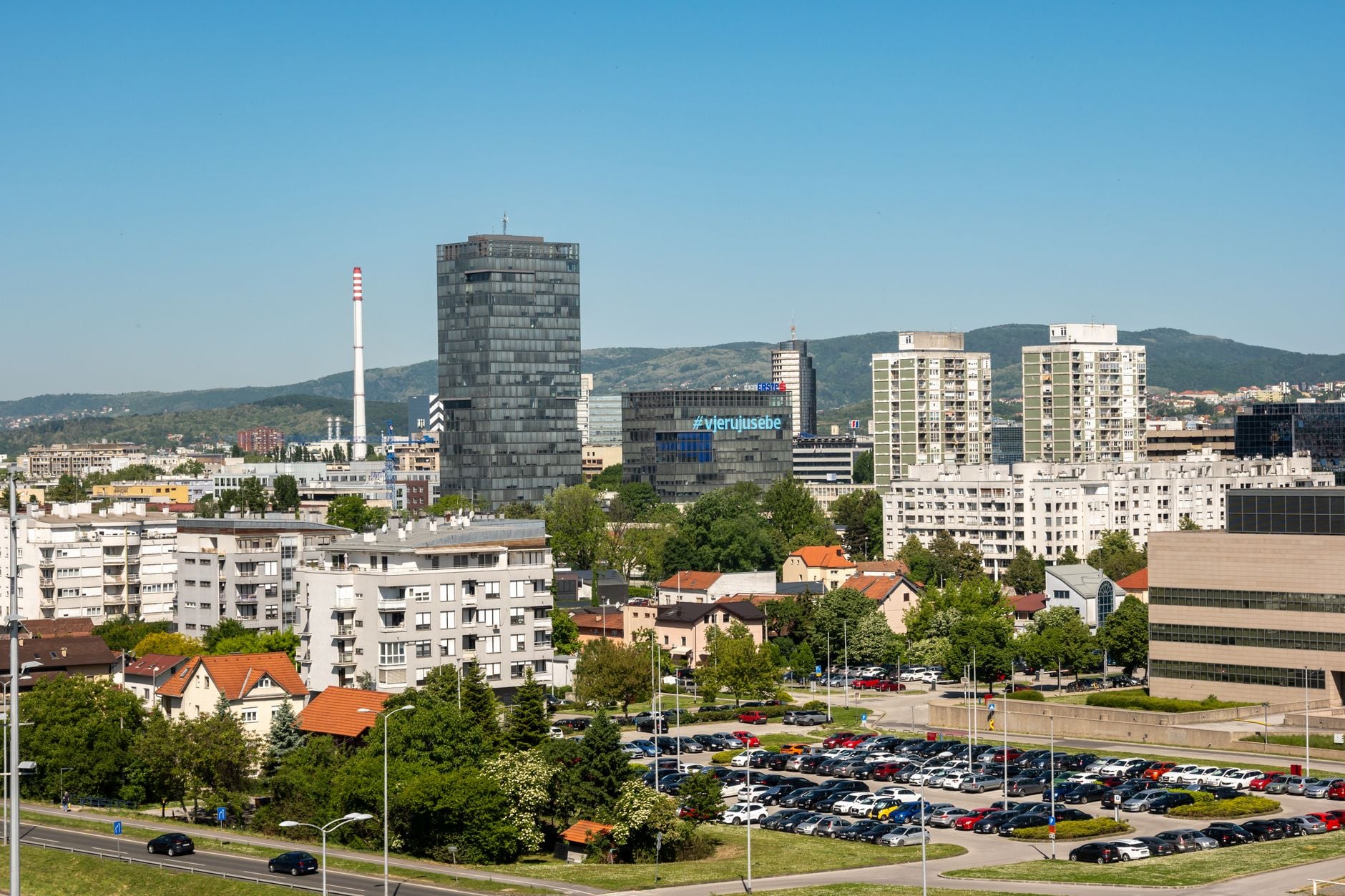
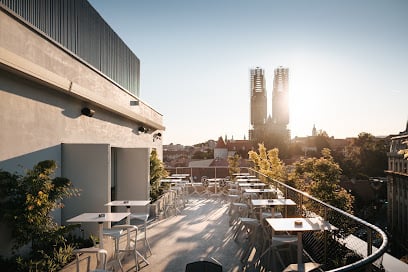
The primary LGBTQ+ scene is centered in Donji Grad, Zagreb's lower downtown, the city's main commercial and cultural district. This walkable neighborhood hosts most LGBTQ+ venues, alongside restaurants, cafes, and shops. The broader city center, including areas around Ban Jelačić Square, is also welcoming. Tkalčićeva Street in the Upper Town — a pedestrianised café-and-bar strip — and the streets of Donji Grad hold most of the going-out options. The city center is compact, with most attractions within walking distance or a short tram ride.
Venues and Nightlife
Zagreb's dedicated LGBTQ+ nightlife is small but real. Queer Bar on Tkalčićeva Street is an explicitly queer, community-minded bar with film screenings and activist events; Rush is the city's main gay dance club, with weekend drag nights; and Hotpot on Petrinjska is a well-liked LGBTQ+ late-night bar. Zagreb also has one dedicated gay sauna, Sauna Centar (Prilaz Gjure Deželića). These venues are casual and welcoming, drawing a mix of locals and visitors. Many gay-friendly establishments throughout the city center welcome LGBTQ+ patrons without explicitly marketing themselves as such.
The nightlife includes clubs hosting themed nights and dance events for LGBTQ+ audiences, especially on weekends. Mainstream clubs also welcome LGBTQ+ crowds. Information on specific venues can change, so checking current local resources or asking at hotels or tourist information for up-to-date recommendations is advisable.
Zagreb Pride typically occurs in June and is the city's most significant LGBTQ+ event. The Pride march draws participants from across Croatia and the region, with surrounding events including parties, cultural activities, film screenings, and exhibitions. The celebration has gained broader support, with local government and business participation. Attending during Pride week offers a chance to experience the city's LGBTQ+ community at its most visible.
Beyond Pride, Zagreb hosts occasional LGBTQ+ film festivals, cultural events, and smaller community gatherings. Local LGBTQ+ organizations often announce upcoming events on their websites and social media.
Accommodations
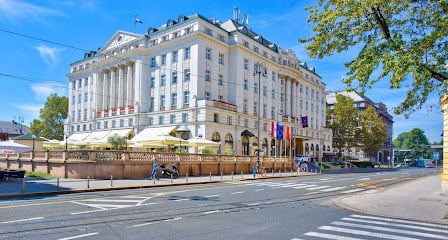
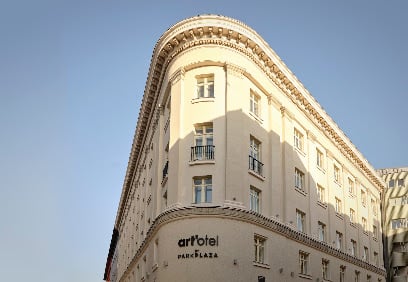
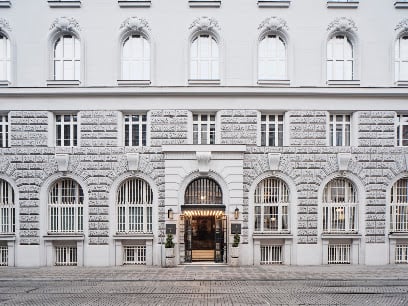
Zagreb offers numerous hotels in the city center and Donji Grad. While there are no explicitly "gay hotels," many accommodations are welcoming to LGBTQ+ guests, and travelers will find major hotel chains and boutique properties accommodating. Mid-range and luxury hotels are prevalent in the city center, with budget options available slightly further out. Booking through general travel platforms and reading reviews that mention LGBTQ+ experiences can help identify particularly welcoming properties.
Zagreb's city center is highly walkable. The public transportation system of trams and buses is clean, efficient, and inexpensive. A single 30-minute tram ticket costs around €0.53 (Croatia adopted the euro in January 2023). The city is small enough that extensive transit use is often unnecessary. Taxis are widely available and reasonably priced, and ride-sharing apps also operate. The airport is approximately 17 kilometers from the city center, accessible via shuttle buses, trains, or taxis.
Food and Dining
Zagreb has become a notable culinary destination. The restaurant scene includes traditional Croatian cuisine, international options, and modern fusion cooking. Dolac Market in the city center offers fresh produce and local foods. Popular dining areas include the pedestrian streets of the old town and newer restaurant developments in Donji Grad. Most restaurants in the city center are LGBTQ+-friendly.
Safety and Local Attitudes
Zagreb is generally a safe city for LGBTQ+ travelers. The city center and Donji Grad neighborhoods are well-populated and well-lit. Basic urban safety precautions are recommended. While Croatia has made legal progress on LGBTQ+ issues, attitudes vary. Younger, urban populations tend to be more progressive, while some more conservative areas exist. Public displays of affection in the city center are generally safe and unproblematic; however, exercising common sense, as one would in any city, is advisable, particularly outside the main tourist areas.
The local LGBTQ+ community is welcoming and helpful to visitors. Local organizations actively promote acceptance and visibility, and the city's progress suggests genuine changes in broader attitudes.
Day Trips and Nearby Attractions
Zagreb's location provides several day trip options. Plitvice Lakes National Park, about 140 kilometers away, features cascading lakes and waterfalls. Samobor, a charming town 25 kilometers from Zagreb, offers historic architecture and cafes. The Medvednica Mountain region north of the city provides hiking trails and views over Zagreb.
Practical Information
Croatia uses the euro, which it adopted in January 2023 (replacing the Croatian kuna). ATMs are plentiful, and most major card networks are accepted. Travel insurance is recommended. Visas are not required for stays up to 90 days for citizens of the EU/EEA, US, Canada, Australia, and New Zealand.
Frequently asked questions
Croatia has progressively expanded legal protections for LGBTQ+ individuals, with same-sex civil partnerships legalized in 2014. While the scene is authentic and welcoming, it's important to be aware of your surroundings as in any city.
The most visible and established LGBTQ+ community and venues are concentrated in the central Donji Grad district. This area features wide boulevards and is easily explorable on foot.
Yes. Zagreb has a small but real cluster of dedicated gay venues: Queer Bar on Tkalčićeva Street is an explicitly queer, community-minded bar; Rush is the city's main dedicated gay club, with weekend drag nights; and Hotpot on Petrinjska is a popular LGBTQ+ late-night bar. Zagreb also has one dedicated gay sauna, Sauna Centar. Alongside these, many mainstream bars and cafés across Donji Grad and the Upper Town are welcoming to LGBTQ+ visitors.
Zagreb Pride — the Povorka ponosa — is held annually in June (the 2026 march is on 6 June). First held in 2002, it was the first Pride march in any post-Yugoslav country and has grown into one of the largest LGBTQ+ events in the region, with a week-long Pride programme of parties, film screenings and cultural events, much of it linked to the Queer Zagreb festival in May.
The LGBTQ+ scene in Zagreb is described as small compared to Western European capitals, but it is authentic, welcoming, and increasingly confident. The distinction between 'gay' and 'straight' spaces is less pronounced than in some other cities.
The most atmospheric strip is Tkalčićeva Street in the Upper Town — pedestrianised and lined with bars and cafés, and home to Queer Bar. In the Lower Town (Donji Grad), Petrinjska Street has the LGBTQ+ bar Hotpot, and the streets radiating from Ban Jelačić Square, including Masarykova, hold many gay-friendly cafés and bars.
Your privacy choices.
We use cookies to run GayOut and, with your consent, measure usage. Learn more
Your privacy choices
We use cookies to keep GayOut running, remember your preferences, and (with your permission) measure how the site is used. You can accept all, reject all, or pick what you allow. Learn more
Essential
Required for sign-in, fraud prevention, CSRF protection and remembering your language. Cannot be disabled.
Always on
Remembers your favourites, dark mode and other interface preferences across visits.
Helps us understand which pages people visit (Google Analytics, server-side stats) so we can improve.
Used by campaign tracking pixels. None are active right now, reserved for future use.
Install GayOut
Add GayOut to your home screen for faster access, offline favourites, and Pride alerts.


 Gay Bars & Clubs
Featured
(816)
Gay Bars & Clubs
Featured
(816)