Rijeka: A Guide to Croatia's Emerging LGBTQ+ Destination
Introduction
Rijeka occupies a unique position in Croatian LGBTQ+ tourism. As the country's primary seaport and third-largest city, it has historically been more progressive and cosmopolitan than inland regions, yet it remains relatively undiscovered by international gay travelers compared to Zagreb or the Dalmatian coast. This guide covers what visitors need to know about exploring Rijeka's queer scene, culture, and attractions.
History and Context
Croatia has made significant progress on LGBTQ+ rights since independence in the 1990s. Same-sex civil partnerships were legalized in 2014, followed by same-sex marriage in 2015. Anti-discrimination laws protect sexual orientation and gender identity in employment, housing, and services. However, social attitudes in more rural or conservative areas can be mixed, particularly among older generations. Major cities like Zagreb and the coastal tourist centers are generally very welcoming.
Rijeka's particular history as a major European port city—with significant Jewish, Greek, and Central European communities throughout its past—created a more cosmopolitan baseline than many Croatian cities. While the city experienced economic decline in the post-Yugoslav period, revitalization efforts over the past fifteen years have attracted younger residents and creative professionals, contributing to a more progressive social environment.
Neighborhoods and Orientation
Rijeka's city center is relatively compact and easily walkable. Korzo, the famous pedestrian promenade running through the heart of downtown, serves as the social spine of the city and is where much of the visible LGBTQ+ life naturally congregates. The area around Korzo includes several small squares, cafes, and bars where locals gather.
The Centar (downtown) district is the primary area for visitors, containing most restaurants, bars, and cultural institutions. The Zavod neighborhood, east of the center, has developed an increasingly artistic character with galleries, studios, and alternative venues. The waterfront area, recently revitalized with new promenades and cultural spaces, offers scenic walks and outdoor dining.
Venues and Social Spaces
Rijeka's LGBTQ+ social scene is less concentrated in dedicated gay venues than in larger cities, which reflects both the smaller overall community size and a more integrated social atmosphere. Rather than a "gay district," queer locals and visitors mix throughout downtown venues.
Several bars and cafes along or near Korzo are known as friendly gathering spots, though specific venues change and it's advisable to check current local recommendations upon arrival. The city's cafe culture is strong, and many daytime spots are welcoming regardless of sexual orientation or gender identity. Evening social life tends to concentrate in bars and clubs scattered throughout downtown.
Rijeka does not currently have dedicated saunas or sex venues catering specifically to gay clients, though online apps serve the local community for connections and information.
Cultural Events and Pride
Rijeka Pride typically takes place in June and has grown substantially over the past several years. The event includes a pride parade through the city center, outdoor festival activities, performances, and various social events at local venues. The celebration attracts participants from across the Balkans and demonstrates significant local support from residents and city government.
Beyond Pride, Rijeka hosts numerous cultural events throughout the year including film festivals, theater performances, and art exhibitions that attract diverse audiences. The city's status as the 2020 European Capital of Culture (postponed due to COVID and celebrated in 2021) brought increased attention to its cultural institutions and programming.
Where to Stay
Rijeka offers accommodation across all budget levels. Staying in the Centar district allows walkable access to restaurants, bars, and attractions. Several hotels and hostels cater specifically to gay travelers or maintain welcoming reputations within the community. Booking platforms and local LGBTQ+ travel groups can provide current recommendations for accommodations with positive reviews from queer guests.
Guesthouses and boutique hotels throughout downtown offer intimate experiences and often feature knowledgeable staff familiar with local LGBTQ+ spaces and culture.
Rijeka, as a major city, is generally safe for LGBTQ+ travelers. Public displays of affection between same-sex couples are not illegal and are increasingly normalized in the city center and among younger residents. However, discretion remains advisable in more peripheral areas or smaller surrounding towns.
Croatia's legal protections for LGBTQ+ people are comprehensive, and discrimination based on sexual orientation or gender identity is prohibited in employment, housing, services, and public accommodation. Legal recognition of gender identity exists through administrative procedures.
Transit and Getting Around
Rijeka is compact enough to explore on foot, particularly the downtown area. Public transportation includes buses covering the wider city and surrounding areas. The central bus station connects Rijeka to other Croatian cities and regional destinations. The port area, though functioning as a working harbor, has sections open to public access with scenic waterfront promenades.
Access to the city is straightforward via bus from Zagreb (approximately 2 hours) or Split (approximately 3 hours). Regional buses and trains provide connections throughout Croatia and to neighboring countries.
Food and Dining
Rijeka's restaurant scene has expanded considerably and reflects both traditional Adriatic cuisine and contemporary international cooking. The city's position on the coast means excellent fresh seafood, while the cosmopolitan population has brought diverse dining options. Konoba-style restaurants serving traditional fare sit alongside modern establishments, craft cocktail bars, and international cuisines.
The Korzo area and surrounding downtown streets contain the highest concentration of restaurants and casual eating spots. Markets selling fresh produce, seafood, and local products provide options for self-catering.
Day Trips and Nearby Attractions
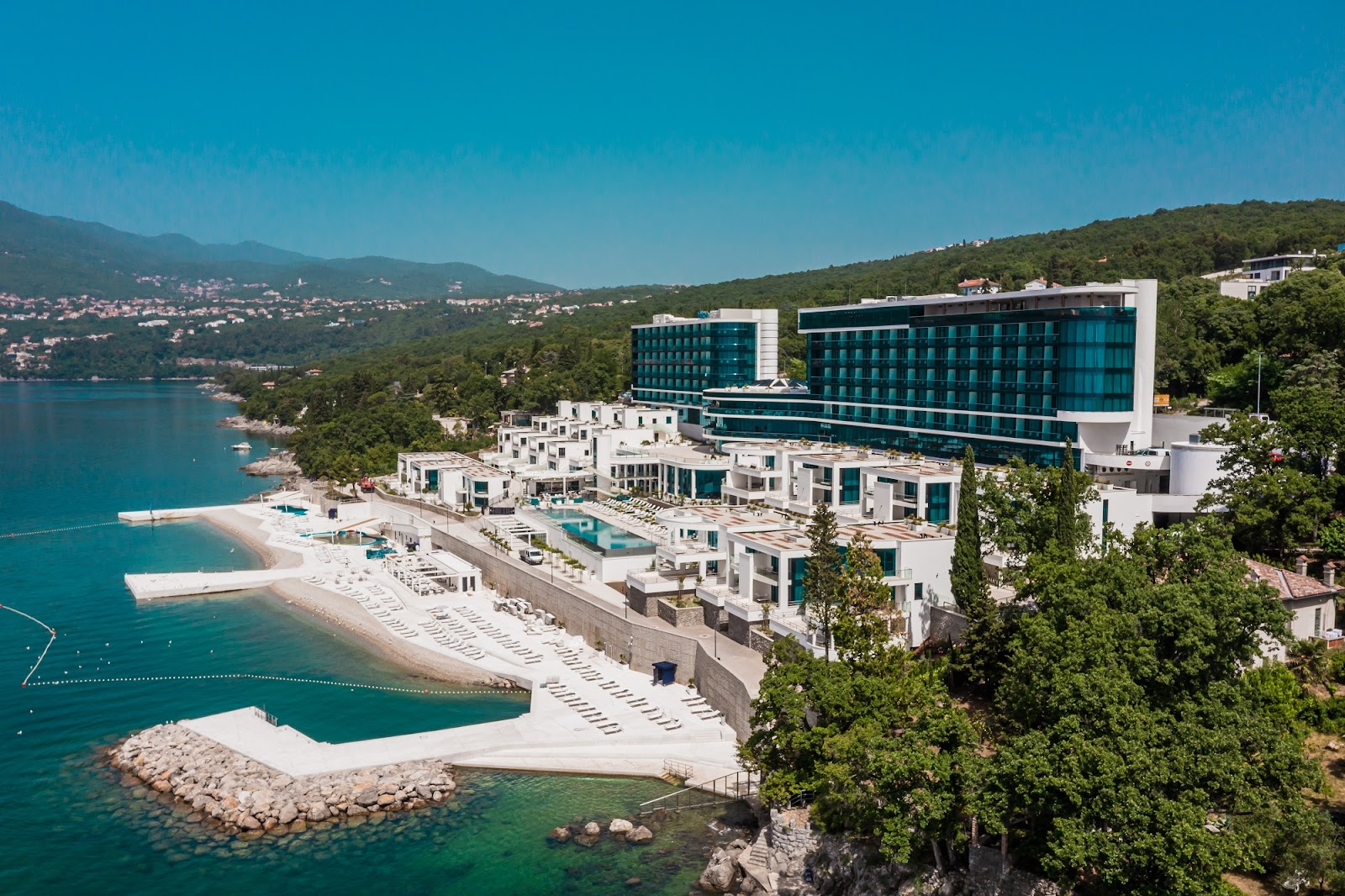
Rijeka serves as a gateway to several worthwhile destinations. The Opatija Riviera, a scenic coastal area east of Rijeka developed in the Austro-Hungarian era, offers elegant promenades, pebble beaches, and resort towns accessible by local buses or short drives. Lovran, a particularly picturesque town within the Riviera, provides beautiful coastal walks and a relaxed atmosphere.
Opatija itself, about 15 kilometers from downtown Rijeka, functions almost as a beach suburb and is easily reached by local transportation. The area offers a more traditional resort experience while remaining accessible to Rijeka's urban amenities.
The Risnjak National Park, though further inland, provides hiking and nature experiences for day trips. Several small coastal towns and islands are accessible by ferry or drive for those seeking beach time.
Practical Information
Rijeka uses the Croatian Kuna (HRK), though the Euro is increasingly accepted. ATMs are widely available. Most younger residents and those in tourism speak English, and many speak additional European languages.
The city's waterfront continues ongoing revitalization, with new cultural institutions, restaurants, and public spaces being developed. This dynamic environment means some information becomes outdated, so checking current local sources and recent travel reports is always advisable.
Conclusion
Rijeka offers LGBTQ+ travelers an alternative to Croatia's better-known destinations. The city provides genuine local culture, progressive values, increasingly visible queer community presence, and a welcoming atmosphere without the overwhelming tourism infrastructure of Split or Dubrovnik. Visitors seeking authentic urban European experience combined with Adriatic coastal access will find Rijeka rewarding.
Frequently asked questions
Croatia has anti-discrimination laws protecting sexual orientation and gender identity. While social attitudes can be mixed in more rural areas, major cities like Rijeka are generally welcoming.
Rijeka's LGBTQ+ life tends to congregate around Korzo, the main pedestrian promenade in the city center. The Centar district, which includes Korzo, has most of the restaurants, bars, and cafes where locals and visitors mix.
Rijeka's LGBTQ+ social scene is less concentrated in dedicated gay venues compared to larger cities. The atmosphere is more integrated, with queer locals and visitors mixing in various cafes and bars, particularly around the Korzo area.
The Centar (downtown) district is recommended as it contains most restaurants, bars, and cultural institutions, and is where much of the visible LGBTQ+ life congregates. The Zavod neighborhood, east of the center, also has an artistic character with alternative venues.
The provided guide does not mention specific dates for Pride events in Rijeka.
Rijeka has a more progressive and cosmopolitan atmosphere due to its history as a major port city. The LGBTQ+ scene is more integrated rather than concentrated in specific venues, with locals and visitors mixing in the city center.
Your privacy choices.
We use cookies to run GayOut and, with your consent, measure usage. Learn more
Your privacy choices
We use cookies to keep GayOut running, remember your preferences, and (with your permission) measure how the site is used. You can accept all, reject all, or pick what you allow. Learn more
Essential
Required for sign-in, fraud prevention, CSRF protection and remembering your language. Cannot be disabled.
Always on
Remembers your favourites, dark mode and other interface preferences across visits.
Helps us understand which pages people visit (Google Analytics, server-side stats) so we can improve.
Used by campaign tracking pixels. None are active right now, reserved for future use.
Install GayOut
Add GayOut to your home screen for faster access, offline favourites, and Pride alerts.


 Gay-Friendly Hotel
(59)
Gay-Friendly Hotel
(59)






![ONE DAY IN DUBROVNIK - Don't Miss Things To Do [TRAVEL VLOG]](https://i.ytimg.com/vi/mmS9BLKYIig/hqdefault.jpg)