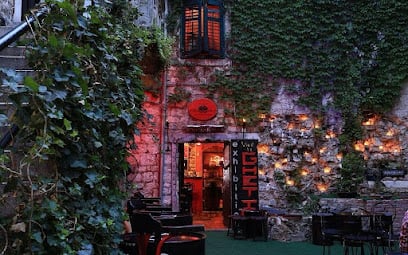
Long-running alternative club inside Diocletian's Palace walls — gay-friendly and consistently welcoming to the LGBTQ+ community, with a music programme that covers alternative, indie, and electronic.
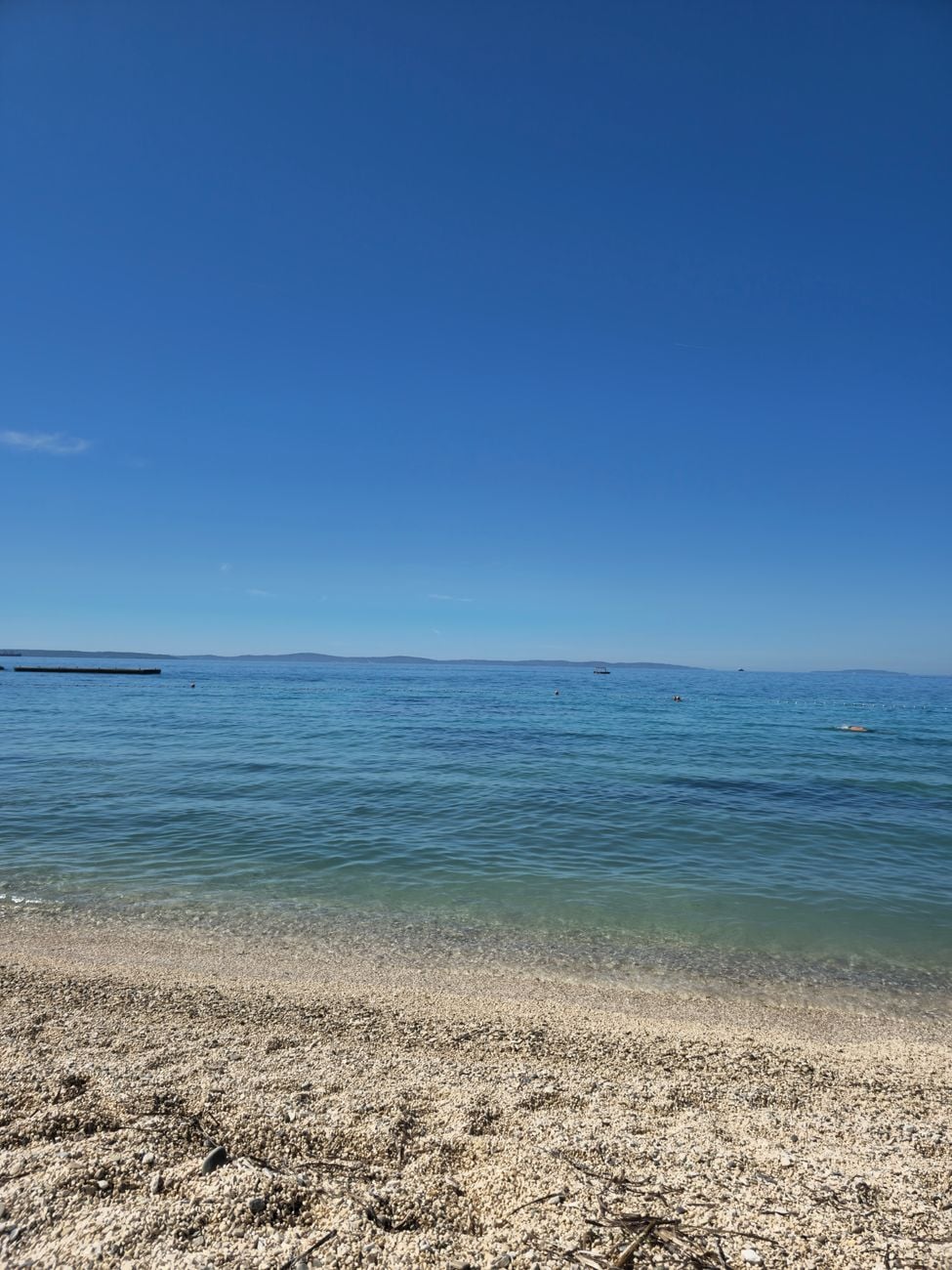
Split's Marjan-peninsula beach whose western, clothing-optional end is the city's gay-popular stretch - scenic, discreet, 20 minutes from the old town.
Split: A Coastal Destination on Croatia's Dalmatian Coast
Split holds a distinct place in the region's LGBTQ+ landscape. As Croatia's primary coastal city and second-largest urban center, it offers a mix of tourism facilities and authentic Mediterranean culture. While not a major circuit destination, Split presents a welcoming environment for LGBTQ+ travelers interested in sun, history, and local life.
LGBTQ+ History and Current Scene
Homosexuality was decriminalized in Croatia in 1977. Split's LGBTQ+ scene developed through the 1990s and 2000s following the country's independence. Recent tourism growth has coincided with increased visibility and acceptance. Split Pride, the city's official Pride event organised by the NGO Udruga Rišpet, was first held in 2011 — its notoriously violent first edition drew thousands of counter-protesters, and the fact it has continued each June since is a marker of the local community's resolve. Its scale remains modest compared to Zagreb's larger annual parade.
The LGBTQ+ community in Split is generally integrated into the broader social fabric rather than concentrated in specific areas. LGBTQ+-friendly venues and meeting points are dispersed throughout the city center and waterfront.
Neighborhoods and Venues
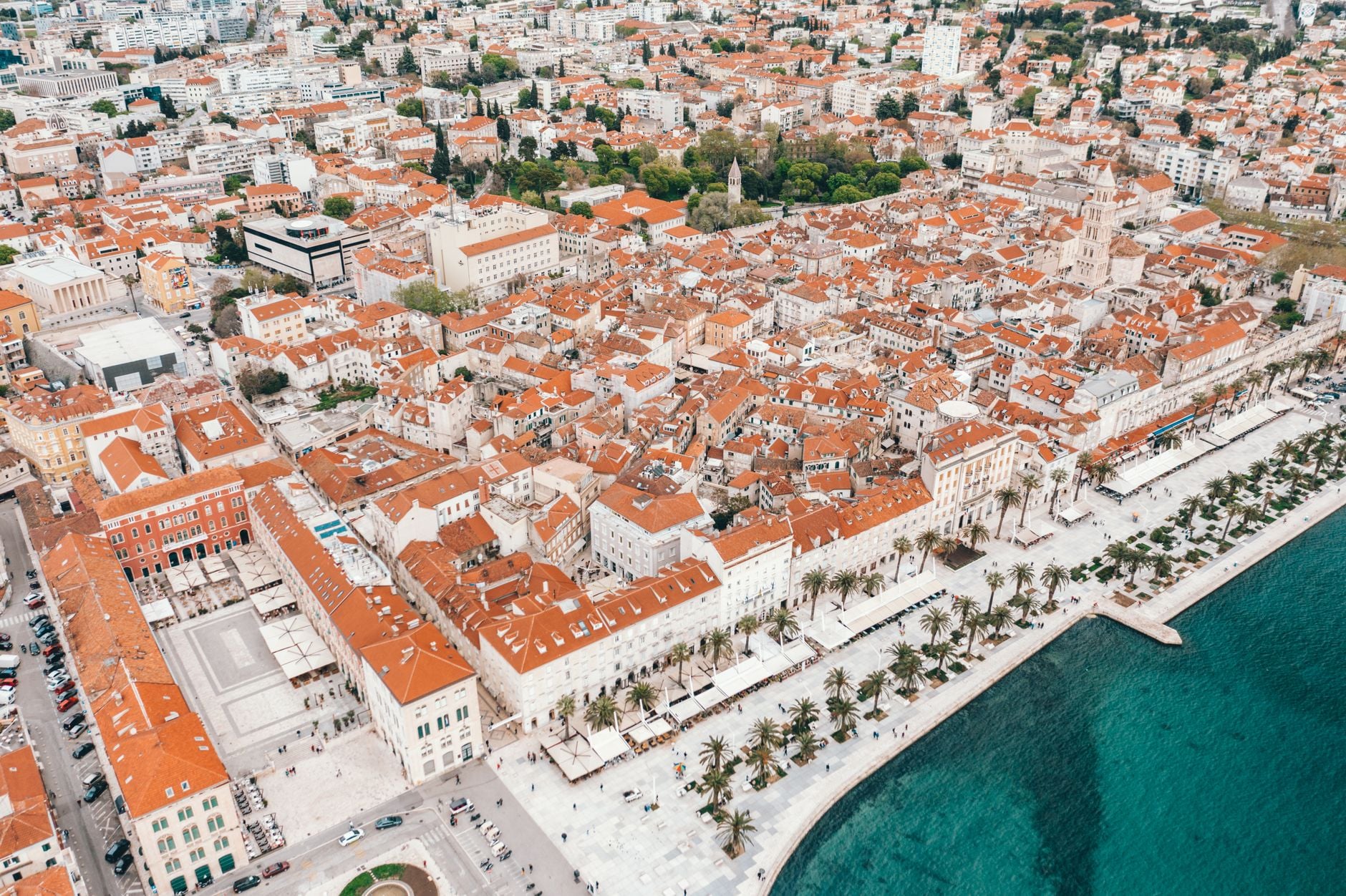
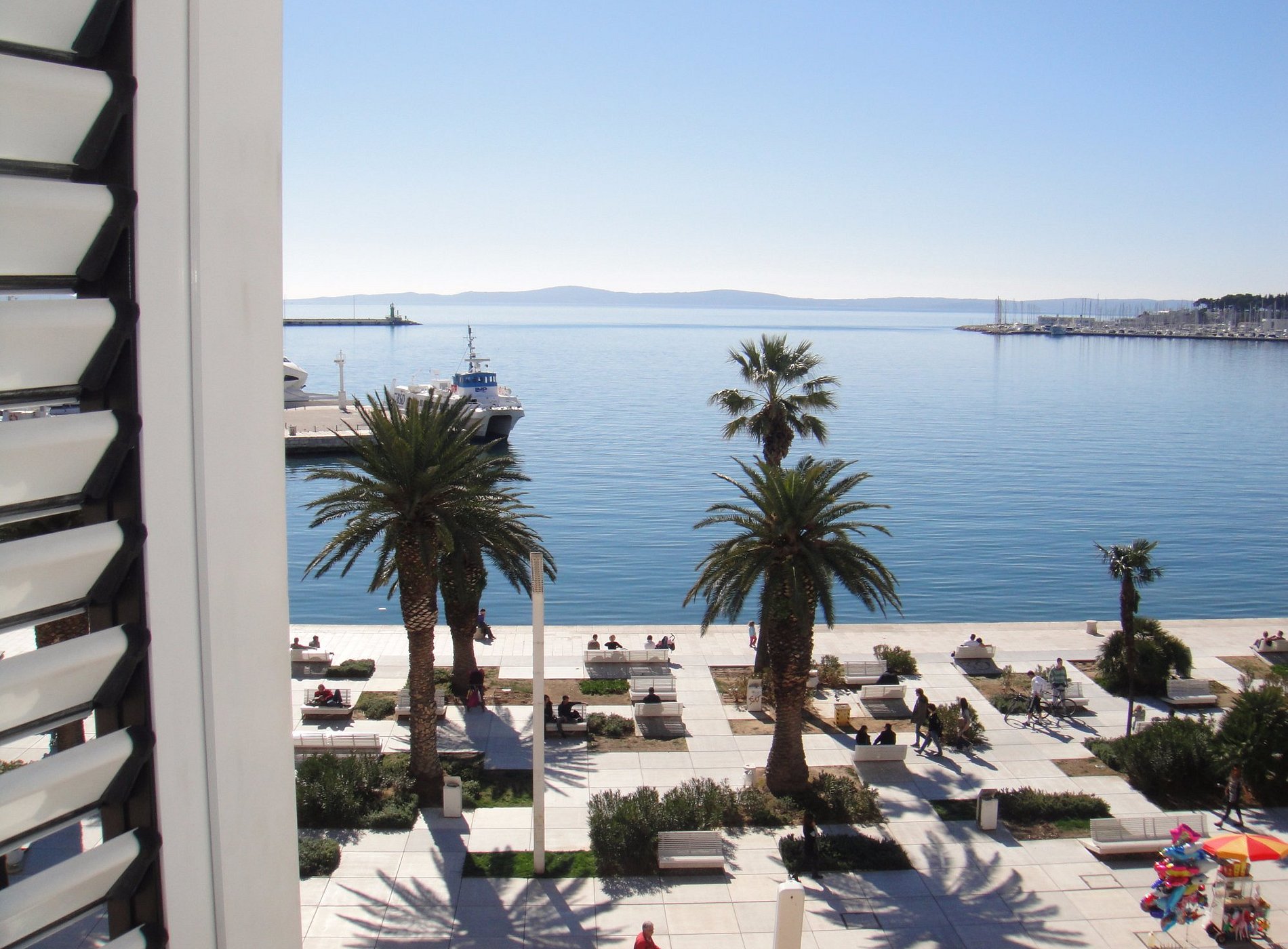
The Old Town (Stari Grad), centered around Diocletian's Palace, is the historic and social heart of Split. This UNESCO-listed area features narrow streets, restaurants, cafes, and several establishments welcoming to LGBTQ+ visitors. The waterfront promenade (Riva) along the harbor offers bars and venues with sea views where locals and tourists, including LGBTQ+ individuals, often mingle.
Split's scene is compact but real: X Club on Sinjska ulica, opened in 2023 as the city's first dedicated gay club, hosts weekend drag shows with the House of Flamingo, while the bohemian Ghetto Club inside Diocletian's Palace has long been the gay-friendly anchor. The gay-popular beach is Kašjuni on the Marjan peninsula, and LGBT Centar Split (Ul. kralja Tomislava 8A) is the community hub. Beyond these, most venues cater to mixed crowds rather than operating as exclusively LGBTQ+ spaces.
Saunas and Adult Venues
Split has no dedicated gay sauna or bathhouse. Travellers looking for that kind of venue head to Zagreb, where Sauna Centar (also known as Mobilus) is Croatia's main gay sauna. In Split, warm-weather cruising happens outdoors instead — along the wooded trails of the Marjan peninsula and the rocky coves west of Kašjuni Beach.
Pride and Calendar Events
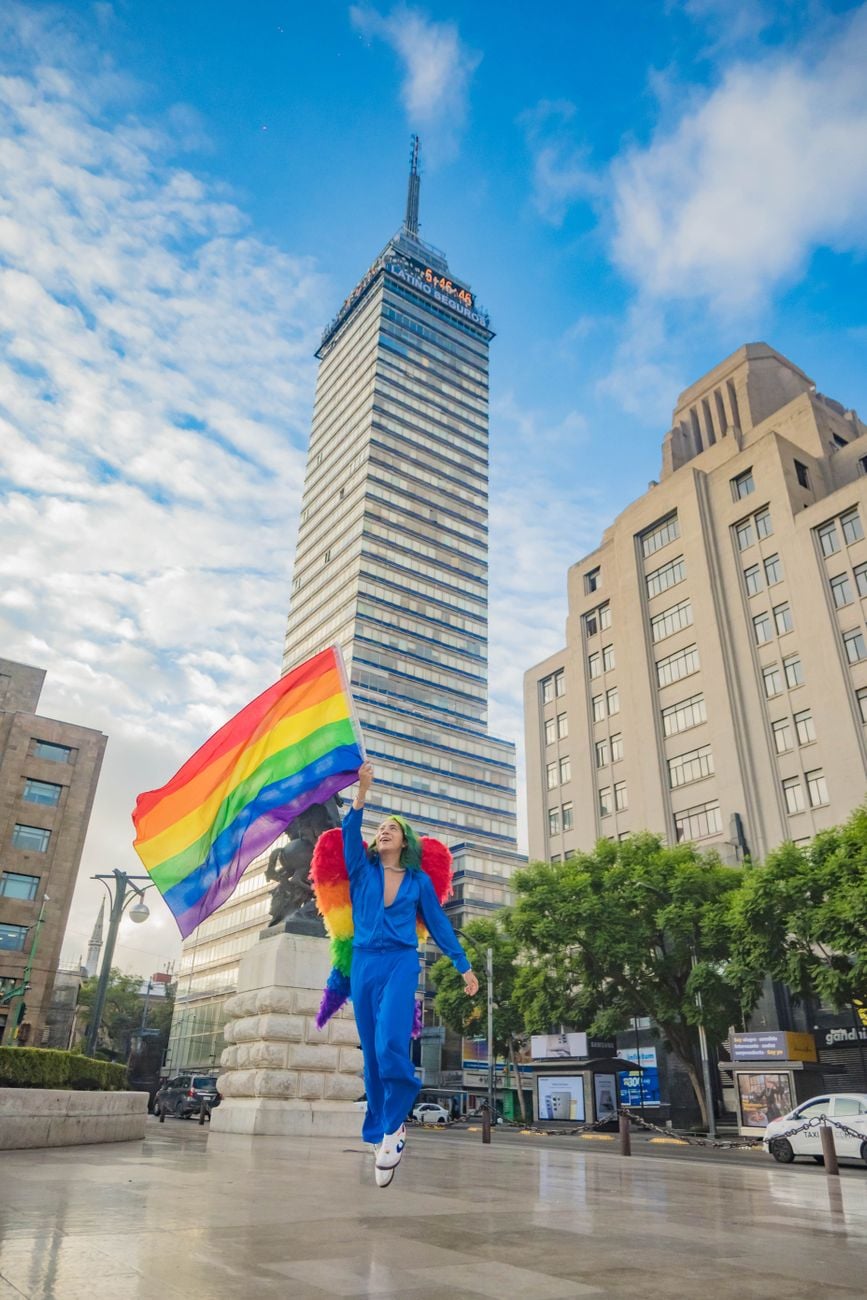
Split Pride typically centres on a June Pride Month, with the Povorka ponosa (Pride march) through the city centre held in late June (27 June in 2026); specific dates vary annually. The event is smaller and more community-focused than some larger European pride festivals but has seen growth. Participation includes local LGBTQ+ residents and international visitors, usually featuring a march, cultural events, and social gatherings.
Beyond Pride, Split's LGBTQ+ social scene operates year-round through informal meetups, café culture, and seasonal beach gatherings on nearby islands. The summer season (June-September) sees the most visible LGBTQ+ tourism and activity.
Where to Stay
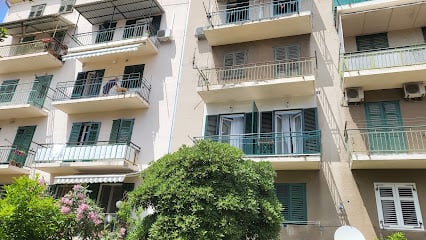
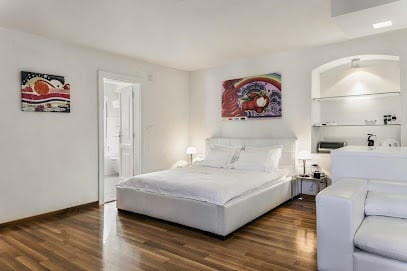
Accommodations range from hotels to hostels and private rentals. Many hotels and hostels are known to be welcoming; booking platforms often provide reviews and photos that can help identify inclusive properties. The Old Town offers an atmospheric location but can be noisy due to nightlife. The Bačvice beach area, south of the center, provides a more residential feel while remaining accessible to attractions.
Gay-friendly guesthouses and small hotels operate throughout the city. Platforms like Airbnb offer additional options, often allowing direct communication with hosts regarding comfort with LGBTQ+ guests.
Croatia is generally safe for LGBTQ+ travelers. Anti-discrimination laws protect sexual orientation and gender identity, and same-sex partnerships are legally recognized. Split, as a cosmopolitan tourist destination, tends to be more accepting than rural areas. Public displays of affection between same-sex couples are generally accepted in tourist areas and among younger populations, though discretion may be advisable outside these contexts.
Authorities do not harass LGBTQ+ individuals based on sexual orientation. Healthcare is accessible and of good quality. Standard travel safety practices regarding belongings and nighttime navigation are recommended.
Transit and Getting Around
Split's city center is compact and easily explored on foot. Public buses connect the center to surrounding neighborhoods and beaches. Taxis and rideshare apps (Uber operates in Split) offer convenient evening transport. The city is a major ferry hub with regular connections to nearby islands like Hvar, Vis, Brač, and Šolta, facilitating day trips or island hopping.
The airport is approximately 25km from the city center, served by buses and taxis. Train service connects Split to other Croatian cities, though buses are more frequent.
Food and Dining
Split's dining scene features fresh seafood, local produce, and Mediterranean cuisine. Konoba-style restaurants (casual taverns) offer authentic Dalmatian food at moderate prices. Waterfront restaurants provide a range of seafood options. Local wines are widely available. Cafes throughout the Old Town serve as social hubs. Many establishments in the tourist zones are welcoming to LGBTQ+ travelers.
Day Trips and Nearby Attractions
Split is a good base for exploring the Dalmatian coast and islands. Ferry connections make island-hopping accessible. Hvar Island attracts LGBTQ+ visitors in summer. Vis Island offers a quieter atmosphere with beaches. Brač Island is known for Zlatni Rat beach.
Other day trips include the coastal town of Trogir, the Salona archaeological site, and nearby national parks like Marjan, a forested peninsula within the city offering trails and viewpoints.
Practical Information
The official currency is the euro, which Croatia adopted in January 2023, replacing the Croatian kuna. Major credit cards are widely used. English is commonly spoken in tourist areas and among younger residents. The summer season (June-September) brings peak tourism, crowds, and higher prices. May and October offer pleasant weather with fewer visitors. Winter sees reduced tourism and some seasonal closures, though the city remains functional.
Local LGBTQ+ organizations can provide current information about venues and events. Split's growing tourism infrastructure continues to develop, making it an accessible destination for travelers seeking Mediterranean sun, history, and Dalmatian culture.
Frequently asked questions
Croatia is more conservative than Western Europe, but Split's cosmopolitan character and reliance on tourism mean LGBTQ+ travelers are generally welcomed. The city's tourism industry is driving increasingly accepting attitudes.
The Old Town (Stari Grad), enclosed within Diocletian's Palace, is a primary area of interest and is generally welcoming to LGBTQ+ visitors. The waterfront promenade, the Riva, is also considered safe and gay-friendly.
Yes, though it is smaller than Zagreb's. Split's scene grew notably in 2023 when X Club — the city's first dedicated gay club — opened on Sinjska ulica. Alongside it, the bohemian Ghetto Club inside Diocletian's Palace has long been the gay-friendly anchor, LGBT Centar Split serves as the community hub, and Kašjuni Beach on the Marjan peninsula is the gay-popular beach. It is a compact, relaxed scene rather than a big nightlife circuit.
Split's one dedicated gay club is X Club on Sinjska ulica, opened in 2023, with weekend nights and drag shows by the House of Flamingo. The long-standing gay-friendly anchor is Ghetto Club, the bohemian bar tucked inside Diocletian's Palace. Klub Kocka, an alternative youth-culture venue, also hosts queer and alt-scene events. Beyond these, most of Split's nightlife is mixed and mainstream but generally relaxed.
The provided guide mentions that Split's LGBTQ+ community has gradually built social spaces and advocated for visibility, but does not specify any particular recurring events or Pride timing.
Unlike some European cities, Split does not have a dedicated gay sauna. Those seeking such venues may need to look in Zagreb or explore options on apps like Grindr.
Your privacy choices.
We use cookies to run GayOut and, with your consent, measure usage. Learn more
Your privacy choices
We use cookies to keep GayOut running, remember your preferences, and (with your permission) measure how the site is used. You can accept all, reject all, or pick what you allow. Learn more
Essential
Required for sign-in, fraud prevention, CSRF protection and remembering your language. Cannot be disabled.
Always on
Remembers your favourites, dark mode and other interface preferences across visits.
Helps us understand which pages people visit (Google Analytics, server-side stats) so we can improve.
Used by campaign tracking pixels. None are active right now, reserved for future use.
Install GayOut
Add GayOut to your home screen for faster access, offline favourites, and Pride alerts.


 Gay-Friendly Bars & Clubs
Featured
(623)
Gay-Friendly Bars & Clubs
Featured
(623)










![ONE DAY IN DUBROVNIK - Don't Miss Things To Do [TRAVEL VLOG]](https://i.ytimg.com/vi/mmS9BLKYIig/hqdefault.jpg)