Belize City is the largest city and former capital of Belize, the only English-speaking nation in Central America. For most LGBTQ+ travellers it is a gateway rather than a destination in its own right: the international airport, the cruise terminal and the water-taxi docks for the cayes are all here, so nearly everyone passes through. Belize decriminalised consensual same-sex intimacy on 10 August 2016, when the Supreme Court struck down Section 53 of the Criminal Code in the landmark case brought by local activist Caleb Orozco and the United Belize Advocacy Movement (UNIBAM). That ruling put Belize ahead of many of its Caribbean and Central American neighbours, but everyday life is still socially conservative and the country has no same-sex marriage or anti-discrimination protections.
The LGBTQ+ Scene: What to Expect
Be realistic about Belize City itself: there are no dedicated gay bars, gay clubs, saunas or cruising venues in the city. Queer social life is low-key, informal and largely private, organised through friends, Facebook groups and word of mouth rather than fixed venues. Mainstream bars, restaurants and hotels are generally relaxed and welcoming, and you will not find a "gayborhood" or a strip of gay nightlife anywhere in town. Travellers looking for a visible, tourist-facing gay-friendly scene should head to Ambergris Caye (San Pedro) or to Placencia in the south, both of which are far more geared to international leisure visitors and same-sex couples. Belize City works best as a base for a night or two before or after the cayes and inland trips.
Neighbourhoods and Areas
Fort George is the historic waterfront peninsula at the northeast tip of downtown, home to the Baron Bliss Lighthouse, the Museum of Belize and most of the better hotels; it is the most pleasant and walkable part of the city. Just west of it, the old commercial core runs along Albert Street and Regent Street - this is the banking, shopping and government heart of the city, busy by day and quiet after offices close, and despite what some outdated guides claim it is not a gay district, simply the main high street. North along the seafront are Kings Park and Newtown Barracks, a newer area with hotels and the seaside promenade. The Southside is a large, mostly residential and working-class area where most of the city's crime is concentrated and where visitors have little reason to go.
Law, Rights and Social Climate
Since the 2016 ruling, LGBTQ+ Belizeans live openly in urban areas, but there is still no marriage equality, no civil partnership and no explicit protection against discrimination in employment or housing. Attitudes are more relaxed among younger people and in central Belize City than in rural districts. As almost everywhere in the country, discretion with public displays of affection is sensible, particularly away from tourist areas and after dark. Belize is English-speaking, which makes navigating and asking for help straightforward for many visitors.
Pride and Community
Belize marks Pride nationally with a Pride Week each August, first held in 2017. The timing is deliberate: it commemorates the 10 August 2016 court ruling that decriminalised same-sex intimacy. Pride here is a series of awareness events, panels, workshops and community gatherings coordinated by local organisations rather than a large public street parade, so expect something intimate and advocacy-focused. The two organisations most useful to visitors are both based in Belize City: UNIBAM (the United Belize Advocacy Movement), founded in 2006, which led the decriminalisation case and works on human rights and HIV services; and PETAL (Promoting Empowerment Through Awareness for Les/Bi Women), which supports lesbian, bisexual and queer women. Other groups such as Our Circle also contribute to the Pride programme. Following these organisations on social media is the best way to find current events.
Where to Stay
Most international visitors base themselves in the Fort George area or along the northern seafront, where the hotels are and where it is most comfortable to walk. The landmark choice is the waterfront Fort George Hotel & Spa; other solid options include The Great House Inn, Harbour View Boutique Hotel, One South Place, The Palms Kings Park, The Ambassador's Terrace and the larger Ramada by Wyndham Princess Belize City. All are mainstream, gay-friendly properties rather than LGBTQ-specific venues. Many travellers stay only briefly in the city and spend their nights on Ambergris Caye or Caye Caulker instead.
The main safety issue in Belize City is ordinary crime, not anti-LGBTQ hostility. Petty theft, robbery and gang-related violence are real concerns, concentrated on the Southside and after dark. Follow standard urban precautions: avoid walking alone at night, stay in well-trafficked and tourist areas such as Fort George and the seafront, use registered or hotel-arranged taxis rather than hailing on the street, and keep valuables out of sight. These are the same precautions every guidebook gives for the city regardless of who you are.
Getting Around
Philip S. W. Goldson International Airport lies about nine miles north of downtown; taxis and hotel shuttles handle transfers. Within the city, licensed taxis are the safest and easiest way to get around, and the historic core is compact enough to explore on foot by day. Belize City is also the hub for water taxis to Caye Caulker and San Pedro and the departure point for buses across the mainland and to neighbouring countries.
Food and Dining
Belizean food is a Creole, Maya, Mestizo and Caribbean blend. Look for rice and beans with stew chicken, fresh seafood and ceviche, and Garifuna specialities such as hudut. Downtown and the Fort George area have a good spread of restaurants and cafes, from street stalls to sit-down places, and local food is both affordable and excellent.
The city's real value is its access to the rest of Belize. The Belize Barrier Reef - the largest in the northern hemisphere - is a short boat ride away via Caye Caulker or San Pedro for snorkelling and diving. Inland, Maya sites such as Altun Ha and Xunantunich and the Belize Zoo make popular day trips. For many gay travellers the itinerary is simple: land in Belize City, then move on to the cayes or the south.
Practical Tips
English is the official language, though Spanish and Kriol are widely spoken. The Belize Dollar is fixed at roughly 2 BZD to 1 USD, and US dollars are accepted almost everywhere; carry cash for smaller vendors. The climate is hot and humid with a rainy season from June to November, so pack insect repellent and check current health advice. Above all, treat Belize City as the practical, friendly transit hub that it is, and plan your beach-and-reef time on the cayes.
常見問題
Belize City is broadly welcoming and Belize decriminalised same-sex intimacy in 2016, but the main safety concern is ordinary urban crime rather than anti-LGBTQ hostility. Petty theft, robbery and gang violence are real, mostly on the Southside and after dark. Stick to well-trafficked areas like Fort George and the seafront, use registered or hotel-arranged taxis at night, and keep valuables out of sight. There is still no anti-discrimination law, so discretion with public affection is sensible outside tourist zones.
There is no gay district or gay nightlife strip in Belize City, and Albert Street - sometimes wrongly described as a gay area - is simply the main commercial and banking street. Queer social life is low-key and informal, organised through friends, Facebook groups and community organisations such as UNIBAM and PETAL rather than fixed venues. Travellers wanting a visible gay-friendly scene usually head to San Pedro on Ambergris Caye or to Placencia.
Very small. Belize City has no dedicated gay bars, clubs or saunas. The LGBTQ+ community is present but discreet, and socialising happens through private networks and advocacy groups rather than commercial venues. Most gay-oriented tourism in Belize is on Ambergris Caye and in Placencia, with Belize City serving as the transport hub.
Belize holds a national Pride Week each August, first staged in 2017. The August timing marks the anniversary of the 10 August 2016 Supreme Court ruling that decriminalised same-sex intimacy. It is coordinated by local organisations led by UNIBAM, with groups such as PETAL and Our Circle, and takes the form of awareness events, panels and community gatherings rather than a large public parade.
There are no LGBTQ-specific hotels in Belize City, but the mainstream hotels are gay-friendly. Most visitors stay in the walkable, waterfront Fort George district - the landmark Fort George Hotel & Spa, plus options like The Great House Inn, Harbour View Boutique Hotel and One South Place - or along the northern seafront. Many travellers overnight only briefly before heading to the cayes.
Belize decriminalised consensual same-sex intimacy on 10 August 2016, when the Supreme Court struck down Section 53 of the Criminal Code in the case brought by activist Caleb Orozco and UNIBAM. However, no further legislation has followed: there is no same-sex marriage, no civil partnership and no explicit protection against discrimination in employment or housing. In practice LGBTQ+ people live openly in urban areas, but legal protections remain limited.


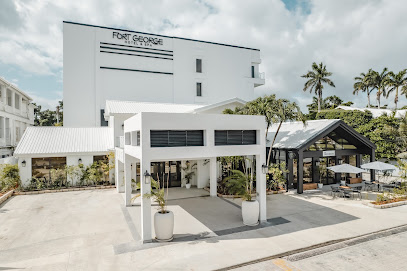 友善同志友善飯店
精選
(195)