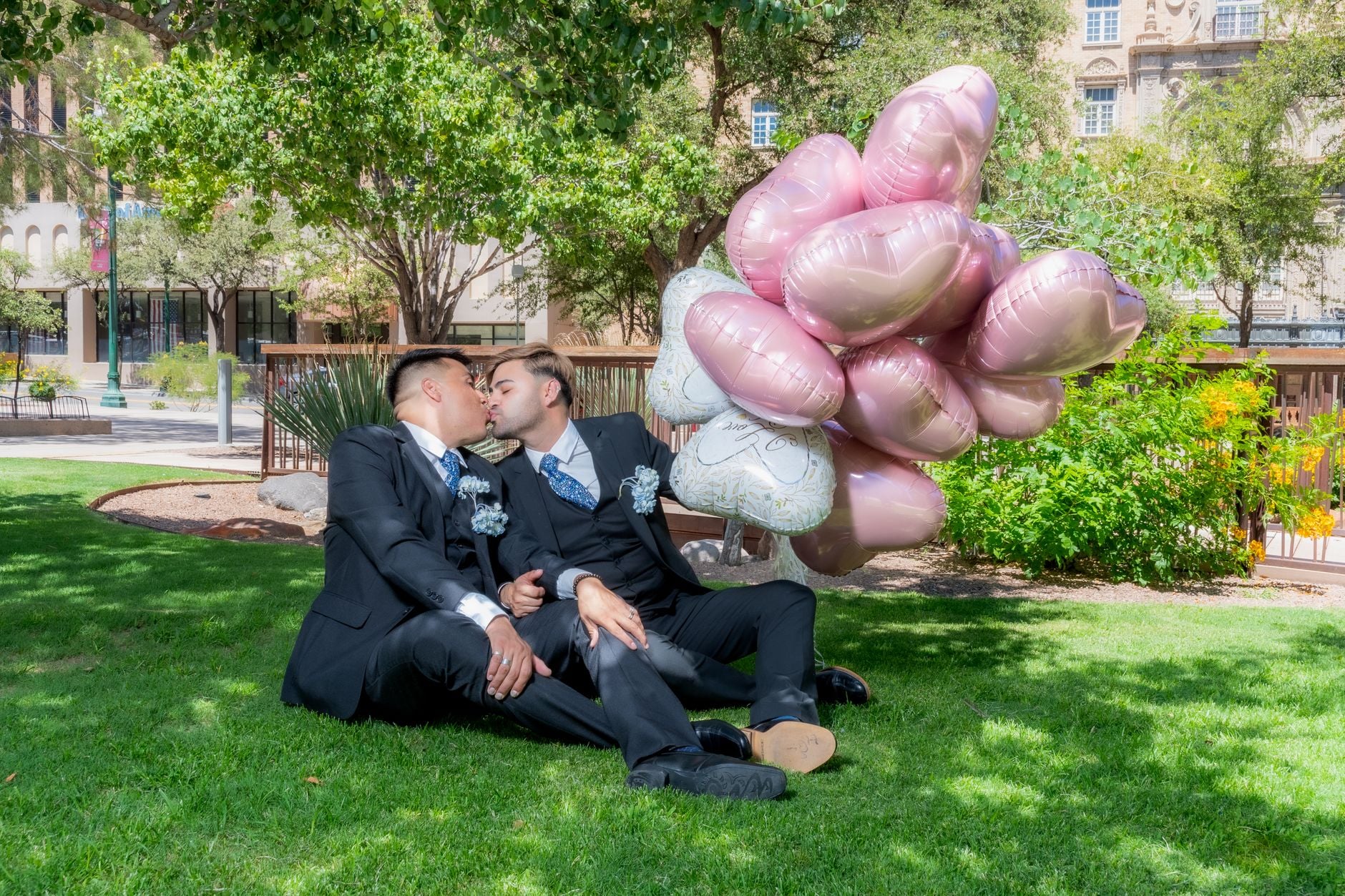
自 Obergefell v. Hodges 案(2015 年 6 月 26 日)以來,美國已實現婚姻平權。《尊重婚姻法》(Respect for Marriage Act,2022 年 12 月)確立了國會層級的保障,要求聯邦政府承認所有有效的同性及跨種族婚姻,不受未來最高法院判決的影響。Bostock v. Clayton County 案(2020…
San Jose's LGBTQ+ history reflects broader patterns of California's gay liberation movement, though as a working-class city it developed differently from San Francisco's bohemian culture. The modern visible gay scene in San Jose began emerging seriously in the 1980s and 1990s, growing alongside the city's expansion as a major Silicon Valley employment center. By the early 2000s, dedicated gay bars and social spaces had established themselves, though the scene remained smaller than nearby San Francisco. Today, San Jose's LGBTQ+ community is estimated at 5-7% of the population, with significant visibility in tech industries, healthcare, education, and local government. The community has grown more diverse and visible with each passing decade, and the city officially recognizes and celebrates Pride with city support.
Neighborhoods and Areas
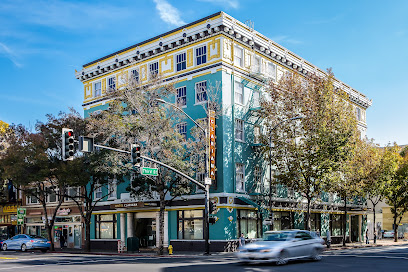
Downtown San Jose contains the highest concentration of LGBTQ+ venues and nightlife, centered on the Qmunity District, the block of Post Street between First and Market that the city designated as its LGBTQ+ district in 2020 and home to both surviving gay bars. The wider downtown core, bounded roughly by Market Street, San Carlos Street, and First Street, forms the main entertainment district. This neighborhood has undergone significant revitalization in recent years with new restaurants, galleries, and cultural venues. Walking is feasible in the downtown core, though distances can be deceptive—comfortable shoes are recommended.
The Eastside neighborhoods, including areas near Story Road and East Santa Clara Street, contain many LGBTQ+ residents and community services but fewer dedicated gay venues. These areas are more residential and working-class in character.
Rosegarden and Cambrian neighborhoods, further south, are increasingly popular with younger LGBTQ+ professionals seeking more space and suburban amenities while maintaining access to downtown via car or transit.
The area around San Jose State University campus has student LGBTQ+ resources and a younger demographic presence, though it's primarily academic rather than a distinct gay neighborhood.
Venues and Nightlife
Splash (Splash Video Dance Bar) at 65 Post Street is San Jose's main gay dance club, a two-floor video bar with drag shows, go-go dancers, karaoke and a rooftop patio. A few doors down at 39 Post Street, Mac's Club is the city's oldest gay bar, a laid-back dive first listed in 1963 with a back patio and a loyal regular crowd. Together these two anchor the Qmunity District, the stretch of Post Street between First and Market that the city formally designated as its LGBTQ+ district in 2020.
Drag brunches, karaoke and themed queer nights rotate through Splash and Mac's, and the wider Silicon Valley scene has thinned in recent years: the leather bar Renegades closed in 2026, leaving Splash and Mac's as the two remaining dedicated gay bars. Checking each venue's social media is the best way to catch current event schedules.
Drag shows occur regularly at various venues downtown and at comedy clubs. The downtown San Jose area supports occasional drag brunches and performances, particularly on weekends.
LGBTQ+-owned restaurants and cafes exist throughout the city, though they may not be exclusively gay-oriented. Local LGBTQ+ business directories and community websites provide current listings.
San Jose no longer has a gay bathhouse: The Watergarden on The Alameda, one of California's last, ran from 1977 until it closed permanently in 2020, and the site has since been redeveloped. The nearest operating men's bathhouse is Steamworks in Berkeley, roughly an hour north.
Silicon Valley Pride, first held in 1975 and known for years as San Jose Pride, takes place over the last weekend of August, on Labor Day weekend, centered on Plaza de César Chávez downtown. The celebration spans a Saturday-night festival and a Sunday parade and day festival, drawing around 25,000 attendees as the South Bay's largest LGBTQ+ event, with multiple music stages, community booths and food vendors. The June activity in San Jose is a City Hall flag-raising and proclamation rather than the main festival.
The Silicon Valley Queer Film Festival screens annually, typically in February, at 3Below Theaters downtown.
The San Jose State University Pride Center hosts campus-based events and gatherings throughout the academic year.
Community gatherings at various downtown restaurants and bars occur regularly, promoted through local LGBTQ+ social media and community networks.
Where to Stay
Downtown hotels within walking distance of gay venues include the Fairmont San Jose, the San Jose Marriott, and several mid-range chains. These offer convenient access to nightlife and restaurants, though they may be pricier.
North San Jose near the airport offers budget hotel options, though these require driving or transit to reach downtown entertainment.
Airbnb rentals in downtown and surrounding residential neighborhoods provide alternatives and often feature properties run by LGBTQ+ hosts.
For longer stays, extended-stay hotels and rental apartments in residential neighborhoods offer better value.
San Jose is generally safe for LGBTQ+ travelers in downtown and most residential neighborhoods. The city has non-discrimination ordinances and anti-hate-crime laws. Police departments have community relations programs with LGBTQ+ organizations.
As with any major city, downtown entertainment districts are busier and safer at night when crowds are present. Traveling in groups after dark is advisable. The downtown core has increasing nighttime pedestrian traffic and police presence, which generally enhances safety.
Public displays of affection are generally safe in downtown and most neighborhoods, though discretion is always prudent in any unfamiliar area.
Transit and Getting Around
The Valley Transportation Authority operates bus and light rail throughout San Jose and the surrounding Silicon Valley. The VTA light rail connects downtown to various neighborhoods and is a reliable way to avoid driving. Transit can be infrequent in some areas, so planning ahead is necessary.
Downtown San Jose is walkable for entertainment and dining, with many venues within a 10-15 minute walk of each other.
Driving is common in San Jose due to sprawl typical of Silicon Valley. Ride-sharing services (Uber, Lyft) are widely available.
Bikes and scooters offer alternatives, particularly in downtown and along newer transit corridors.
Food and Dining
San Jose's restaurant scene reflects the city's diversity and tech-industry demographics. Vietnamese, Japanese, Mexican, and Indian cuisines have strong representation. Downtown has numerous restaurants from casual to upscale.
LGBTQ+-friendly dining establishments exist throughout the city, though specific gay-oriented restaurants may be limited. Many mainstream restaurants cater to diverse clienteles.
The Farmer's Market runs regularly at various locations and offers local produce and prepared foods.
Food & Drink
Food halls and dining clusters downtown provide multiple options in one location.
Day Trips and Nearby Attractions
San Francisco: Located 50 miles north, San Francisco is reachable via Caltrain (approximately 90 minutes) or driving. The city offers a larger LGBTQ+ scene, Castro District nightlife, cultural institutions, and beaches.
Santa Cruz: Approximately 40 miles southwest, this beach town offers a laid-back atmosphere, boardwalk amusement park, and beach culture. LGBTQ+-friendly accommodations and restaurants exist throughout the town.
Big Sur: For experienced drivers, this dramatic coastline is a stunning day-trip destination (approximately 2.5 hours south of Santa Cruz).
Muir Woods: Redwood groves approximately 45 minutes north of downtown San Jose offer hiking and nature.
Mount Hamilton: Observatory and hiking approximately 30 minutes east of downtown.
Hikingtrails throughout the Santa Cruz mountains and surrounding parks offer outdoor recreation.
Technology Attractions: Visitors interested in tech can visit Apple Park Visitor Center, Google Campus (limited public access), and various tech museums.
Wine Country: Surrounding areas including Morgan Hill and various vineyards are approximately 30-45 minutes south.
Practical Information
The Greater San Jose Convention and Visitors Bureau provides general travel information. Local LGBTQ+ community organizations, including the San Jose Pride Center and local community centers, offer resources for travelers and residents.
Weather in San Jose is mild year-round, with warm dry summers and cool winters. Rain occurs primarily November through March.
The city has multiple hospitals and urgent care centers for medical needs.
Banks and ATMs are widely available.
Cell service from major carriers is reliable throughout the city.
常見問題
San Jose 的主要 Pride 活動是 Silicon Valley Pride,於八月最後一個週末(勞動節週末)在市中心 Plaza de César Chávez 舉行。活動包含週六晚間慶典以及週日遊行與日間慶典。自 1975 年首次舉辦以來,它已成為南灣地區最大的 LGBTQ+ 慶祝活動。請注意,六月僅有市政廳的升旗儀式,並無大型慶典。
市中心是核心地帶,以 Qmunity District 為中心,即 Post Street 介於 First Street 與 Market Street 之間的一段,舊金山在 2020 年正式將其指定為 LGBTQ+ 街區。市內的兩間同志酒吧都位於這個街廓上。附近,The Alameda 是 Billy DeFrank LGBTQ+ Community Center 的所在地。
San Jose 有兩間專屬於男同志的酒吧:Splash(Post St 65 號),是一間設有兩層樓、配備影像裝置的舞廳,並提供變裝秀;以及 Mac's Club(Post St 39 號),是該市歷史最悠久的男同志酒吧,風格輕鬆隨性。兩間酒吧皆位於市中心 Qmunity District 的 Post Street 上;前皮革酒吧 Renegades 已於 2026 年歇業。
是的。位於 938 The Alameda 的 Billy DeFrank LGBTQ+ Community Center 是主要的活動中心,提供各項計畫、支持團體與活動。LGBTQ Youth Space 服務整個 Santa Clara County 13 至 25 歲的族群,而 Silicon Valley Pride 則全年無休地推動社區相關活動。






 同志酒吧與俱樂部
精選
(97)