Same-sex marriages performed abroad are fully recognised. Domestic civil marriage unavailable to anyone (religious courts control marriage law). Full joint adoption legal since December 2023 Supreme Court ruling. Employment/service discrimination protections since 1992. Conversion therapy banned February 2022. Blood donation ban lifted October 2021. Trans legal gender change possible without surgery since 2015 (medical diagnosis still required). Tel Aviv is recognised as one of the world's…
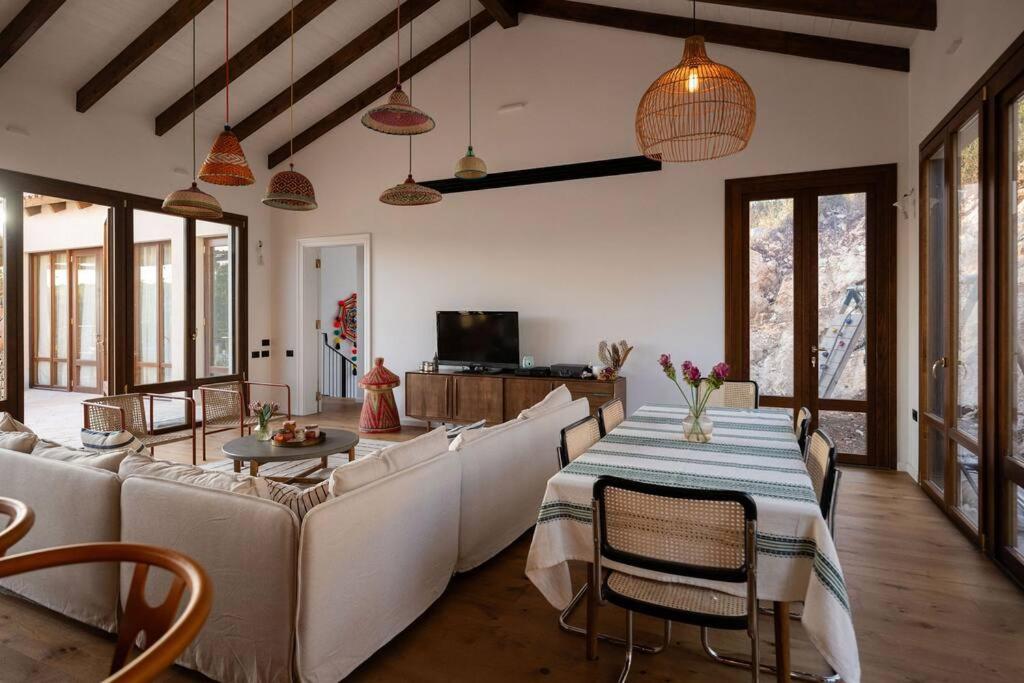
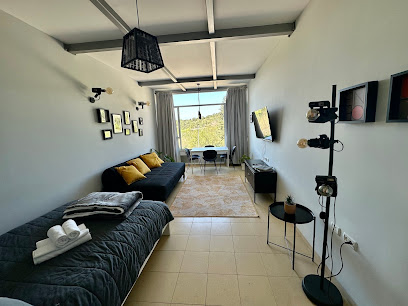
Yakir Ein Hod is located on Carmel Mountain, with views over Atlit Bay. It features an outdoor pool and offers spacious, air-conditioned suites with a spa bath.
Ein Hod, located on the slopes of Mount Carmel in northern Israel, is a unique destination that has evolved into a hub for artists, creatives, and culturally-minded travelers. The village was established in the 1950s as an artist community and has maintained that identity for over seven decades. What began as a small gathering of painters and sculptors has grown into a thriving cultural center with galleries, studios, restaurants, and accommodations that reflect the community's progressive values.
The LGBTQ+ presence in Ein Hod is less formalized than in major urban centers like Tel Aviv, but the village's art-focused culture and liberal ethos have naturally attracted LGBTQ+ residents and created a genuinely welcoming environment. The community tends to be inclusive and non-judgmental, reflecting broader artistic values of individual expression and diversity. Unlike destinations built specifically around gay tourism, Ein Hod's LGBTQ+-friendliness emerges organically from its cultural identity.
Geography and Getting There
Ein Hod is situated approximately 40 kilometers north of Tel Aviv and about 20 kilometers south of Haifa, making it accessible from both cities. The village sits on Mount Carmel at an elevation that offers panoramic views of the Mediterranean coast and surrounding landscape. The main access road (Route 672) connects Ein Hod to the larger highway network, though the village itself is designed with winding, pedestrian-friendly streets that discourage through traffic.
Public transportation to Ein Hod is limited. Egged buses serve the area, but service is infrequent compared to major Israeli cities. Most visitors arrange private transportation, rent cars, or book accommodations that offer shuttle services from Tel Aviv or Haifa. The drive from Tel Aviv takes approximately 45 minutes to an hour, depending on traffic and exact destination within the village.
The Village Layout and Neighborhoods
Ein Hod is not divided into distinct neighborhoods in the traditional sense, but rather consists of several clusters and pathways that connect galleries, studios, residences, and public spaces. The village is intentionally designed to prioritize pedestrian movement and artistic encounters. Main gathering points include the central gallery areas near the entrance, the artist studios scattered throughout the village, several outdoor plazas, and the restaurants and cafes that serve as informal community hubs.
The village spans approximately 250 acres, though not all of this is developed. Much of Ein Hod remains forested and natural, with walking paths that offer both cultural experiences and connection to the Mount Carmel landscape. The relatively compact nature of the developed areas means that most destinations are within reasonable walking distance, though some visitors prefer to use personal vehicles or taxis between more distant points.
Cultural Venues and Galleries
Ein Hod's primary attractions center on art and culture rather than nightlife. The village hosts numerous galleries featuring contemporary Israeli and international art, sculpture gardens, and artist studios where visitors can meet creators and purchase work directly. Major gallery spaces include the Ein Hod Gallery, which showcases rotating exhibitions of painting, sculpture, and mixed media, and various smaller independent galleries operated by resident artists.
The Janco-Dada Museum, dedicated to the life and work of artist Hugo Webber (known as Janco), occupies a significant place in the village's cultural landscape. The museum houses a substantial collection of Dada art and offers insight into the artistic movements that influenced Ein Hod's founding generation.
Beyond visual arts, Ein Hod hosts cultural events including art festivals, outdoor performances, and artist talks. The village's cultural calendar varies seasonally, with summer months typically offering more frequent events and performances. Many events are free or low-cost, reflecting the community's commitment to accessible culture.
Dining and Cafes
Ein Hod's dining options are modest but thoughtfully curated, reflecting the village's artistic character. Several cafes and restaurants operate within the village, offering Mediterranean cuisine, vegetarian options, and locally-sourced ingredients. These establishments often function as informal gathering spaces where visitors and residents mix naturally.
Winery Ein Hod, a local producer of natural wines, operates a tasting room and restaurant that has become a popular gathering spot. The winery reflects Ein Hod's broader commitment to independent, artisan production and attracts both locals and visitors interested in Israeli wine culture.
Dining options are more limited than in larger cities, and visitors should manage expectations accordingly. Most restaurants operate with modest hours and may close on certain days. Many visitors choose to dine during peak hours (lunch and dinner times) rather than attempting to find spontaneous meals outside standard timeframes. For those seeking more extensive dining variety, Haifa and Tel Aviv are easily accessible by car.
Where to Stay
Accommodation in Ein Hod ranges from boutique guesthouses to rental apartments and studios. Several LGBTQ+-friendly options are available, though the village does not have the dedicated gay hotel market found in larger cities. Options tend to be intimate and personally managed, often by residents who choose to share their homes with visitors.
Several properties market themselves as artist residences or cultural guesthouses, emphasizing the village's creative character. These accommodations typically include breakfast or kitchen facilities and often provide opportunities to meet owners and other guests. The relatively small number of rooms means that reservations should be made well in advance, particularly during summer months and cultural events.
Staying in Ein Hod offers the advantage of immersion in the village's daily rhythms and community life. However, visitors seeking more extensive accommodation options or different price points might consider staying in nearby Haifa or Tel Aviv and visiting Ein Hod as a day trip, which is entirely feasible given the short driving distances.
Ein Hod is generally a very safe destination. The village has minimal crime, and the close-knit artistic community actively maintains a welcoming, inclusive environment. LGBTQ+ visitors can move around freely without concern. Many LGBTQ+ residents live permanently in Ein Hod, and the community's values of tolerance and expression are well-established.
While Ein Hod itself presents no safety concerns for LGBTQ+ travelers, visitors should be aware of the broader Israeli-Palestinian context. The village is located in a region affected by historical conflicts, and some travelers may have political or personal considerations regarding travel to Israel. It's advisable to stay informed about current events and check travel advisories before planning a trip.
LGBTQ+-specific concerns are minimal in Ein Hod itself. The village does not have the same kind of visible gay scene as Tel Aviv, but this reflects the village's character rather than any hostility toward LGBTQ+ people. Public displays of affection between same-sex couples are acceptable in Ein Hod without concern.
Day Trips and Nearby Attractions
Ein Hod's location makes it an excellent base for exploring Mount Carmel and the northern Israeli coast. Several nature reserves and hiking areas are within short driving distances, including Wadi Slenamon, Nahal Me'arot (Wadi el-Mughara), and the Mount Carmel National Park. These areas offer hiking, swimming, and opportunities to experience the region's natural landscape.
Haifa, approximately 20 kilometers away, is Israel's third-largest city and offers beaches, cultural institutions, and dining options. The Bahai Gardens in Haifa are a UNESCO World Heritage site and major tourist attraction. Haifa's port area and beaches provide additional recreational opportunities.
Tel Aviv, while a longer drive (approximately 40 kilometers), remains accessible for day trips or longer visits. Ein Hod travelers interested in experiencing Tel Aviv's more robust gay nightlife and dining scene can visit and return to the quieter village atmosphere of Ein Hod.
Cereal Boutique Hotel, Haifa's contemporary art hotel, offers an alternative accommodation option in a nearby city for those seeking more urban amenities while remaining close to Ein Hod's cultural attractions.
Seasonal Considerations
Ein Hod's climate is Mediterranean, with mild winters and warm summers. Summer months (June through September) are the warmest and driest, with temperatures often exceeding 25 degrees Celsius (77 Fahrenheit). Winter months can see occasional rain and cooler temperatures, though snow is rare. Spring (March through May) and autumn (September through November) offer pleasant weather and are ideal times for hiking and outdoor exploration.
Summer months attract more tourists and offer more frequent cultural events, but also bring more crowded conditions. Off-season visits offer quieter experiences and potentially better availability in accommodations, though fewer events may be scheduled.
Conclusion
Ein Hod offers LGBTQ+ travelers a distinctive Israeli experience centered on art, culture, and community rather than nightlife or resort amenities. The village's progressive, inclusive character and commitment to artistic expression create a genuinely welcoming environment. While Ein Hod lacks the dedicated gay infrastructure of larger cities, it compensates with authentic cultural experiences, natural beauty, and a community that genuinely values diversity and individual expression. For LGBTQ+ travelers seeking to experience Israeli culture beyond stereotypical tourism, Ein Hod provides a meaningful and rewarding destination.
Frequently asked questions
Yes, Ein Hod's creative community is generally welcoming and inclusive. The village has a strong ethos of artistic freedom and personal expression, which extends to social attitudes, making it a comfortable place for LGBTQ+ visitors.
Ein Hod's bohemian character and creative focus have naturally attracted LGBTQ+ residents and visitors seeking an alternative to mainstream tourism. The community is described as progressive and artistic, with open-minded business owners, artists, and residents.
The source guide does not mention specific LGBTQ+-only venues or neighborhoods. However, it states that the cafes and restaurants scattered throughout the village are LGBTQ+-friendly and popular with mixed crowds.
The provided source guide does not contain information about Pride celebrations in Ein Hod.
The source guide focuses on Ein Hod as an artist village with galleries, studios, restaurants, and cafes, but does not provide information on specific hotels or accommodations, nor does it mention if they are LGBTQ+-friendly.
Ein Hod functions primarily as a creative and cultural hub rather than a tourist resort with nightlife. The source guide suggests it attracts visitors seeking an alternative to urban nightlife.
Your privacy choices.
We use cookies to run GayOut and, with your consent, measure usage. Learn more
Your privacy choices
We use cookies to keep GayOut running, remember your preferences, and (with your permission) measure how the site is used. You can accept all, reject all, or pick what you allow. Learn more
Essential
Required for sign-in, fraud prevention, CSRF protection and remembering your language. Cannot be disabled.
Always on
Remembers your favourites, dark mode and other interface preferences across visits.
Helps us understand which pages people visit (Google Analytics, server-side stats) so we can improve.
Used by campaign tracking pixels. None are active right now, reserved for future use.
Install GayOut
Add GayOut to your home screen for faster access, offline favourites, and Pride alerts.



 Gay-Friendly Bars & Clubs
(1499)
Gay-Friendly Bars & Clubs
(1499)