Alles, was Sie vor der Reise wissen sollten.
LGBTQ+ status
Legal but conservative
Incheon, Südkoreas drittgrößte Stadt, bietet ein LGBTQ+-Erlebnis, das sich von dem der Hauptstadt Seoul unterscheidet. Auch wenn die Szene hier kleiner ist, entwickelt sie sich weiter und wird sichtbarer, da sich die gesellschaftlichen Einstellungen wandeln.
Die offen gelebte schwule Kultur in Incheon, wie in weiten Teilen Südkoreas, hat sich hauptsächlich in den letzten zwei Jahrzehnten entwickelt. Frühe LGBTQ+-Bewohner reisten oft nach Seoul, um soziale und nächtliche Angebote zu finden. Lokale Treffpunkte begannen jedoch Mitte der 2000er Jahre aufzutauchen, als Incheons Wirtschaft wuchs und jüngere Generationen nach gemeinschaftlichen Räumen suchten. Gleichgeschlechtliche Beziehungen wurden in Südkorea 1995 entkriminalisiert, auch wenn die gleichgeschlechtliche Ehe rechtlich nicht anerkannt ist. Trotz dieser Einschränkungen haben urbane Zentren wie Incheon eine zunehmende soziale Akzeptanz erfahren, insbesondere bei jüngeren Menschen. Dies spiegelt sich in inklusiveren Einstellungen lokaler Unternehmen, Universitäten und ziviler Institutionen wider, auch wenn Widerstand von einigen konservativen religiösen Gruppen und traditionellen Sektoren fortbesteht.
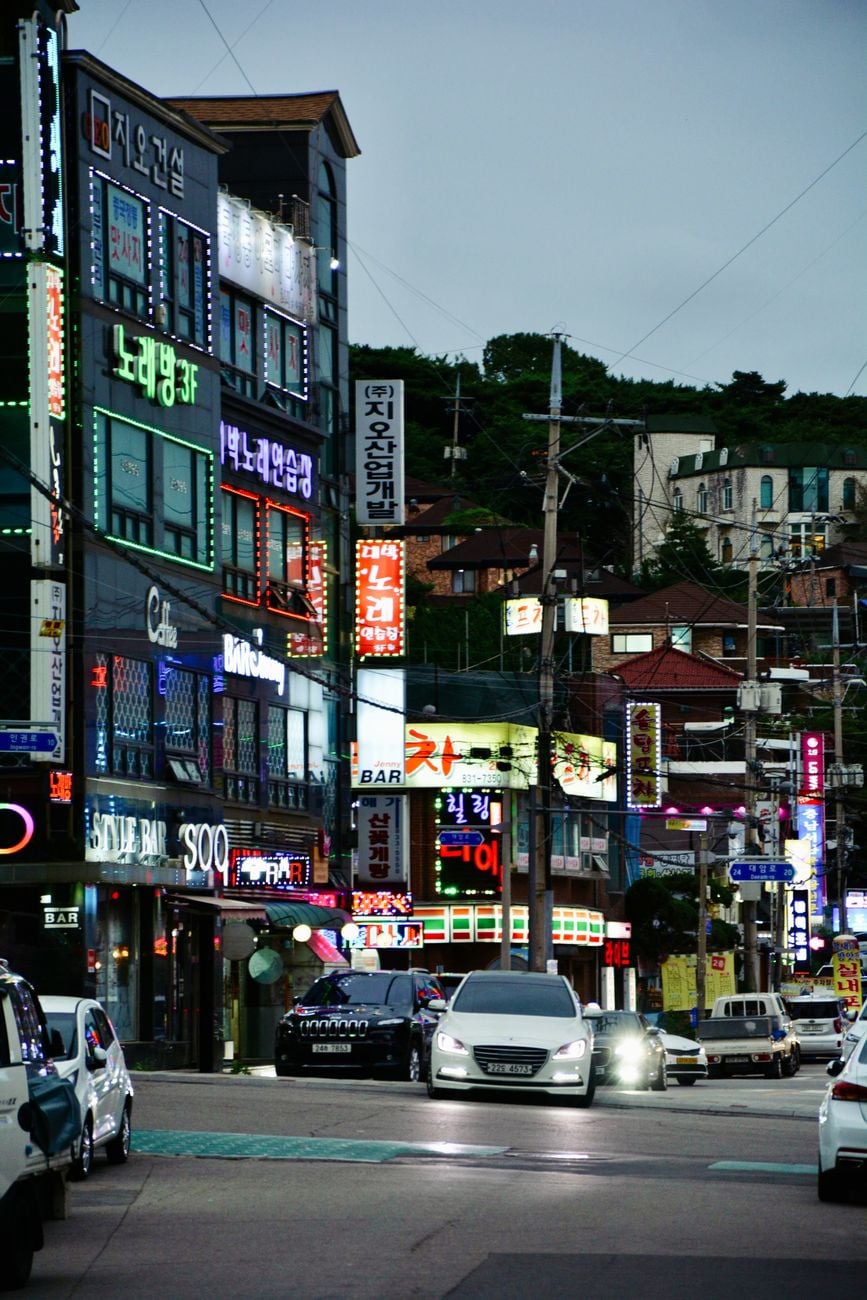
Das Hauptgebiet mit LGBTQ+-freundlichen Aktivitäten befindet sich in Dong-gu (Ostbezirk), insbesondere rund um den Incheon Station und die umliegenden Viertel. Die Gegend um den Incheon Station selbst beherbergt mehrere schwule Bars und zwanglose Treffpunkte. Dies ist kein definiertes "Gayborhood" im westlichen Sinne, sondern vielmehr eine Ansammlung von LGBTQ+-freundlichen Lokalen, die über einen größeren Bezirk verteilt sind. Straßen, die vom Südausgang des Incheon Station abzweigen, enthalten mehrere schwule Bars und Clubs in einem kompakten, fußläufigen Bereich. Das Gebiet um die Suwon Road und die Straßen in der Nähe des Terminals sind ebenfalls zu LGBTQ+-freundlichen Zonen geworden. Die meisten Lokale sind klein und intim, anstatt große kommerzielle Etablissements. Besucher finden hier koreanische Beschilderung und eine lokale Atmosphäre vor, anstatt einer touristisch ausgerichteten Meile.
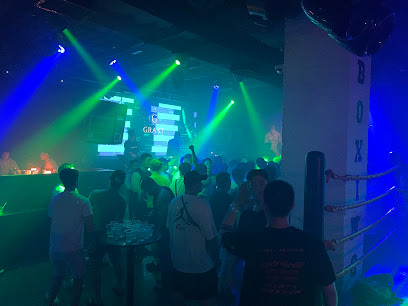
Die spezifischen Namen von Lokalen und genauen Adressen können sich in der koreanischen Nachtleben-Szene schnell ändern. Incheon hat in der Regel eine Reihe von aktiven schwulen Bars und Clubs, von kleinen Steh-Bars bis hin zu größeren Clubs mit Tanzflächen. Die meisten sind von Donnerstag bis Sonntag geöffnet, wobei Freitag- und Samstagabende am belebtesten sind. Viele Lokale befinden sich in oberen Stockwerken von Bürogebäuden oder in Seitenstraßen, was eine typische Eigenschaft der koreanischen Nachtleben-Infrastruktur ist. In Incheon gibt es Schwulen-Saunen, die mit unterschiedlichem Grad an rechtlicher und sozialer Sichtbarkeit operieren. Diese erfordern oft Barzahlung und bieten Einrichtungen, die den koreanischen Jjimjilbangs (öffentlichen Badehäusern) ähneln, manchmal mit LGBTQ+-spezifischen Öffnungszeiten oder Bereichen. Die meisten Lokale zeigen Beschilderungen in koreanischer Sprache, obwohl das Personal in etablierten Schwulen-Bars in der Regel über einige Englischkenntnisse verfügt und an internationale Besucher gewöhnt ist. Informationen über Lokale finden sich oft über soziale Medien oder schwule Apps, die standortbasierte Suchen und Community-Empfehlungen anbieten.
Incheon veranstaltet kein großes Pride-Festival, das mit dem von Seoul vergleichbar ist (findet normalerweise im Juni statt), aber die Stadt organisiert kleinere LGBTQ+-Kulturveranstaltungen und Treffen. Lokale Gemeinschaften organisieren Veranstaltungen, Filmvorführungen und Diskussionsforen. Wenn es stattfindet, findet das Incheon Queer Festival normalerweise im Frühling oder Herbst statt. Viele Einwohner von Incheon nehmen auch an größeren Seoul Pride-Veranstaltungen teil, die mit dem Zug gut erreichbar sind. Andere Kulturveranstaltungen in Incheon umfassten Kunstausstellungen, Filmvorführungen und Musikaufführungen mit LGBTQ+-Künstlern. LGBTQ+-Gruppen an Universitäten organisieren ebenfalls soziale Treffen.
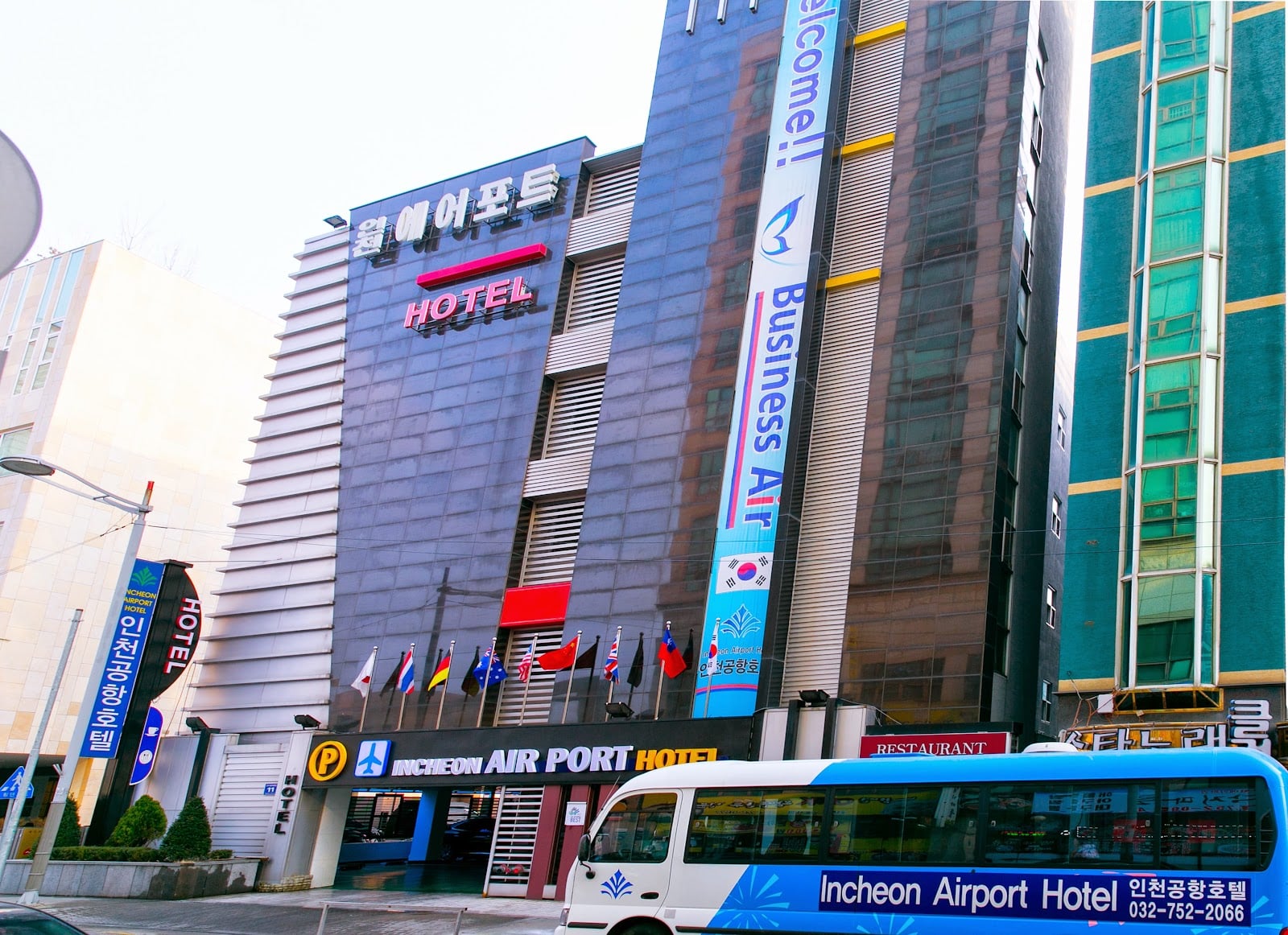
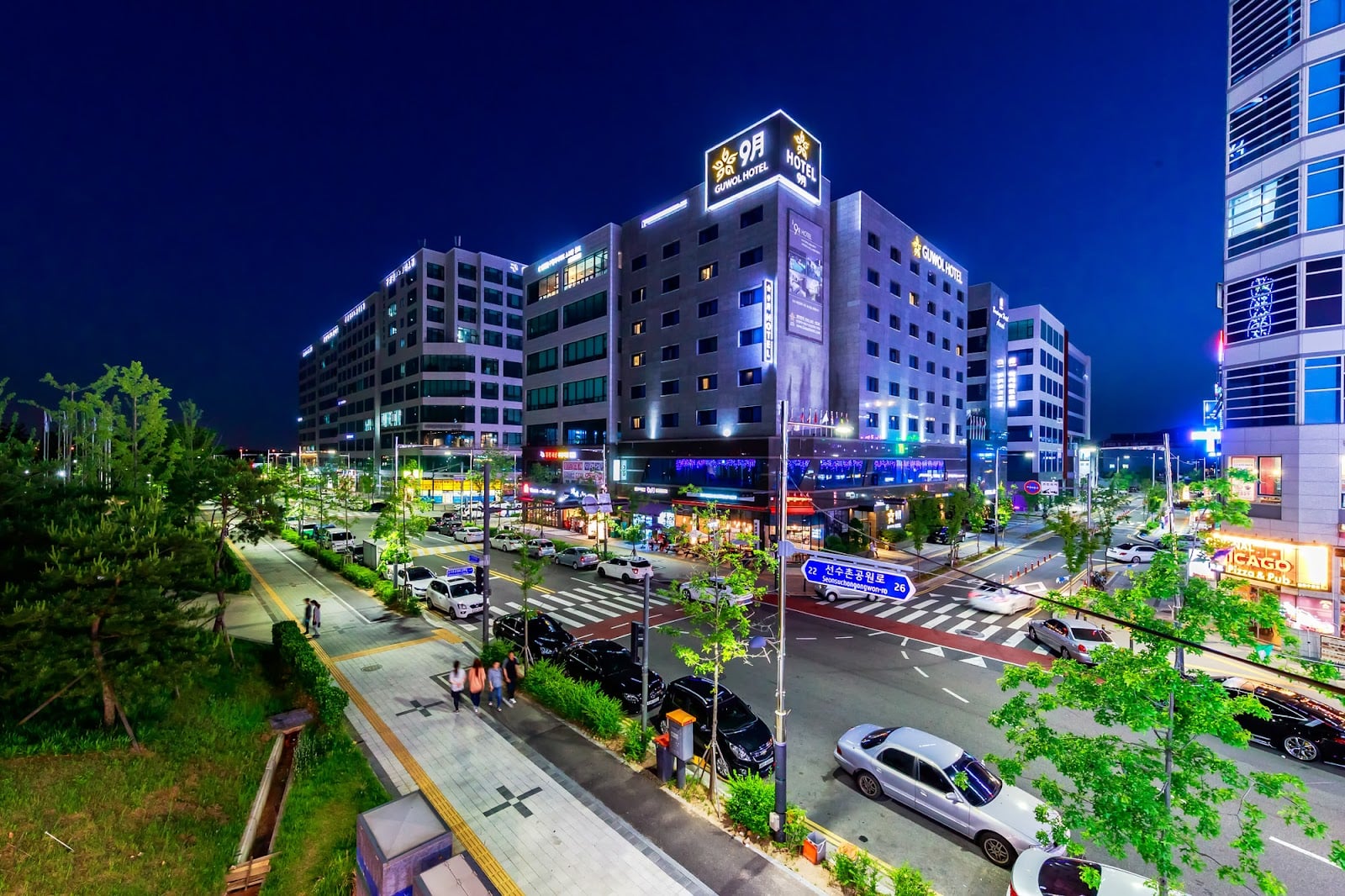
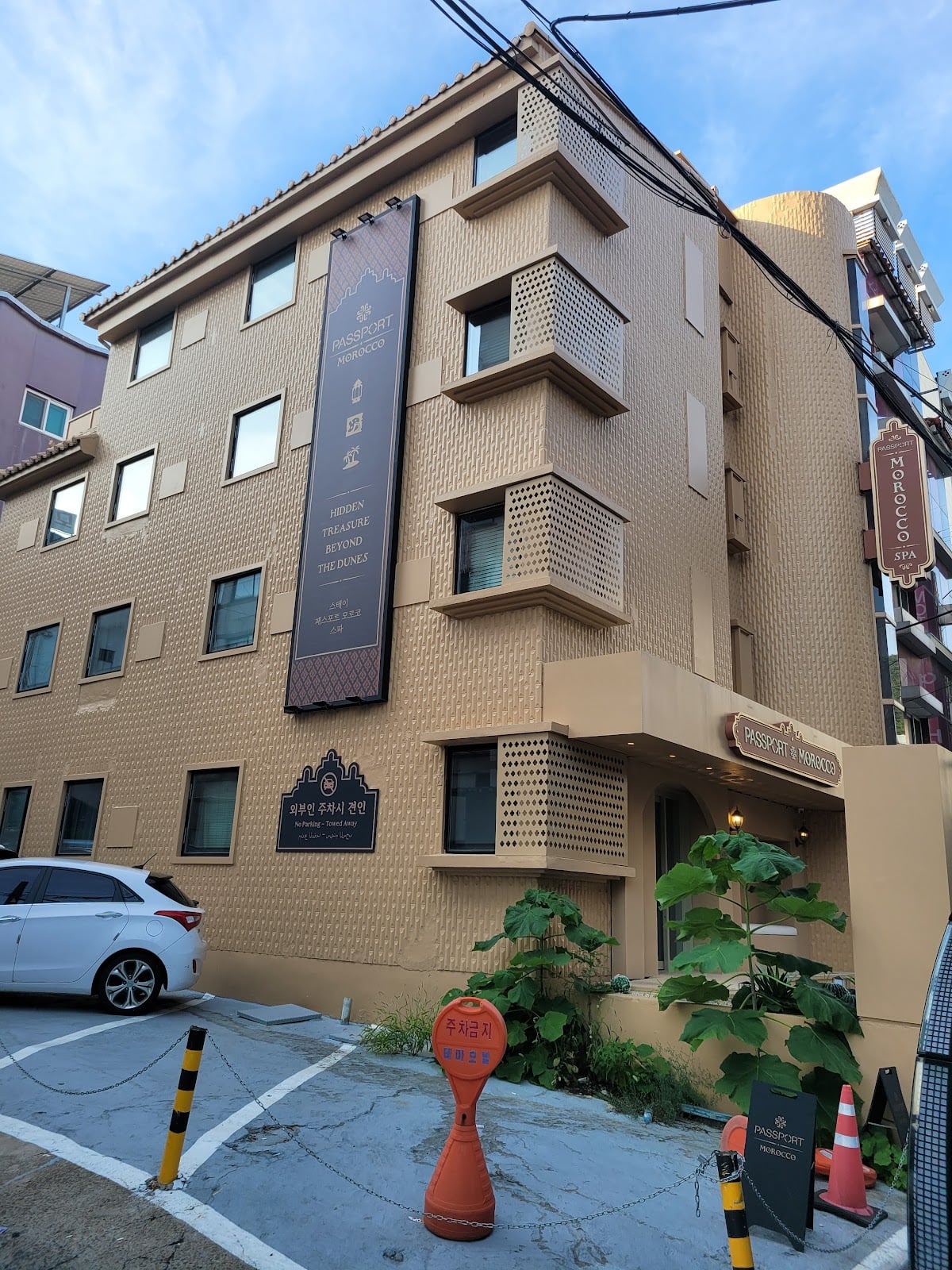
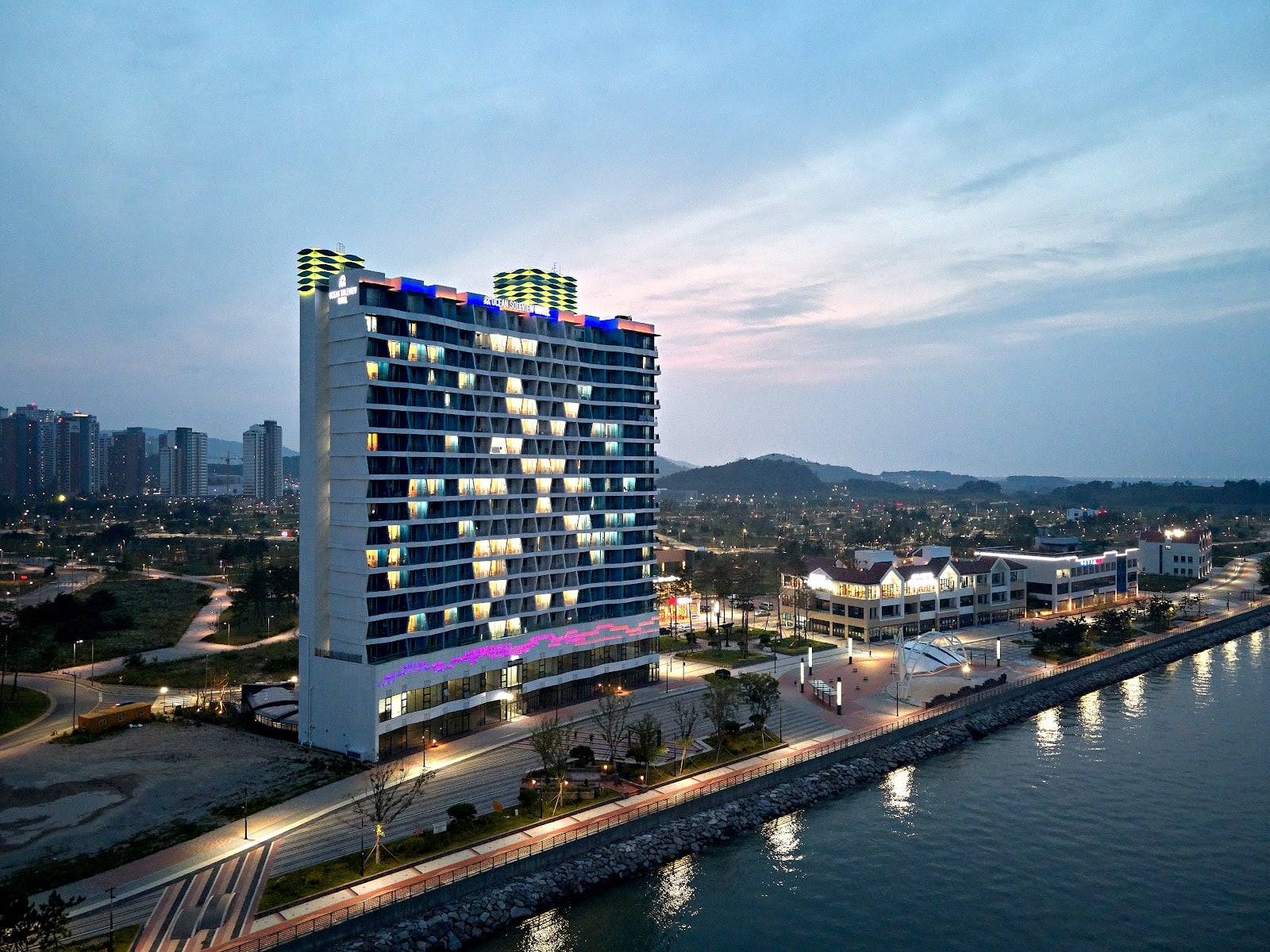
Incheon bietet eine vielfältige Auswahl an Unterkünften. In den Gebieten rund um den Incheon Station, Bupyeong und entlang der Küste finden sich zahlreiche Hotels, Pensionen und Yeogwan (traditionelle Gasthäuser). Zwar werben keine Hotels explizit als „Gay Hotels“, doch LGBTQ+-Reisende sind in Standardunterkünften generell willkommen. Buchungsplattformen können dabei helfen, LGBTQ+-freundliche Unterkünfte zu identifizieren. Kleinere, privat geführte Pensionen in zentralen Stadtteilen von Incheon sind oft sehr gastfreundlich. Die Ufergegend nahe dem Incheon Port beherbergt Hotels und Resorts, die bei koreanischen Touristen beliebt sind und auch für LGBTQ+-Gäste offen sind.
Incheon ist generell eine sichere Stadt für LGBTQ+-Reisende. Gewalttätige Übergriffe auf LGBTQ+-Personen sind selten. Öffentliche Zuneigungsbekundungen zwischen gleichgeschlechtlichen Paaren sind zwar weniger verbreitet als in westlichen Städten, werden aber im urbanen Incheon zunehmend akzeptiert, besonders unter jüngeren Menschen. Händchenhalten oder kurze Berührungen werden in den meisten Situationen wahrscheinlich keine negativen Reaktionen hervorrufen, während offenere Zuneigungsbekundungen in konservativeren Gegenden oder außerhalb von Gay-Locations Aufmerksamkeit erregen könnten. Diskriminierung in gewerblichen Betrieben ist in den Geschäftsvierteln von Incheon unüblich, auch wenn vereinzelte Fälle von Ablehnung oder Unfreundlichkeit gegenüber LGBTQ+-Kunden vorgekommen sind. Etablierte Touristengebiete und Gay-freundliche Locations verfolgen inklusive Richtlinien. Transgender- und nicht-binäre Personen könnten auf zusätzliche soziale Skepsis stoßen, da das Verständnis für Geschlechtsidentitäten jenseits der männlich-weiblichen Dichotomie in der koreanischen Gesellschaft noch im Entstehen begriffen ist. Dennoch bleiben offene Diskriminierung oder Gewalt in städtischen Umgebungen ungewöhnlich.
Incheon verfügt über ein gut ausgebautes öffentliches Nahverkehrsnetz mit U-Bahn, Bussen und Stadtbahnen. Taxis sind erschwinglich und leicht verfügbar. Viele Gay-Locations können Wegbeschreibungen auf Koreanisch bereitstellen, um Taxifahrern zu helfen. Der Incheon International Airport ist durch eine Direktverbindung mit der Incheon Station verbunden, die etwa 60 Minuten dauert. Dieser zentrale Bahnhof dient als Verkehrsknotenpunkt der Stadt und bietet einfachen Zugang zu Gay-freundlichen Vierteln. In den zentralen Stadtteilen von Incheon ist das Gehen machbar, wobei die Wetterbedingungen eine Rolle spielen können. Die meisten LGBTQ+-Locations befinden sich in unmittelbarer Nähe der Incheon Station, was das Gebiet recht gut zu Fuß erkundbar macht.
Incheon bietet eine breite Palette koreanischer Küche, von Street Food bis hin zu Fine Dining, wobei aufgrund seines Hafenstatus ein besonderer Schwerpunkt auf Meeresfrüchten liegt. Koreanische LGBTQ+-Treffpunkte verbinden oft Essen und Geselligkeit, wobei viele Gay-Bars und Clubs Speisen anbieten oder sich in der Nähe beliebter Restaurants befinden. Während dedizierte Gay-Dining-Orte begrenzt sind, sind die Mainstream-Koreanischen Restaurants in Gay-freundlichen Vierteln an LGBTQ+-Gäste gewöhnt. Food-Discovery-Apps mit Community-Bewertungen können helfen, einladende Lokale zu identifizieren. Restaurants und Cafés in jüngeren, universitätsorientierten Gegenden sind tendenziell sichtbarer LGBTQ+-freundlich.
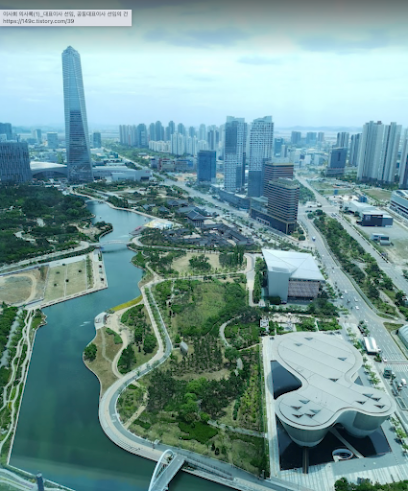
Die Lage von Incheon ermöglicht die Kombination der Erkundung der LGBTQ+-Szene mit anderen touristischen Aktivitäten. Zu den nahegelegenen Attraktionen gehören die Insel Sonwha und Küstengebiete mit Stränden und Radwegen. Incheons Chinatown, der historische Alte Hafen und verschiedene Museen bieten kulturelle Erlebnisse. Suwon, 40 Zugminuten südlich gelegen, hat eine eigene kleinere LGBTQ+-Szene und historische Stätten. Seoul ist ebenfalls bequem mit dem Zug erreichbar und bietet Zugang zu größeren Pride-Veranstaltungen und einer umfangreicheren LGBTQ+-Infrastruktur. Weitere Attraktionen in Incheon sind die Incheon Art Platform und verschiedene Parks.



 Freundliche Schwule Bars & Clubs
(4)
Freundliche Schwule Bars & Clubs
(4)