كل ما يستحق المعرفة قبل السفر.
LGBTQ+ status
Legal but conservative
إنشون، ثالث أكبر مدن كوريا الجنوبية، تقدم تجربة مجتمع الميم (LGBTQ+) مختلفة عن العاصمة سيول. على الرغم من أن المشهد هنا أصغر، إلا أنه يتطور ويصبح أكثر وضوحًا مع تغير المواقف المجتمعية.
لقد ظهرت ثقافة مجتمع الميم المنفتحة في إنتشون، مثلها مثل أجزاء كثيرة من كوريا الجنوبية، بشكل أساسي خلال العقدين الماضيين. غالبًا ما كان سكان مجتمع الميم الأوائل يسافرون إلى سيول للاستمتاع بخيارات الحياة الاجتماعية والحياة الليلية. ومع ذلك، بدأت أماكن محلية في الظهور في منتصف العقد الأول من القرن الحادي والعشرين مع نمو اقتصاد إنتشون وسعي الأجيال الشابة لمساحات مجتمعية. تم إلغاء تجريم العلاقات المثلية في كوريا الجنوبية عام 1995، على الرغم من أن زواج المثليين غير معترف به قانونيًا. على الرغم من هذه القيود، شهدت المراكز الحضرية مثل إنتشون قبولًا اجتماعيًا متزايدًا، لا سيما بين الشباب. ينعكس هذا في مواقف أكثر شمولاً من الشركات المحلية والجامعات والمؤسسات المدنية، على الرغم من استمرار المعارضة من بعض الجماعات الدينية المحافظة والقطاعات التقليدية.
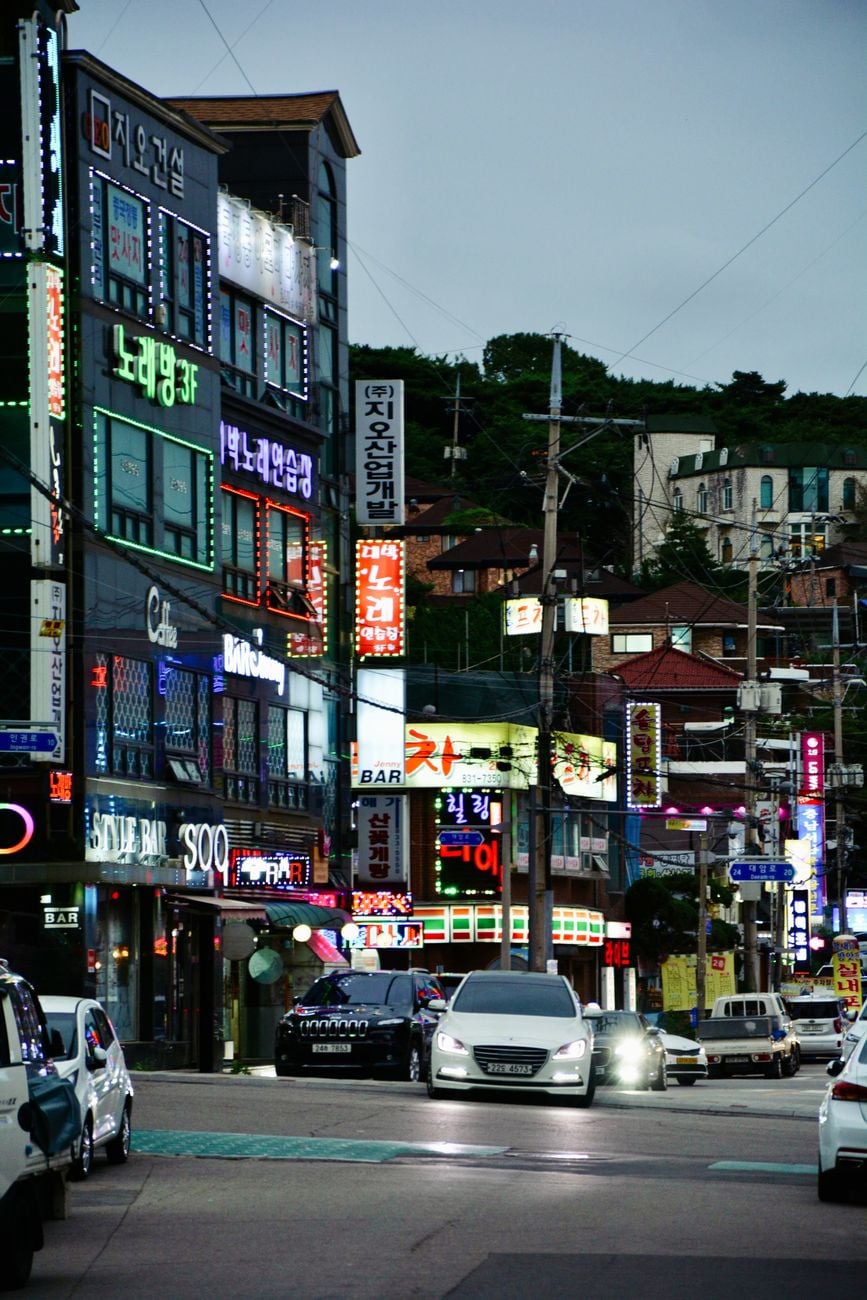
المنطقة الرئيسية للأنشطة الصديقة لمجتمع الميم تقع في Dong-gu (المنطقة الشرقية)، خاصة حول محطة إنتشون والأحياء المحيطة بها. تستضيف المنطقة القريبة من محطة إنتشون نفسها العديد من الحانات ونقاط اللقاء غير الرسمية لمجتمع الميم. هذه ليست "حي للمثليين" محدد بالمعنى الغربي، بل هي مجموعة من الأماكن الترحيبية بمجتمع الميم منتشرة عبر منطقة أوسع. الشوارع المتفرعة من المخرج الجنوبي لمحطة إنتشون تحتوي على العديد من الحانات والنوادي لمجتمع الميم ضمن منطقة مدمجة يمكن المشي فيها. أصبحت منطقة Suwon Road والشوارع القريبة من المحطة أيضًا مناطق صديقة لمجتمع الميم. معظم الأماكن صغيرة وحميمة، بدلاً من كونها مؤسسات تجارية كبيرة. سيجد الزوار لافتات كورية وأجواء محلية، بدلاً من شريط سياحي.
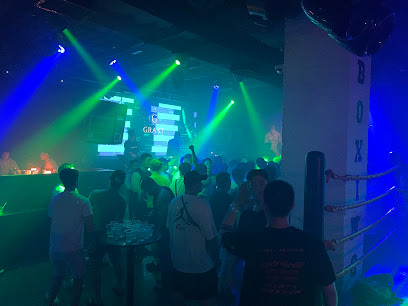
تتغير أسماء الأماكن المحددة ومواقعها الدقيقة بسرعة في مشهد الحياة الليلية في كوريا. عادةً ما تضم إنشون عددًا من الحانات والنوادي للمثليين النشطة، تتراوح من الحانات الصغيرة التي تقف فيها إلى النوادي الأكبر ذات حلبات الرقص. معظمها مفتوح من الخميس إلى الأحد، وتكون ليالي الجمعة والسبت هي الأكثر ازدحامًا. تقع العديد من الأماكن في الطوابق العليا من المباني المكتبية أو في الشوارع الجانبية، وهي سمة شائعة للبنية التحتية للحياة الليلية الكورية. توجد حمامات ساونا للمثليين في إنشون، تعمل بدرجات متفاوتة من الرؤية القانونية والاجتماعية. غالبًا ما تتطلب هذه الدفع نقدًا وتقدم مرافق مشابهة لحمامات "جيمجيلبانغ" الكورية (حمامات عامة)، وأحيانًا بساعات أو أقسام مخصصة لمجتمع الميم. تعرض معظم الأماكن لافتات باللغة الكورية، على الرغم من أن الموظفين في حانات المثليين الراسخة عادة ما يكون لديهم بعض الكفاءة في اللغة الإنجليزية وهم معتادون على الزوار الدوليين. غالبًا ما يمكن العثور على معلومات حول الأماكن من خلال وسائل التواصل الاجتماعي أو تطبيقات المثليين التي تقدم عمليات بحث تعتمد على الموقع وتوصيات المجتمع.
لا تستضيف إنشون مهرجان فخر كبير يضاهي مهرجان سيول (الذي يقام عادة في يونيو)، لكن المدينة تنظم فعاليات ثقافية وتجمعات أصغر لمجتمع الميم. تنظم المجتمعات المحلية فعاليات وعروض أفلام ومنتديات نقاش. عندما يُعقد، عادة ما يقام مهرجان إنشون للكير (Incheon Queer Festival) في الربيع أو الخريف. يشارك العديد من سكان إنشون أيضًا في فعاليات فخر سيول الأكبر، والتي يسهل الوصول إليها بالقطار. شملت الفعاليات الثقافية الأخرى في إنشون معارض فنية وعروض أفلام وعروض موسيقية لفنانين من مجتمع الميم. تنظم مجموعات مجتمع الميم الجامعية أيضًا تجمعات اجتماعية.
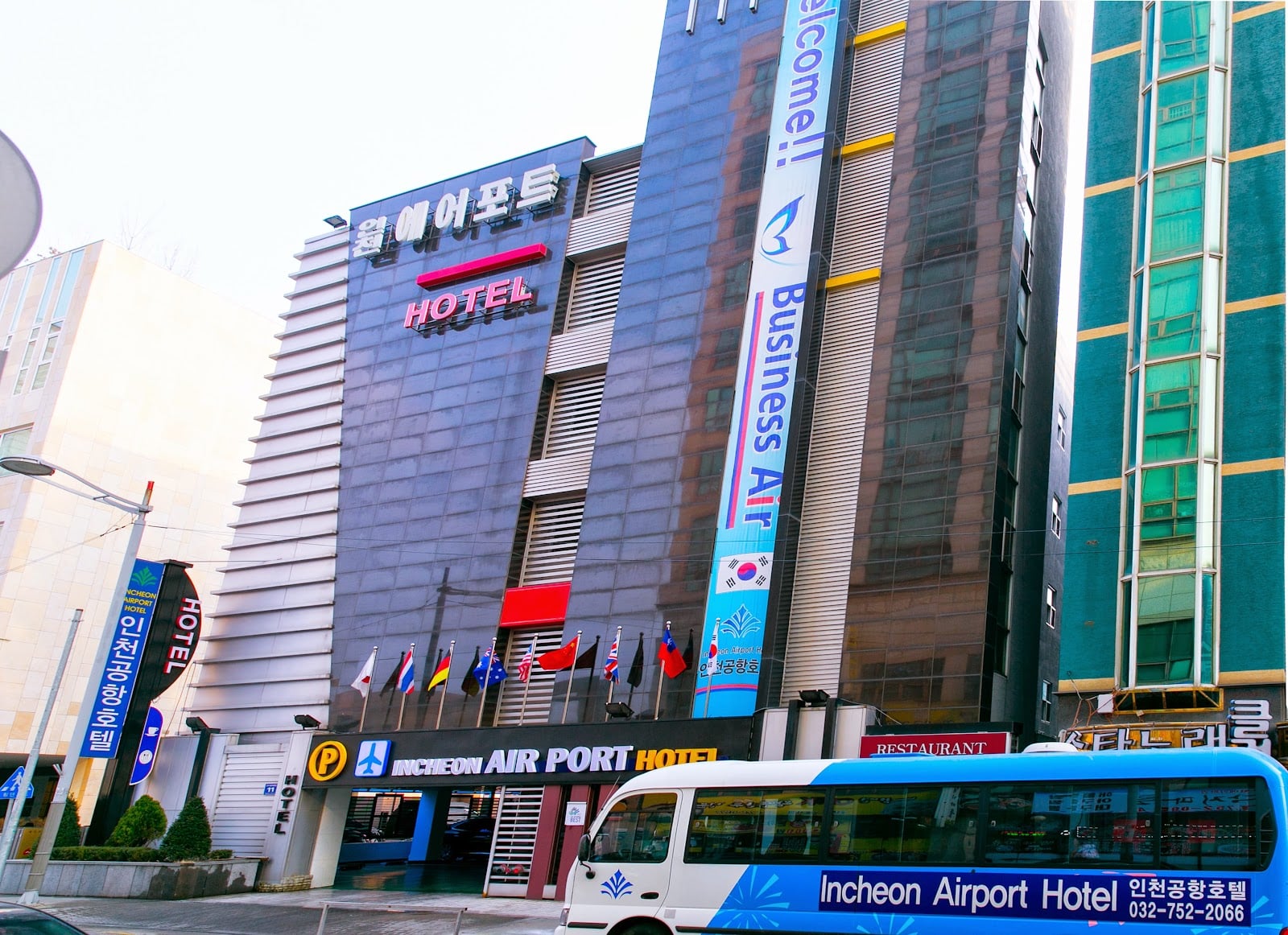
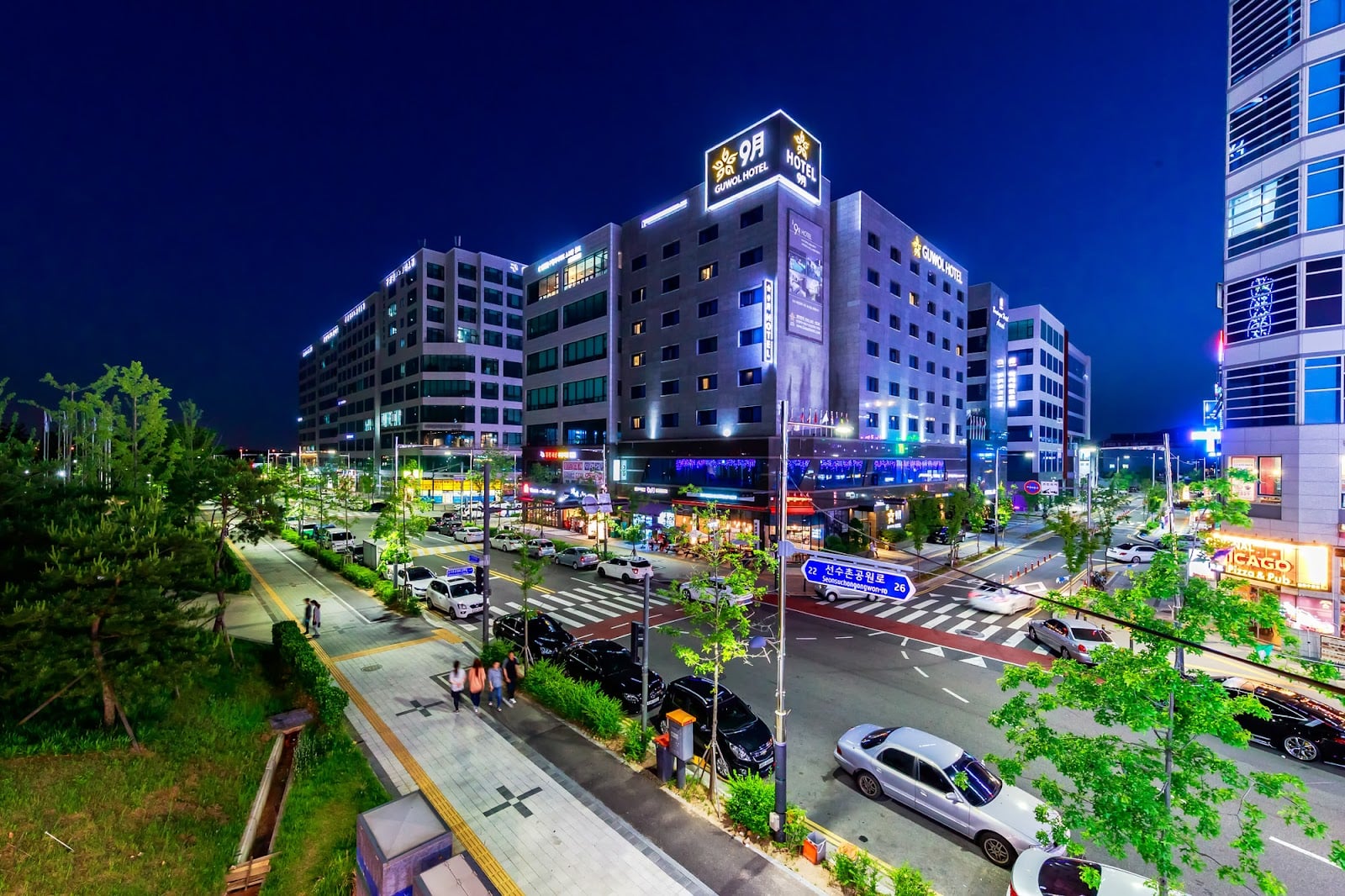
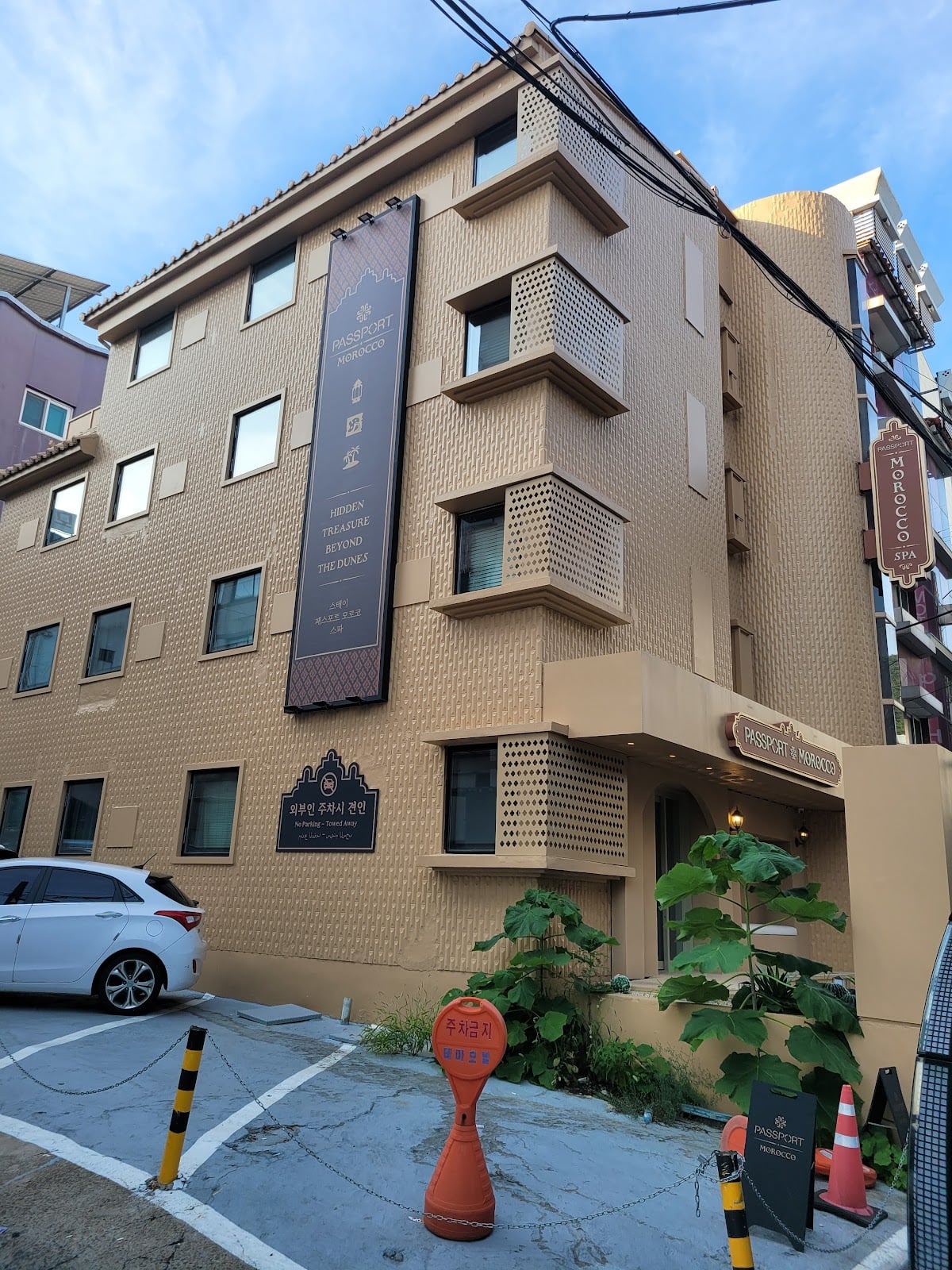
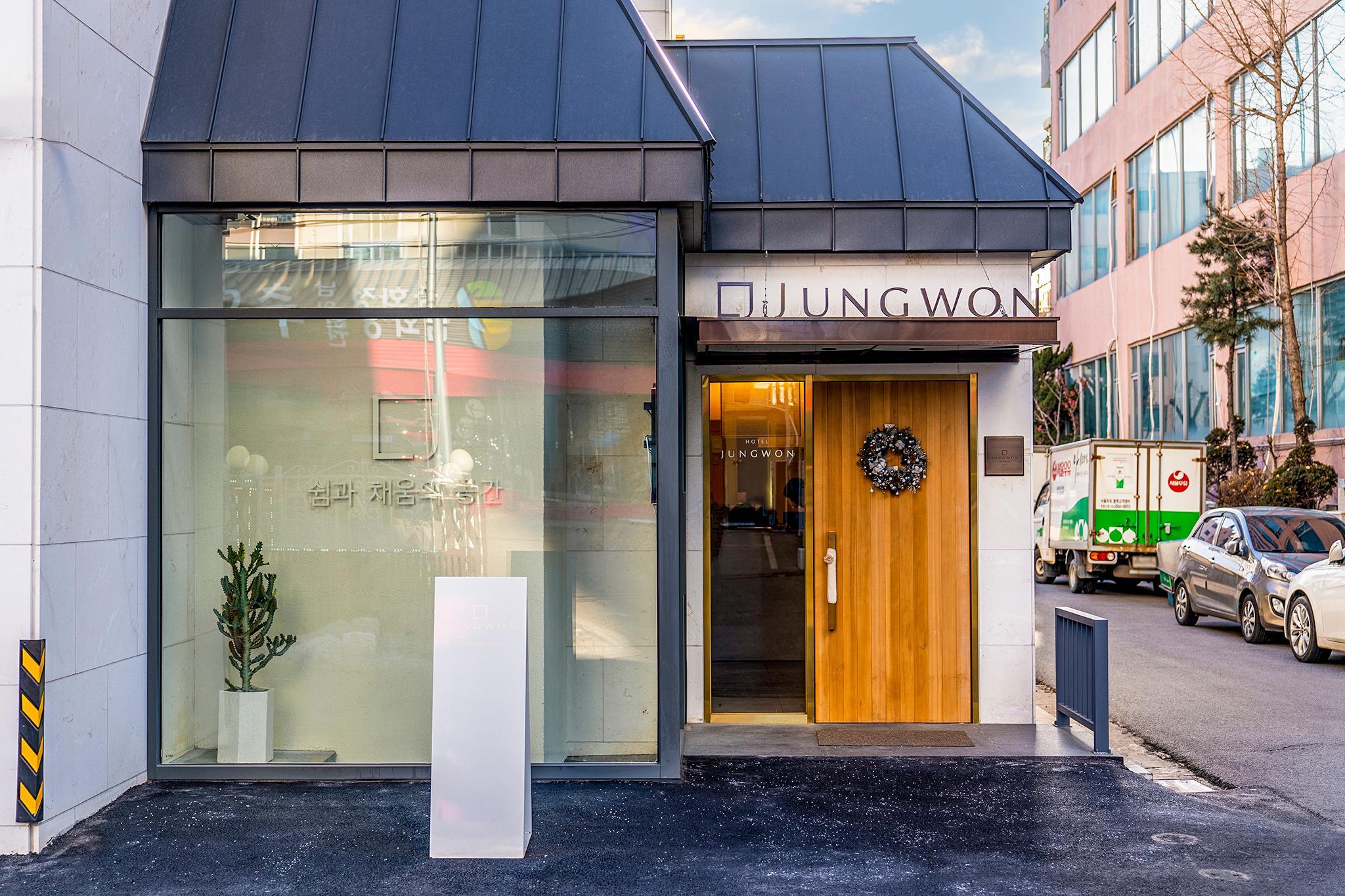
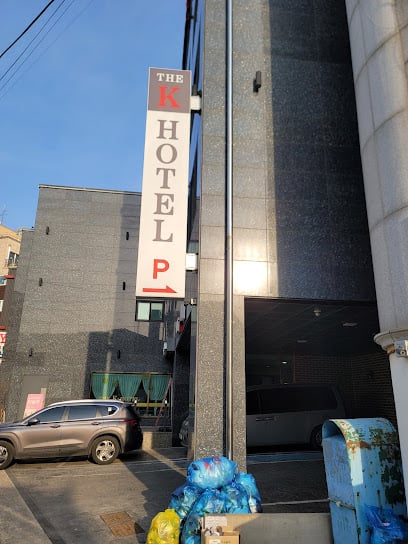
تقدم إنتشون مجموعة متنوعة من أماكن الإقامة. توجد فنادق وبيوت ضيافة و"يوغوان" (نزل تقليدية) في المناطق المحيطة بمحطة إنتشون، وبوبيونغ، وعلى طول الساحل. على الرغم من عدم وجود فنادق تسوق لنفسها تحديدًا كـ "فنادق للمثليين"، إلا أن المسافرين من مجتمع الميم يُرحب بهم بشكل عام في المؤسسات القياسية. يمكن لمنصات الحجز المساعدة في تحديد أماكن الإقامة التي ترحب بمجتمع الميم. غالبًا ما تكون بيوت الضيافة الصغيرة والمستقلة في مناطق وسط إنتشون مرحبة للغاية. تضم منطقة الواجهة البحرية بالقرب من ميناء إنتشون فنادق ومنتجعات تحظى بشعبية لدى السياح الكوريين، وهي أيضًا مرحبة بالضيوف من مجتمع الميم.
تُعد إنتشون بشكل عام مدينة آمنة للمسافرين من مجتمع الميم. نادرًا ما تقع جرائم عنف ضد أفراد مجتمع الميم. على الرغم من أن مظاهر المودة العلنية بين الأزواج من نفس الجنس أقل شيوعًا مما هي عليه في المدن الغربية، إلا أنها أصبحت مقبولة بشكل متزايد في إنتشون الحضرية، خاصة بين الشباب. من غير المرجح أن تثير مسك الأيدي أو اللمسات القصيرة ردود فعل سلبية في معظم الأماكن، على الرغم من أن المظاهر الأكثر صراحة قد تجذب الانتباه في المناطق الأكثر تحفظًا أو خارج أماكن تواجد مجتمع الميم. نادرًا ما يحدث التمييز في المؤسسات التجارية في مناطق الأعمال في إنتشون، على الرغم من حدوث حالات فردية من الرفض أو عدم الود تجاه عملاء مجتمع الميم. تحافظ المناطق السياحية الراسخة والأماكن الصديقة لمجتمع الميم على سياسات شاملة. قد يواجه الأفراد المتحولون جنسيًا وغير الثنائيين تدقيقًا اجتماعيًا إضافيًا مع تطور فهم الهويات الجندرية التي تتجاوز الثنائية بين الذكر والأنثى في المجتمع الكوري. ومع ذلك، يظل التمييز الصريح أو العنف غير معتاد في البيئات الحضرية.
تتمتع إنشون بشبكة مواصلات عامة واسعة تشمل المترو والحافلات والقطارات الخفيفة. سيارات الأجرة بأسعار معقولة ومتوفرة بكثرة. يمكن للعديد من الأماكن المخصصة للمثليين تقديم الاتجاهات باللغة الكورية لمساعدة سائقي سيارات الأجرة. يربط قطار مباشر مطار إنتشون الدولي بمحطة إنتشون، وتستغرق الرحلة حوالي 60 دقيقة. تعمل هذه المحطة المركزية كمركز عبور للمدينة وتوفر سهولة الوصول إلى الأحياء الصديقة للمثليين. المشي ممكن في مناطق وسط إنشون، على الرغم من أن الظروف الجوية يمكن أن تكون عاملاً. تقع معظم أماكن LGBTQ+ على مسافة قريبة من محطة إنتشون، مما يجعل المنطقة قابلة للمشي بشكل كبير.
تقدم إنشون مجموعة واسعة من المأكولات الكورية، من طعام الشارع إلى تناول الطعام الفاخر، مع التركيز بشكل خاص على المأكولات البحرية نظرًا لوضعها كميناء. غالبًا ما تدمج أماكن LGBTQ+ الكورية تناول الطعام والتواصل الاجتماعي، حيث تقدم العديد من حانات ونوادي المثليين الطعام أو تقع بالقرب من المطاعم الشهيرة. في حين أن أماكن تناول الطعام المخصصة للمثليين محدودة، فإن المطاعم الكورية الرئيسية في الأحياء الصديقة للمثليين معتادة على رواد LGBTQ+. يمكن لتطبيقات اكتشاف الطعام مع تقييمات المجتمع المساعدة في تحديد المؤسسات الترحيبية. تميل المطاعم والمقاهي في المناطق الأصغر الموجهة للجامعات إلى أن تكون أكثر صداقة لـ LGBTQ+.
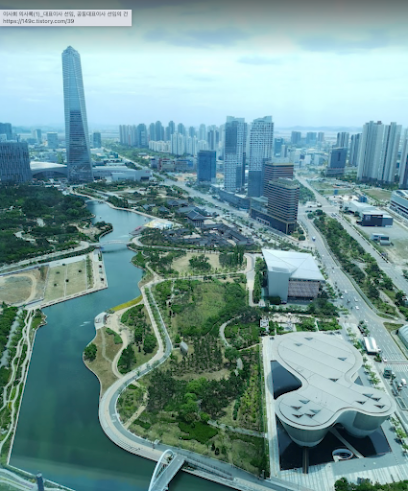
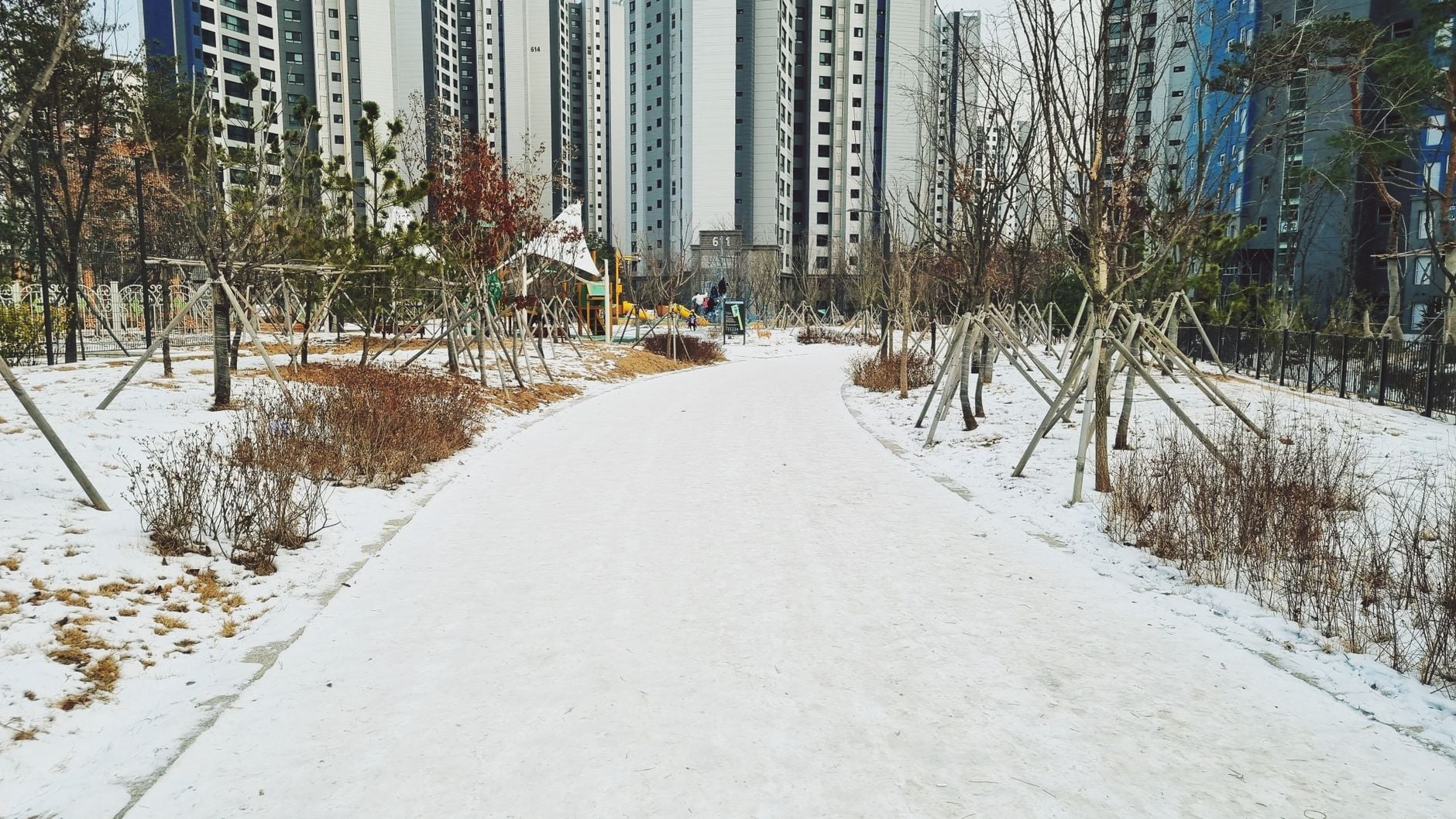
يسمح موقع إنشون بدمج استكشاف مشهد LGBTQ+ مع أنشطة سياحية أخرى. تشمل المعالم السياحية القريبة جزيرة Sonwha والمناطق الساحلية التي تضم شواطئ ومسارات للدراجات. يقدم الحي الصيني في إنشون والميناء القديم التاريخي والمتاحف المختلفة تجارب ثقافية. سوون، على بعد 40 دقيقة بالقطار جنوبًا، لديها مشهد LGBTQ+ أصغر ومواقع تاريخية خاصة بها. سيول متاحة أيضًا بسهولة بالقطار، مما يوفر الوصول إلى فعاليات برايد أكبر وبنية تحتية LGBTQ+ أكثر اتساعًا. تشمل معالم إنشون الأخرى Incheon Art Platform والعديد من المتنزهات.



 حانات ونوادٍ مثلية ودودة
(4)
حانات ونوادٍ مثلية ودودة
(4)