Everything worth knowing before you go.
Incheon, South Korea's third-largest city, provides an LGBTQ+ experience distinct from the capital, Seoul. While its scene is smaller, it is developing and becoming more apparent as societal attitudes shift.
The openly gay culture in Incheon, like much of South Korea, has primarily emerged in the last two decades. Early LGBTQ+ residents often traveled to Seoul for social and nightlife options. However, local venues began to appear in the mid-2000s as Incheon's economy grew and younger generations sought community spaces. Same-sex relationships were decriminalized in South Korea in 1995, though same-sex marriage is not legally recognized. Despite these limitations, urban centers like Incheon have seen increased social acceptance, particularly among younger people. This is reflected in more inclusive attitudes from local businesses, universities, and civic institutions, though opposition from some conservative religious groups and traditional sectors persists.
The main area of LGBTQ+-friendly activity is in Dong-gu (East District), particularly around Incheon Station and its surrounding neighborhoods. The area near Incheon Station itself hosts several gay bars and casual meeting spots. This is not a defined "gayborhood" in the Western sense, but rather a collection of LGBTQ+-welcoming venues spread across a broader district. Streets branching off from Incheon Station's south exit contain several gay bars and clubs within a compact, walkable area. The Suwon Road area and streets near the terminal have also become LGBTQ+-friendly zones. Most venues are small and intimate, rather than large commercial establishments. Visitors will find Korean signage and a local atmosphere, rather than a tourist-focused strip.
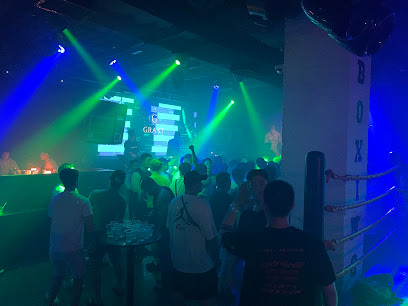
Specific venue names and exact locations can change rapidly in Korea's nightlife scene. Incheon typically has a number of active gay bars and clubs, ranging from small standing bars to larger clubs with dance floors. Most are open Thursday through Sunday, with Friday and Saturday nights being the busiest. Many venues are located on upper floors of office buildings or on side streets, a common characteristic of Korean nightlife infrastructure. Gay saunas exist in Incheon, operating with varying degrees of legal and social visibility. These often require cash payment and offer facilities similar to Korean jjimjilbangs (public bathhouses), sometimes with LGBTQ+-specific hours or sections. Most venues display Korean-language signage, though staff at established gay bars usually have some English proficiency and are accustomed to international visitors. Information about venues can often be found through social media or gay apps that offer location-based searches and community recommendations.
Incheon does not host a major Pride festival comparable to Seoul's (typically held in June), but the city does organize smaller LGBTQ+ cultural events and gatherings. Local communities arrange events, film screenings, and discussion forums. When held, the Incheon Queer Festival usually takes place in spring or autumn. Many Incheon residents also participate in larger Seoul Pride events, which are easily accessible by train. Other cultural events in Incheon have included art exhibitions, film screenings, and music performances featuring LGBTQ+ artists. University-based LGBTQ+ groups also organize social gatherings.
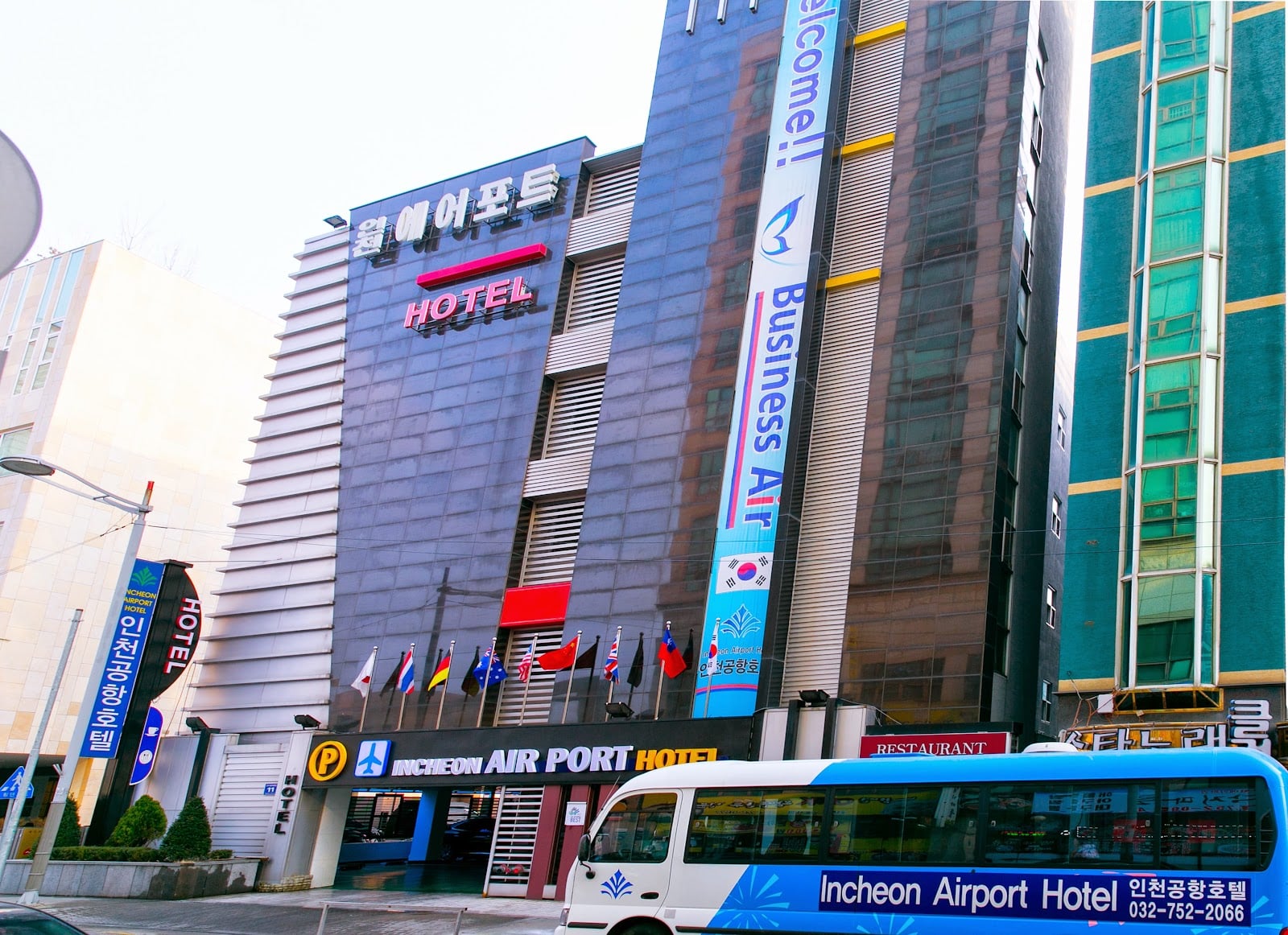
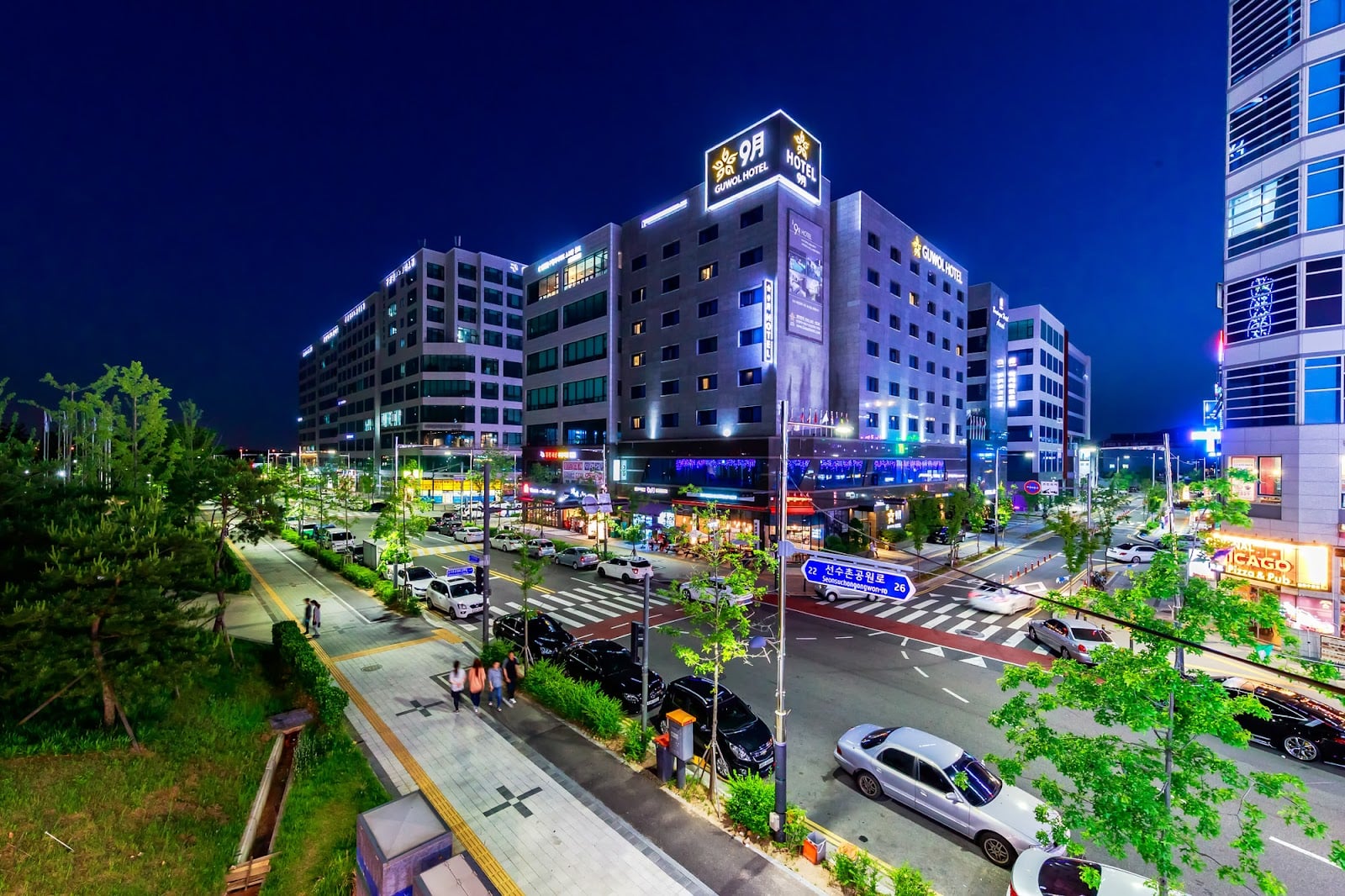
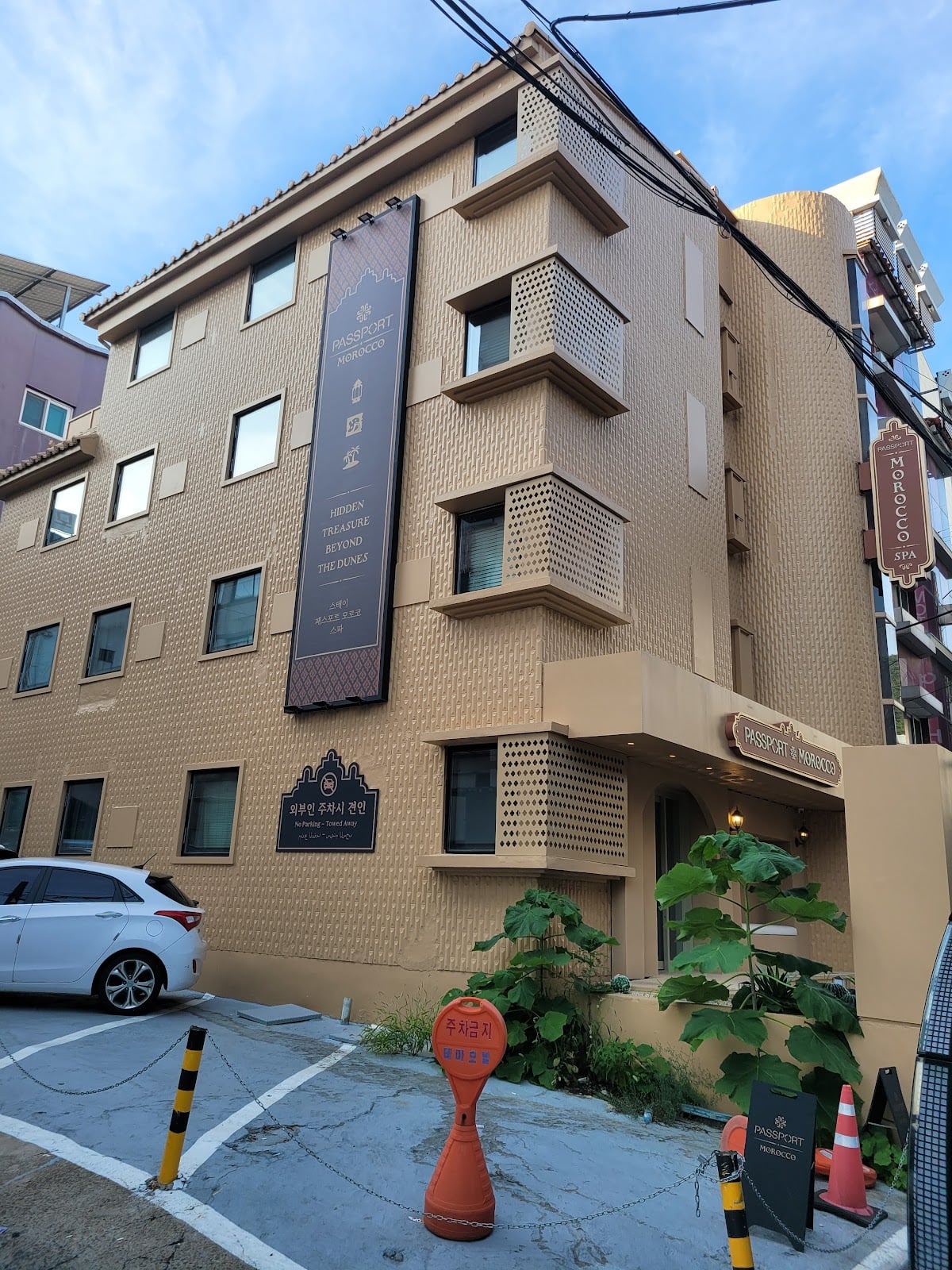
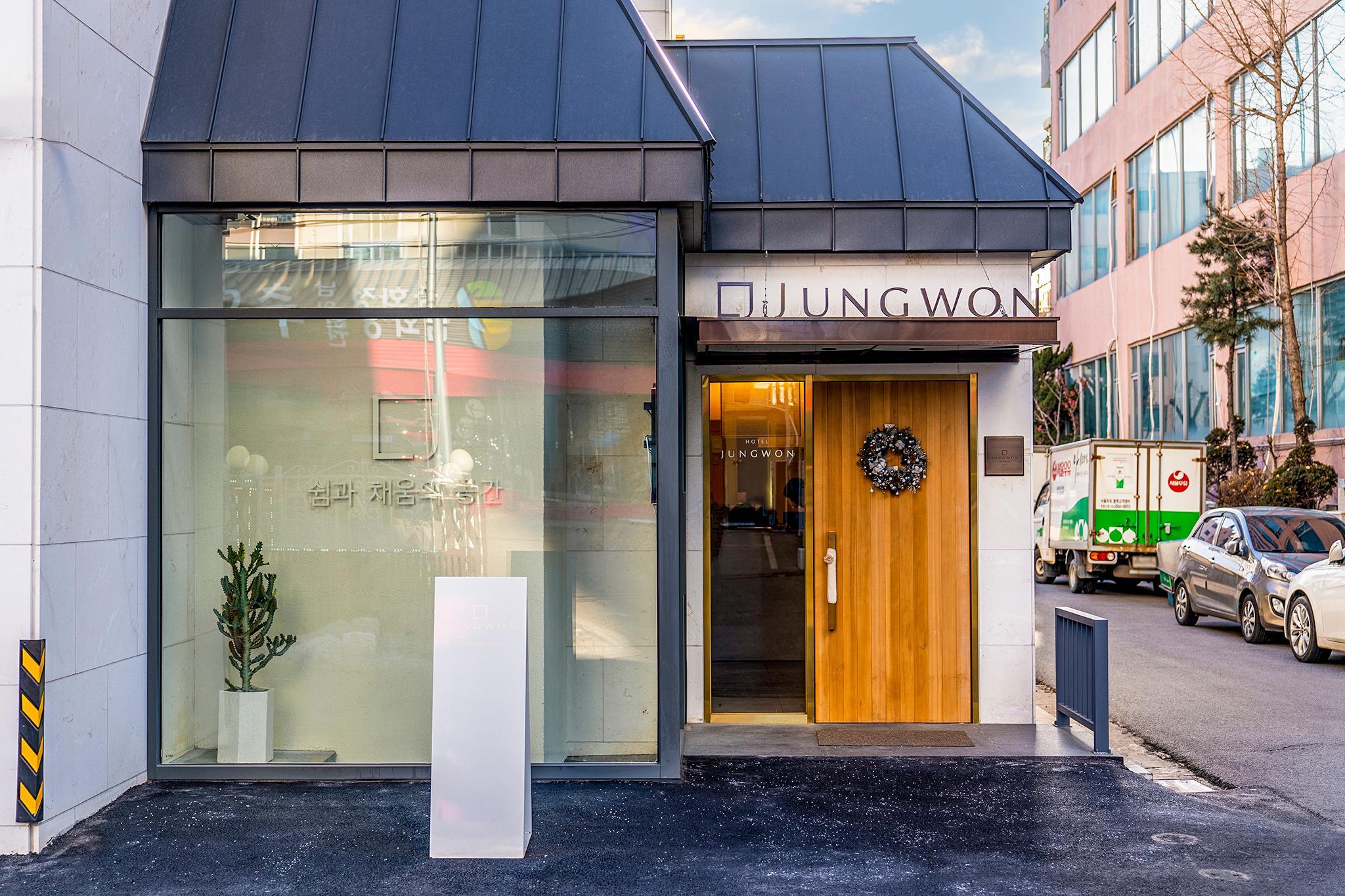
Incheon offers a variety of accommodation. Areas around Incheon Station, Bupyeong, and along the coastline have numerous hotels, guesthouses, and yeogwan (traditional inns). While no hotels specifically market themselves as "gay hotels," LGBTQ+ travelers are generally welcomed at standard establishments. Booking platforms can help identify LGBTQ+-welcoming properties. Smaller, independently operated guesthouses in central Incheon districts are often very welcoming. The waterfront area near Incheon Port has hotels and resorts popular with Korean tourists, which are also welcoming to LGBTQ+ guests.
Incheon is generally a safe city for LGBTQ+ travelers. Violent crime against LGBTQ+ individuals is rare. Public displays of affection between same-sex couples, while less common than in Western cities, are becoming more accepted in urban Incheon, especially among younger people. Holding hands or brief touches are unlikely to elicit negative reactions in most settings, though more overt displays might attract attention in more conservative areas or outside of gay venues. Discrimination in commercial establishments is uncommon in Incheon's business districts, though isolated instances of refusal or unfriendliness toward LGBTQ+ customers have occurred. Established tourist areas and gay-friendly venues maintain inclusive policies. Transgender and non-binary individuals may encounter additional social scrutiny as understanding of gender identities beyond the male-female binary develops in Korean society. However, overt discrimination or violence remains unusual in urban settings.
Incheon has an extensive public transportation network, including subway, bus, and light rail. Taxis are affordable and readily available. Many gay venues can provide directions in Korean to assist taxi drivers. Incheon International Airport is connected to Incheon Station by direct train, a journey of approximately 60 minutes. This central station serves as a transit hub for the city and offers easy access to gay-friendly districts. Walking is feasible in central Incheon districts, though weather conditions can be a factor. Most LGBTQ+ venues are located within a short distance of Incheon Station, making the area quite walkable.
Incheon offers a wide range of Korean cuisine, from street food to fine dining, with a particular emphasis on seafood due to its port status. Korean LGBTQ+ spaces often incorporate dining and socializing, with many gay bars and clubs offering food or being located near popular restaurants. While dedicated gay dining spaces are limited, mainstream Korean restaurants in gay-friendly neighborhoods are accustomed to LGBTQ+ patrons. Food discovery apps with community reviews can help identify welcoming establishments. Restaurants and cafes in younger, university-oriented areas tend to be more visibly LGBTQ+-friendly.
Incheon's location allows for combining exploration of the LGBTQ+ scene with other tourist activities. Nearby attractions include Sonwha Island and coastal areas with beaches and cycling paths. Incheon's Chinatown, historic Old Port, and various museums offer cultural experiences. Suwon, a 40-minute train ride south, has its own smaller LGBTQ+ scene and historical sites. Seoul is also easily accessible by train, offering access to larger Pride events and a more extensive LGBTQ+ infrastructure. Other Incheon attractions include the Incheon Art Platform and various parks.