Alles, was Sie vor der Reise wissen sollten.
LGBTQ+ status
Legal but conservative
Hanoi, die Hauptstadt Vietnams, bietet ein einzigartiges Reiseerlebnis für LGBTQ+-Besucher, die sich für südostasiatische Kultur und Geschichte interessieren, und das neben einer sich entwickelnden schwulen Szene. Obwohl kleiner und diskreter als in Städten wie Bangkok oder Ho Chi Minh City, beherbergt Hanoi eine einladende LGBTQ+-Gemeinschaft und zieht queere Reisende an, die authentische vietnamesische Erlebnisse und ein unaufdringliches Nachtleben suchen.
Vietnam hat gleichgeschlechtliche Beziehungen 2002 entkriminalisiert, aber eine rechtliche Anerkennung gleichgeschlechtlicher Partnerschaften fehlt. Die LGBTQ+-Gemeinschaft in Hanoi agierte historisch diskret, oft über Online-Netzwerke. In den letzten Jahren sind jüngere Generationen offener geworden, was zur Entstehung einiger LGBTQ+-freundlicher Lokale geführt hat, die sowohl Einheimische als auch Expats ansprechen. Offizielle Pride-Veranstaltungen finden nicht statt, aber informelle Treffen und Online-Aktivismus haben zugenommen, insbesondere unter jüngeren städtischen Bevölkerungsgruppen. Die Szene ist weniger etabliert als in größeren regionalen Zentren, wächst aber stetig und vernetzt sich mit breiteren südostasiatischen LGBTQ+-Netzwerken.
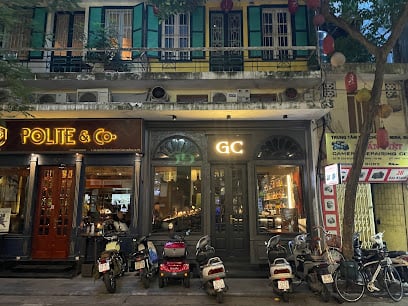
Das Old Quarter, im Hoàn Kiếm District gelegen, ist Hanois Haupttouristenviertel und hier finden sich viele LGBTQ+-orientierte Lokale. Die engen Gassen dieses historischen Viertels sind ein beliebter Treffpunkt für Einheimische und Besucher. Der Hoàn Kiếm Lake bietet angenehme Spaziergänge und Gelegenheiten zum Leute beobachten. Das French Quarter, südlich des Old Quarter, zeichnet sich durch Kolonialarchitektur und einige LGBTQ+-freundliche Etablissements aus. Tây Hồ (West Lake) ist ein zunehmend beliebtes Wohn- und Freizeitgebiet mit modernen Cafés und Bars, die von jüngeren LGBTQ+-Einheimischen frequentiert werden. Der Ba Đình District, bekannt für seine Regierungsgebäude und Kulturstätten, ist für die schwule Szene weniger relevant.
Die Handy Bar im Old Quarter ist eine seit langem bestehende Gay-Bar und ein sozialer Treffpunkt für Einheimische und internationale Besucher, bekannt für ihre entspannte Atmosphäre. Der Ly Club im Old Quarter richtet sich ebenfalls an die LGBTQ+-Community, wobei die Lokale in Hanoi im Allgemeinen ein zurückhaltenderes Profil aufweisen als anderswo in der Region. Die New Q Bar ist ein schwulenfreundlicher Treffpunkt, der Tanzen und Geselligkeit bietet. Die Landschaft der Ausgehmöglichkeiten in Hanoi kann sich ändern, daher ist es ratsam, den aktuellen Betriebsstatus vor einem Besuch zu überprüfen.
Online-Plattformen und Apps werden von der lokalen schwulen Community rege für Kontakte genutzt, und viele soziale Veranstaltungen werden über diese Kanäle und spezielle Facebook-Gruppen organisiert. Die Szene stützt sich stark auf Mundpropaganda und App-basierte Kommunikation, was die diskrete Natur der Community widerspiegelt. Informationen über Saunen und Bäder werden Touristen nicht breit beworben; Anfragen in Gay-Bars oder über lokale Apps können Details liefern.
Es gibt keine offiziell sanktionierten Hanoi Pride-Veranstaltungen. Die Community organisiert jedoch kleine, informelle Treffen, Dinner-Verabredungen und Feiern, insbesondere um den 17. Mai (Internationaler Tag gegen Homophobie, Transphobie und Biphobie) und im Juni. Diese Veranstaltungen sind in der Regel privat oder halb-privat. Reisende, die an einer Teilnahme interessiert sind, sollten sich nach ihrer Ankunft mit lokalen Netzwerken in Verbindung setzen.
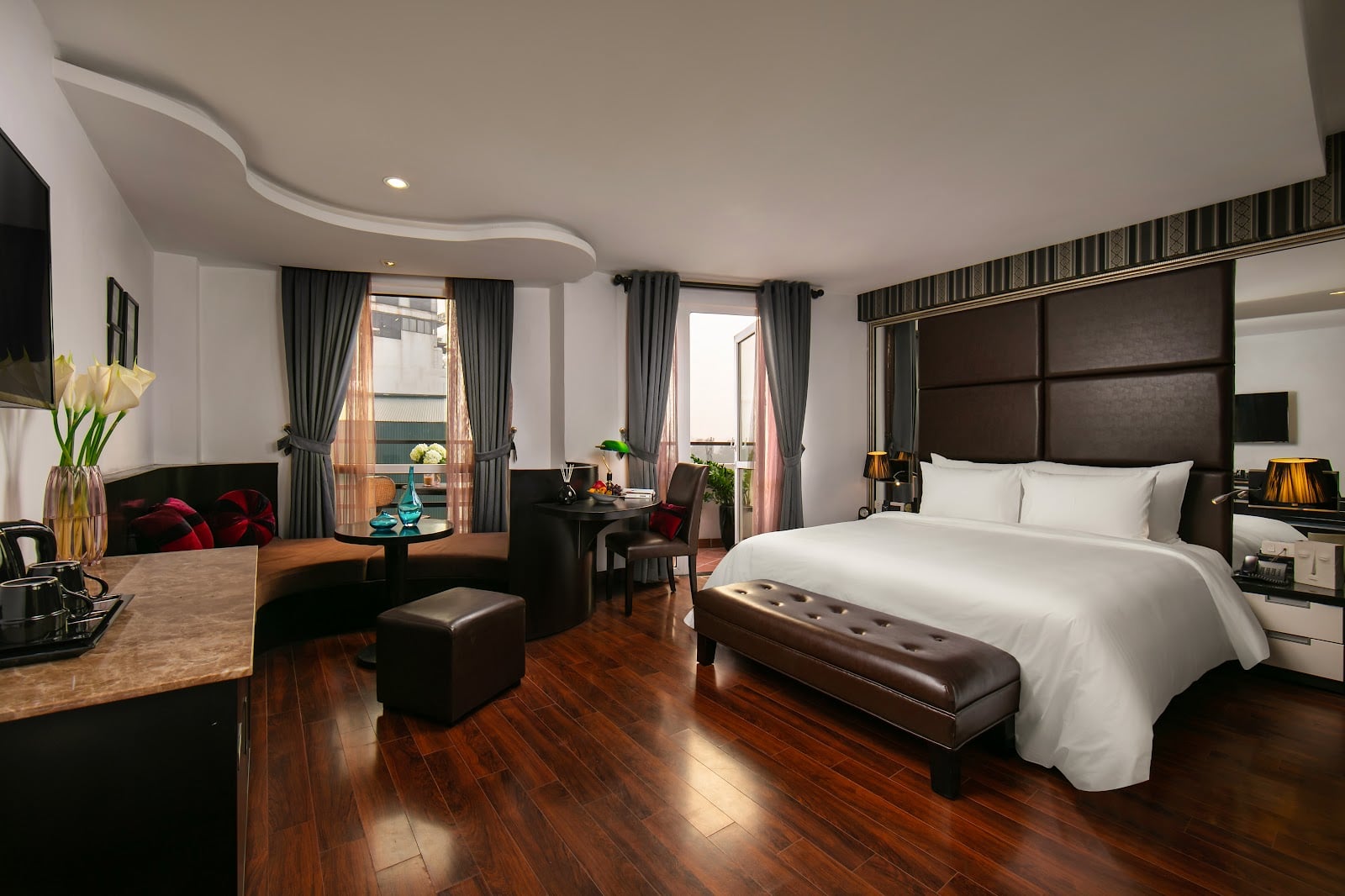
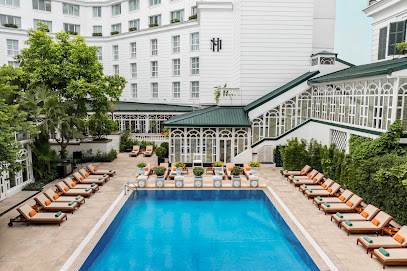
Für die Unterkunft ist das Old Quarter die bequemste Gegend, da sie Besucher in fußläufiger Entfernung zu LGBTQ+-freundlichen Lokalen, Restaurants, Streetfood und kulturellen Attraktionen unterbringt. Hotels in diesem Viertel bieten ein gutes Preis-Leistungs-Verhältnis und zentrale Lagen. Das French Quarter bietet gehobenere und ruhigere Optionen. Die Gegend um den West Lake bietet moderne Hotels, erfordert aber Transportmittel, um das Old Quarter zu erreichen. Für die Nähe zu Lokalen und eine internationalere Mischung wird das Old Quarter empfohlen.
Vietnam hat keine Gesetze gegen gleichgeschlechtliche Beziehungen, und solche Beziehungen sind nicht illegal. Eine rechtliche Anerkennung von gleichgeschlechtlichen Ehen oder Partnerschaften fehlt jedoch. Die gesellschaftliche Akzeptanz ist unterschiedlich; jüngere städtische Bevölkerungsgruppen sind offener als Menschen in ländlichen Gebieten oder in konservativen Familien. Hanoi ist generell eine sichere Stadt mit geringen Raten an Gewaltverbrechen. Reisende sollten öffentliche Zuneigungsbekundungen vermeiden, da dies unerwünschte Aufmerksamkeit erregen kann. Die Behörden können unberechenbar sein, daher sollten Aktivismus oder große öffentliche Versammlungen, die als politisch wahrgenommen werden könnten, vermieden werden. Seien Sie bei der persönlichen Sicherheit vernünftig, da Taschendiebstahl und Betrügereien vorkommen können. Respektieren Sie die lokale Kultur und Bräuche, auch an religiösen Stätten und in familienorientierten Bereichen. Die Verbindung mit der lokalen LGBTQ+-Community über Apps und Online-Gruppen kann aktuelle Sicherheitsinformationen und Details zu sozialen Veranstaltungen liefern.
Die öffentlichen Verkehrsmittel in Hanoi umfassen Busse, obwohl das System für Besucher verwirrend sein kann. Taxis und Ride-Sharing-Apps wie Grab sind praktisch und günstig. Fahrräder und Motorroller sind üblich, aber die Navigation im chaotischen Verkehr kann für Neulinge eine Herausforderung sein. Zu Fuß ist der beste Weg, um das Old Quarter zu erkunden.
Hanoi ist berühmt für sein Street Food und seine lokale Küche, darunter Phở, Bánh Mì, Egg Coffee und frische Frühlingsrollen. Das Old Quarter bietet zahlreiche Street-Food-Stände und zwanglose Restaurants. Cafés und Restaurants bedienen internationale Besucher und LGBTQ+-Gäste und bieten sowohl westliche als auch vietnamesische Optionen. Rooftop-Bars und Cafés bieten angenehme gastronomische Erlebnisse mit Stadtblick.
Beliebte Tagesausflüge und Exkursionen sind die Halong-Bucht, ein UNESCO-Weltkulturerbe (3-4 Stunden mit dem Bus), und Ninh Bình, bekannt für ähnliche Landschaften und alte Tempel (2 Stunden). Sapa, eine Bergstadt, ist eine längere Reise (5-6 Stunden) und beliebt zum Trekking. Tam Cốc, in der Nähe von Ninh Bình, bietet malerische Bootsfahrten. Diese umliegenden Gebiete haben eine kleinere, konservativere Bevölkerung, und Reisende sollten in Bezug auf sexuelle Orientierung und Geschlechtsidentität Diskretion walten lassen.
Zu den wichtigsten kulturellen und historischen Stätten gehören der Tempel der Literatur, das Ho-Chi-Minh-Mausoleum, der Hoan-Kiem-See und die Kaiserzitadelle. Das Vietnamesische Frauenmuseum und das Ho-Chi-Minh-Museum bieten historische Einblicke. Das Old Quarter selbst mit seiner Architektur und den engen Gassen ist eine bedeutende Attraktion.
Die beste Reisezeit ist von Oktober bis April mit kühlem und trockenem Wetter. Vermeiden Sie Mai bis September, da es dann heiß, feucht und regnerisch ist. Vietnamesisch ist die Hauptsprache; Englisch wird in Touristengebieten und unter jüngeren Leuten gesprochen. Das Erlernen grundlegender vietnamesischer Sätze wird geschätzt. Die Währung ist der Vietnamesische Dong (VND); Geldautomaten sind weit verbreitet und Kreditkarten werden in touristischen Betrieben akzeptiert. Visabestimmungen variieren je nach Nationalität; prüfen Sie die aktuellen Vorschriften. WLAN ist in Hotels, Cafés und Restaurants üblich, und mobile Daten sind günstig.
Hanoi bietet LGBTQ+-Reisenden die Möglichkeit, authentische vietnamesische Kultur, Geschichte und Küche zu erleben, neben einer diskreten, aber dennoch herzlichen schwulen Gemeinschaft.







 Schwule Bars & Clubs
(266)
Schwule Bars & Clubs
(266)