Everything worth knowing before you go.
LGBTQ+ status
Legal but conservative
Hanoi, Vietnam's capital, provides a distinct travel experience for LGBTQ+ visitors interested in Southeast Asian culture and history, alongside a developing gay scene. While smaller and more discreet than in cities like Bangkok or Ho Chi Minh City, Hanoi hosts a welcoming LGBTQ+ community and draws queer travelers seeking genuine Vietnamese experiences and low-key nightlife.
Vietnam decriminalized same-sex relationships in 2002, but legal recognition for same-sex partnerships is absent. Hanoi's LGBTQ+ community has historically operated with discretion, often through online networks. In recent years, younger generations have become more open, leading to the emergence of a few LGBTQ+-friendly venues catering to both locals and expatriates. Official Pride events are not held, but informal gatherings and online activism have increased, particularly among younger urban populations. The scene is less established than in larger regional hubs but is steadily growing and connecting with broader Southeast Asian LGBTQ+ networks.
The Old Quarter, located in Hoàn Kiếm District, is Hanoi's primary tourist area and where many LGBTQ+-oriented venues are found. This historic district's narrow streets are a common meeting point for locals and visitors. Hoàn Kiếm Lake offers pleasant walks and people-watching opportunities. The French Quarter, south of the Old Quarter, features colonial architecture and some establishments that are LGBTQ+-friendly. Tây Hồ (West Lake) is an increasingly popular residential and leisure area with modern cafes and bars frequented by younger LGBTQ+ locals. Ba Đình District, known for its government buildings and cultural sites, is less relevant to the gay scene.
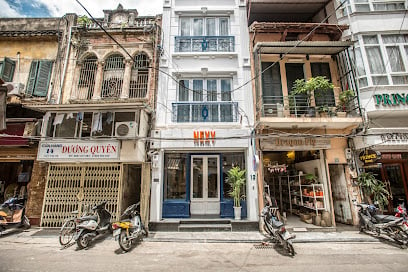
Handy Bar, situated in the Old Quarter, is a long-standing gay bar and a social hub for a mix of local men and international visitors, known for its relaxed atmosphere. Ly Club in the Old Quarter also caters to the LGBTQ+ crowd, though venues in Hanoi generally maintain a more subdued profile compared to those elsewhere in the region. New Q Bar has been a gay-friendly venue offering dancing and socializing. The landscape of nightlife venues in Hanoi can change, so it is advisable to verify current operational status before visiting.
Online platforms and apps are widely used by the local gay community for connections, and many social events are organized through these channels and dedicated Facebook groups. The scene relies heavily on word-of-mouth and app-based communication, reflecting the community's discreet nature. Information regarding saunas and bathhouses is not widely advertised to tourists; inquiries at gay bars or through local apps may provide details.
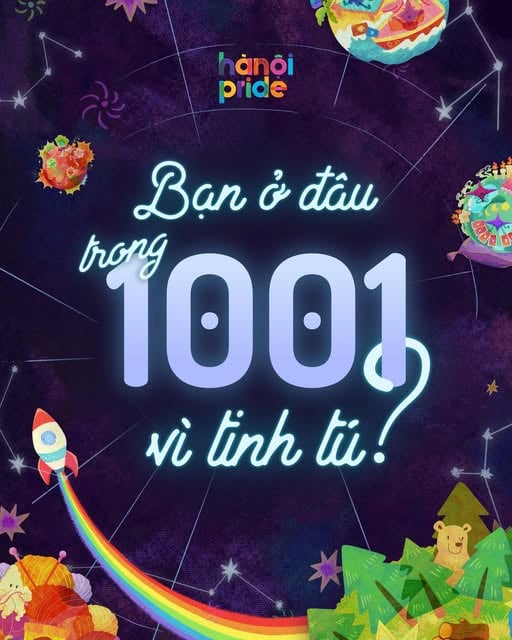
There are no officially sanctioned Hanoi Pride events. However, the community organizes small, informal gatherings, dinner meetups, and celebrations, particularly around May 17 (International Day Against Homophobia, Transphobia and Biphobia) and during June. These events are typically private or semi-private. Travelers interested in participating should connect with local networks upon arrival.
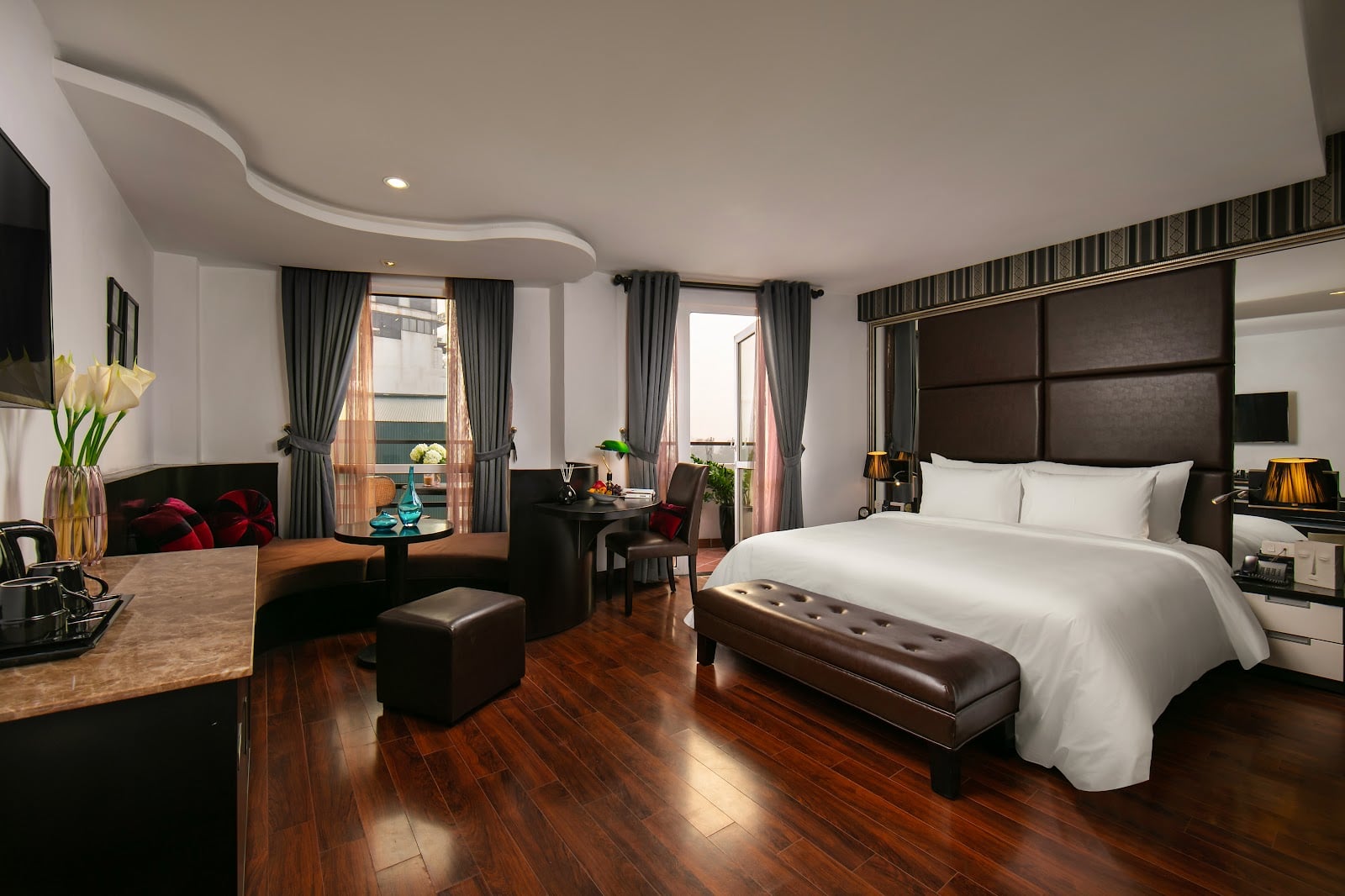
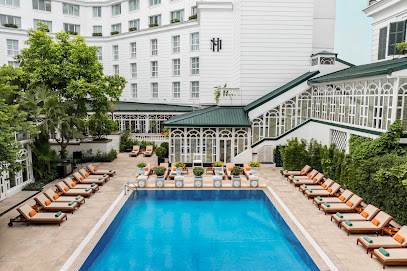
For accommodation, the Old Quarter is the most convenient area, placing visitors within walking distance of LGBTQ+-friendly venues, restaurants, street food, and cultural attractions. Hotels in this district offer good value and central locations. The French Quarter provides more upscale and quieter options. The West Lake area offers modern hotels but requires transportation to reach the Old Quarter. For proximity to venues and a more international crowd, the Old Quarter is recommended.
Vietnam does not have laws against same-sex relations, and such relationships are not illegal. However, legal recognition for same-sex marriage or partnerships is absent. Societal acceptance varies, with younger urban populations being more open than those in rural areas or conservative families. Hanoi is generally a safe city with low rates of violent crime. Travelers should avoid public displays of affection, as this may attract unwanted attention. Authorities can be unpredictable, so avoid activism or large public gatherings that could be perceived as political. Exercise common sense regarding personal safety, as pickpocketing and scams can occur. Respect local culture and customs, including at religious sites and family-oriented spaces. Connecting with the local LGBTQ+ community through apps and online groups can provide current safety information and details on social events.
Public transportation in Hanoi includes buses, though the system can be confusing for visitors. Taxis and ride-hailing apps like Grab are convenient and inexpensive. Bicycles and motorbikes are common but navigating the chaotic traffic can be challenging for newcomers. Walking is the best way to explore the Old Quarter.
Hanoi is celebrated for its street food and local cuisine, including phở, bánh mì, egg coffee, and fresh spring rolls. The Old Quarter offers numerous street food stalls and casual eateries. Cafes and restaurants cater to international visitors and LGBTQ+ patrons, offering both Western and Vietnamese options. Rooftop bars and cafes provide pleasant dining experiences with city views.
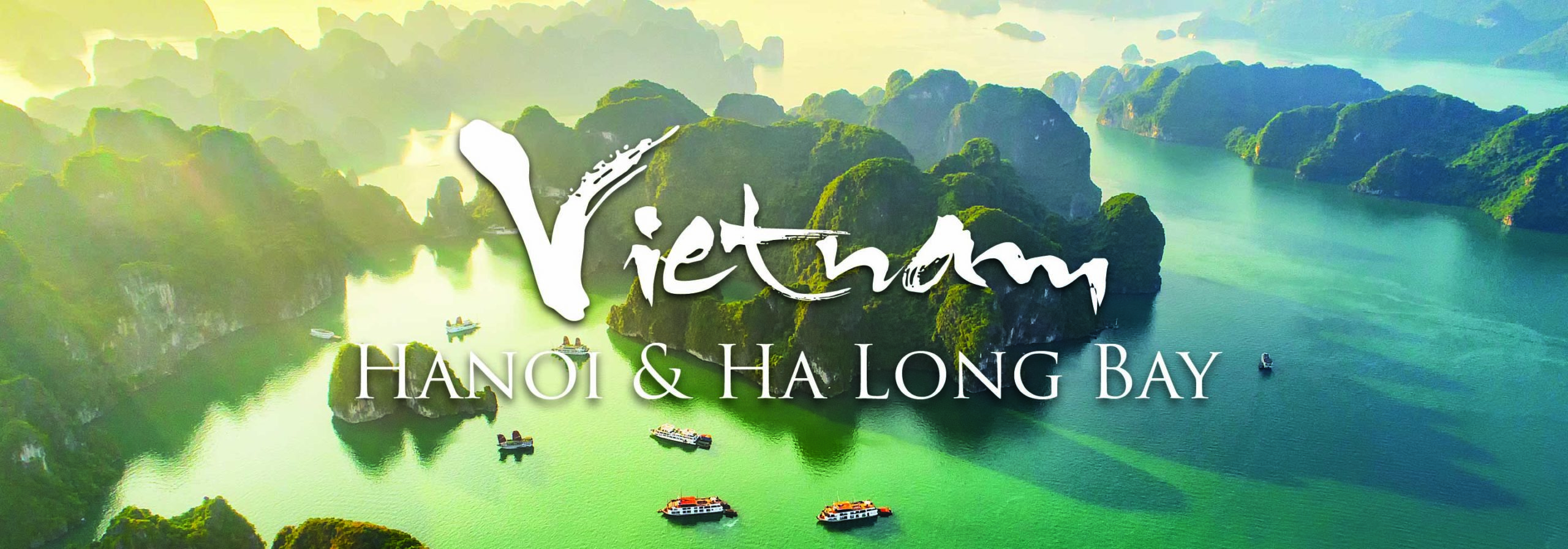
Popular day trips and excursions include Halong Bay, a UNESCO World Heritage site (3-4 hours by bus), and Ninh Bình, known for similar landscapes and ancient temples (2 hours). Sapa, a mountain town, is a longer trip (5-6 hours) popular for trekking. Tam Cốc, near Ninh Bình, offers scenic boat rides. These surrounding areas have smaller, more conservative populations, and travelers should exercise discretion regarding sexual orientation and gender identity.
Key cultural and historical sites include the Temple of Literature, Ho Chi Minh Mausoleum, Hoan Kiếm Lake, and the Imperial Citadel. The Vietnamese Women's Museum and Ho Chi Minh Museum offer historical insights. The Old Quarter itself, with its architecture and narrow streets, is a significant attraction.
The best time to visit is from October to April, offering cool and dry weather. Avoid May to September, which is hot, humid, and rainy. Vietnamese is the primary language; English is spoken in tourist areas and among younger people. Learning basic Vietnamese phrases is appreciated. The currency is the Vietnamese Dong (VND); ATMs are widely available, and credit cards are accepted in tourist establishments. Visa requirements vary by nationality; check current regulations. WiFi is common in hotels, cafes, and restaurants, and mobile data is inexpensive.
Hanoi offers LGBTQ+ travelers an opportunity to experience authentic Vietnamese culture, history, and cuisine alongside a discreet yet welcoming gay community.





 Gay Bars & Clubs
(266)
Gay Bars & Clubs
(266)