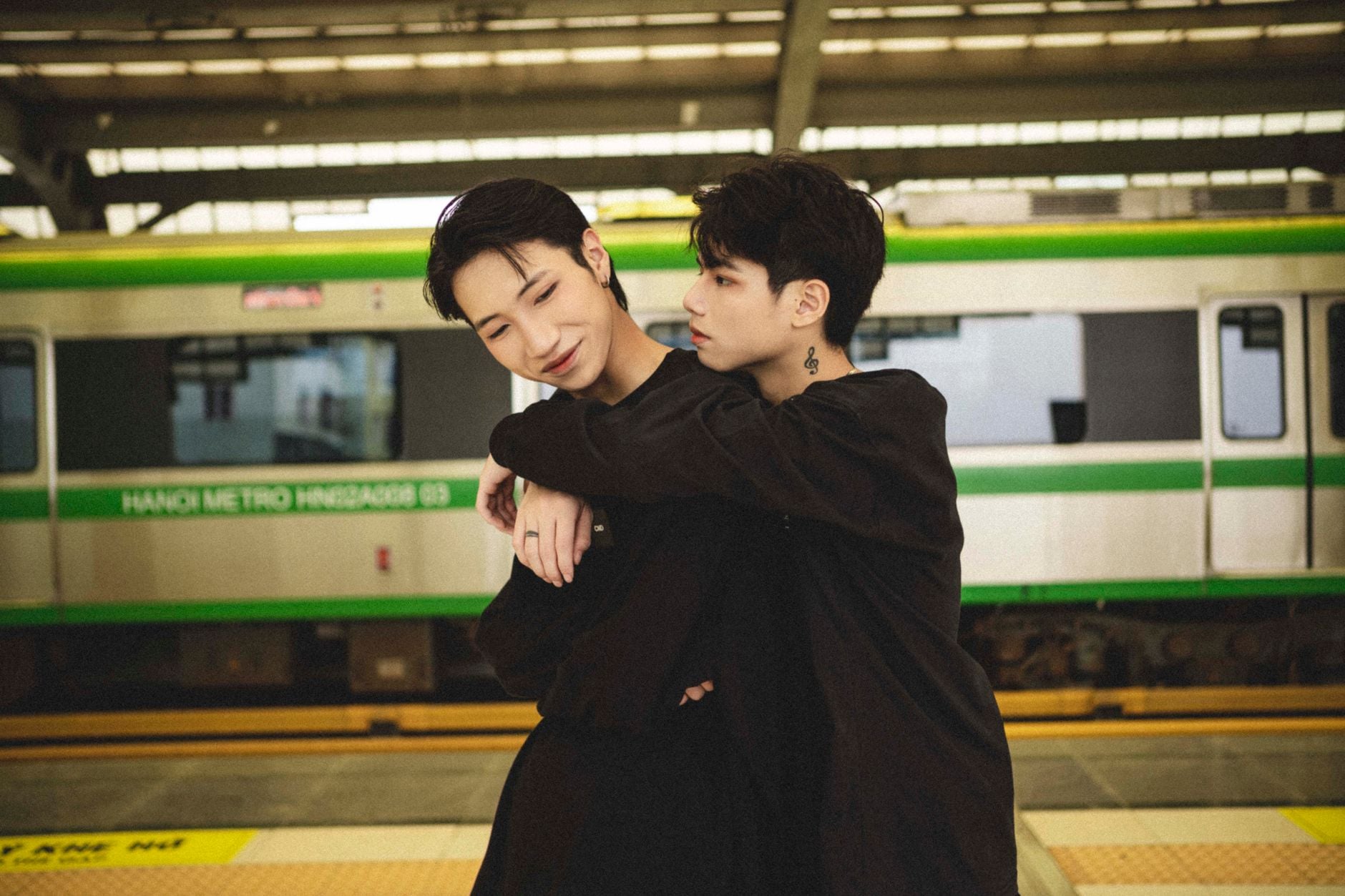
Hanoi, Vietnam's capital, offers LGBTQ+ visitors a very different experience from the country's louder southern hub. Where Ho Chi Minh City has a busy bar-and-club circuit, Hanoi's queer scene is smaller, quieter and more discreet — built around a couple of dedicated gay bars, a cluster of gay men's saunas and massage spas, and a young, increasingly open local community that connects largely through apps and word of mouth. For travellers who come for Vietnamese culture, food and history first and nightlife second, that low-key character is part of the appeal.
Vietnam has never criminalized same-sex relationships, and in 2015 the government removed same-sex ceremonies from its list of prohibited activities. There is still no legal recognition of same-sex partnerships or marriage and no anti-discrimination law, but big-city scenes like Hanoi's operate openly and police do not target gay venues. Younger urban Vietnamese are markedly more relaxed about sexuality than older or rural generations, and the visible community has grown steadily over the past decade.
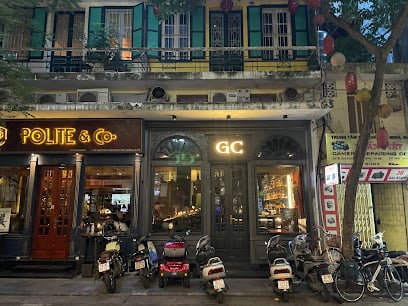
The Old Quarter, in Hoàn Kiếm District, is Hanoi's tourist heart and the most convenient base — a maze of narrow streets around Hoàn Kiếm Lake packed with hotels, street food and bars. GC Bar, the city's veteran gay bar, sits just off the lake on Ngõ Bảo Khánh. The adjoining French Quarter, south of the Old Quarter, has colonial architecture and a handful of upscale, mixed-friendly venues. Ba Đình, west of the centre, is where most of the gay saunas and men's spas cluster, while Tây Hồ (West Lake) — a leafier, more residential area to the north — has become a favourite of younger LGBTQ+ locals and is home to the weekend gay club BirdCage.
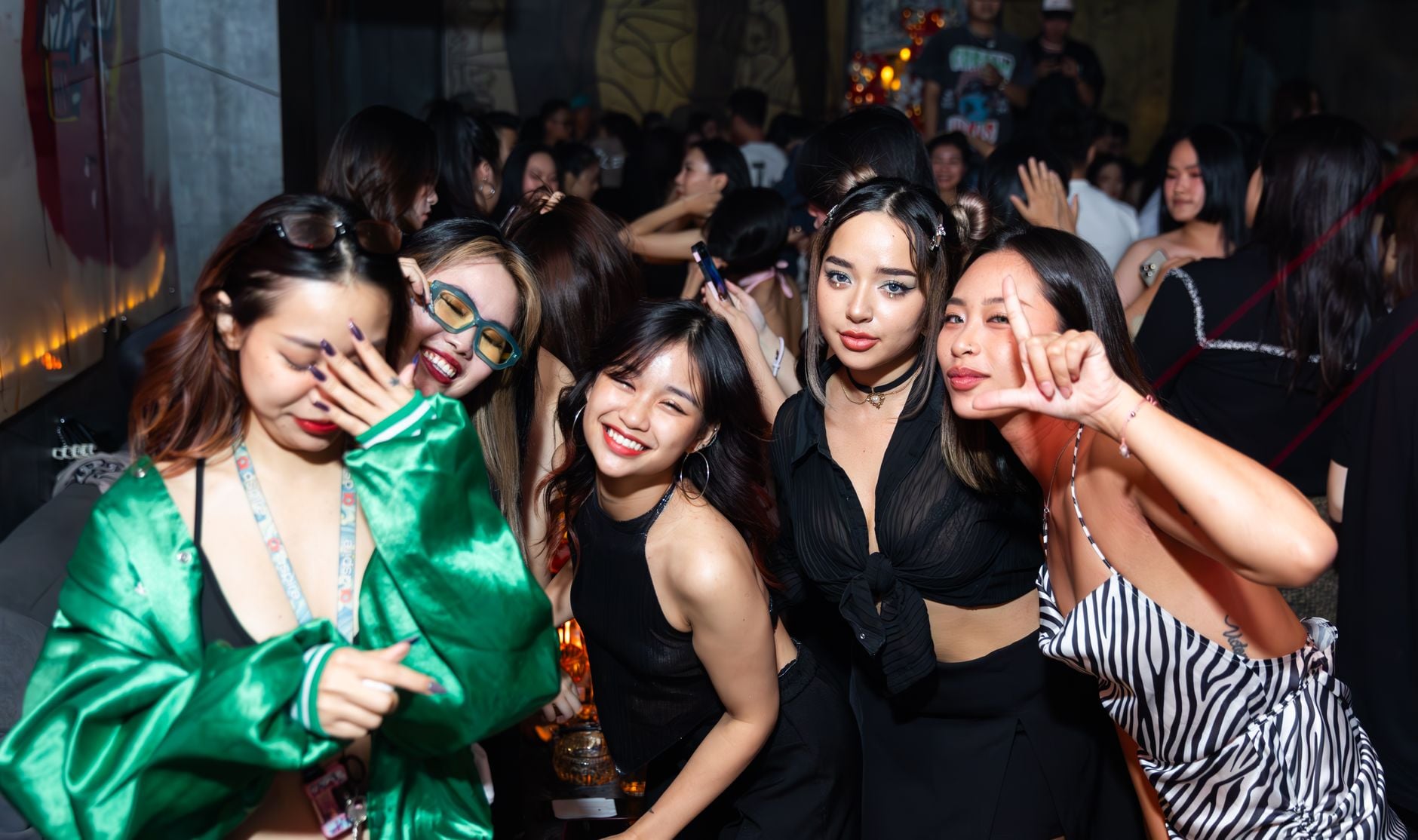
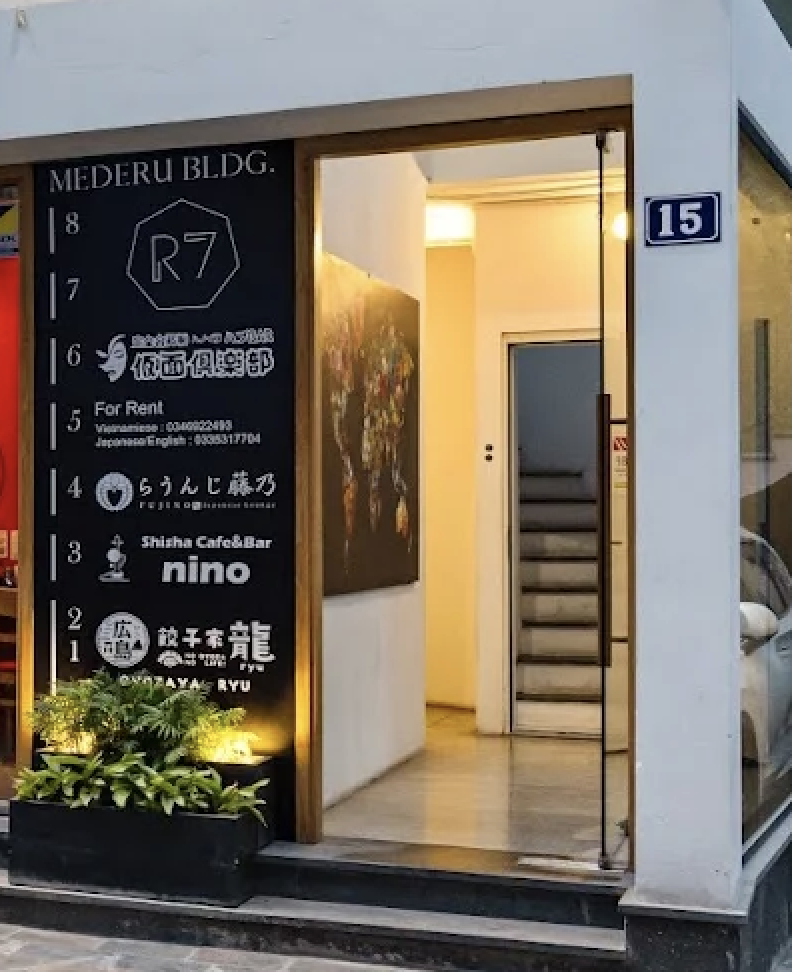
The bar scene is genuinely small. GC Bar (Golden Cock) on Ngõ Bảo Khánh is the long-running fixture — an openly gay bar and social hub for a mix of local men and international visitors. R7, a rooftop venue on Đào Tấn in Ba Đình, has become the scene's most active spot, running regular drag shows and dancing across its 7th-floor and rooftop levels. BirdCage, out in Tây Hồ, is Hanoi's underground gay dance club, open mainly on Friday and Saturday nights. Because the roster is small and hours change, it is always worth checking a venue's social media before heading out.
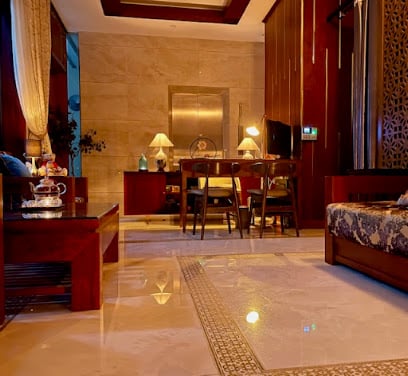
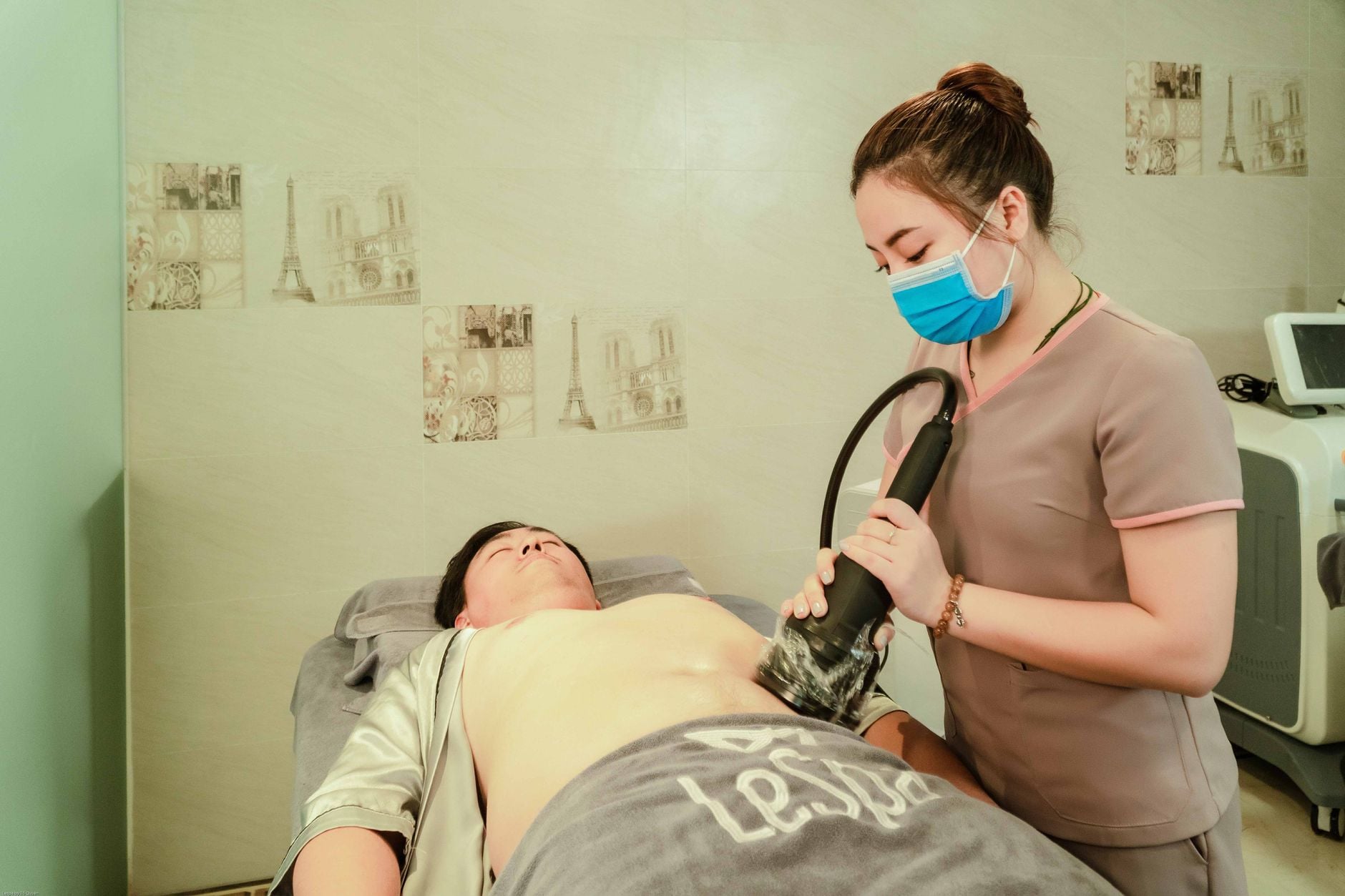
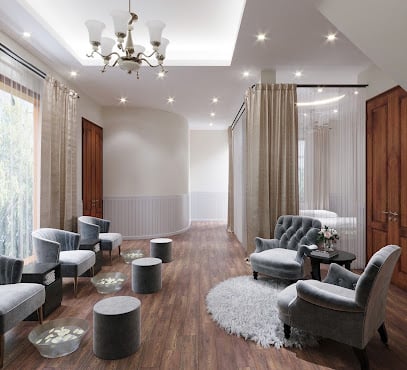
Hanoi's real centre of gravity, though, is its gay saunas and men's massage spas. P6 Sauna near West Lake is currently the busiest and best-regarded bathhouse; Soi Sauna in Tây Hồ and the long-running B Spa & Lounge in Ba Đình round out the sauna options. For men's massage, DaNi Spa, Hero Spa For Men and Akira Clinic & Spa — all in the Ba Đình / West Lake belt — are the most established gay-oriented choices. Many of these venues advertise mostly in Vietnamese and through apps rather than to tourists, so a little research or a local contact goes a long way.
Hanoi is also the birthplace of VietPride, Vietnam's community-run Pride movement, which launched here in 2012. VietPride Hanoi is organised by volunteers rather than the state and typically takes place in the autumn (around September–October), with film screenings, talks, a bike rally and social gatherings; dates shift year to year, so check local LGBTQ+ groups closer to the time. Smaller community events also cluster around May 17 (IDAHOBIT). There is no large street parade on the scale of Bangkok or Taipei, but the community's calendar is livelier than its quiet nightlife might suggest.
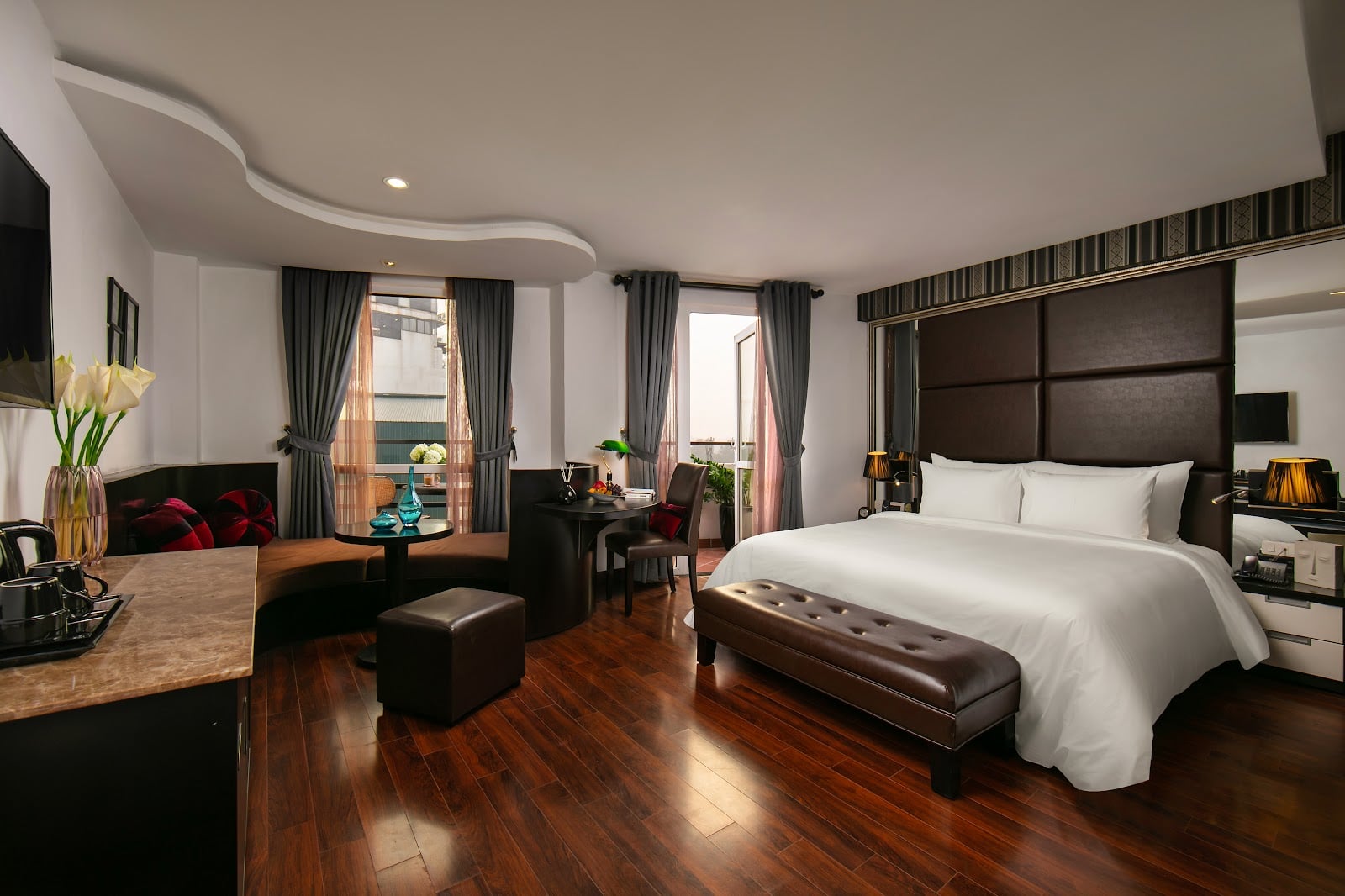
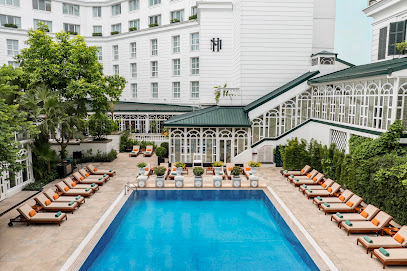
For accommodation, the Old Quarter is the most convenient area, placing visitors within walking distance of GC Bar, restaurants, street food and cultural sights; its hotels offer good value and central locations. The French Quarter has more upscale, quieter options, while Tây Hồ offers modern hotels but requires a short Grab ride to the centre. Ride-hailing apps like Grab (cars and motorbikes) are cheap, reliable and the easiest way to move between neighbourhoods and out to the West Lake venues.
Hanoi is generally a very safe city with low violent crime, though petty theft and the usual tourist scams occur. Same-sex affection is legal, but discretion outside nightlife areas is sensible, and travellers should avoid activism or large unsanctioned public gatherings, which authorities can treat as political. Day trips to Halong Bay, Ninh Bình, Tam Cốc and Sapa are spectacular, but these rural areas are more conservative, so exercise the same discretion you would anywhere outside the big cities.
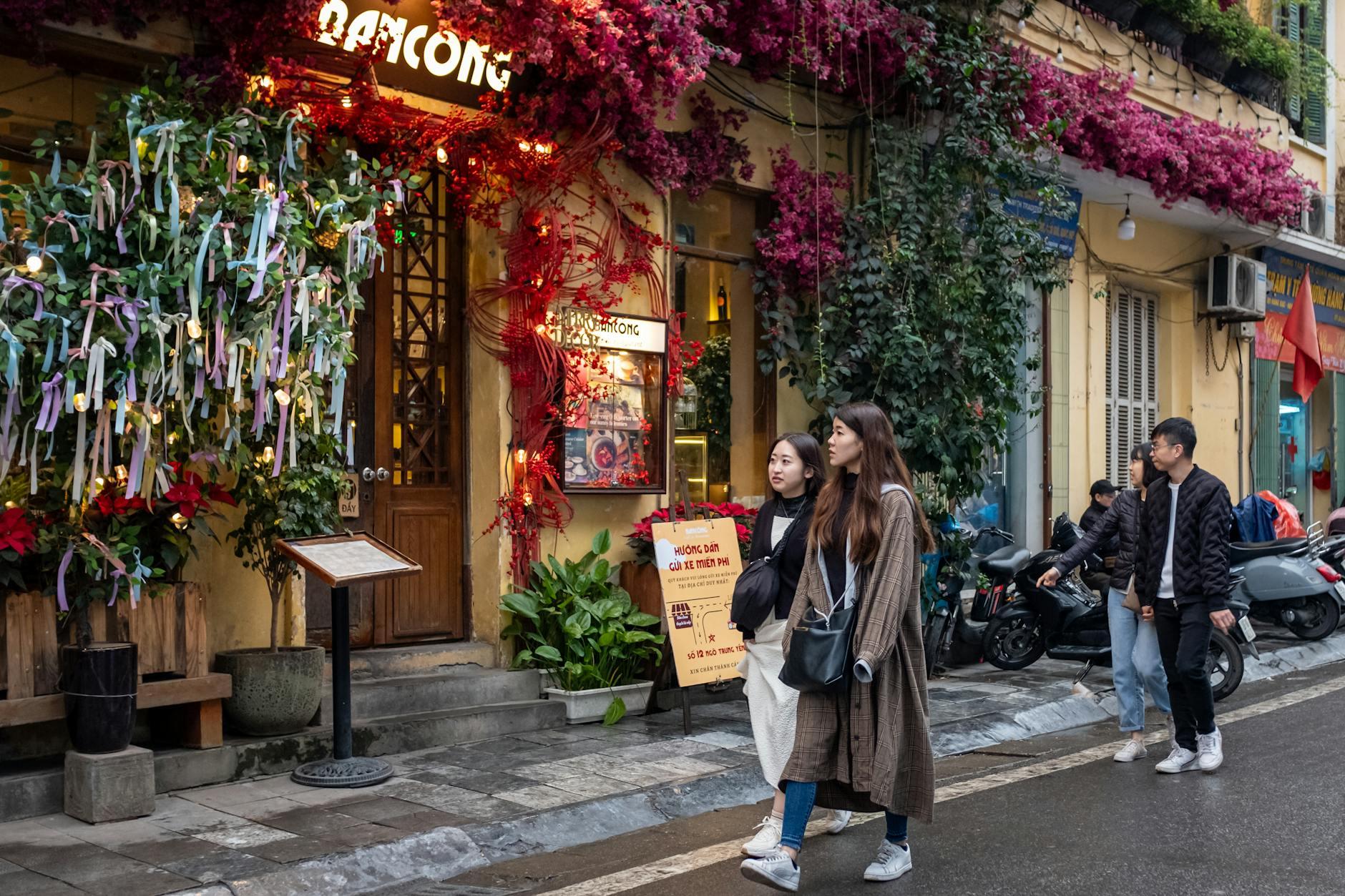
The city is celebrated for its street food — phở, bún chả, bánh mì, egg coffee and fresh spring rolls — best explored on foot in the Old Quarter. Key sights include the Temple of Literature, the Ho Chi Minh Mausoleum, the Imperial Citadel and, of course, Hoàn Kiếm Lake. The best time to visit is October to April, when the weather is cool and dry; May to September is hot, humid and wet. English is widely understood in tourist areas and among younger people, the currency is the Vietnamese Dong, and Wi-Fi and cheap mobile data are everywhere. For LGBTQ+ travellers willing to look past the surface, Hanoi rewards with authentic culture and a warm, if understated, queer welcome.


 ゲイバー&クラブ
おすすめ
(190)