Gleichgeschlechtliche Ehe (Ehe für alle) legalisiert am 1. Oktober 2017. Lebenspartnerschaften waren seit 2001 verfügbar. Gemeinsame Adoptionsrechte für gleichgeschlechtliche Paare seit 2017. Starke bundesweite Antidiskriminierungsschutzbestimmungen (AGG, Allgemeines Gleichbehandlungsgesetz 2006) für Beschäftigung, Waren und Dienstleistungen. Konversionstherapie für Minderjährige 2020 verboten; vollständiges Verbot für Erwachsene vorgeschlagen, aber noch nicht (Stand 2026) in Kraft getreten. Trans-rechtliche Geschlechtsänderung erfordert psychologische Beurteilung und Gerichtsbeschluss…
Bochum nimmt einen besonderen Platz in der deutschen LGBTQ+ Landschaft ein. Als Industriestadt im Ruhrgebiet verfügt sie nicht über die ausgedehnte internationale Gay-Tourismus-Infrastruktur, die man in größeren Städten findet. Stattdessen wird die queere Szene Bochums von ihrem lokalen Charakter geprägt, mit Gemeinschaftsräumen, die von den Einwohnern selbst geschaffen wurden, und nicht ausschließlich für Touristen. Dieser Fokus auf lokale Verbundenheit kann Reisende ansprechen, die authentische kulturelle Erlebnisse suchen.
Historischer Kontext und Entwicklung der Gemeinschaft
Die LGBTQ+ Geschichte Bochums gewann ab den 1970er Jahren an Fahrt und spiegelte die breitere Entkriminalisierung in Deutschland sowie die Gründung progressiver Räume wider. In den 1980er und 1990er Jahren unterstützten die Universität und kulturelle Einrichtungen der Stadt eine etablierte schwule und lesbische Gemeinschaft. Das politische Klima Bochums, beeinflusst von Arbeiterbewegungen und studentischem Aktivismus, förderte eine generell einladende Atmosphäre. Christopher Street Day (CSD)-Veranstaltungen sind seit den 1990er Jahren ein fester Bestandteil.
Schlüsselviertel und Gebiete
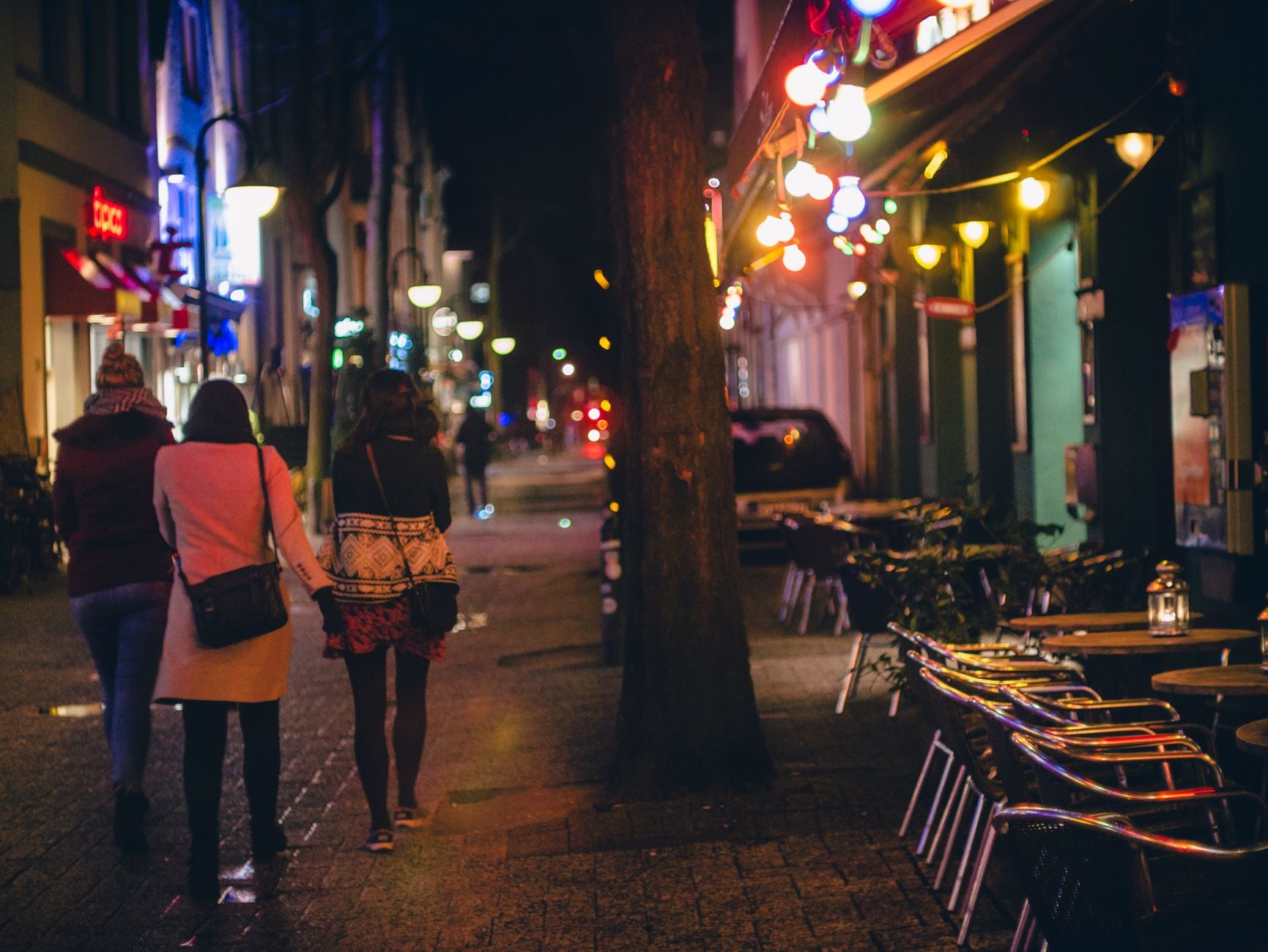
Das Bermuda-Dreieck im Stadtzentrum von Bochum war historisch ein Brennpunkt für die LGBTQ+ Szene und beherbergte mehrere Bars und Treffpunkte. Dieses Gebiet, das sich durch seine zentralen Innenstadtstraßen auszeichnet, ist für seine Konzentration an queeren Lokalen bekannt. Über diesen Kern hinaus erstreckt sich die LGBTQ+ Freundlichkeit durch das Zentrum von Bochum, insbesondere rund um den Hauptbahnhof und in der Nähe der Universität.
Das Stadtzentrum ist kompakt und gut zu Fuß erkundbar, die meisten LGBTQ+ Lokale sind vom Bahnhof aus zu Fuß erreichbar. Die öffentlichen Verkehrsmittel Bochums, einschließlich U-Bahn und Straßenbahn, sind effizient für die Navigation in der Stadt.
Lokale und Aktivitäten
Die Barszene in Bochum bietet einige etablierte LGBTQ+-Treffpunkte, die als wichtige Anlaufstellen für die Community fungieren. Da sich die Details zu den einzelnen Locations ändern können, empfiehlt es sich, bei der Ankunft aktuelle lokale LGBTQ+-Ressourcen zu konsultieren. Informationen zu den Ausgehmöglichkeiten finden sich oft in Online-LGBTQ+-Guides und über die sozialen Medien der Community. Bochum hat keine ausgeprägte Saunakultur; wer daran interessiert ist, findet entsprechende Angebote im nahegelegenen Köln oder Düsseldorf.
Kulturelle Orte und Veranstaltungen
Auch das breitere Kulturangebot Bochums ist LGBTQ+-freundlich. Das Schauspielhaus bietet ein vielfältiges Programm, und das Bermuda-Dreieck ist Schauplatz verschiedenster kultureller Veranstaltungen, Ausstellungen und Performances. Die Universität trägt zu einer jüngeren, liberaleren Demografie bei, die die Sichtbarkeit von LGBTQ+ unterstützt.
Das wichtigste LGBTQ+-Event ist der Christopher Street Day (CSD), der üblicherweise im Juli oder August stattfindet. Der Bochumer CSD zieht Teilnehmende für eine Parade, Reden, Auftritte und gesellschaftliche Zusammenkünfte an und legt dabei Wert auf Gemeinschaft und Aktivismus.
Unterkünfte
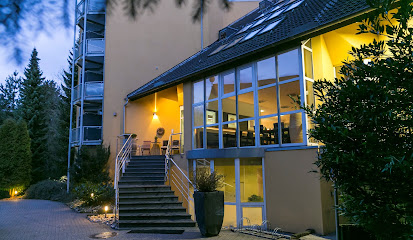
Bochum verfügt über eine Auswahl an Mittelklasse- und Budget-Hotels, viele davon in der Nähe des Hauptbahnhofs. Zwar gibt es keine Unterkünfte, die explizit auf den LGBTQ+-Markt zugeschnitten sind, doch Hotels im Stadtzentrum sind generell gastfreundlich und sicher. Das Angebot reicht von Hotels in fußläufiger Entfernung zum Bermuda-Dreieck über Budget-Ketten in Bahnhofsnähe bis hin zu privaten Vermietungen. Die zentrale Lage gewährleistet eine gute Erreichbarkeit der LGBTQ+-Treffpunkte und kulturellen Attraktionen.
Praktische Informationen
Transport: Bochum ist hervorragend an das deutsche Bahnnetz angebunden, mit Direktverbindungen aus Köln, Düsseldorf und Dortmund. Innerhalb der Stadt sind die U-Bahn und das Straßenbahnnetz effizient. Das Stadtzentrum ist gut zu Fuß erkundbar.
Sprache: Englisch wird in touristischen Gebieten und bei jüngeren Leuten weitgehend verstanden. Grundlegende deutsche Sätze werden geschätzt. Viele Mitglieder der LGBTQ+-Community sprechen Englisch.
Währung und Kosten: Deutschland verwendet den Euro. Bochum ist generell erschwinglicher als große Touristenziele, mit vernünftigen Preisen für Unterkunft, Essen und Getränke.
Sicherheit: Deutschland hat starke gesetzliche Schutzmaßnahmen für LGBTQ+-Personen, mit voller Ehegleichheit seit 2017. Bochum gilt als sichere Stadt für LGBTQ+-Reisende, mit unterstützender Polizeiarbeit und gemeinschaftlichen Einstellungen. Öffentliche Zuneigungsbekundungen zwischen gleichgeschlechtlichen Paaren sind in zentralen Bereichen üblich und sicher.
Essen und Trinken
Bochums kulinarische Szene spiegelt seine multikulturelle Bevölkerung wider, mit Restaurants, die deutsche, mediterrane und internationale Küche anbieten. Traditionelle Spezialitäten des Ruhrgebiets sind erhältlich, und vegetarische sowie vegane Optionen sind üblich, besonders in der Nähe der Universität. Restaurants im Bermuda-Dreieck und den umliegenden Gebieten sind generell gastfreundlich.
Tagesausflüge und Umgebung
Bochums Lage im Ruhrgebiet bietet Zugang zu Industriedenkmälern und nahegelegenen Städten:
- Köln (45 Minuten mit dem Zug): Bekannt für seine große LGBTQ+-Szene und den Dom.
- Düsseldorf (60 Minuten mit dem Zug): Eine Stadt am Rhein mit einer bedeutenden LGBTQ+-Szene und Museen.
- Dortmund (20 Minuten mit dem Zug): Bietet Industriemuseen und eine bemerkenswerte Bierkultur.
- Ruhrgebietsmuseen: Verschiedene Veranstaltungsorte, die sich der Industriegeschichte und zeitgenössischen Kunst widmen.
- Kettwig: Ein malerisches Dorf an der Ruhr, mit dem Zug erreichbar.
Diese nahegelegenen Ziele machen Bochum zu einer geeigneten Basis für die Erkundung der weiteren Region.
Tipps für Besucher
- Besuchen Sie uns am besten während des Christopher Street Day im Sommer, wenn die LGBTQ+-Community am sichtbarsten ist.
- Informieren Sie sich auf lokalen Websites und in den sozialen Medien über die aktuellsten Informationen zu den Ausgehmöglichkeiten.
- Das kompakte Stadtzentrum lässt sich bequem zu Fuß erkunden.
- Nutzen Sie das Zugnetz für Tagesausflüge in nahegelegene Städte.
- Suchen Sie den Kontakt zu Einheimischen; die LGBTQ+-Community in Bochum ist generell offen für respektvolle Besucher.
- Besuchen Sie kulturelle Veranstaltungen im Schauspielhaus oder Museumsausstellungen, um ein breiteres Spektrum zu erleben.
Fazit
Bochum bietet LGBTQ+-Reisenden ein Erlebnis, das sich von den größeren deutschen Zentren des schwulen Tourismus unterscheidet. Die Stadt bietet eine authentische lokale Gemeinschaft, einen progressiven kulturellen Kontext und eine Integration ins Stadtleben, anstatt einen segregierten touristischen Fokus. Dies macht sie für Reisende geeignet, die eine echte Verbindung zur queeren Gemeinschaft, kulturelles Engagement und ein weniger kommerzialisiertes deutsches Erlebnis suchen.
Häufig gestellte Fragen
Bochum hat ein generell einladendes Umfeld für LGBTQ+-Menschen, beeinflusst durch seine progressive Politik und etablierte queere Community. Während spezifische Sicherheitsbedenken variieren können, gelten das Stadtzentrum und die Bereiche um die Universität als besonders freundlich.
Das Bermuda-Dreieck im Stadtzentrum ist historisch das Zentrum der LGBTQ+-Szene mit mehreren Bars und Treffpunkten. Darüber hinaus ist die LGBTQ+-Freundlichkeit im gesamten Zentrum von Bochum weit verbreitet, insbesondere rund um den Hauptbahnhof und in der Nähe der Universität.
Christopher Street Day-Feiern finden in Bochum seit den 1990er Jahren regelmäßig statt und sind im Laufe der Zeit erheblich gewachsen.
Das Bermuda-Dreieck im Stadtzentrum ist historisch das Zentrum für LGBTQ+-Lokale. Reisenden wird empfohlen, sich bei der Ankunft über aktuelle lokale LGBTQ+-Ressourcen und Community-Gruppen zu informieren, um die aktuellsten Informationen zu Lokalen zu erhalten, da sich spezifische Einrichtungen ändern können.
Das Stadtzentrum von Bochum ist gut zu Fuß erreichbar, die meisten LGBTQ+-Treffpunkte sind vom Bahnhof aus zu Fuß erreichbar. Das öffentliche Nahverkehrssystem von Bochum, einschließlich U-Bahn und Straßenbahnen, ist ebenfalls effizient.
Bochums queere Szene spiegelt seine Arbeiterwurzeln und seinen künstlerischen Charakter wider, mit einem Fokus auf Gemeinschaftsräume statt auf große kommerzielle Touristenziele. Obwohl es etablierte LGBTQ+-Treffpunkte gibt, geht es in der Szene mehr um echte Gemeinschaftsbindung als um eine auf Party ausgerichtete Reiseroute.
Ein fehlender Veranstaltungsort, ein geschlossenes Geschäft oder veraltete Informationen? Teilen Sie es uns mit – wir freuen uns darüber. Nichts ist erforderlich.
Nichts verpassen
Die neuesten LGBTQ+-Events und Eröffnungen direkt in Ihr Postfach.
Geben Sie Ihre E-Mail ein, um Pride-Event-Updates und Hinweise zu neuen Locations zu erhalten.
Ihre Datenschutz-Einstellungen.
Wir verwenden Cookies, um GayOut zu betreiben und, mit Ihrer Zustimmung, die Nutzung zu messen. Mehr erfahren ↗
Ihre Datenschutz-Einstellungen
Wir verwenden Cookies, damit GayOut zuverlässig läuft, Ihre Einstellungen gespeichert werden und (mit Ihrer Einwilligung) wir messen können, wie die Seite genutzt wird. Sie können alles akzeptieren, alles ablehnen oder gezielt auswählen. Mehr erfahren ↗
Erforderlich
Erforderlich für Anmeldung, Betrugsschutz, CSRF-Schutz und das Speichern Ihrer Sprache. Können nicht deaktiviert werden.
Immer aktiv
Speichert Ihre Favoriten, den Dark Mode und weitere Oberflächeneinstellungen zwischen Besuchen.
Hilft uns zu verstehen, welche Seiten besucht werden (Google Analytics, serverseitige Statistiken), damit wir besser werden.
Wird von Kampagnen-Tracking-Pixeln genutzt. Derzeit keine aktiv, für zukünftige Nutzung reserviert.
GayOut installieren
Fügen Sie GayOut zu Ihrem Startbildschirm hinzu — schnellerer Zugriff, Favoriten offline und Pride-Hinweise.





 Freundliche Schwule Bars & Clubs
(24)
Freundliche Schwule Bars & Clubs
(24)