Same-sex marriage (Ehe für alle) legalised 1 October 2017. Civil partnerships (Lebenspartnerschaft) had been available since 2001. Joint adoption rights for same-sex couples since 2017. Strong federal anti-discrimination protections (AGG, General Equal Treatment Act 2006) covering employment, goods and services. Conversion therapy banned for minors 2020; full ban for adults proposed but not yet enacted as of 2026. Trans legal gender change requires psychological assessment and court order…
Bochum is a mid-sized city in the heart of Germany's Ruhr Valley, an industrial region with significant cultural redevelopment. While not as internationally renowned as Berlin or Cologne, Bochum has cultivated a genuine, community-oriented LGBTQ+ scene that reflects the progressive values of western Germany. The city's gay culture is embedded within its broader identity as a cultural hub, home to theaters, museums, and universities.
Historical Context and Scene Development
The LGBTQ+ movement in Germany has deep roots, and post-reunification Germany became increasingly progressive regarding LGBTQ+ rights. North Rhine-Westphalia, as one of Germany's most populous and liberal states, has supported LGBTQ+ community development. Bochum's scene developed organically through the late 20th and early 21st centuries, creating spaces that serve locals more than tourists. This has resulted in a scene characterized by genuine community connection rather than purely commercial tourism targeting.
Neighborhoods and Layout
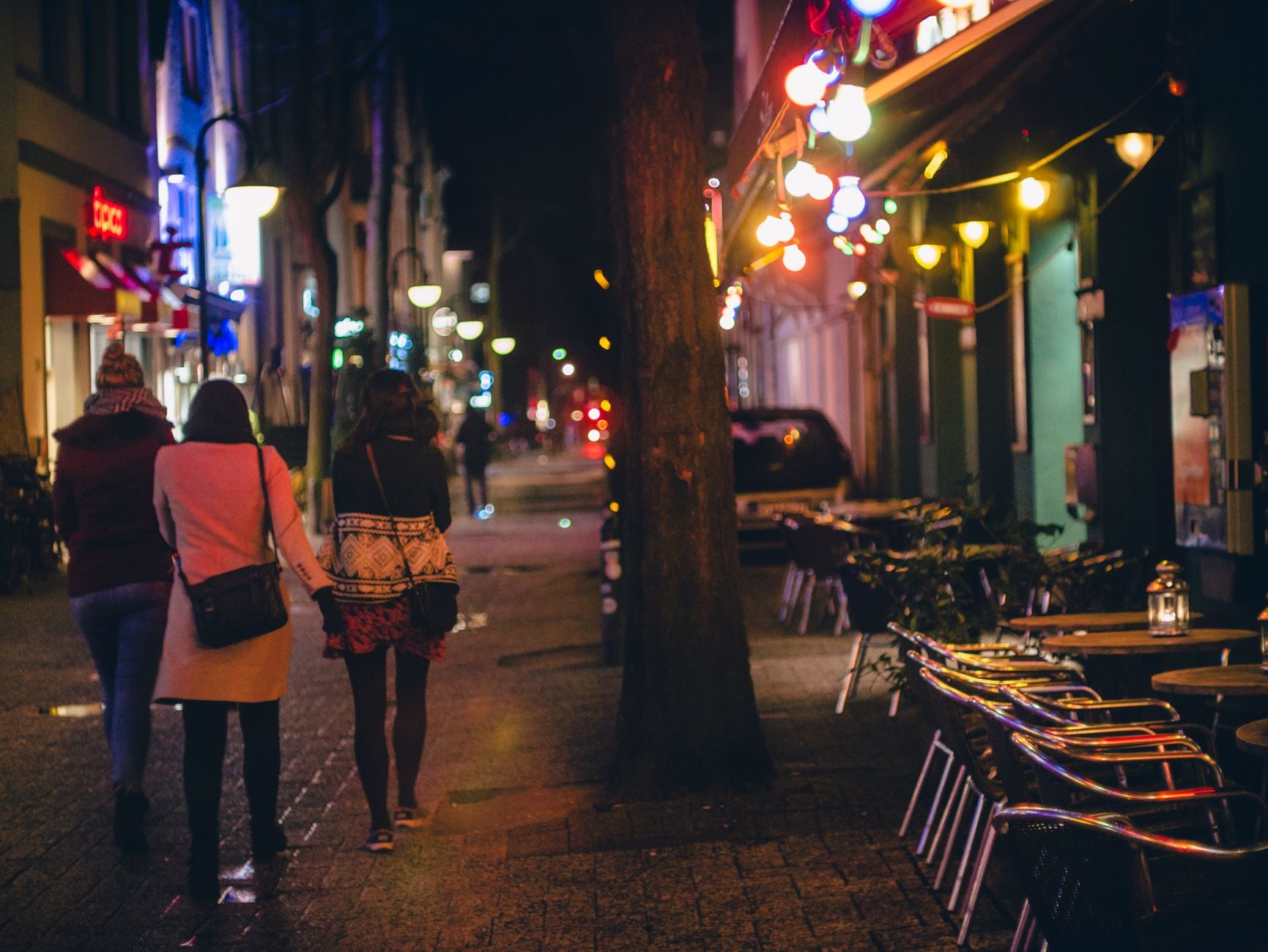
The Innenstadt (city center) forms the geographic and social heart of Bochum's gay scene. This area, accessible via the main train station (Bochum Hauptbahnhof), contains most gay-friendly venues, restaurants, and cafes. The Bermuda3Eck district, a well-known area for nightlife, includes several gay bars and clubs. The surrounding Südring area and neighborhoods near the university also support LGBTQ+-friendly businesses and spaces. Unlike larger cities, Bochum's gay scene isn't spatially segregated but rather integrated throughout the city center, making it easily navigable on foot.
Venues and Nightlife
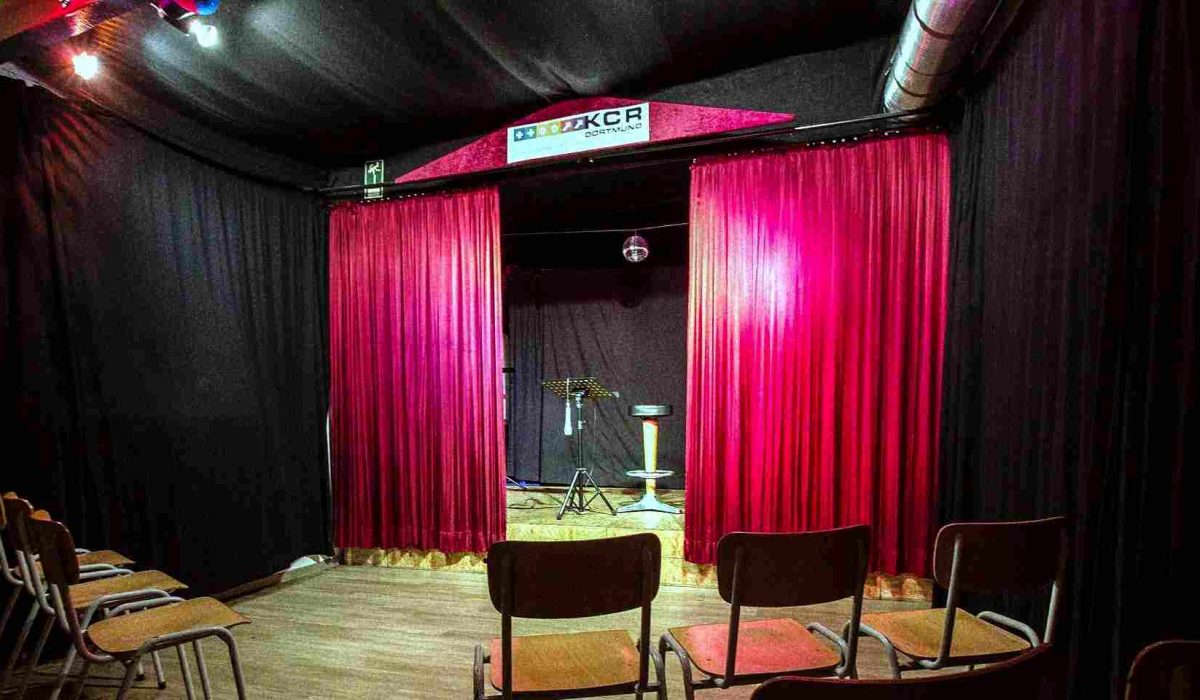
Bochum's gay bar and club landscape includes several established venues. The specific names and current status of venues can change, so visitors should check current local resources before traveling. Historically, bars such as those in the Innenstadt have served as community gathering spaces. For current information on operating venues, LGBTQ+ travelers should consult German gay guides like Spartacus or local Bochum tourism information, which maintain updated listings.
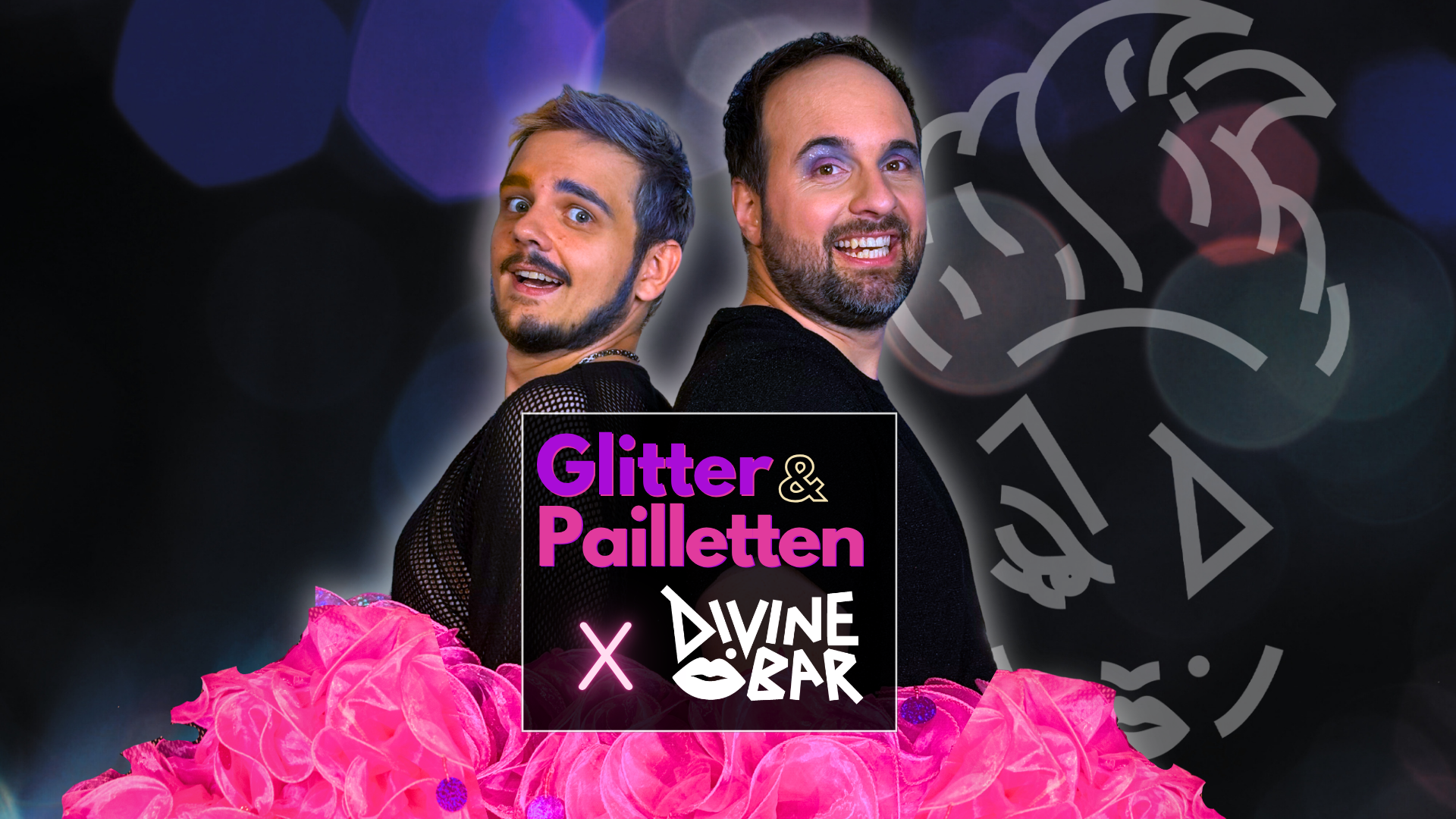
The city has gay-friendly cafes and restaurants throughout the center that cater to LGBTQ+ clientele without being exclusively gay-oriented. This reflects the normalized acceptance of LGBTQ+ people in German urban culture. Drag performances and themed parties occur regularly, particularly around Pride season.
Christopher Street Day (Bochum Pride) takes place annually in August, typically spanning a weekend with street parade, party zones, cultural performances, and festival atmospheres. The event has grown steadily and draws participants from across the Ruhr Valley and beyond. The parade traditionally moves through the city center, with stages and party areas set up in key public spaces. Local bars and clubs organize special events during Pride weekend.
Beyond Pride, Bochum occasionally hosts other LGBTQ+ cultural events, theater performances with queer themes, and film festivals. The city's cultural institutions, including its respected theaters and museums, often feature LGBTQ+-relevant programming.
Accommodation
Bochum offers accommodation options ranging from budget to upscale. Hotels are concentrated near the train station and throughout the city center. International hotel chains and independent hotels welcome LGBTQ+ guests. Airbnb and other short-term rental platforms have significant Bochum availability. For those seeking explicitly LGBTQ+-friendly guesthouses or apartments, local tourism boards can provide recommendations. Prices are considerably lower than in Berlin, Cologne, or Munich, making Bochum accessible for budget-conscious travelers.
Bochum Hauptbahnhof (main train station) is centrally located and served by regional and national German rail networks. From the station, the city center is accessible within 10-15 minutes on foot. The city has good local public transportation via U-Bahn (metro) and S-Bahn (regional rail) lines, with the ÖPNV (public transport) system covering the entire metropolitan area. Taxis and rideshare services operate throughout the city. For those traveling internationally, Cologne-Bonn Airport (approximately 90 km away) is the nearest major international airport, accessible via train in about 1.5 hours.
Food and Culture
Bochum's culinary scene reflects its position in the Ruhr Valley, with restaurants ranging from traditional German/Ruhr cuisine to international options. Turkish, Italian, and other cuisines are well-represented. Gay-friendly restaurants and cafes exist throughout the city center, though the scene doesn't have exclusively LGBTQ+-branded dining establishments.
The city's cultural attractions extend beyond the gay scene: the German Mining Museum (Deutsches Bergbau-Museum) documents the region's industrial heritage; the Kunstmuseum (Art Museum) houses contemporary and classical works; and several theaters including the Schauspielhaus offer performances. These institutions are welcoming to LGBTQ+ visitors and occasionally feature relevant programming.
Day Trips and Regional Exploration
Bochum's location in the Ruhr Valley provides excellent day-trip opportunities. Cologne (Köln), approximately 90 minutes by train, has one of Germany's largest and most vibrant gay scenes. Düsseldorf, similarly accessible, offers another major city experience. Closer options include other Ruhr cities like Essen and Dortmund, each with their own cultural offerings. The region's industrial heritage sites, parks along the Ruhr River, and smaller towns provide diverse exploration options.
Safety and Legal Protections
Germany maintains comprehensive legal protections for LGBTQ+ people, including anti-discrimination laws, legal same-sex partnerships and marriage, and robust hate crime legislation. Bochum, as a progressive western German city, is exceptionally safe for LGBTQ+ travelers. Open displays of affection between same-sex couples are normal and protected. Police and local authorities actively work against discrimination. LGBTQ+ travelers should experience no particular safety concerns beyond standard urban travel precautions.
Practical Information
The local language is German, though English is increasingly spoken in tourist areas and among younger people. Many bars and restaurants have English-speaking staff. LGBTQ+ community centers and resources often provide information in English or have English-language contacts.
Bochum is best visited during warmer months (May-September), with Pride season (August) being the busiest period. Winter visits are possible but require appropriate clothing for cold, sometimes rainy weather.
Conclusion
Bochum offers LGBTQ+ travelers an authentic experience of a progressive German city with genuine community spaces, manageable scale, and excellent regional connectivity. It appeals to those seeking to move beyond major tourist destinations while enjoying reliable infrastructure, legal security, and cultural offerings. The combination of community-oriented venues, annual Pride celebrations, industrial heritage tourism, and access to major German cities makes Bochum a worthwhile destination for diverse travelers.
Frequently asked questions
Bochum has a generally welcoming environment for LGBTQ+ people, influenced by its progressive politics and established queer community. While specific safety concerns can vary, the city center and areas around the university are considered particularly friendly.
The Bermuda Triangle in the city center is historically the core of the LGBTQ+ scene, containing multiple bars and gathering spaces. Beyond this, LGBTQ+ friendliness is widespread throughout central Bochum, especially around the Hauptbahnhof (central train station) district and near the university.
Christopher Street Day celebrations have occurred regularly in Bochum since the 1990s and have grown significantly over time.
The Bermuda Triangle area in the city center is historically the hub for LGBTQ+ venues. Travelers are advised to check current local LGBTQ+ resources and community groups upon arrival for the most up-to-date venue information, as specific establishments can change.
The city center of Bochum is quite walkable, with most LGBTQ+ venues accessible on foot from the train station. Bochum's public transport system, including the U-Bahn and trams, is also efficient.
Bochum's queer scene reflects its working-class roots and artistic character, with a focus on community spaces rather than large commercial tourist destinations. While there are established LGBTQ+ venues, the scene is more about genuine community engagement than a party-focused itinerary.
Your privacy choices.
We use cookies to run GayOut and, with your consent, measure usage. Learn more
Your privacy choices
We use cookies to keep GayOut running, remember your preferences, and (with your permission) measure how the site is used. You can accept all, reject all, or pick what you allow. Learn more
Essential
Required for sign-in, fraud prevention, CSRF protection and remembering your language. Cannot be disabled.
Always on
Remembers your favourites, dark mode and other interface preferences across visits.
Helps us understand which pages people visit (Google Analytics, server-side stats) so we can improve.
Used by campaign tracking pixels. None are active right now, reserved for future use.
Install GayOut
Add GayOut to your home screen for faster access, offline favourites, and Pride alerts.





 Gay-Friendly Bars & Clubs
(24)
Gay-Friendly Bars & Clubs
(24)




