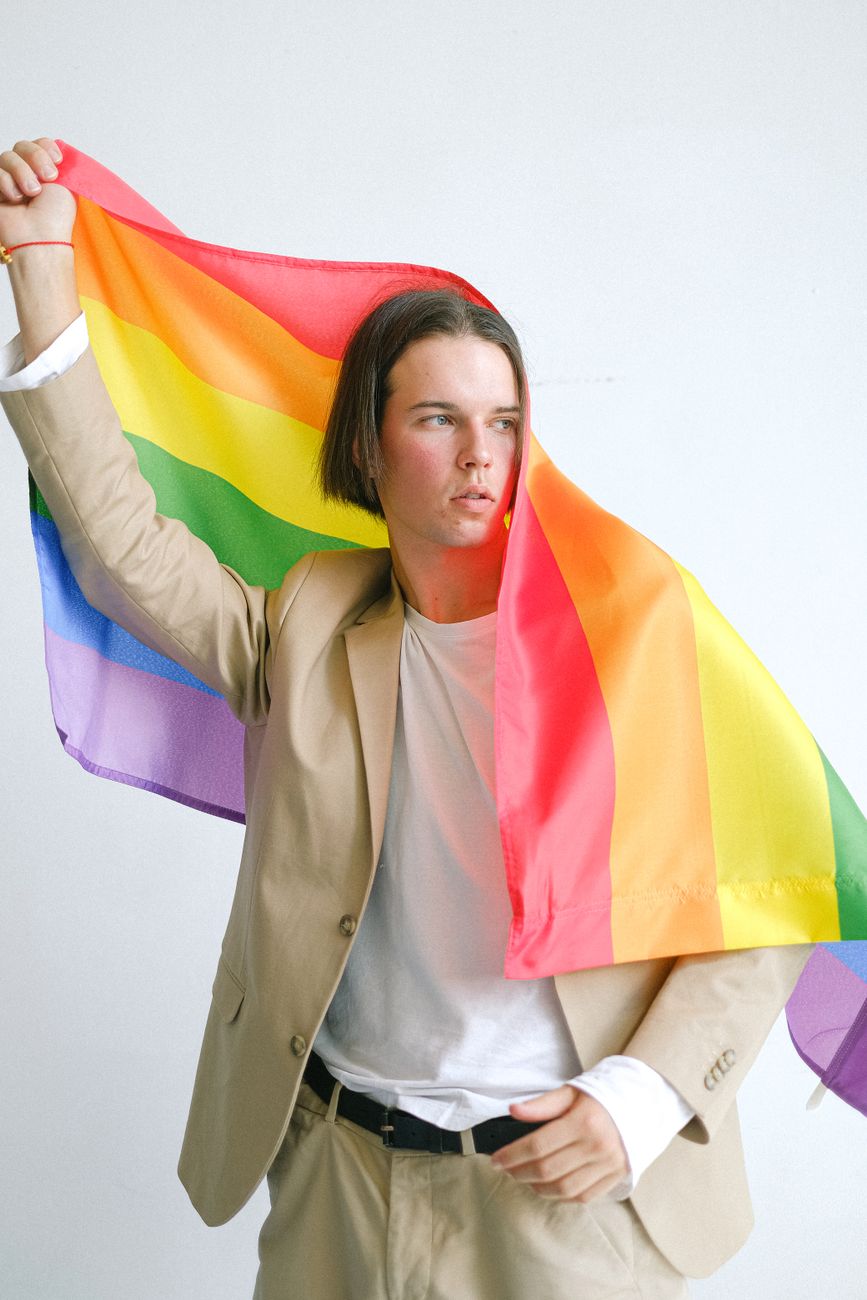
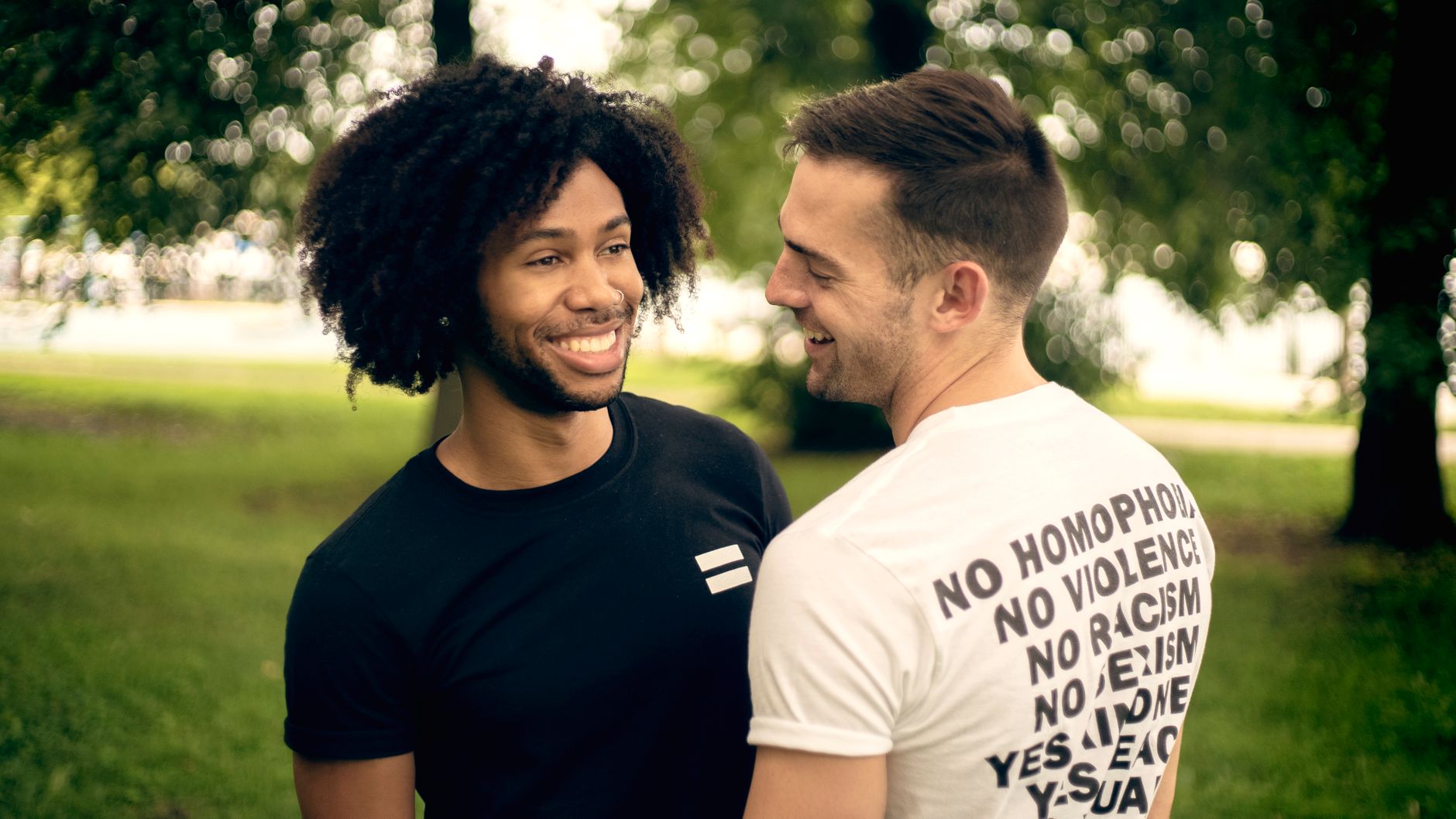
Gleichgeschlechtliche Ehe (Ehe für alle) legalisiert am 1. Oktober 2017. Lebenspartnerschaften waren seit 2001 verfügbar. Gemeinsame Adoptionsrechte für gleichgeschlechtliche Paare seit 2017. Starke bundesweite Antidiskriminierungsschutzbestimmungen (AGG, Allgemeines Gleichbehandlungsgesetz 2006) für Beschäftigung, Waren und Dienstleistungen. Konversionstherapie für Minderjährige 2020 verboten; vollständiges Verbot für Erwachsene vorgeschlagen, aber noch nicht (Stand 2026) in Kraft getreten. Trans-rechtliche Geschlechtsänderung erfordert psychologische Beurteilung und Gerichtsbeschluss…
Entdecken Sie Gayworld Duisburg, eine lebendige Gay-Bar und ein Club in Duisburg, Deutschland, die einen einladenden Raum für die LGBTQ+-Community bietet.
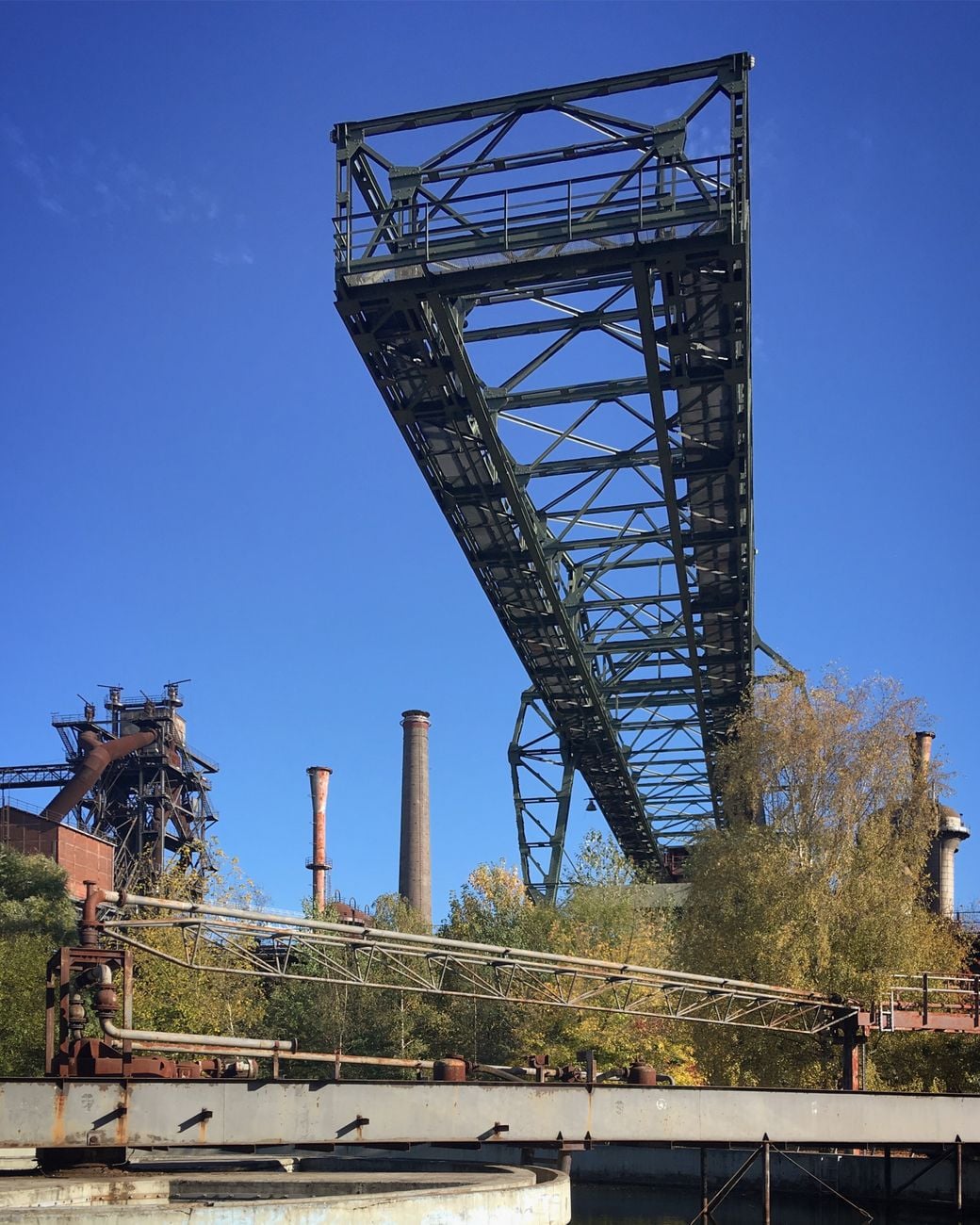
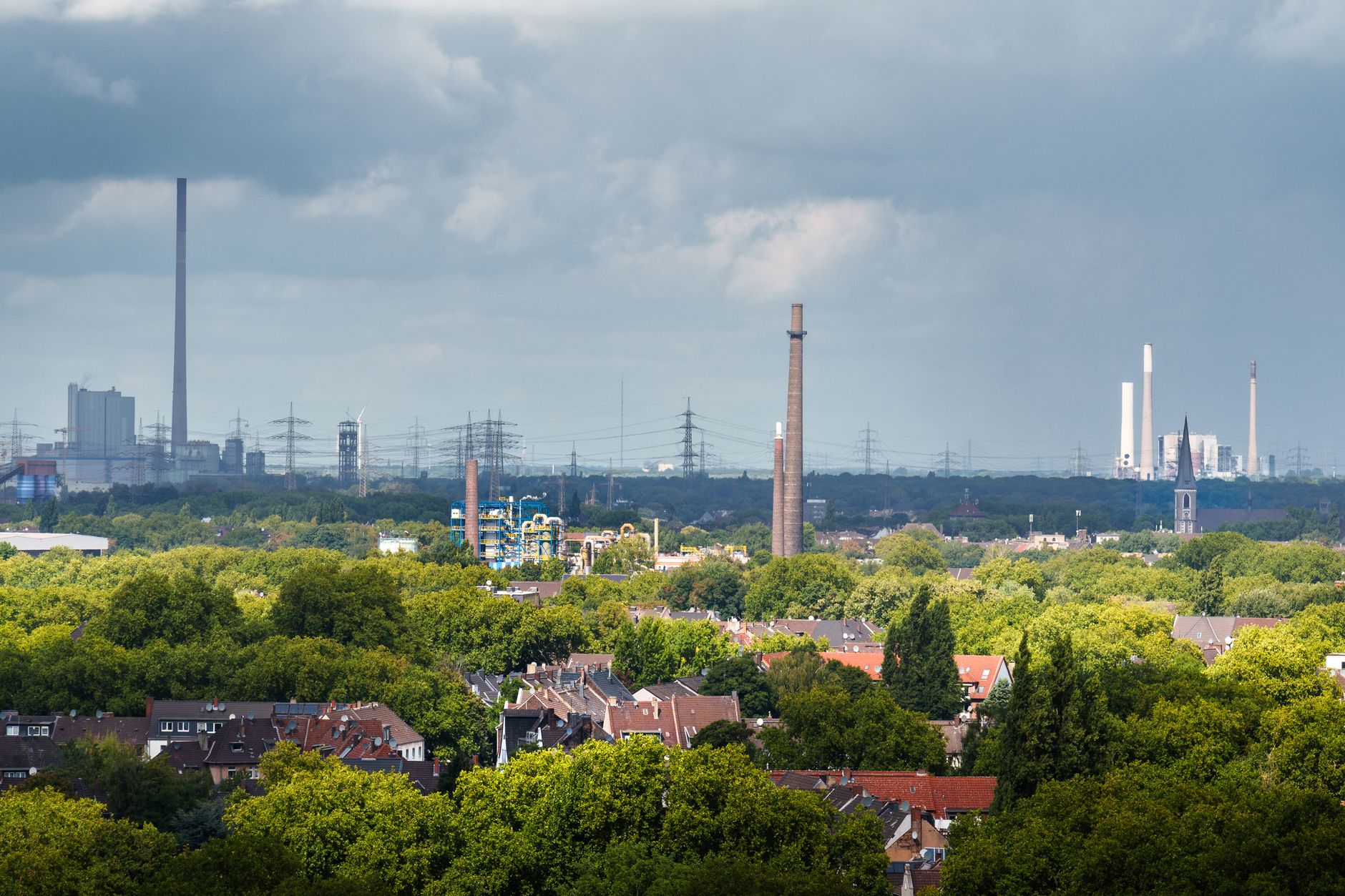
Duisburg, eine Stadt, die historisch von ihrer industriellen Stärke im deutschen Ruhrgebiet geprägt war, durchläuft eine Transformation. Während die industrielle Vergangenheit noch sichtbar ist, wird die Stadt zunehmend für ihr kulturelles und kreatives Angebot geschätzt. Für LGBTQ+-Reisende bietet Duisburg ein bodenständiges deutsches Erlebnis an einem Ort, an dem die Präsenz der Community wächst und generell aufgeschlossen ist, auch wenn die Szene nicht so ausgeprägt ist wie in größeren urbanen Zentren.
Historischer Kontext und Community-Wachstum
Wie viele Industriezentren in Deutschland beherbergt Duisburg seit Jahrzehnten eine LGBTQ+-Community, auch wenn ihre Sichtbarkeit in früheren Zeiten gedämpfter war. Die Haltung der Stadt zu LGBTQ+-Rechten hat weitgehend den progressiven Kurs Deutschlands verfolgt, wobei die Sichtbarkeit der Community ab den 1990er Jahren stärker wurde. Heute gibt es kommunale Unterstützung für LGBTQ+-Initiativen, und große Arbeitgeber haben oft Diversitäts- und Inklusionsrichtlinien. Die lokale Community-Atmosphäre ist tendenziell organischer und weniger kommerzialisiert als in großen LGBTQ+-Zentren.
Stadtteile und Gebiete
Das Stadtzentrum, die Innenstadt, ist der Hauptstandort für Nachtleben und soziale Treffpunkte. Dieses Gebiet ist gut zu Fuß erkundbar und gut an den öffentlichen Nahverkehr angebunden. Die schwulen Lokale konzentrieren sich im Dellviertel, südlich der Innenstadt rund um die Realschulstraße und den Friedrich-Wilhelm-Platz, wo die verbliebenen schwulen Bars nur wenige Gehminuten voneinander entfernt liegen. Die weitere Ruhrregion mit Duisburg im Zentrum profitiert von starken regionalen Verkehrsverbindungen, die einfache Besuche in Nachbarstädten wie Köln, etwa 45 Minuten entfernt, ermöglichen, für diejenigen, die eine größere Szene suchen.
Lokale und Nachtleben
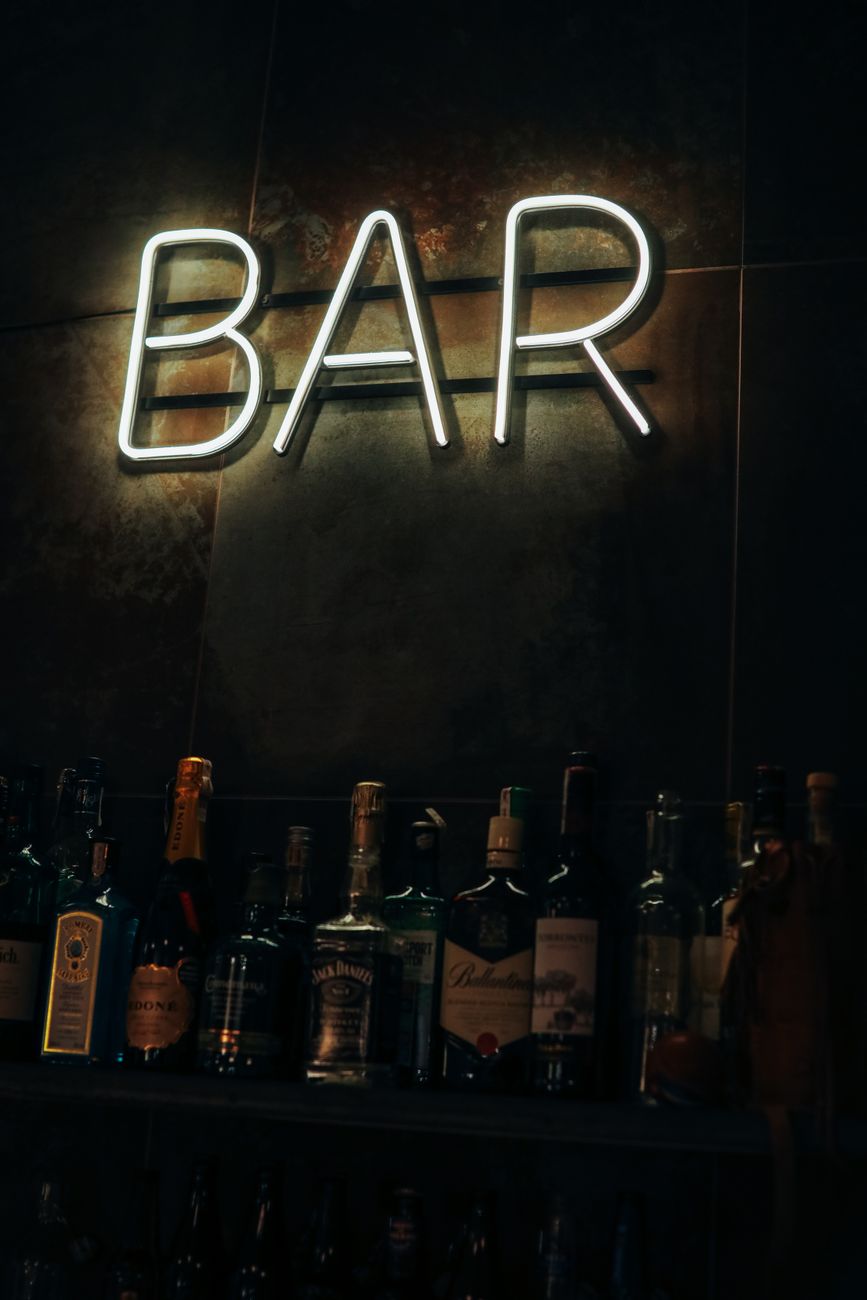
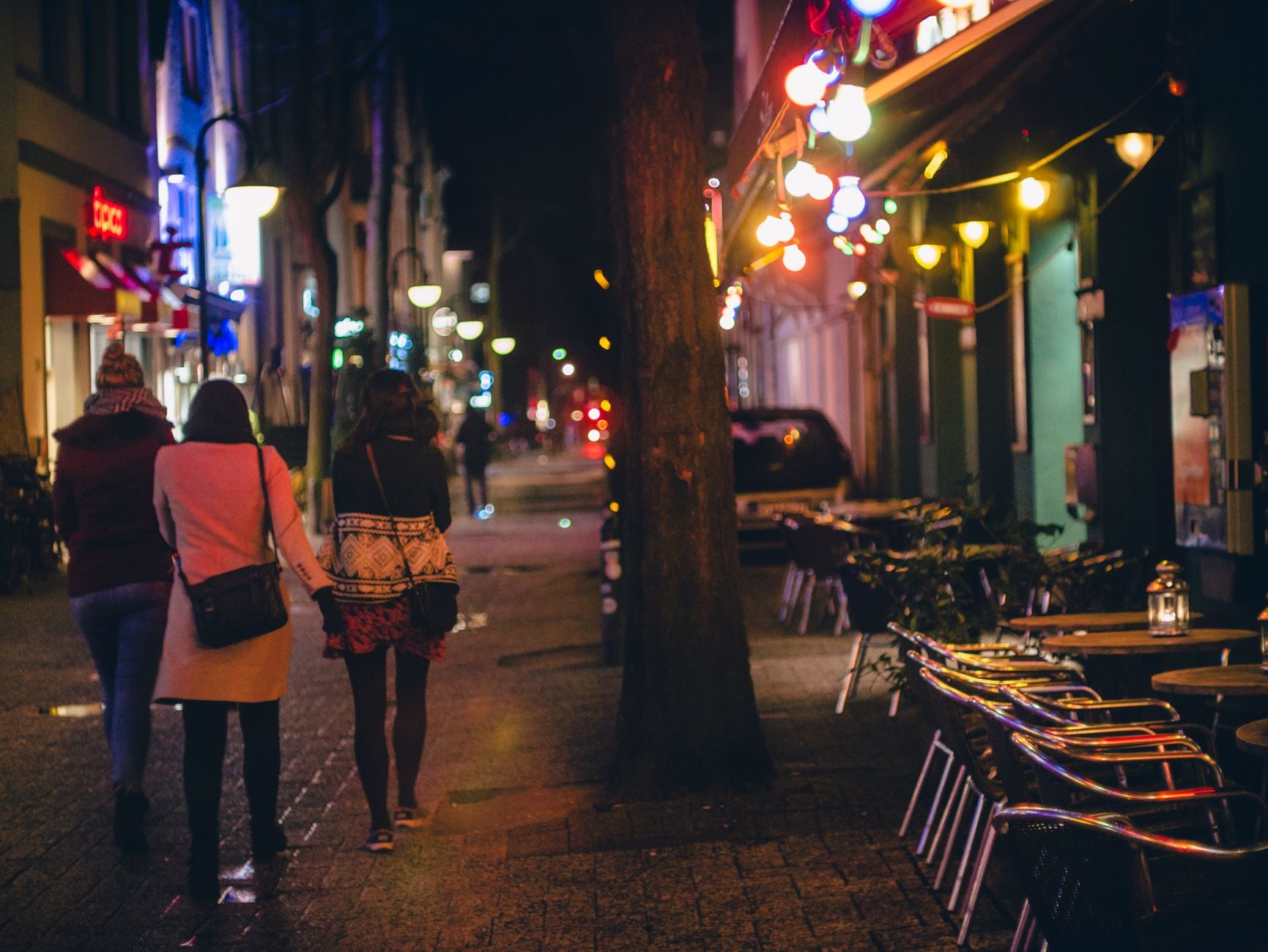
Das LGBTQ+-Nachtleben in Duisburg ist präsent, wenn auch in kleinerem Maßstab. Das Herzstück der Szene bildet die Gaststätte Harlekin "ob so oder so" in der Realschulstraße, die lange als letzte reine Schwulenbar der Stadt galt, sowie das Pampus, eine schwule und gemischte Bar, die seit den späten 1960er Jahren besteht. Etwas weiter nördlich in Meiderich bietet der Gay Club Bermuda eine kleine Tanzfläche und thematische Partyabende. Es empfiehlt sich, aktuelle lokale LGBTQ+-Veranstaltungskalender zu konsultieren oder lokale Organisationen zu kontaktieren, um die aktuellsten Informationen zu den Lokalen zu erhalten, da sich Einrichtungen ändern können. Die Barszene besteht typischerweise aus einer Mischung aus entspannten Nachbarschaftslokalen und Tanzlokalen, die am Wochenende aktiver sind. Der Fokus liegt eher auf gemeinschaftsorientiertem Beisammensein als auf Großveranstaltungen.
Saunen und Etablissements für Erwachsene
Dedizierte Schwulen-Saunen sind in Duisburg selbst kein herausragendes Merkmal, auch wenn dies variieren kann. Umfangreichere Etablissements für Erwachsene finden sich typischerweise in den größeren Szenen von Köln und Düsseldorf. Viele Besucher aus Duisburg, die solche spezialisierten Einrichtungen suchen, nutzen den effizienten öffentlichen Nahverkehr der Region, um diese Nachbarstädte zu besuchen.
Kulturelle Veranstaltungen und Pride
Duisburg feiert seinen eigenen Christopher Street Day (CSD Duisburg), organisiert von DUPride e.V., Ende Juli – die Ausgabe 2026 findet am Samstag, den 25. Juli statt, mit einer Regenbogen-Beflaggung am Rathaus, gefolgt von einer Demonstration durch die Innenstadt und einem Straßenfest am Averdunkplatz. Er ist intimer als die Paraden der Großstädte, spiegelt aber die wachsende Sichtbarkeit der Gemeinschaft wider. Die Duisburger LGBTQ+-Gemeinschaft beteiligt sich auch an regionalen Veranstaltungen im gesamten Ruhrgebiet. Das Cologne Pride Festival, das bequem mit Regionalzügen erreichbar ist, ist eine bedeutende regionale Veranstaltung, die Anfang Juli stattfindet.
Wo übernachten
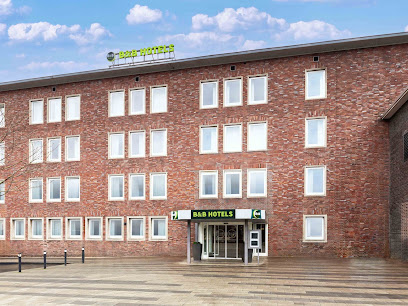
Hotels im Zentrum von Duisburg sind generell aufgeschlossen und bieten im Vergleich zu Städten wie Köln oder Düsseldorf vernünftige Preise. Die Stadt verfügt über eine Auswahl an Mittelklasse- und Budget-Unterkünften, wobei sowohl große Hotelketten als auch unabhängige Häuser verschiedene Vorlieben bedienen. Das Stadtzentrum ist ein praktischer Ausgangspunkt für den Zugang zu Nachtleben und kulturellen Attraktionen. Die üblichen Hotelangebote sind inklusiv, und eine Buchung über große Plattformen oder direkt wird empfohlen.
Nahverkehr und Fortbewegung
Duisburg verfügt über ein ausgezeichnetes Nahverkehrsnetz mit U-Bahn-, Straßenbahn- und Busverbindungen. Als wichtiger Eisenbahnknotenpunkt bietet es häufige Verbindungen nach Köln (45 Minuten), Düsseldorf (30 Minuten) und in andere wichtige deutsche Städte. Das Stadtzentrum ist gut zu Fuß erkundbar, und die meisten LGBTQ+-Orte sind über kurze Fahrten mit öffentlichen Verkehrsmitteln erreichbar. Für regionale Ausflüge bietet die Deutsche Bahn zuverlässige Zugverbindungen, und das Ruhr-Ticket ist eine preiswerte Option für Fahrten in der weiteren Umgebung.
Essen und Trinken
Die kulinarische Landschaft Duisburgs spiegelt sein vielfältiges, Arbeiterklasse-Erbe wider, mit bemerkenswerten türkischen, italienischen und deutschen Restaurants. Das Stadtzentrum bietet zahlreiche gastronomische Möglichkeiten, von zwanglosen Lokalen bis hin zu gehobeneren Etablissements. Die traditionelle Ruhrpottküche bietet deftige Gerichte, und internationale Optionen sind aufgrund der Vielfalt der Stadt leicht verfügbar. Die Restaurantszene ist generell inklusiv und einladend.
Kulturelle Attraktionen
Abgesehen von seinen LGBTQ+-Angeboten bietet Duisburg bedeutende kulturelle und historische Stätten. Das Museum Küppersmühle präsentiert zeitgenössische Kunst in einer ehemaligen Getreidemühle. Der Landschaftspark Duisburg-Nord ist eine große, rekultivierte Industrielandschaft mit Spazierwegen und Freizeiteinrichtungen. Das Lehmbruck Museum konzentriert sich auf Skulptur und moderne Kunst. Die Industriedenkmäler der Stadt geben Einblicke in die Fertigungsgeschichte der Region.
Sicherheit und praktische Hinweise
Deutschland gilt als ein sehr sicheres Reiseland für LGBTQ+-Reisende, und Duisburg steht dem in nichts nach. Die Stadt verzeichnet niedrige Kriminalitätsraten und verfügt über robuste Antidiskriminierungsgesetze. Die Ehe für gleichgeschlechtliche Paare ist legal, und die rechtlichen Schutzmaßnahmen für LGBTQ+-Personen sind umfassend. Öffentliche Zuneigungsbekundungen sind in der gesamten Stadt generell unbedenklich. Die Notfalldienste sind zuverlässig. Standardmäßige städtische Sicherheitspraktiken, wie z. B. die Aufmerksamkeit für die Umgebung, sind ratsam.
Tagesausflüge und Erkundung der Region
Die Lage von Duisburg macht es zu einem praktischen Ausgangspunkt für die Erkundung des gesamten Ruhrgebiets. Köln, mit seiner größeren LGBTQ+-Szene, ist leicht erreichbar. Düsseldorf, eine weitere nahegelegene Großstadt, verfügt ebenfalls über eine entwickelte Gay-Szene. Das Rheintal im Süden bietet charmante Städte und Weinberge. Essen, eine weitere Stadt im Ruhrgebiet, bietet Museen und kulturelle Attraktionen. Das regionale Bahnnetz ermöglicht bequeme und erschwingliche Tagesausflüge.
Praktische Informationen
Die Währung in Deutschland ist der Euro. Kartenzahlungen werden weitgehend akzeptiert, obwohl in einigen Lokalen Bargeld immer noch bevorzugt werden könnte. Während Deutsch die Hauptsprache ist, wird Englisch in Hotels, Restaurants und Touristengebieten häufig gesprochen. Die Stadt ist generell das ganze Jahr über gut zugänglich, wobei die Sommermonate das angenehmste Wetter bieten. Frühling und Herbst bieten mildere Bedingungen mit weniger Andrang.
Fazit
Duisburg bietet ein bodenständiges deutsches Stadterlebnis, bei dem LGBTQ+-Reisende mit einer sich entwickelnden Gemeinschaft in Kontakt treten und bedeutende kulturelle und historische Stätten erkunden können. Obwohl die Nachtlebenszene bescheidener ist als in größeren Städten, machen ihre Authentizität, Erschwinglichkeit und einladende Atmosphäre sie zu einem lohnenswerten Reiseziel für diejenigen, die eine Alternative zu typischen LGBTQ+-Tourismuszentren suchen. Die Lage der Stadt im Ruhrgebiet und ihre Nähe zu Köln und Düsseldorf ermöglichen es Besuchern, einen Aufenthalt in Duisburg leicht mit größeren Gay-Szenen zu kombinieren und gleichzeitig den einzigartigen Charakter dieser revitalisierten Industriestadt zu erleben.
Häufig gestellte Fragen
Die Innenstadt ist das Hauptinteressengebiet für LGBTQ+-Besucher. Innerhalb der Innenstadt bilden der König-Heinrich-Platz und die umliegenden Straßen das informelle Schwulenviertel.
Die LGBTQ+-Szene in Duisburg ist kleiner als in großen Metropolen. Sie wird als einladend, authentisch und zunehmend sichtbar beschrieben.
Der Quellführer erwähnt die Expansion und Professionalisierung der Duisburg Pride in den frühen 2010er Jahren, gibt aber keine spezifischen Daten für aktuelle Veranstaltungen an.
In den 1990er Jahren hatten sich mehrere schwule Bars und soziale Treffpunkte in der Innenstadt etabliert. Die schwulen Lokale Duisburgs konzentrieren sich auf die Innenstadt.
Das Hafenviertel ist ein zunehmend angesagtes Viertel, das bei progressiven Besuchern beliebt ist, und der Stadtteil Neudorf hat einen Bohème-Charakter mit Galerien und unabhängigen Geschäften.
Der Quellführer beschreibt die Szene als einladend und authentisch und erwähnt keine spezifischen Sicherheitsbedenken für LGBTQ+-Reisende.
Ein fehlender Veranstaltungsort, ein geschlossenes Geschäft oder veraltete Informationen? Teilen Sie es uns mit – wir freuen uns darüber. Nichts ist erforderlich.
Nichts verpassen
Die neuesten LGBTQ+-Events und Eröffnungen direkt in Ihr Postfach.
Geben Sie Ihre E-Mail ein, um Pride-Event-Updates und Hinweise zu neuen Locations zu erhalten.
Ihre Datenschutz-Einstellungen.
Wir verwenden Cookies, um GayOut zu betreiben und, mit Ihrer Zustimmung, die Nutzung zu messen. Mehr erfahren ↗
Ihre Datenschutz-Einstellungen
Wir verwenden Cookies, damit GayOut zuverlässig läuft, Ihre Einstellungen gespeichert werden und (mit Ihrer Einwilligung) wir messen können, wie die Seite genutzt wird. Sie können alles akzeptieren, alles ablehnen oder gezielt auswählen. Mehr erfahren ↗
Erforderlich
Erforderlich für Anmeldung, Betrugsschutz, CSRF-Schutz und das Speichern Ihrer Sprache. Können nicht deaktiviert werden.
Immer aktiv
Speichert Ihre Favoriten, den Dark Mode und weitere Oberflächeneinstellungen zwischen Besuchen.
Hilft uns zu verstehen, welche Seiten besucht werden (Google Analytics, serverseitige Statistiken), damit wir besser werden.
Wird von Kampagnen-Tracking-Pixeln genutzt. Derzeit keine aktiv, für zukünftige Nutzung reserviert.
GayOut installieren
Fügen Sie GayOut zu Ihrem Startbildschirm hinzu — schnellerer Zugriff, Favoriten offline und Pride-Hinweise.





 Schwule Bars & Clubs
Empfohlen
(151)
Schwule Bars & Clubs
Empfohlen
(151)