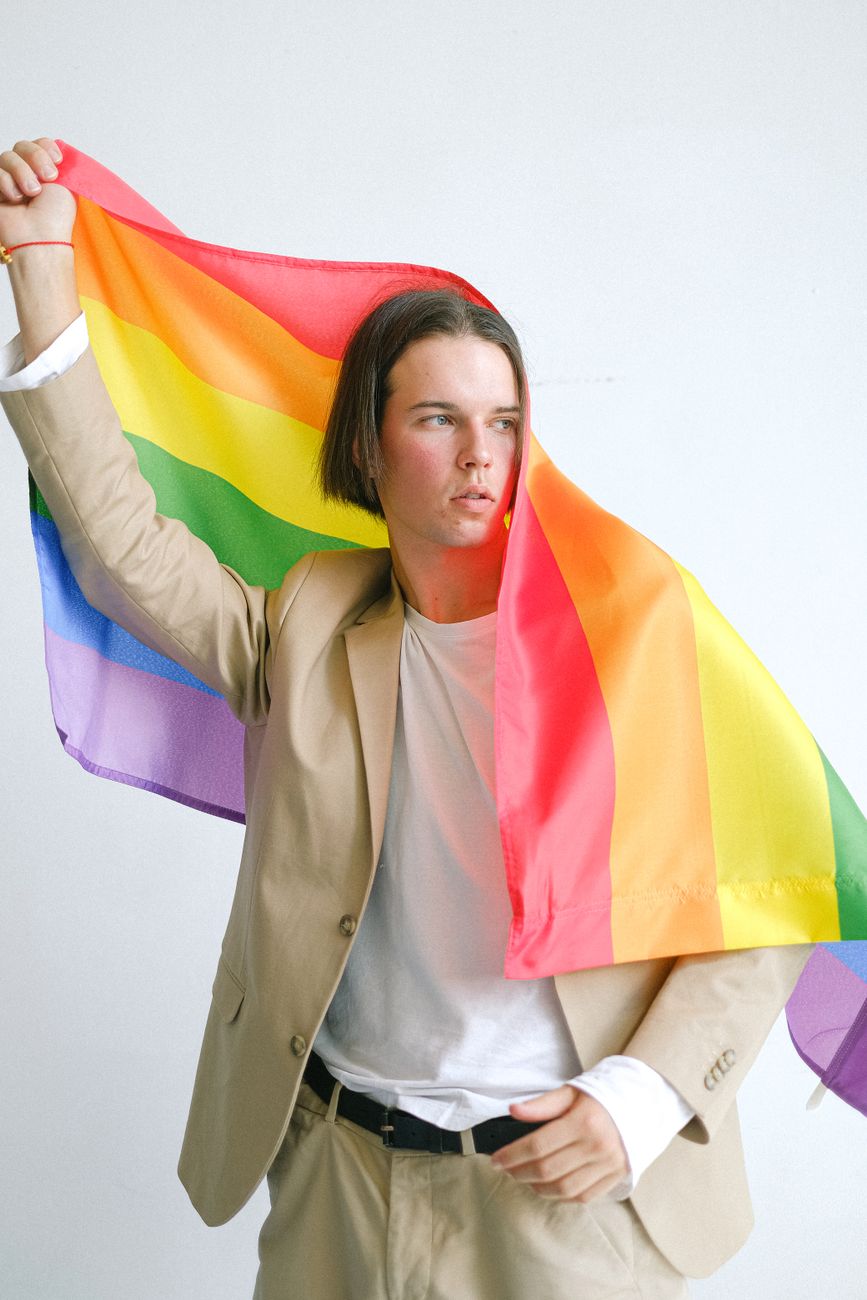
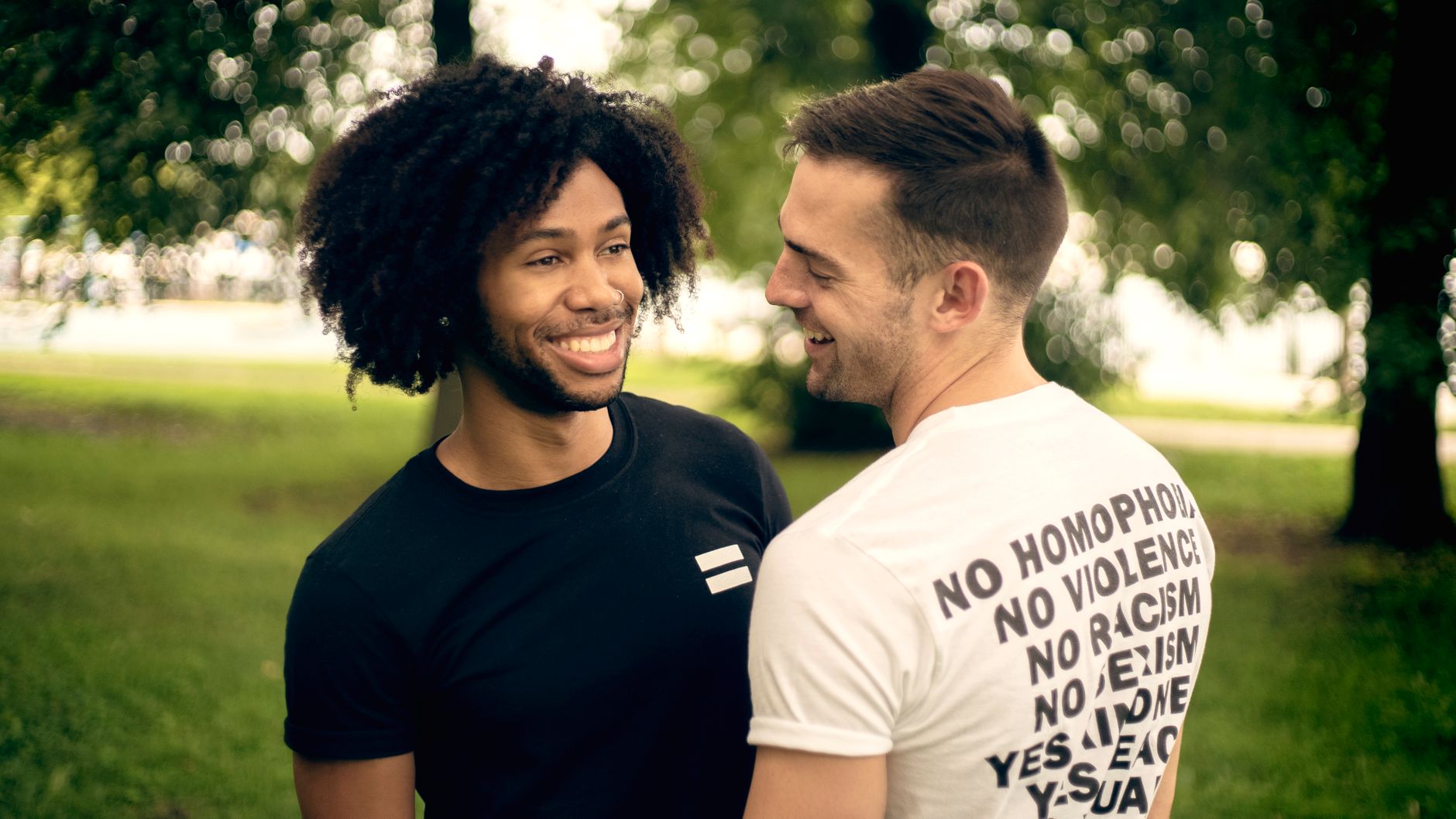
Casamento entre pessoas do mesmo sexo (Ehe für alle) legalizado em 1º de outubro de 2017. Parcerias civis (Lebenspartnerschaft) estavam disponíveis desde 2001. Direitos de adoção conjunta para casais do mesmo sexo desde 2017. Fortes proteções federais antidiscriminação (AGG, Lei Geral de Igualdade de Tratamento de 2006) cobrindo emprego, bens e serviços. Terapia de conversão proibida para menores em 2020; proibição total para adultos proposta, mas ainda não promulgada em 2026. Mudança legal de gênero para pessoas trans exige avaliação psicológica e ordem judicial…
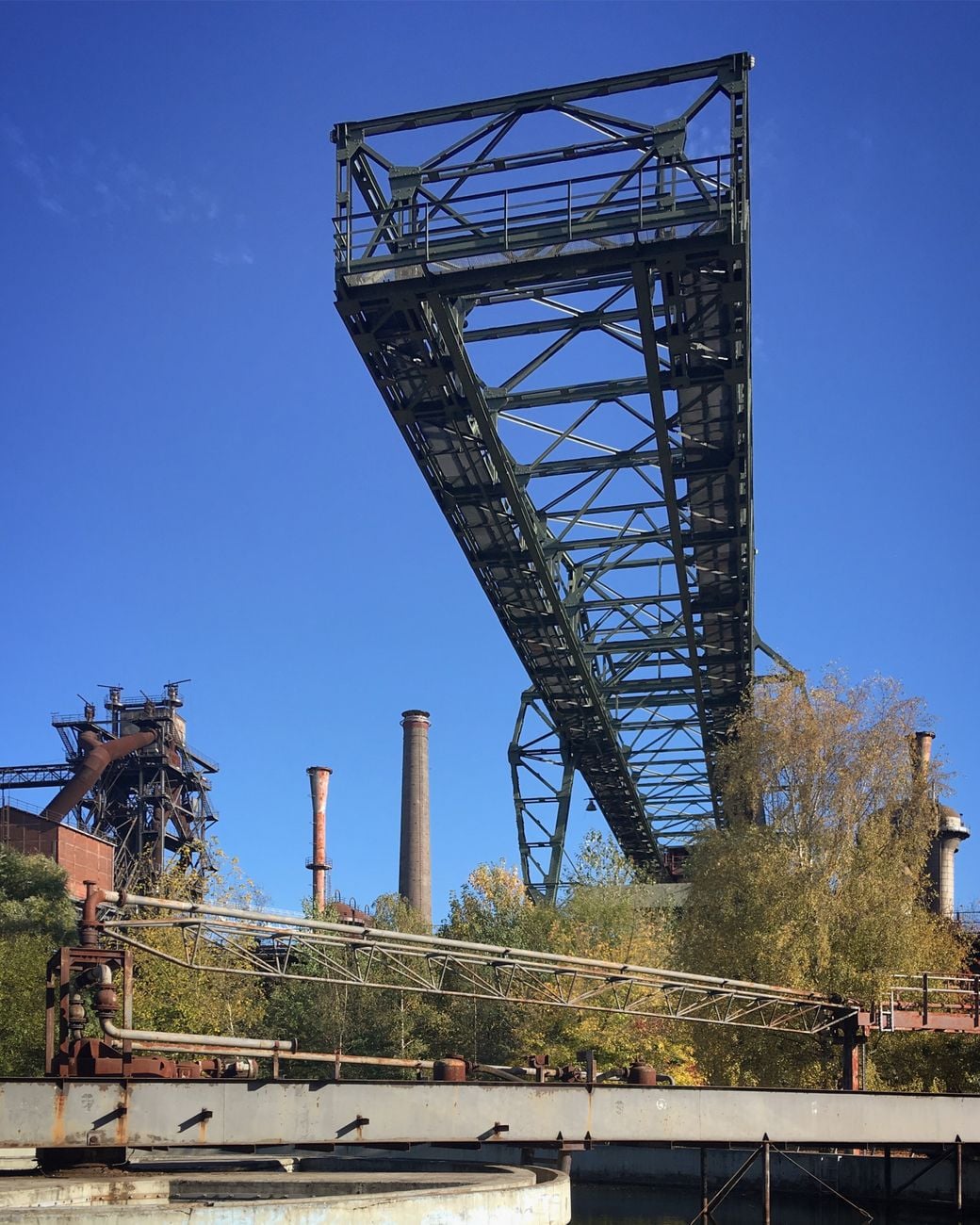
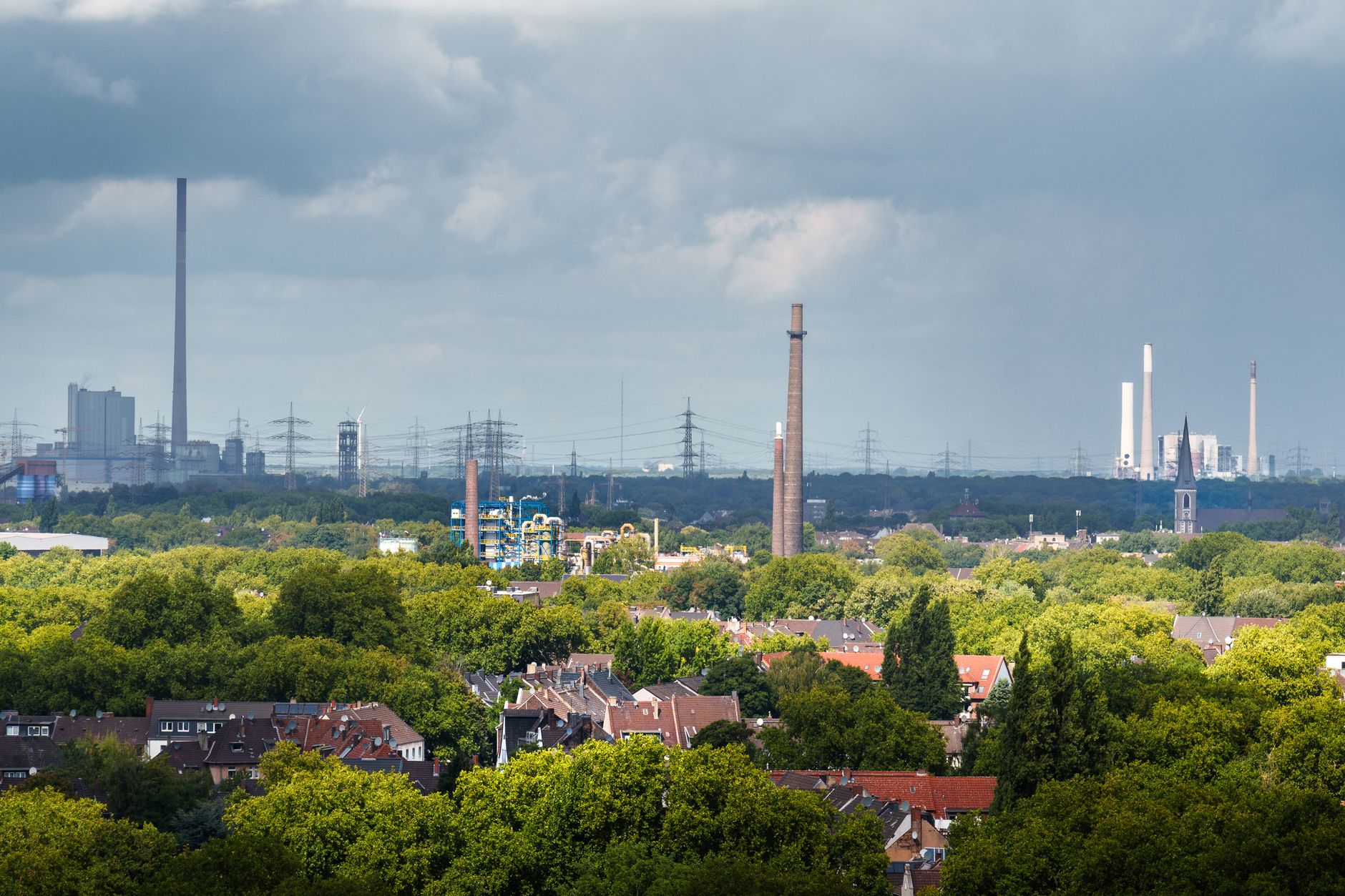
Duisburg, uma cidade historicamente definida pela sua força industrial no Vale do Ruhr, na Alemanha, está a passar por uma transformação. Embora o seu passado fabril permaneça evidente, a cidade é cada vez mais reconhecida pelas suas ofertas culturais e criativas. Para viajantes LGBTQ+, Duisburg proporciona uma experiência alemã autêntica num local onde a presença da comunidade está a crescer e é geralmente recetiva, mesmo que a cena seja menos extensa do que em centros urbanos maiores.
Contexto Histórico e Crescimento da Comunidade
Tal como muitos centros industriais na Alemanha, Duisburg tem acolhido uma comunidade LGBTQ+ durante décadas, embora a sua visibilidade fosse mais discreta em tempos anteriores. A abordagem da cidade aos direitos LGBTQ+ seguiu, em grande parte, a trajetória progressista da Alemanha, com a visibilidade da comunidade a tornar-se mais pronunciada a partir da década de 1990. Atualmente, existe apoio municipal para iniciativas LGBTQ+, e os principais empregadores costumam ter políticas de diversidade e inclusão. O ambiente da comunidade local tende a ser mais orgânico e menos comercializado do que nos principais centros LGBTQ+.
Bairros e Áreas
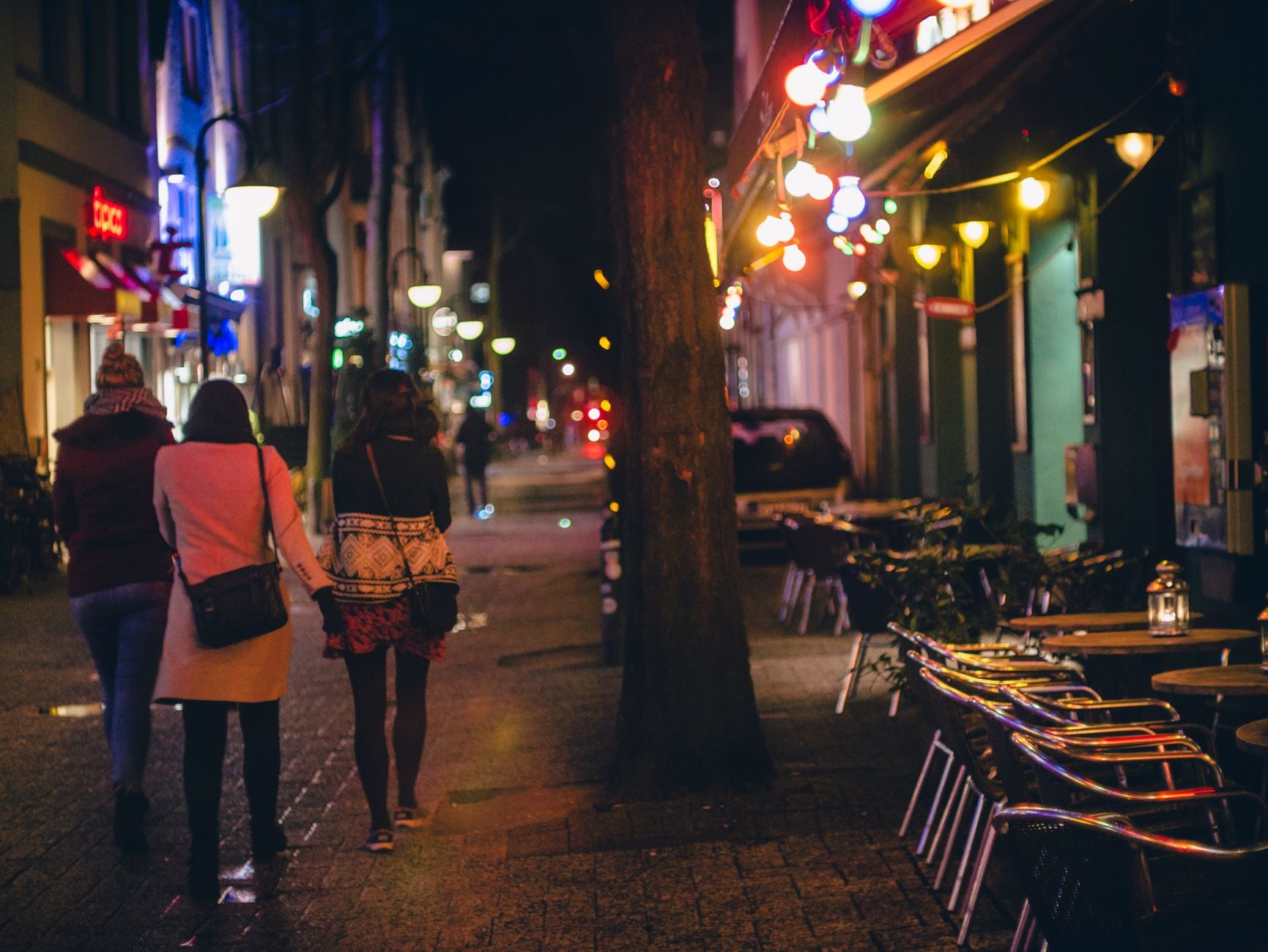
O centro da cidade, ou Innenstadt, é o local principal para a vida noturna e os locais sociais. Esta área é facilmente navegável a pé e bem servida por transportes públicos. Os locais gays concentram-se no Dellviertel, a sul da Innenstadt, em torno da Realschulstraße e da Friedrich-Wilhelm-Platz, onde os bares gays remanescentes da cidade se situam a poucos minutos a pé uns dos outros. A região mais ampla do Ruhr, com Duisburg no seu centro, beneficia de fortes ligações de transportes regionais, facilitando visitas fáceis a cidades vizinhas como Colónia, a aproximadamente 45 minutos de distância, para aqueles que procuram uma cena maior.
Locais e Vida Noturna
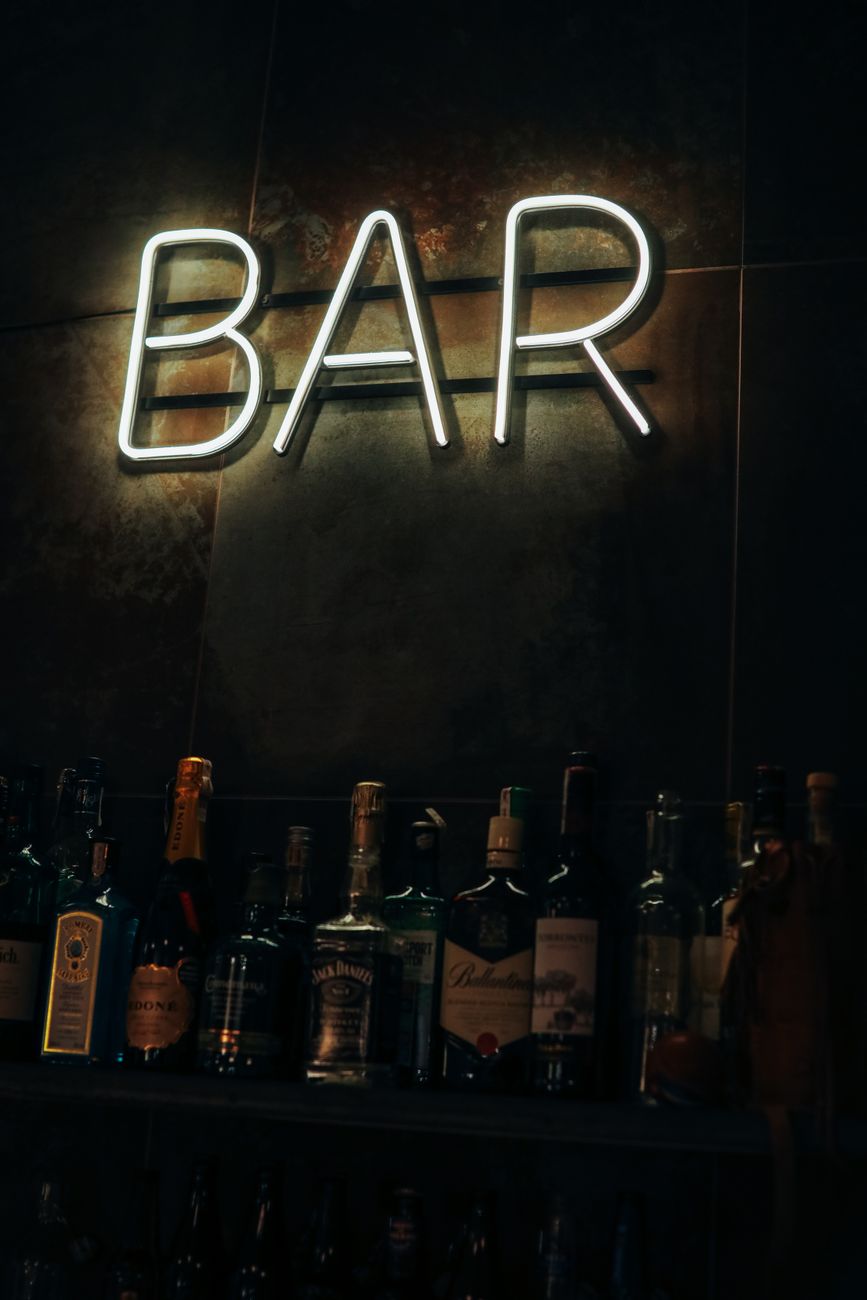
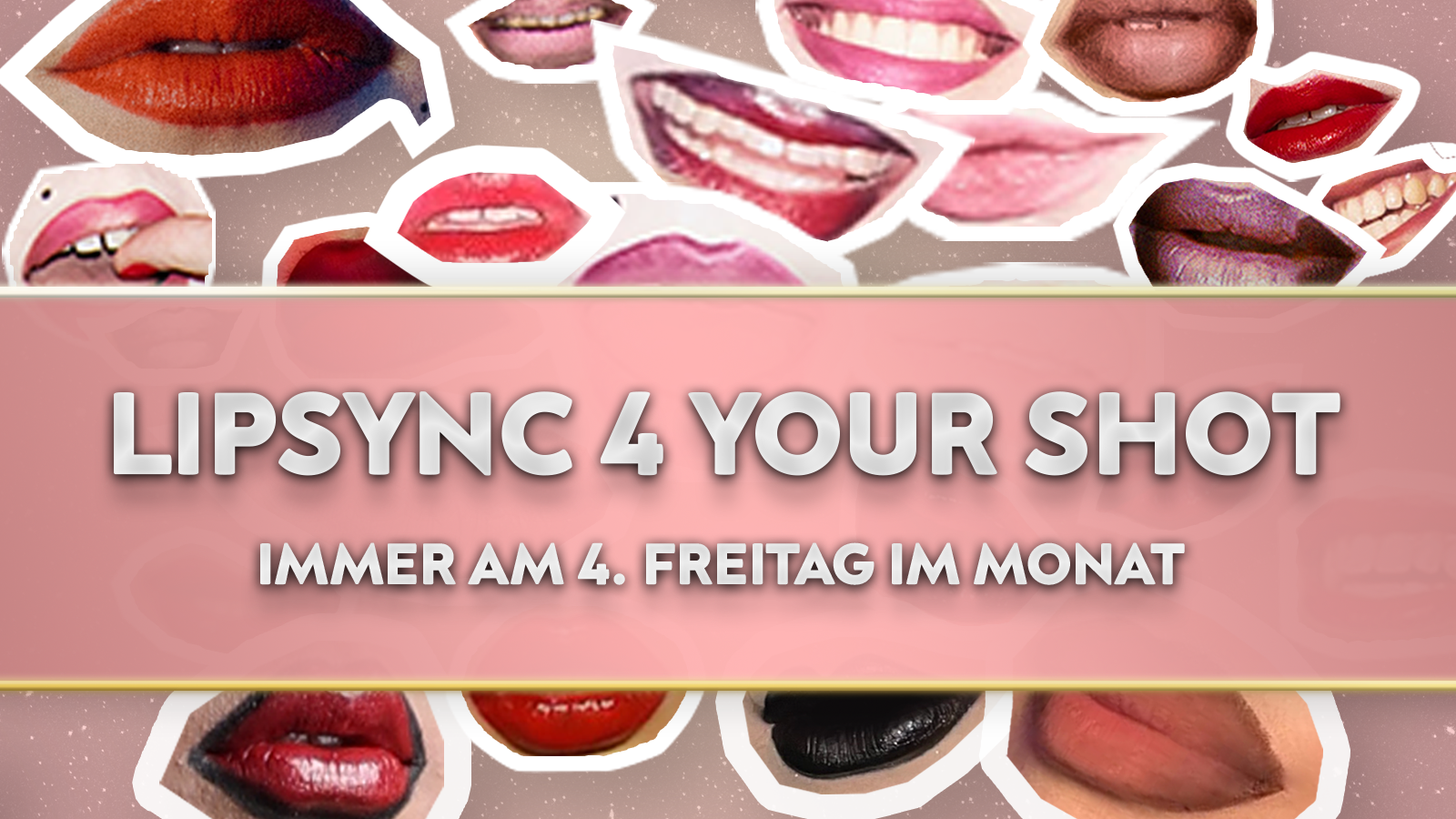
A vida noturna LGBTQ+ de Duisburg existe, embora em menor escala. O coração da cena pulsa na Gaststätte Harlekin "ob so oder so", na Realschulstraße, há muito considerada o último bar dedicado à comunidade gay na cidade, juntamente com o Pampus, um bar gay e misto que funciona desde o final dos anos 1960. Um pouco mais ao norte, em Meiderich, o Gay Club Bermuda oferece uma pequena pista de dança e noites temáticas. É aconselhável consultar as listas LGBTQ+ locais mais recentes ou contactar organizações da comunidade para obter informações atualizadas sobre os estabelecimentos, pois estes podem mudar. A cena de bares geralmente consiste numa mistura de locais descontraídos de bairro e espaços de dança mais animados aos fins de semana. O foco tende a ser na socialização comunitária, em vez de eventos de grande escala.
Saunas e Locais para Adultos
Saunas gays dedicadas não são uma característica proeminente em Duisburg, embora isso possa variar. Locais mais extensos para adultos são geralmente encontrados nas cenas maiores de Colónia e Düsseldorf. Muitos visitantes de Duisburg que procuram esses locais especializados utilizam o eficiente transporte público da região para visitar estas cidades vizinhas.
Eventos Culturais e Orgulho
Duisburg celebra o seu próprio Christopher Street Day (CSD Duisburg), organizado pela DUPride e.V., no final de julho — a edição de 2026 acontece no sábado, 25 de julho, com a elevação da bandeira arco-íris na câmara municipal, seguida de uma manifestação pela Innenstadt e um festival de rua na Averdunkplatz. É um evento mais íntimo do que as paradas das grandes cidades, mas reflete a crescente visibilidade da comunidade. A comunidade LGBTQ+ de Duisburg também participa em eventos regionais por todo o Vale do Ruhr. O Cologne Pride Festival, facilmente acessível por comboio regional, é um evento regional significativo realizado no início de julho.
Onde Ficar
Hotéis no centro de Duisburg são, em geral, acolhedores e oferecem tarifas razoáveis quando comparados a cidades como Colônia ou Düsseldorf. A cidade dispõe de uma variedade de acomodações de gama média e económicas, com cadeias hoteleiras de renome e estabelecimentos independentes a satisfazer diversas preferências. O centro da cidade é uma base conveniente para aceder à vida noturna e às atrações culturais. As ofertas hoteleiras padrão são inclusivas, e recomenda-se reservar através de plataformas principais ou diretamente.
Transportes e Deslocações
Duisburg possui uma excelente rede de transportes públicos, incluindo U-Bahn (metro), elétrico e autocarro. Sendo um importante centro ferroviário, oferece ligações frequentes a Colônia (45 minutos), Düsseldorf (30 minutos) e outras cidades alemãs importantes. O centro da cidade é acessível a pé, e a maioria dos locais LGBTQ+ são alcançáveis através de curtas viagens de transporte público. Para exploração regional, a Deutsche Bahn oferece serviços de comboio fiáveis, e o Ruhr-Ticket é uma opção económica para viajar na área mais vasta.
Gastronomia
A paisagem culinária de Duisburg reflete a sua herança diversificada e de classe trabalhadora, com notáveis restaurantes turcos, italianos e alemães. O centro da cidade oferece inúmeras opções gastronómicas, desde restaurantes casuais a estabelecimentos mais sofisticados. A cozinha tradicional do Vale do Ruhr apresenta pratos substanciais, e opções internacionais estão prontamente disponíveis devido à diversidade da cidade. A cena gastronómica é geralmente inclusiva e acolhedora.
Atrações Culturais
Para além das suas ofertas LGBTQ+, Duisburg apresenta importantes locais culturais e históricos. O Museum Küppersmühle exibe arte contemporânea num antigo moinho de grãos. O Landschaftspark Duisburg-Nord é uma vasta paisagem industrial recuperada que oferece percursos pedestres e instalações recreativas. O Lehmbruck Museum foca-se em escultura e arte moderna. Os locais de património industrial da cidade oferecem perspetivas sobre a história industrial da região.
Segurança e Considerações Práticas
A Alemanha é considerada um país muito seguro para viajantes LGBTQ+, e Duisburg acompanha essa tendência. A cidade apresenta baixas taxas de criminalidade e leis robustas contra a discriminação. O casamento entre pessoas do mesmo sexo é legal, e as proteções legais para indivíduos LGBTQ+ são extensas. Exibições públicas de afeto são geralmente seguras em toda a cidade. Os serviços de emergência são confiáveis. Práticas padrão de segurança urbana, como estar atento ao seu entorno, são aconselháveis.
Passeios de Um Dia e Exploração Regional
A localização de Duisburg a torna um ponto de partida conveniente para explorar o vale do Ruhr em geral. Colônia, com sua cena LGBTQ+ maior, é facilmente acessível. Düsseldorf, outra grande cidade próxima, também possui uma cena gay desenvolvida. O Vale do Reno, ao sul, oferece cidades charmosas e vinhedos. Essen, outra cidade no Ruhr, oferece museus e atrações culturais. A rede de trens regionais facilita passeios de um dia convenientes e acessíveis.
Informações Práticas
A moeda na Alemanha é o Euro. Pagamentos com cartão são amplamente aceitos, embora dinheiro ainda possa ser preferido em alguns estabelecimentos. Embora o alemão seja o idioma principal, o inglês é comumente falado em hotéis, restaurantes e áreas turísticas. A cidade é geralmente acessível durante todo o ano, com os meses de verão oferecendo o clima mais agradável. A primavera e o outono proporcionam condições mais amenas com menos multidões.
Conclusão
Duisburg oferece uma experiência urbana alemã autêntica onde viajantes LGBTQ+ podem se conectar com uma comunidade em desenvolvimento e explorar importantes locais culturais e históricos. Embora sua cena noturna seja mais modesta do que em cidades maiores, sua autenticidade, acessibilidade e atmosfera acolhedora a tornam um destino que vale a pena para aqueles que buscam uma alternativa aos centros turísticos LGBTQ+ típicos. A posição da cidade no Vale do Ruhr e sua proximidade com Colônia e Düsseldorf permitem que os visitantes combinem facilmente uma estadia em Duisburg com cenas gays maiores, ao mesmo tempo em que vivenciam o caráter único desta cidade industrial revitalizada.
Perguntas frequentes
O Innenstadt (centro da cidade) é a principal área de interesse para visitantes LGBTQ+. Dentro do Innenstadt, o König-Heinrich-Platz e as ruas circundantes formam o bairro gay informal.
A cena LGBTQ+ de Duisburg é menor do que em grandes áreas metropolitanas. É descrita como acolhedora, autêntica e cada vez mais visível.
O guia de origem menciona a expansão e profissionalização do Duisburg Pride no início dos anos 2010, mas não fornece datas específicas para eventos atuais.
Na década de 1990, vários bares gays e espaços sociais haviam se estabelecido no centro da cidade. Os locais gays de Duisburg estão concentrados no Innenstadt.
A área do Hafen (porto) é um bairro cada vez mais badalado, popular entre visitantes progressistas, e o distrito de Neudorf tem um caráter boêmio com galerias e lojas independentes.
O guia de origem descreve a cena como acolhedora e autêntica, e não menciona quaisquer preocupações de segurança específicas para viajantes LGBTQ+.
Suas preferências de privacidade.
Usamos cookies para manter o GayOut funcionando e, com seu consentimento, medir o uso. Saiba mais
Suas preferências de privacidade
Usamos cookies para manter o GayOut funcionando, lembrar suas preferências e (com sua autorização) medir como o site é usado. Você pode aceitar tudo, recusar tudo ou escolher o que permite. Saiba mais
Essenciais
Necessários para login, prevenção de fraudes, proteção CSRF e para lembrar seu idioma. Não podem ser desativados.
Sempre ativo
Lembra seus favoritos, modo escuro e outras preferências de interface entre visitas.
Nos ajuda a entender quais páginas as pessoas visitam (Google Analytics, estatísticas do servidor) para melhorarmos.
Usado por pixels de campanhas. Nenhum está ativo no momento — reservado para uso futuro.
Instalar GayOut
Adicione o GayOut à tela inicial para acesso rápido, favoritos offline e alertas de Pride.





 Bares e Clubes Gays
Em destaque
(151)
Bares e Clubes Gays
Em destaque
(151)