Same-sex marriage (Ehe für alle) legalised 1 October 2017. Civil partnerships (Lebenspartnerschaft) had been available since 2001. Joint adoption rights for same-sex couples since 2017. Strong federal anti-discrimination protections (AGG, General Equal Treatment Act 2006) covering employment, goods and services. Conversion therapy banned for minors 2020; full ban for adults proposed but not yet enacted as of 2026. Trans legal gender change requires psychological assessment and court order…
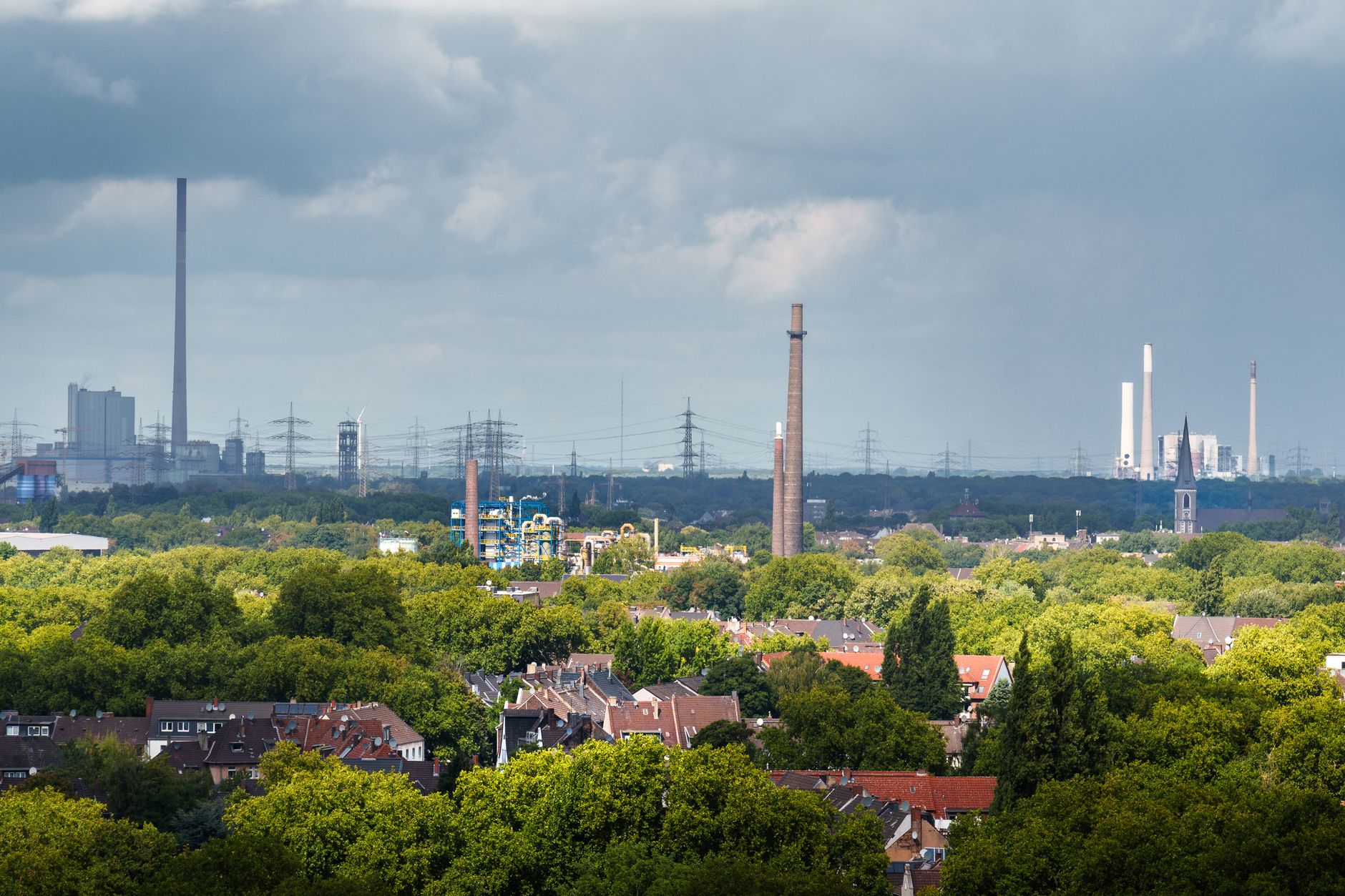
Duisburg, a city historically defined by its industrial might in Germany's Ruhr Valley, is undergoing a transformation. While its manufacturing past remains evident, the city is increasingly recognized for its cultural and creative offerings. For LGBTQ+ travelers, Duisburg provides a grounded German experience in a locale where the community's presence is growing and generally receptive, even if the scene is less extensive than in larger urban centers.
Historical Context and Community Growth
Like many industrial centers in Germany, Duisburg has hosted an LGBTQ+ community for decades, though its visibility was more subdued in earlier times. The city's approach to LGBTQ+ rights has largely followed Germany's progressive trajectory, with community visibility becoming more pronounced from the 1990s onwards. Today, municipal support for LGBTQ+ initiatives exists, and major employers often have diversity and inclusion policies. The local community atmosphere tends to be more organic and less commercialized than in major LGBTQ+ hubs.
Neighborhoods and Areas
The city center, or Innenstadt, is the primary location for nightlife and social venues. This area is easily navigable on foot and well-served by public transport. The gay venues cluster in the Dellviertel, just south of the Innenstadt around Realschulstraße and the Friedrich-Wilhelm-Platz, where the city's remaining gay bars sit within a few minutes' walk of each other. The broader Ruhr region, with Duisburg at its core, benefits from strong regional transport links, facilitating easy visits to neighboring cities like Cologne, approximately 45 minutes away, for those seeking a larger scene.
Venues and Nightlife
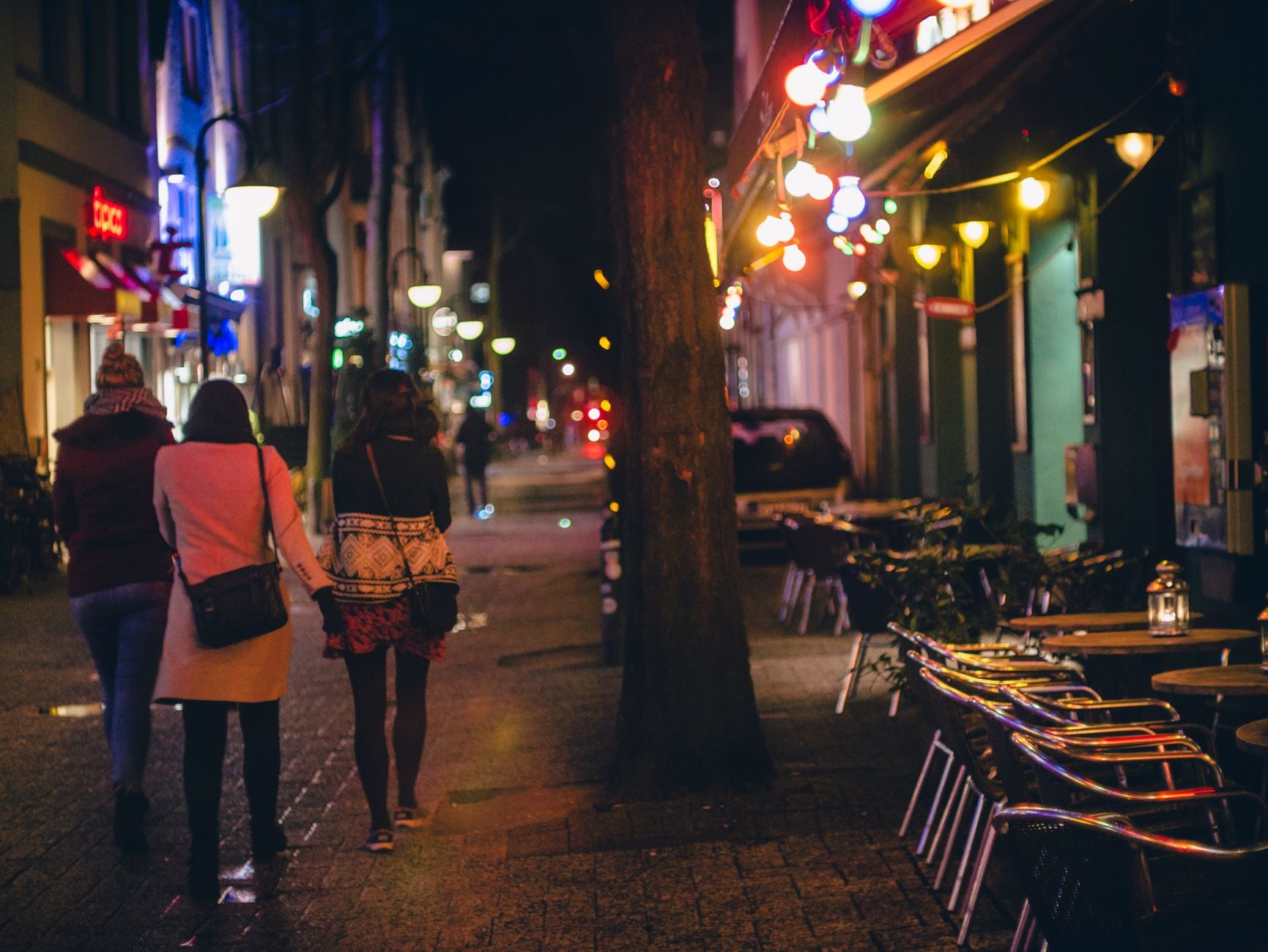
Duisburg's LGBTQ+ nightlife is present, though smaller in scale. The heart of the scene is Gaststätte Harlekin "ob so oder so" on Realschulstraße, long regarded as the city's last dedicated gay bar, alongside Pampus, a gay and mixed bar running since the late 1960s. A little further north in Meiderich, Gay Club Bermuda adds a small dance floor and themed party nights. It is advisable to consult current local LGBTQ+ listings or contact local organizations for the most up-to-date venue information, as establishments can change. The bar scene typically comprises a mix of relaxed neighborhood spots and dance venues that are more active on weekends. The focus tends to be on community-based socializing rather than large-scale events.
Dedicated gay saunas are not a prominent feature within Duisburg itself, though this can vary. More extensive adult venues are typically found in the larger scenes of Cologne and Düsseldorf. Many visitors from Duisburg seeking such specialized venues utilize the region's efficient public transport to visit these neighboring cities.
Cultural Events and Pride
Duisburg holds its own Christopher Street Day (CSD Duisburg), organised by DUPride e.V., in late July — the 2026 edition falls on Saturday 25 July, with a rainbow-flag raising at the town hall followed by a demonstration through the Innenstadt and a street festival at Averdunkplatz. It is more intimate than the big-city parades but reflects the community's growing visibility. The Duisburg LGBTQ+ community also participates in regional events across the Ruhr Valley. The Cologne Pride Festival, easily accessible by regional train, is a significant regional event held in early July.
Where to Stay
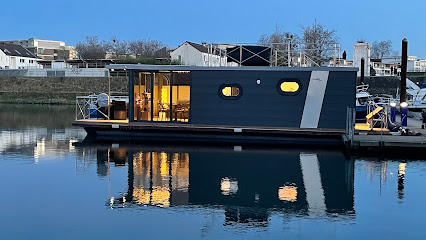
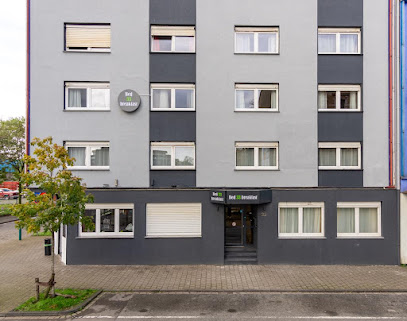
Hotels in Duisburg's city center are generally accommodating and offer reasonable rates compared to cities like Cologne or Düsseldorf. The city provides a range of mid-range and budget accommodations, with both major hotel chains and independent establishments catering to various preferences. The city center is a convenient base for accessing nightlife and cultural attractions. Standard hotel offerings are inclusive, and booking through major platforms or directly is recommended.
Duisburg boasts an excellent public transportation network, including U-Bahn (underground), tram, and bus services. As a major rail hub, it offers frequent connections to Cologne (45 minutes), Düsseldorf (30 minutes), and other key German cities. The city center is walkable, and most LGBTQ+ venues are accessible via short transit rides. For regional exploration, the Deutsche Bahn provides reliable train services, and the Ruhr-Ticket offers an affordable option for traveling within the broader area.
Food and Dining
Duisburg's culinary landscape reflects its diverse, working-class heritage, with notable Turkish, Italian, and German restaurants. The city center provides numerous dining options, from casual eateries to more upscale establishments. Traditional Ruhr Valley cuisine features hearty dishes, and international options are readily available due to the city's diversity. The restaurant scene is generally inclusive and welcoming.
Cultural Attractions
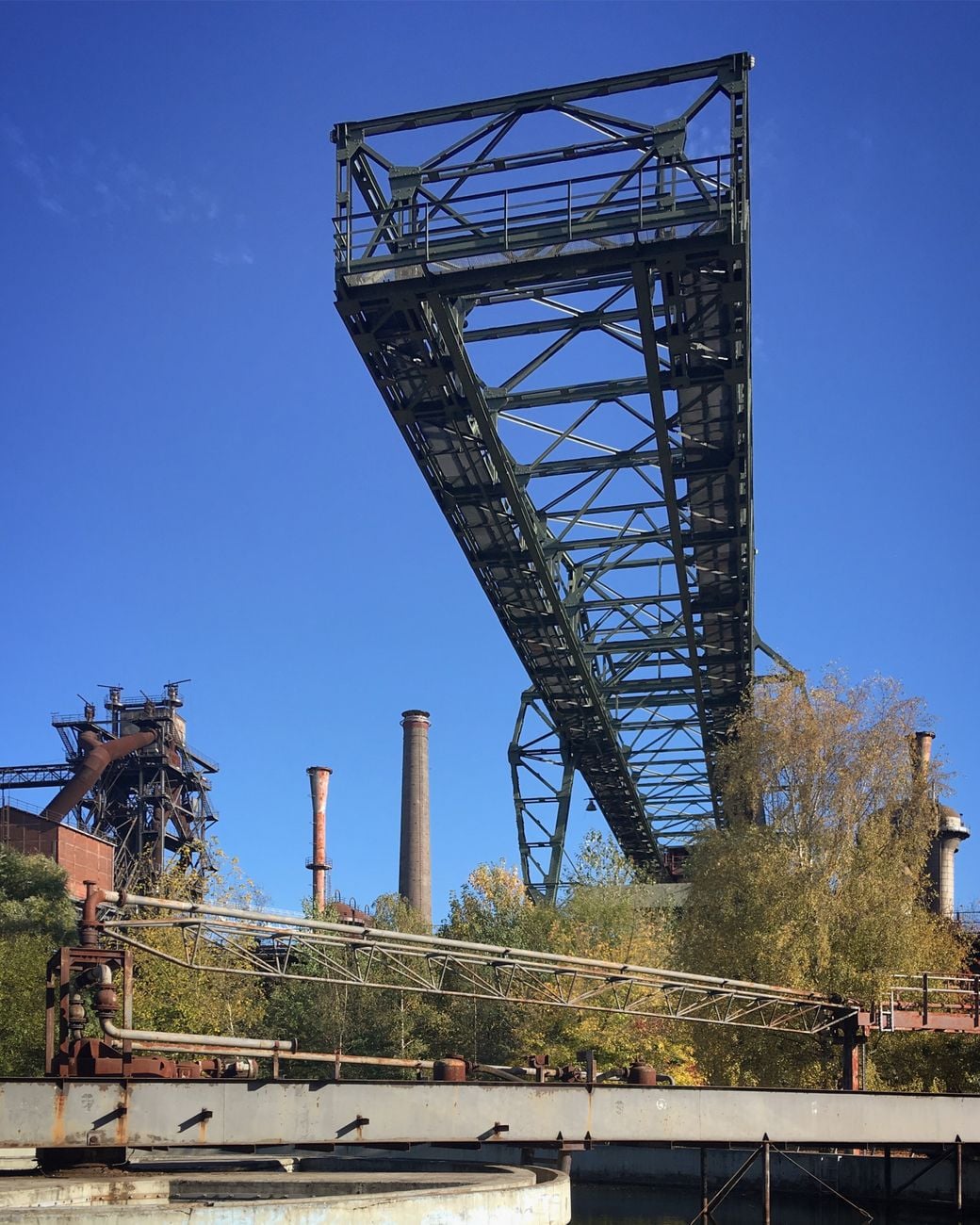
Beyond its LGBTQ+ offerings, Duisburg features significant cultural and historical sites. The Museum Küppersmühle showcases contemporary art within a former grain mill. Landschaftspark Duisburg-Nord is a large, reclaimed industrial landscape offering walking paths and recreational facilities. The Lehmbruck Museum focuses on sculpture and modern art. The city's industrial heritage sites offer insights into the region's manufacturing history.
Safety and Practical Considerations
Germany is considered a very safe country for LGBTQ+ travelers, and Duisburg aligns with this. The city has low crime rates and robust anti-discrimination laws. Same-sex marriage is legal, and legal protections for LGBTQ+ individuals are extensive. Public displays of affection are generally safe throughout the city. Emergency services are reliable. Standard urban safety practices, such as being aware of your surroundings, are advisable.
Day Trips and Regional Exploration
Duisburg's location makes it a convenient starting point for exploring the wider Ruhr Valley. Cologne, with its larger LGBTQ+ scene, is easily reachable. Düsseldorf, another nearby major city, also has a developed gay scene. The Rhine Valley to the south offers charming towns and vineyards. Essen, another city in the Ruhr, provides museums and cultural attractions. The regional train network facilitates convenient and affordable day trips.
Practical Information
The currency in Germany is the Euro. Card payments are widely accepted, though cash may still be preferred in some venues. While German is the primary language, English is commonly spoken in hotels, restaurants, and tourist areas. The city is generally accessible year-round, with summer months offering the most pleasant weather. Spring and fall provide milder conditions with fewer crowds.
Conclusion
Duisburg offers a grounded German city experience where LGBTQ+ travelers can connect with a developing community and explore significant cultural and historical sites. While its nightlife scene is more modest than in larger cities, its authenticity, affordability, and welcoming atmosphere make it a worthwhile destination for those seeking an alternative to typical LGBTQ+ tourism hubs. The city's position within the Ruhr Valley and its proximity to Cologne and Düsseldorf allow visitors to easily combine a stay in Duisburg with larger gay scenes while experiencing the unique character of this revitalized industrial city.
Frequently asked questions
The Innenstadt (city centre) is the main area of interest, and the small cluster of gay venues sits just south in the Dellviertel around Realschulstraße and the Friedrich-Wilhelm-Platz. König-Heinrich-Platz anchors the walkable core, and everything of interest is within a few minutes on foot.
Duisburg's LGBTQ+ scene is smaller than in major metropolitan areas. It is described as welcoming, authentic, and increasingly visible.
Duisburg has its own Christopher Street Day, CSD Duisburg, organised by DUPride e.V. It takes place in late July; the 2026 edition falls on Saturday 25 July, with a rainbow-flag raising at the town hall, a demonstration through the Innenstadt and a street festival at Averdunkplatz.
Yes. The best known is Gaststätte Harlekin "ob so oder so" on Realschulstraße, often called the city's last dedicated gay bar, together with Pampus, a long-running gay and mixed bar nearby. Gay Club Bermuda in Meiderich adds a small dance floor and themed party nights. All sit in or near the Innenstadt/Dellviertel.
The scene is concentrated in the Innenstadt and neighbouring Dellviertel rather than the outer districts. In Meiderich you will find Gay Club Bermuda, while the Neudorf district is home to the AIDS-Hilfe Duisburg/Kreis Wesel counselling centre. For a larger scene, Düsseldorf is about 30 minutes away and Cologne under an hour by train.
Yes. Germany is one of the safest countries in the world for LGBTQ+ travellers, with same-sex marriage and broad anti-discrimination protections. Duisburg is a relaxed Ruhr city where public displays of affection are generally unremarkable; ordinary urban common sense is all that is needed.
Your privacy choices.
We use cookies to run GayOut and, with your consent, measure usage. Learn more
Your privacy choices
We use cookies to keep GayOut running, remember your preferences, and (with your permission) measure how the site is used. You can accept all, reject all, or pick what you allow. Learn more
Essential
Required for sign-in, fraud prevention, CSRF protection and remembering your language. Cannot be disabled.
Always on
Remembers your favourites, dark mode and other interface preferences across visits.
Helps us understand which pages people visit (Google Analytics, server-side stats) so we can improve.
Used by campaign tracking pixels. None are active right now, reserved for future use.
Install GayOut
Add GayOut to your home screen for faster access, offline favourites, and Pride alerts.


 Gay Bars & Clubs
Featured
(151)
Gay Bars & Clubs
Featured
(151)