Ostrava, the third-largest city in the Czech Republic, carries a complex historical identity. For much of the 20th century, it was synonymous with heavy industry, coal mining, and industrial production. The fall of communism in 1989 and subsequent economic restructuring transformed the city's character. Today, Ostrava is recognized as a forward-thinking cultural center with thriving arts institutions, contemporary music venues, and a growing reputation for cultural innovation.
The Czech Republic as a whole has a relatively progressive legal framework regarding LGBTQ+ rights. Same-sex partnerships have been recognized since 2006, and anti-discrimination protections exist in employment and services. However, same-sex marriage remains not legally recognized, and adoption rights for same-sex couples are limited. In Ostrava specifically, attitudes tend to align with broader Czech liberalism, though the city is less visible as an LGBTQ+ destination compared to Prague. The community here is typically integrated rather than segregated, which reflects both the smaller population and the general Czech approach to LGBTQ+ life.
NEIGHBORHOODS AND GEOGRAPHY
Unlike Prague with its identifiable gay quarter, Ostrava's LGBTQ+ spaces are dispersed throughout the city. The city center, particularly around Masaryk Square (Masarykovo náměstí) and the adjoining Old Town area, functions as the primary social and cultural hub. This historic district contains most restaurants, cafes, galleries, and cultural institutions where LGBTQ+ locals and visitors congregate.
The Stodolní district, known for its nightlife and entertainment venues, is another important area. Located adjacent to the city center, Stodolní Street (Stodolní ulice) has undergone revitalization and now contains bars, clubs, and restaurants. While not exclusively LGBTQ+-oriented, it attracts a mixed crowd and is generally welcoming.
The sprawling residential areas surrounding the center, such as Poruba and Zábřeh, are primarily where locals live. These neighborhoods offer a sense of everyday city life but fewer specific LGBTQ+ venues or gathering spaces.
VENUES AND NIGHTLIFE
Ostrava's LGBTQ+ nightlife scene is considerably smaller than Prague's, and visitors should adjust expectations accordingly. The city does not maintain dedicated gay bars or clubs that operate year-round with guaranteed LGBTQ+ programming. Instead, mixed venues in the Stodolní district and city center host occasional LGBTQ+ events or welcome LGBTQ+ clientele regularly.
The absence of permanent gay venues reflects both the smaller population base and the integration of LGBTQ+ people throughout the city's social scene. Information about current events, themed nights, and gathering places is best obtained through local LGBTQ+ social media groups, online forums, and connections with local residents. This reality actually appeals to some travelers who prefer authentic local integration over commercialized gay tourism.
For drinks and socializing, the city center offers numerous bars and cafes with welcoming atmospheres. Many establishments cater to a mixed clientele and do not distinguish themselves by sexual orientation. This inclusive approach reflects Czech culture more broadly.
MULTICULTURAL AND CULTURAL VENUES
While not specifically LGBTQ+-focused, Ostrava's cultural institutions are worth noting. The Moravian-Silesian Theatre, State Theatre, and various contemporary art galleries throughout the city provide cultural programming. Many of these venues host diverse audiences and maintain progressive values. The city's music festival scene, particularly the Colours of Ostrava festival held in August, attracts diverse crowds and features international programming.
PRIDE AND SEASONAL EVENTS
Ostrava Pride (Ostrava Pride Festival or similar local naming) takes place annually in June. This is the marquee LGBTQ+ event for the city and the broader Moravian-Silesian region. The pride event typically includes a parade through the city center, cultural programming, panel discussions, and social gatherings. While smaller in scale than Prague Pride, which draws tens of thousands, Ostrava Pride provides community visibility and celebration. The specific dates and scale vary by year, so travelers should check current information before planning a visit around this event.
Colours of Ostrava, the major music and arts festival held each August, while not exclusively LGBTQ+-focused, welcomes diverse audiences and occasionally features LGBTQ+ artists and programming. This is a key cultural event in the city calendar.
WHERE TO STAY
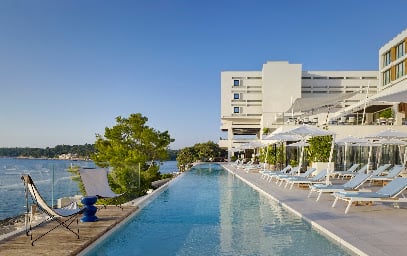
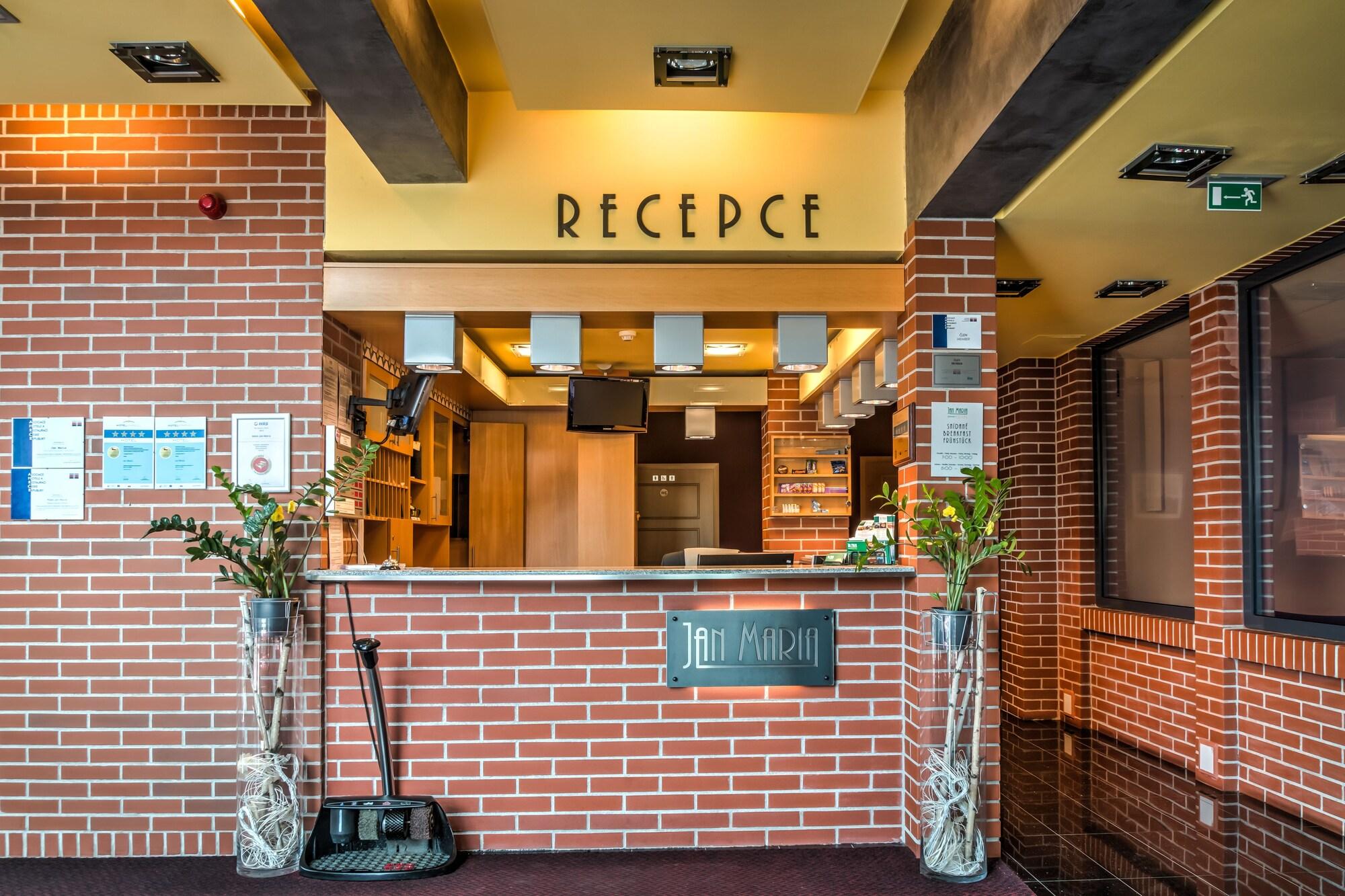
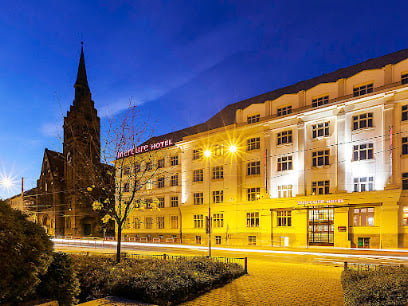
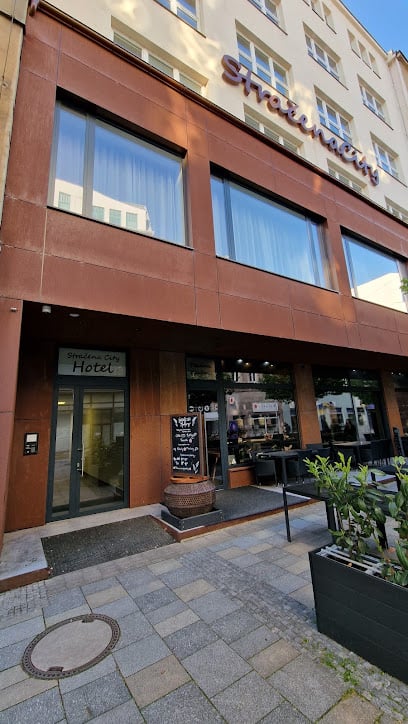
Ostrava offers a range of accommodation options, from budget hostels to upscale hotels. The city center, particularly near Masaryk Square, is the most convenient base for accessing cultural sites, restaurants, and nightlife. Major hotel chains operate in the city, along with numerous smaller hotels and guesthouses.
Hostels and budget accommodations are plentiful and generally affordable. Many are located in or near the city center and attract international visitors. Staff at these establishments are typically experienced in welcoming diverse travelers.
For visitors seeking LGBTQ+-specific accommodation, detailed information is limited, as the city does not have numerous LGBTQ+-owned hotels or hostels marketing themselves specifically to LGBTQ+ travelers. However, the general hospitality environment in Ostrava is welcoming, and travelers should not encounter discrimination.
The Czech Republic is considered a safe destination for LGBTQ+ travelers. Public displays of affection between same-sex couples are generally accepted in urban areas without incident. Ostrava, while more conservative than Prague, maintains liberal attitudes consistent with the broader Czech context.
Transgender and non-binary travelers should be aware that legal documentation and recognition processes in the Czech Republic do exist but carry bureaucratic requirements. Healthcare access for trans individuals varies, and hormone therapy and surgical procedures follow established medical pathways.
Petty crime such as pickpocketing can occur in city centers, as in any European city, but violent crime targeting LGBTQ+ individuals is not a documented pattern. Standard urban safety precautions apply.
TRANSPORT AND ACCESSIBILITY
Ostrava has an effective public transportation system consisting of trams and buses. The city center is compact and walkable. For longer distances, the public transport network is affordable and navigable with maps or transit apps.
The main train station (Ostrava hlavní nádraží) connects the city to Prague, Brno, and other major Czech cities, as well as to Poland and Slovakia. Regular buses also serve these routes. Air access is available via nearby airports, with Prague being the most significant international hub approximately 350 kilometers away.
FOOD AND DINING
Ostrava's food scene reflects Czech culinary traditions alongside contemporary cuisine. The city center contains numerous restaurants, cafes, and pubs serving traditional Czech fare such as goulash, tripe soup, and breaded meats, alongside modern European cuisine. Vegetarian and vegan options are increasingly available, particularly in newer establishments.
Cafes throughout the city center offer coffee, pastries, and light meals. The atmosphere in most establishments is welcoming and unpretentious. Prices are notably lower than in Prague or Western Europe.
DAY TRIPS AND SURROUNDING AREAS
Ostrava's location in eastern Moravia provides access to several interesting day-trip destinations. The Beskydy Mountains to the east offer hiking and outdoor recreation. The town of Český Těšín, located near the Polish border, provides access to Cieszyn across the border and offers a different cultural experience.
The Moravian Karst region, featuring cave systems and dramatic limestone landscapes, lies approximately 100 kilometers to the south and is accessible by car or bus. The historic city of Olomouc, located about 60 kilometers to the south, contains Renaissance architecture and cultural sites.
CONCLUSION
Ostrava represents a different type of LGBTQ+ destination compared to Prague's more established gay tourism infrastructure. The city offers authentic Czech experience, cultural engagement, and integration within a welcoming general population rather than concentrated gay commercialism. Travelers interested in contemporary urban culture, industrial heritage, and genuine local connections will find Ostrava appealing. Those seeking extensive gay nightlife and dedicated LGBTQ+ venues should plan a Prague visit or accept that Ostrava's scene reflects a smaller, more integrated community. Current event information and local connections are best obtained through online platforms and local LGBTQ+ social networks.
Frequently asked questions
The Czech Republic has progressive LGBTQ+ rights, and Ostrava's community is described as welcoming and increasingly visible. While the scene is less commercialized than Prague's, visitors can ask for recommendations at venues.
The main LGBTQ+ social and nightlife venues cluster around the city center, particularly near Masarykovo Náměstí and surrounding streets. Bar Sídliště is a longtime gay bar popular for regular nights and special events.
Ostrava Pride takes place annually in August and includes a parade, cultural performances, exhibitions, and parties. It is described as feeling more intimate and community-focused than Prague Pride.
Ostrava's gay scene is smaller than Prague's but is described as tight-knit and authentic. While Prague dominates international LGBTQ+ tourism, Ostrava offers a rawer experience.
Ostrava does not appear to have dedicated gay saunas. However, the welcoming attitude of bar staff and the tight community means visitors can ask for recommendations at venues.
The Nový Svět (New World) and Poruba districts are residential areas popular with gay residents. The city center is compact and walkable, with main LGBTQ+ venues located there.
Your privacy choices.
We use cookies to run GayOut and, with your consent, measure usage. Learn more
Your privacy choices
We use cookies to keep GayOut running, remember your preferences, and (with your permission) measure how the site is used. You can accept all, reject all, or pick what you allow. Learn more
Essential
Required for sign-in, fraud prevention, CSRF protection and remembering your language. Cannot be disabled.
Always on
Remembers your favourites, dark mode and other interface preferences across visits.
Helps us understand which pages people visit (Google Analytics, server-side stats) so we can improve.
Used by campaign tracking pixels. None are active right now, reserved for future use.
Install GayOut
Add GayOut to your home screen for faster access, offline favourites, and Pride alerts.


 Gay-Friendly Hotel
(131)
Gay-Friendly Hotel
(131)