Ranked #1 in Europe on the ILGA-Europe Rainbow Index. Same-sex marriage and full adoption since 2017; self-declaration gender recognition since 2015 (first in Europe); conversion therapy banned 2016; comprehensive anti-discrimination and intersex protections.
Malta's LGBTQ+ history is one of gradual but genuine progress. The islands decriminalized same-sex relations in 1973, earlier than many Western nations. However, significant progress accelerated only in recent decades. Civil unions became legal in 2014, followed by full marriage equality in 2017. Gender recognition laws have also improved markedly. Today, Malta ranks among Europe's leaders in LGBTQ+ legal protections and social acceptance, with a strong civil society and visible community presence.
Sliema itself reflects this modernization. Once primarily a fishing village, it transformed into a cosmopolitan resort town in the late 20th century, attracting both tourists and expatriates. The LGBTQ+ community grew alongside this development, particularly from the 2000s onward as legal protections improved and the town's hospitality infrastructure expanded.
NEIGHBORHOODS AND GEOGRAPHY
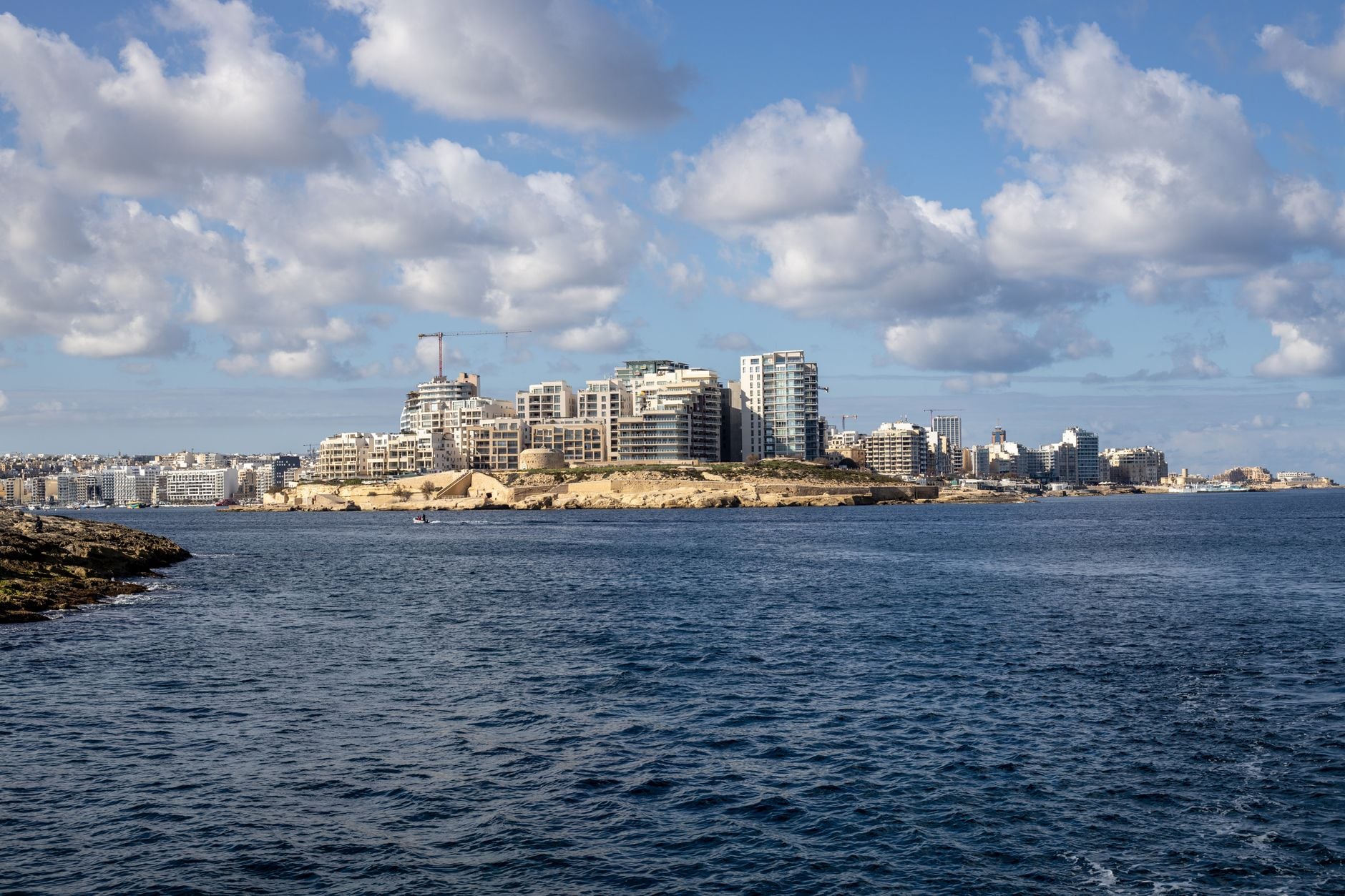
Sliema proper occupies a compact coastal area easily navigable on foot. The Sliema Seafront (also called the Promenade) runs along the water and is the social heart of the town. This area features restaurants, bars, and cafes with sea views, and is busy both day and evening.
Immediately south lies Paceville, technically part of St. Julian's, which forms the primary nightlife and clubbing district. This area has a denser concentration of bars and clubs, including venues with LGBTQ+-friendly reputations. The neighborhood is accessible by a 10-15 minute walk from central Sliema or a short taxi ride.
St. Julian's itself is slightly inland and contains upscale residential areas, shopping, and additional dining and entertainment venues. It shares Sliema's general demographic of affluent residents and tourists.
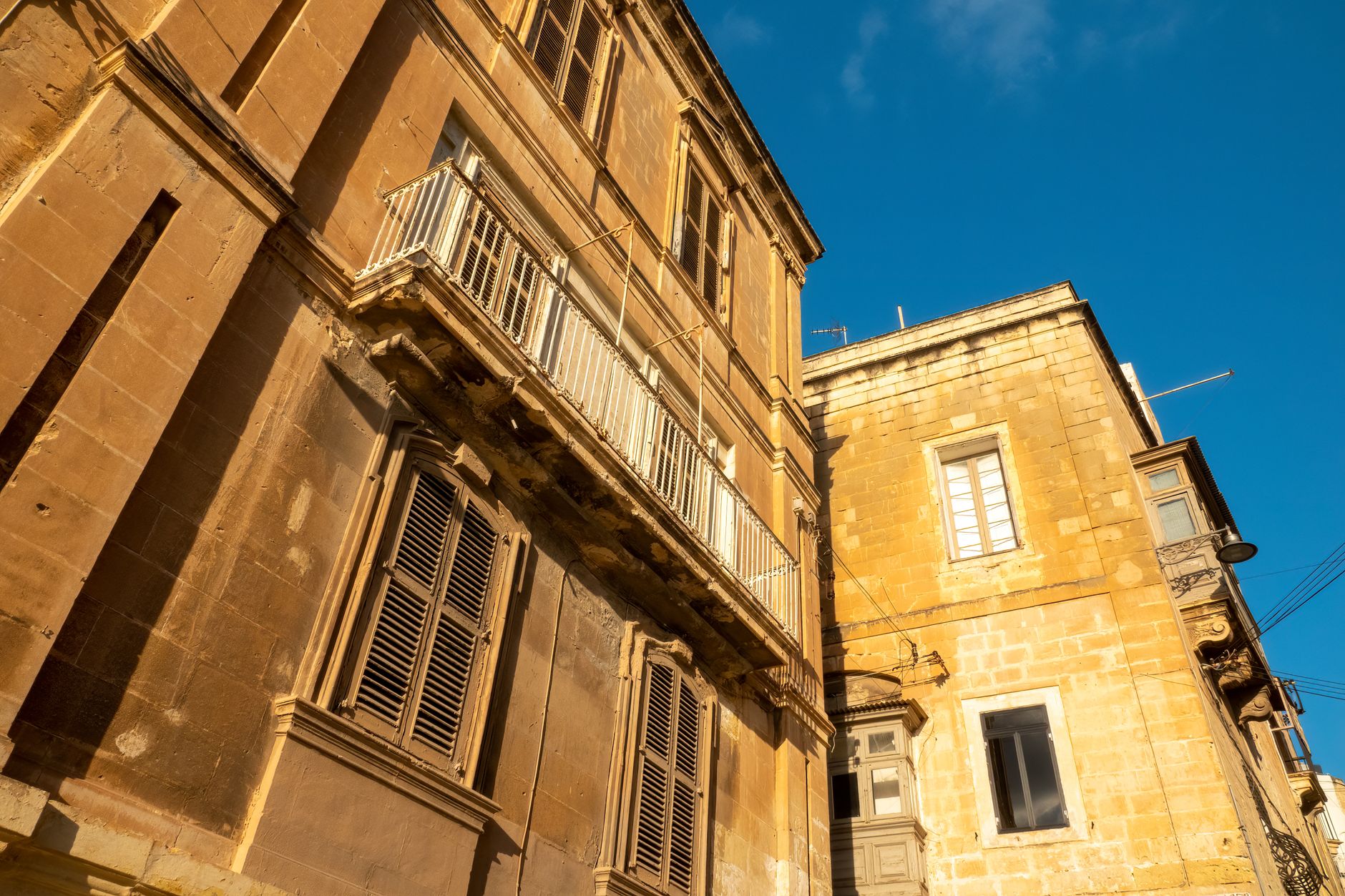
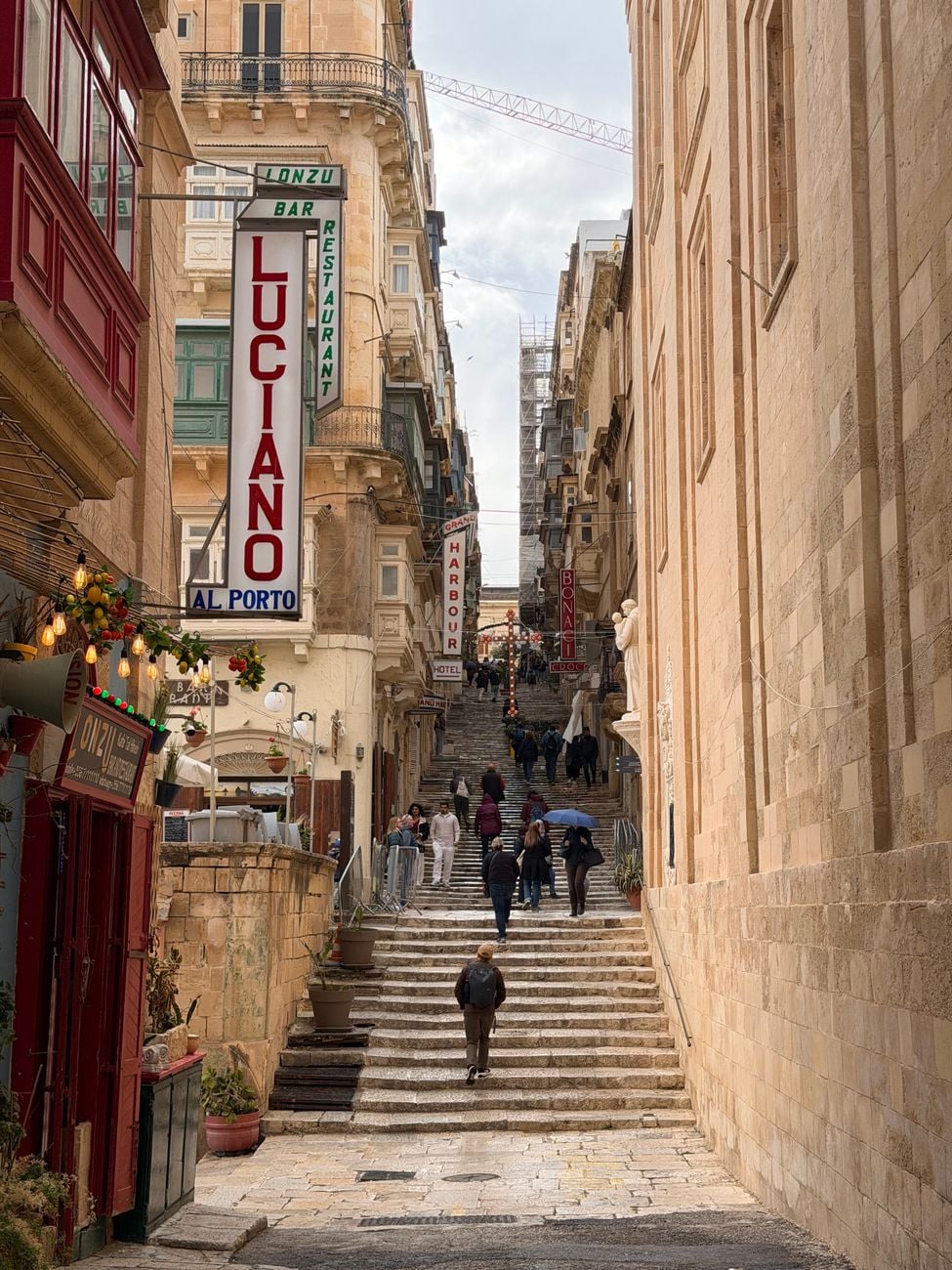
VALLETTA, the capital, lies across the harbor and is easily reached by ferry (15 minutes) or bus (30 minutes). While Valletta is more historic and less focused on nightlife, it contains important cultural sites, churches, and palaces of interest to many travelers.
VENUES AND NIGHTLIFE
While Sliema itself has fewer dedicated gay venues than larger European capitals, the town and surrounding areas offer LGBTQ+-welcoming spaces and a visible gay presence in mainstream establishments.
The Sliema Seafront bars and restaurants tend to attract mixed crowds including LGBTQ+ visitors and residents. Many venues are casual, daytime-oriented, and family-friendly. The evening atmosphere is more adult-focused but still generally relaxed rather than explicitly gay-oriented.
Paceville contains more explicit gay nightlife. While specific venue details change, the area has historically hosted gay bars and dance clubs. The most reliable approach is to check current gay travel forums, local LGBTQ+ groups on social media, or ask at your accommodation, as venues open and close regularly. Local gay organizations and tourism boards maintain current listings.
Sauna culture exists in Malta but is less prominent than in larger European cities. Information is best obtained through local LGBTQ+ networks.
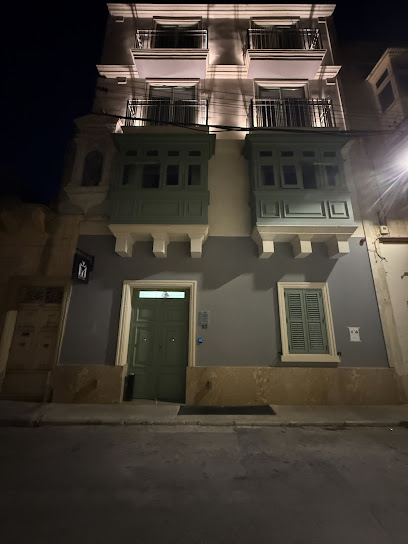
Sliema has abundant hotels, guesthouses, and apartment rentals ranging from budget to luxury. Many establishments explicitly welcome LGBTQ+ guests. Booking platforms like Booking.com, Airbnb, and gay-specific sites like misterb&b allow filtering by LGBTQ+ friendliness.
For a more community-focused experience, guesthouses in residential areas offer smaller, owner-operated alternatives. Prices are generally moderate by Western European standards.
Sliema itself is compact and walkable. The Seafront and central area can be explored entirely on foot.
Public buses connect Sliema to other towns. The main bus station in Valletta is the hub, with regular service to Sliema, Paceville, and surrounding areas. Fares are inexpensive. Taxis are readily available and affordable; Uber operates on the islands. Car rental is possible but unnecessary for those staying in Sliema, as the town is pedestrian-friendly and public transit is reliable.
The harbor ferry between Sliema and Valletta is scenic and efficient.
PRIDE AND EVENTS
Malta Pride takes place annually, typically in early autumn (August or September), and has grown significantly in recent years. The main celebration is in Valletta, with significant participation from Sliema residents and visitors. The event includes marches, festivals, live music, and multiple-day celebrations. Attendance has reached tens of thousands in recent years.
Other LGBTQ+ events vary by year and are best confirmed through local tourism boards and LGBTQ+ organizations ahead of travel.
SAFETY
Malta is generally very safe for LGBTQ+ travelers. The country has strong legal protections, low crime rates, and a welcoming social atmosphere in major towns. Sliema and Paceville are particularly safe and gay-friendly. Same-sex couples can travel and socialize openly without concern. However, like any travel destination, standard safety precautions (avoiding isolated areas late at night, securing valuables) apply.
FOOD AND DINING
Sliema offers excellent Mediterranean and international cuisine. The Seafront is lined with restaurants ranging from casual to fine dining. Local Maltese specialties include rabbit stew (coniglio), fresh seafood, and pastizzi (savory pastries). The food scene is cosmopolitan, with options for all dietary preferences and price points.
Many restaurants welcome LGBTQ+ guests without distinction. The atmosphere is generally relaxed and unpretentious.
DAY TRIPS AND ACTIVITIES
Valletta, the UNESCO-listed capital, is the primary day-trip destination. The city contains St. John's Co-Cathedral, the Grand Master's Palace, museums, and historic architecture spanning centuries. The ferry ride itself is scenic.
Popeye Village, a colorful seaside theme park built for a film, is popular with families and offers kitsch appeal. It lies on the northwest coast, approximately 45 minutes by bus from Sliema.
The Three Cities (Vittoriosa, Senglea, and Cospicua) across the harbor offer historic architecture, waterfront dining, and a less touristy atmosphere. They are accessible by ferry or bus.
Mattaħa Salt Pans, traditional salt-evaporation ponds in the south, offer photography and nature interest.
Comino and the Blue Lagoon are accessible by ferry from Valletta and offer swimming and snorkeling.
Beaches are plentiful. Sliema itself has limited sandy beach (the Seafront is primarily rocky with concrete swimming areas), but nearby towns including Mellieħa, Golden Bay, and Għarb offer sand beaches. These are reachable by bus in 30-60 minutes.
WHO THIS CITY IS FOR
Sliema suits travelers seeking a blend of beach relaxation, urban amenities, and a visible LGBTQ+ presence without the intensity of massive gay nightlife districts. It appeals particularly to couples, older travelers, and those interested in Mediterranean culture and history. English speakers will find the town entirely accessible. Those seeking dedicated gay clubs and saunas may prefer larger cities, though Malta's overall size means fewer such venues than northern Europe—this is offset by the country's relaxed atmosphere and general acceptance.
PRACTICAL INFORMATION
Language: English is widely spoken; Maltese is the official language but rarely required for tourists.
Currency: Euro.
When to Visit
Best time to visit: May through October for warm weather; September-October avoids the hottest months and encompasses Pride. Winter (December-February) is mild but less sunny.
Visa: EU citizens need no visa; many other nationalities can enter for up to 90 days without a visa.
Community resources: LGBTQ+ Malta (formerly Identità) is the main advocacy organization and can provide current event information and resources.
Frequently asked questions
Malta has progressive LGBTQ+ rights, with same-sex marriage legalized in 2017. Sliema is the island's primary tourist hub and has seen a shift towards open, mainstream acceptance in hospitality and leisure businesses.
The gay-friendly zone in Sliema is concentrated along the seafront promenade, known as The Strand, and surrounding streets. This area has bars, restaurants, and cafes where LGBTQ+ visitors often gather.
While specific venue names change seasonally, Sliema has bars and beach clubs with LGBTQ+ clientele. Many venues are welcoming without being exclusively gay. Adjacent St. Julian's historically has more dedicated gay nightlife.
Malta Pride is typically held in September and includes a parade in Valletta, street parties, and club events. Many venues in Sliema host Pride-related events and parties during this time.
Sliema offers a range of hotels, guesthouses, and apartment rentals to suit various budgets. Properties along the seafront provide views and beach access, while inland options are also available.
As the hospitality landscape in tourist areas changes regularly, it's recommended to consult current LGBTQ+ tourism boards and travel guides focused on Malta for seasonal listings of active venues.
Your privacy choices.
We use cookies to run GayOut and, with your consent, measure usage. Learn more
Your privacy choices
We use cookies to keep GayOut running, remember your preferences, and (with your permission) measure how the site is used. You can accept all, reject all, or pick what you allow. Learn more
Essential
Required for sign-in, fraud prevention, CSRF protection and remembering your language. Cannot be disabled.
Always on
Remembers your favourites, dark mode and other interface preferences across visits.
Helps us understand which pages people visit (Google Analytics, server-side stats) so we can improve.
Used by campaign tracking pixels. None are active right now, reserved for future use.
Install GayOut
Add GayOut to your home screen for faster access, offline favourites, and Pride alerts.



 Gay-Friendly Bars & Clubs
(174)
Gay-Friendly Bars & Clubs
(174)