LGBTQ+ symbols and advocacy criminalised as "extremism" — discretion essential
Local law: "International LGBT movement" designated extremist (Nov 2023); displaying LGBTQ+ symbols carries up to 6 years in prison. In April 2026 Russian courts extended the designation to named organisations — including the Russian LGBT Network and Coming Out — banning their activity nationwide.
Safety guidance for visitors →
Do not disclose your orientation to hotel staff, drivers, or guides.
Avoid public displays of affection of any kind.
Do not use LGBTQ+ dating apps — police entrapment via apps is documented. If you must, install a VPN before arrival.
Avoid carrying LGBTQ+ identifiers (flags, books, screenshots) in luggage.
Phone searches at airports can include checks for LGBTQ+ content — delete sensitive chats/photos before crossing borders.
If travelling with a same-sex partner, present yourselves as "friends" or "colleagues"; book separate hotel rooms for safety.
Use Signal or Wire for sensitive messaging — not WhatsApp.
Keep emergency cash (USD/EUR) and two separate payment cards.
Stay at international-chain hotels (Hilton, Marriott, Hyatt) — they rarely interrogate guest arrangements.
Register with your embassy on arrival — consular help may be limited.
Share a daily check-in with someone trusted abroad.
Listings on this page are provided for harm reduction and informed travel decisions — not a recommendation to visit.
🆘 Who to contact if in trouble →
Global emergency resources (always available):
Rainbow Railroad — emergency relocation for LGBTQ+ people facing persecution. Confidential intake form.
ILGA World — global legal-status map and regional contacts.
UNHCR — refugee status if you are persecuted; LGBTQ+ is a recognised ground for protection.
Local / regional contacts:
Inside Russia, even contacting these organisations can be treated as participation in an extremist movement. Use a VPN before opening any link below, and delete your browsing history afterwards.
Sphere Foundation — legal, psychological and emergency aid across Russia (team works from abroad): spherequeer.org ⚠️ Designated extremist or foreign agent in Russia. Access only via VPN. Contact via Telegram — never by email or phone from inside Russia.
Coming Out — free counselling and legal aid for LGBTQ+ people (works from abroad): comingoutspb.org ⚠️ Designated extremist or foreign agent in Russia. Access only via VPN. Contact via Telegram — never by email or phone from inside Russia.
NC SOS Crisis Group — emergency evacuation from the North Caucasus: sksos.org ⚠️ Designated extremist or foreign agent in Russia. Access only via VPN. Contact via Telegram — never by email or phone from inside Russia.
OVD-Info — legal aid if detained; fastest response via their Telegram bot: ovd.info ⚠️ Designated extremist or foreign agent in Russia. Access only via VPN. Contact via Telegram — never by email or phone from inside Russia.
Russian LGBT Network — help finding lawyers and safe relocation (works from abroad): lgbtnet.org ⚠️ Designated extremist or foreign agent in Russia. Access only via VPN. Contact via Telegram — never by email or phone from inside Russia.
If detained: do not sign any document you do not understand. Request your embassy and a lawyer immediately. Do not consent to phone searches without legal advice.
"Gay propaganda" law bans positive depiction of LGBTQ+ relationships. International LGBT Movement designated "extremist" (2023). Exercise extreme caution.
Never miss a gay event in Saint Petersburg
One email a week — the weekend lineup, parties and deals. No spam, unsubscribe anytime.
Russia lacks explicit laws criminalizing consensual same-sex relationships. However, the legal climate for LGBTQ+ individuals has become increasingly restrictive. A 2013 federal law prohibits "propaganda of non-traditional sexual orientation to minors." This broadly defined legislation curtails public discussion and visibility of LGBTQ+ identities and is frequently invoked to suppress LGBTQ+ events, organizations, and online content.
Furthermore, Russia's "extremism" laws have been applied to LGBTQ+ individuals and groups. The broad and politically influenced definition of extremism allows authorities to classify private gatherings or online activities as extremist if they are deemed to violate public morality. While foreign tourists are unlikely to face prosecution under these laws, the legal framework poses significant risks for local LGBTQ+ residents. Visitors should be aware of the severe limitations on LGBTQ+ expression within the country.
Recent years have seen documented instances of harassment, violence, and legal actions against LGBTQ+ activists and private citizens. While prosecutions for "propaganda" against ordinary individuals are infrequent, they have occurred. The prevailing atmosphere is one of state-imposed invisibility, which pressures LGBTQ+ individuals into extreme discretion.
PENALTIES AND PRACTICAL ENFORCEMENT
While same-sex relationships are not illegal, convictions for "propaganda" can result in fines and criminal records. Foreign nationals accused of promoting LGBTQ+ identities could face legal challenges, potential detention, and deportation. The primary risks involve harassment and discrimination rather than formal prosecution, with the possibility of being asked to leave the country.
PRACTICAL SAFETY AND DISCRETION
Public Displays of Affection: Refrain from holding hands or kissing a same-sex partner in public. Avoid wearing overtly LGBTQ+-coded attire, such as pride flags or explicit slogans. Such actions can attract unwanted attention from strangers and law enforcement. Saint Petersburg has a segment of its population with ultraconservative and nationalist leanings, and unprovoked harassment of individuals perceived as LGBTQ+ does occur.
Digital Security: Be aware that dating apps and LGBTQ+-specific social media platforms may be monitored by authorities to identify and potentially harass local users. Exercise extreme caution with location sharing and meeting unfamiliar individuals on these platforms. Many Russian LGBTQ+ individuals opt to avoid these services altogether. Encrypted messaging applications are generally more secure for private communication than standard SMS, though no platform offers complete security in Russia's surveillance environment.
Where to Stay
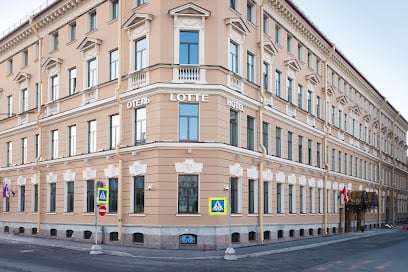
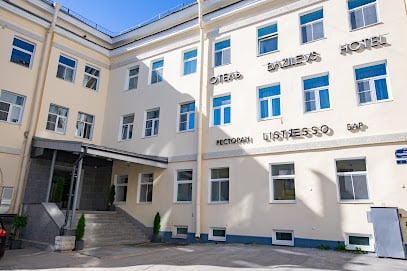
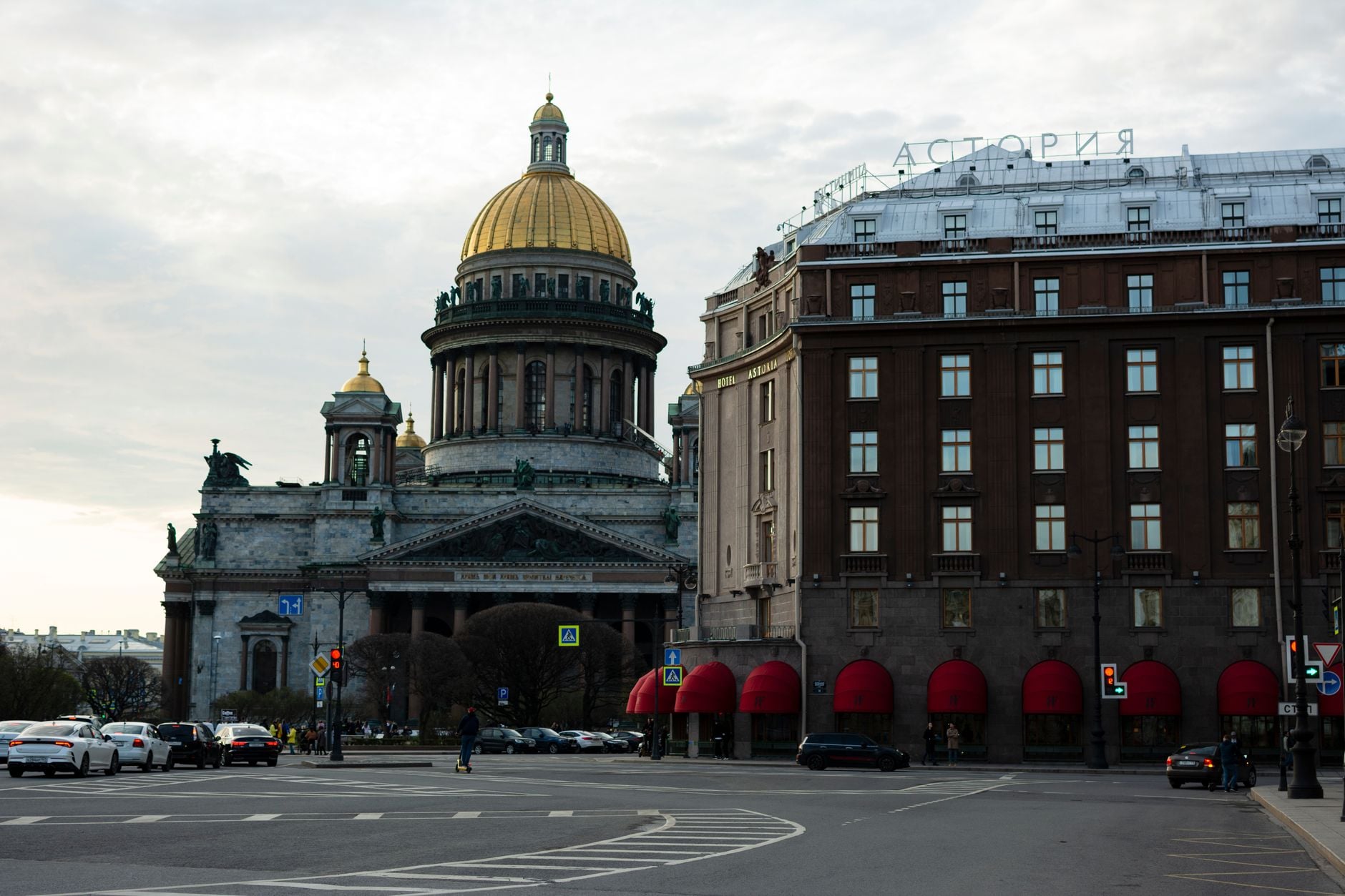
Accommodation: International hotel chains such as Marriott, Hilton, Four Seasons, Rocco Forte, Astoria, and Corinthia accommodate same-sex couples in double rooms without issue, adhering to global non-discrimination policies and accustomed to international guests. Budget guesthouses, hostels, and smaller Russian-owned establishments may exhibit discriminatory practices or inquire about personal matters. Booking through international platforms like Booking.com or Expedia is advisable over Russian-specific sites. If possible, confirm policies via email.
Restaurants and Cafés: Mainstream dining establishments are generally safe. Restaurants, international chains, and cafés in central areas, including those around Nevsky Prospect, the Kazan Cathedral, and Rubinstein Street, cater to international visitors and expats. Staff are typically professional and do not discriminate. Mixed-gender groups and friend groups of various orientations are common. Same-sex couples dining together will likely not encounter issues, provided they avoid overt displays of affection.
Walking Around the City: Central, well-lit, and tourist-frequented areas are safe. Avoid isolated locations at night. Standard urban safety precautions apply. As an LGBTQ+ individual, exercise additional caution to avoid drawing undue attention through appearance or behavior.
DISCREET SOCIALISING
There are no openly designated LGBTQ+ venues. Private social interactions do occur. Expats and international travelers sometimes connect through informal networks and recommendations. Some hotels with a cosmopolitan clientele feature bars where mixed groups socialize discreetly, without explicit LGBTQ+ branding. The atmosphere is generally neutral, providing a comfortable space for individuals of various orientations.
The expat community in Saint Petersburg, particularly among younger professionals, students, and those in creative fields, tends to be more accepting. Educational institutions and international companies can foster environments where LGBTQ+ identity is less of a concern, though discretion is still generally observed.
Private gatherings in apartments are where some LGBTQ+ locals and visiting friends may socialize more openly. Access to these circles as a traveler is unlikely without prior connections or involvement in the expat community. Seeking out or attempting to organize private gatherings as a solo traveler is not recommended due to potential risks.
MAINSTREAM TRAVEL HIGHLIGHTS
Saint Petersburg offers a wealth of world-class attractions.
Museums and Palaces: The Hermitage Museum, housed in the Winter Palace and adjacent buildings, is one of the world's largest art museums. The State Russian Museum displays Russian art from medieval times to the present. Peterhof Palace, an imperial summer residence, features extensive gardens and fountains. Catherine Palace in Pushkin is another notable imperial residence.
Architecture and Walking: The historic center of Saint Petersburg is a UNESCO World Heritage site. Walking tours reveal neoclassical, baroque, and art nouveau architecture. Key areas include Palace Square, Kazan Cathedral, the Savior on Blood Church, and the Neva River embankment. The city's canals and bridges are particularly scenic during the white nights in summer.
Performing Arts: The Mariinsky Theatre is renowned for its ballet and opera productions. The Mikhailovsky Theatre also hosts classical performances. Various concert halls offer orchestral music.
Food & Drink
Food and Drink: Russian cuisine includes dishes like pelmeni, borscht, and blini. Saint Petersburg also offers diverse Georgian, Central Asian, and international dining options. The craft beer scene is developing. Cafés provide welcoming spaces for relaxation and observation.
Street Culture: The city has a notable street art and underground music scene. Rubinstein Street features independent shops, galleries, and cafés. Markets such as Kuznechnyy Market offer local produce and prepared foods.
WHERE TO STAY
International Chain Hotels (Recommended for LGBTQ+ Travelers): These hotels offer the highest level of assurance. Properties such as Rocco Forte, Corinthia, Four Seasons, Astoria, Belmond Grand Hotel Europe, and Marriott are centrally located, professionally managed, and accustomed to diverse guests. Same-sex couples will not face discrimination. While more expensive, they provide security and reliability.
Mid-Range International Hotels: Chains like Ramada and Park Inn offer good value and similar non-discrimination policies.
Budget Options: Hostels catering to international backpackers with a strong online presence are generally safe and LGBTQ+-friendly. Smaller, Russian-owned guesthouses and budget hotels may present more conservative environments.
Your privacy choices.
We use cookies to run GayOut and, with your consent, measure usage. Learn more
Your privacy choices
We use cookies to keep GayOut running, remember your preferences, and (with your permission) measure how the site is used. You can accept all, reject all, or pick what you allow. Learn more
Essential
Required for sign-in, fraud prevention, CSRF protection and remembering your language. Cannot be disabled.
Always on
Remembers your favourites, dark mode and other interface preferences across visits.
Helps us understand which pages people visit (Google Analytics, server-side stats) so we can improve.
Used by campaign tracking pixels. None are active right now, reserved for future use.
Install GayOut
Add GayOut to your home screen for faster access, offline favourites, and Pride alerts.


 Gay-Friendly Bars & Clubs
(285)
Gay-Friendly Bars & Clubs
(285)