

Gay Dubai
Guida di viaggio LGBTQ+ e directory delle città · Dubai
Status legale LGBTQ+ in Emirati Arabi Uniti
In base alle leggi nazionali aggiornate al 2025
Le relazioni omosessuali sono illegali e possono comportare l'imprigionamento o l'espulsione. Sebbene il turismo sia tollerato, qualsiasi manifestazione pubblica di identità LGBTQ+ comporta seri rischi.
Sii il primo ad aggiungere un locale a Dubai
Conosci un bar gay, una sauna o un hotel qui? Aggiungilo gratis — revisionato entro 48 ore.
+ Aggiungi un localeAltre guide per Dubai
Guida di viaggio
Gay Dubai — la guida completa
Tutto quello che vale la pena sapere prima di partire.
Same-sex sexual conduct is illegal under UAE law. Consensual same-sex activity can carry penalties including imprisonment and fines. While prosecutions of tourists are uncommon, they can occur, particularly if conduct is reported or observed publicly. Legal amendments in recent years have adjusted penalties in some situations, but criminalisation remains. Gender identity is not legally recognised, and transgender individuals may face legal and social challenges. There is no legal protection against discrimination based on sexual orientation or gender identity.
Enforcement typically focuses on public behaviour and local residents rather than international visitors. However, legal risk exists if accusations are made. Foreign nationals convicted have faced deportation. Navigating Dubai involves a degree of discretion and awareness of the legal framework.
Public displays of affection between same-sex couples, such as holding hands or embracing, should be avoided. Such actions can attract unwanted attention. Heterosexual couples experience greater visual freedom in public spaces.
Dating and hookup apps are accessible in Dubai but may be monitored. There have been reports of authorities flagging profiles and monitoring app activity. Using these apps carries a higher risk than in many Western cities. Encrypted messaging apps are generally safer for private communication, though no digital communication is entirely secure.
International luxury hotel chains generally allow same-sex couples to book and share rooms without issue. Some budget hotels and local guesthouses may refuse bookings or cause difficulties. It is advisable to book with major international chains. When booking, use clear language regarding room arrangements.
While there is no legal dress code for visitors, conservative presentation is recommended in public spaces, especially outside tourist areas. Highly expressive or divergent gender presentations may attract attention. Beachwear and casual tourist attire are acceptable in resort and beach areas.
Openly LGBTQ+ venues such as bars, clubs, or dedicated social spaces do not exist in Dubai. There is no designated LGBTQ+ neighbourhood or openly advertised social infrastructure.
Socialising primarily occurs within private gatherings. International hotels, including their bars and lounges, often host diverse international crowds where LGBTQ+ individuals and allies can socialise discreetly. Bars in areas like Downtown Dubai and the Marina attract varied clientele, and while not specifically LGBTQ+ venues, they offer spaces where mixed groups gather without undue scrutiny. Hotel staff are trained to be professional and discreet.
Private gatherings, such as dinner parties or apartment meetups, are common within expat communities. These are often organised through private messaging or online networks. Visitors may connect with these networks before arrival, exercising caution regarding who they contact and what information they share.
Dubai offers a mainstream nightlife scene with rooftop bars, nightclubs, and lounges. Venues like Atmosphere, Barasti, and those within Madinat Jumeirah are popular with tourists and expats. These spaces host mixed crowds, and LGBTQ+ visitors can blend in. Alcohol is served in licensed venues; public drinking outside these areas is prohibited.
Dubai's dining scene offers a wide variety of cuisines. Traditional shopping can be found in the Gold Souk, while large malls like Mall of the Emirates and The Dubai Mall cater to shoppers. Mainstream tourist activities include desert safaris and camel rides. Cultural experiences are available at institutions like the Sheikh Mohammed Centre for Cultural Understanding. These mainstream activities are accessible to all visitors.
International hotel chains in areas like Downtown Dubai, Marina, and near the airport are recommended for LGBTQ+ couples. Properties from brands such as Marriott, Hilton, Four Seasons, and Atlantis are accustomed to international guests and maintain professional policies.
Airbnb is available in Dubai, but reliability varies. Some hosts may refuse bookings from same-sex couples, while others are accommodating. Thorough communication before booking is essential, and host reviews can offer insights. Budget and local guesthouses should generally be avoided due to potential booking issues.
LGBTQ+ travellers considering Dubai should be prepared for the absence of openly affirming spaces and the need for discretion in public. Understanding the legal framework and potential risks is important. This destination is suitable for those comfortable with private socialising and who can navigate a cosmopolitan city with awareness. Couples who require visible affection or public community experiences may find Dubai less suitable.
Transgender travellers may encounter additional complexities due to legal non-recognition and potential social hostility. Thorough individual research and risk assessment are advised.
Dubai is not a city with high levels of street violence against LGBTQ+ people. It is a destination where discretion is essential due to the legal framework and inconsistent enforcement. Preparation and awareness of local norms are key to a feasible visit. For some, the level of discretion required may outweigh the benefits of visiting.
Città come Dubai
Gay Dubai su YouTube
Video rappresentativi di Emirati Arabi Uniti
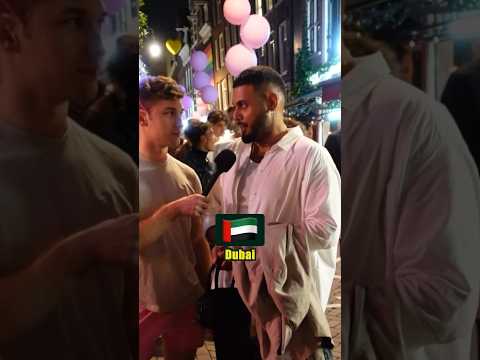
Growing up Gay in Dubai 🇦🇪