India decriminalised consensual same-sex relationships nationwide on 6 September 2018, when the Supreme Court read down Section 377 of the Indian Penal Code in Navtej Singh Johar v. Union of India. Same-sex intimacy between adults is legal across the whole country, including Madhya Pradesh. There is, however, no legal recognition of same-sex marriage or civil partnership: the Supreme Court declined to create that right in October 2023 and left the question to Parliament, which has not legislated. The Transgender Persons (Protection of Rights) Act, 2019 provides for legal gender recognition. In short, being LGBTQ+ is not a crime in India, but legal equality is incomplete and there are no broad anti-discrimination protections in everyday settings.
Local Social Climate
Khandwa is a city of around 200,000 people in the Nimar region of Madhya Pradesh, and its social attitudes are noticeably more conservative than those of Indian metros like Mumbai, Delhi or Bangalore. There are no openly LGBTQ+ venues, events or community organisations here, and no visible queer scene. That is not a legal problem; it simply reflects the size and traditional character of the town. LGBTQ+ residents and visitors generally keep a low profile in public, and open displays of affection between same-sex couples will draw attention. This is a matter of social comfort and everyday discretion rather than legal risk.
Practical Notes for Travellers
Dating apps such as Grindr are legal and widely used across India, but in a town this small the user base is tiny, so the usual online-safety judgement applies: meet in neutral, public places first and protect your privacy. Mid-range and business hotels are used to a range of guests and generally do not question a couple sharing a room; the smallest family-run guesthouses can be more conservative, and pre-paying through an international booking site tends to smooth check-in. As anywhere in small-town India, presenting yourselves as travelling companions in public keeps attention to a minimum.
Mainstream Travel
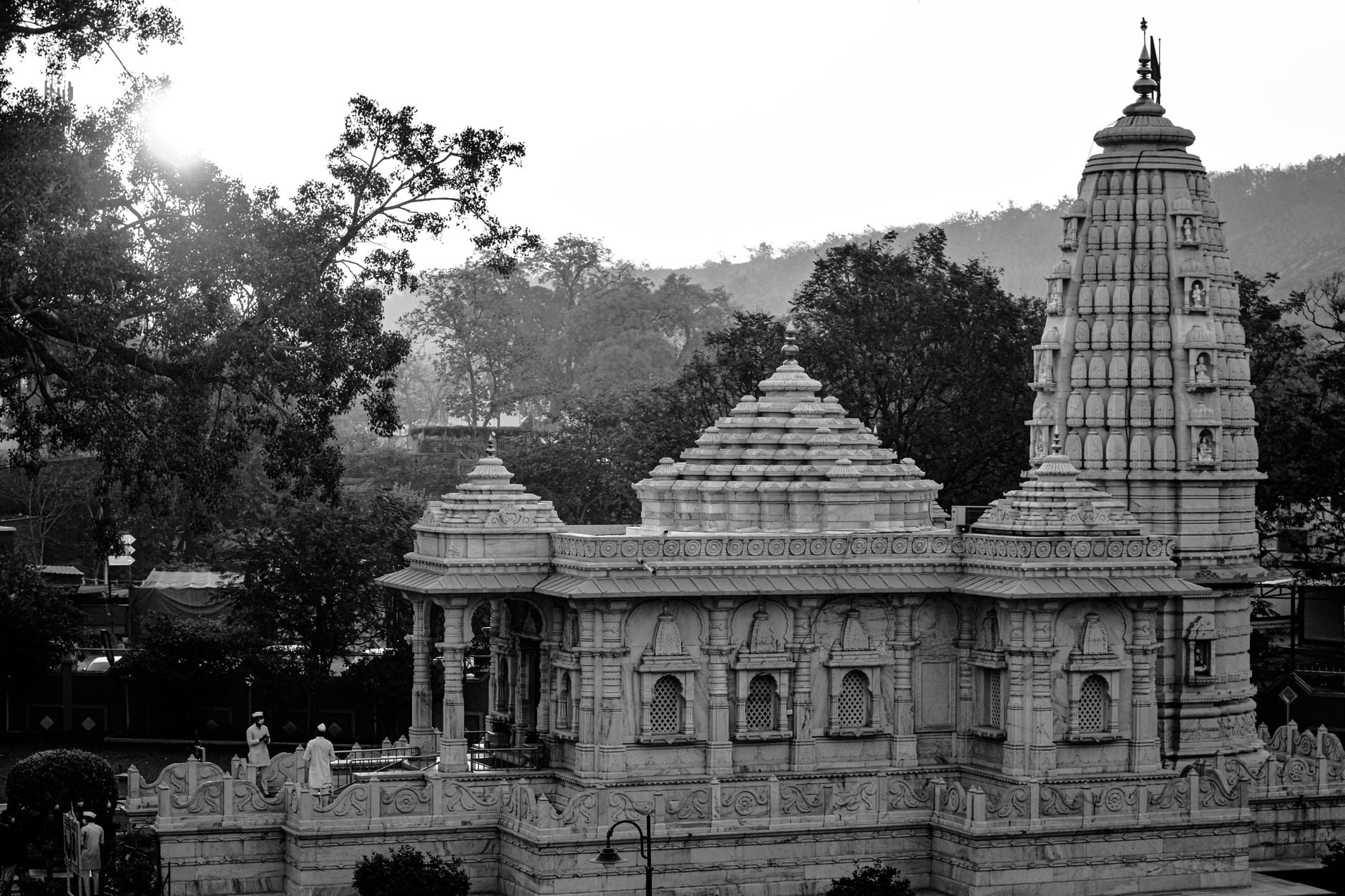
For most visitors Khandwa is a gateway to the Narmada Valley and to Omkareshwar, the great island temple about 70 km away that is one of the twelve Jyotirlinga shrines. The town itself is a long-standing railway junction with local temples, busy markets and Madhya Pradesh's characteristically vegetarian-leaning food: poha, jalebi and simple dal-based dishes are everywhere. Western-style nightlife is minimal, evenings are low-key, and most restaurants wind down by around 10 pm.
Where to Stay
Khandwa has a solid range of budget and mid-range hotels, many clustered around Anand Nagar, Ghaspura and the bus-stand area, several with good traveller ratings. International chain hotels are not present in Khandwa itself; travellers who want that level of comfort, along with a wider choice of dining, often base themselves in Indore (roughly 130 km, two to three hours by road) and day-trip to Khandwa and Omkareshwar. For a short stay, the mid-range hotels listed on this page are comfortable and used to all kinds of guests.
Khandwa suits LGBTQ+ travellers drawn to pilgrimage, river landscapes and everyday Indian life away from the tourist trail, who are comfortable being discreet in a conservative small-town setting. Anyone looking for gay bars, a queer nightlife scene, Pride events or an out-and-visible community will not find them here; those belong to India's larger cities. Bhopal, the state capital, hosts Madhya Pradesh's Pride march, while Mumbai, Delhi and Bangalore have the country's most developed scenes.
Bottom Line
Being LGBTQ+ is legal in India, and Khandwa is a perfectly reasonable place to pass through or spend a night on a Nimar or Narmada itinerary, as long as you understand it as a conservative small town with no queer scene rather than a destination for community or nightlife. Travel with the same easy discretion locals use, base a longer stay in a bigger city if you want more choice, and enjoy Khandwa for the temples, the river and the railway history that bring most travellers here.


 ホテル
(350)