Gelsenkirchen may not be Germany's most famous LGBTQ+ destination, but it offers something equally valuable: an authentic slice of German queer life in a city genuinely welcoming to all visitors. Located in the Ruhr Valley (Ruhrgebiet), Europe's largest industrial region, Gelsenkirchen has transformed from a coal and steel hub into a vibrant, culturally diverse city with a thriving community.
HISTORY OF THE LGBTQ+ SCENE
Like much of Germany, Gelsenkirchen benefited from progressive German LGBTQ+ rights legislation and cultural liberalism, particularly in West Germany before reunification. The city's working-class traditions meant strong labor union support for equality, as LGBTQ+ rights have historically aligned with broader workers' rights movements. Since reunification in 1990, Gelsenkirchen has continued to develop its civic infrastructure with attention to inclusivity.
The local queer community here is smaller and less commercialized than in major metropolitan centers, which appeals to travelers seeking genuine connection over party tourism. Community organizations, rather than exclusively profit-driven venues, have historically anchored the scene.
NEIGHBORHOODS
Gelsenkirchen's city center (Innenstadt) contains most queer-friendly venues and is easily navigable on foot. The main shopping and business district centers around Bahnhofstrasse and Königstrasse. Nearby, the Altstadt (old town) area offers historic charm and cultural attractions.
The Schalke district, home to FC Schalke 04's famous stadium, is part of the broader city fabric but less focused on nightlife. The Buer and Horst neighborhoods contain residential areas and some local establishments.
Unlike Cologne or Berlin, Gelsenkirchen doesn't have a concentrated gay quarter; instead, LGBTQ+-friendly spaces are integrated throughout the city, reflecting the city's broader character.
VENUES AND NIGHTLIFE
Gelsenkirchen has no dedicated gay bar or club - local gay guides are candid about this, and most residents head to nearby Essen (about 20 minutes by train, with two gay saunas and a small bar scene) or Dortmund for a night out. What the city does have is a genuine community anchor: the together queer youth cafe and counselling centre, run by the local AIDS-Hilfe on Wildenbruchstrasse, which hosts drop-in evenings and a monthly gay Stammtisch.
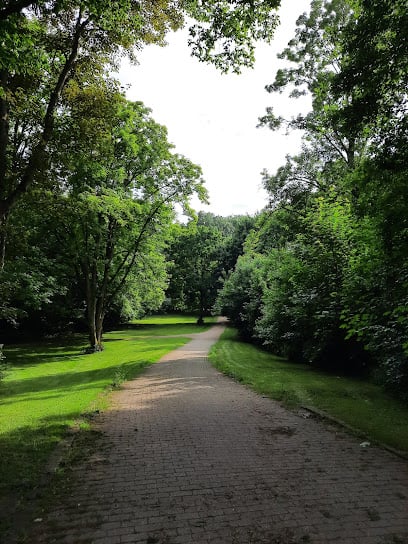
For a dedicated gay-male venue in town, the long-running Hoehepunkt gay cinema on Wanner Strasse is the one standing option. Outdoor cruising has a long history in the city's parks - Haunerfeld in Erle, Rheinelbe in Ueckendorf and Bulmker Park - mainly in the warmer months. Beyond that, plenty of ordinary bars and cafes in the Innenstadt are relaxed and welcoming, as is standard in progressive German cities.
PRIDE AND EVENTS
Gelsenkirchen has increasingly marked LGBTQ+ Pride and visibility events, though the scene is smaller than major cities. Christopher Street Day (CSD Gelsenkirchen) is usually held in mid-May - notably early in the German Pride season - as a community-scale gathering rather than a massive street party, organised through the local queer network. Some events are organized by local LGBTQ+ organizations and cultural institutions.
The broader Ruhr region hosts larger Pride events in Cologne (August) and other cities, accessible by short train rides. Cologne Pride is one of Germany's largest and most vibrant, drawing hundreds of thousands annually.
WHERE TO STAY
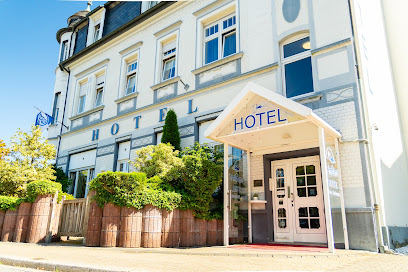
Gelsenkirchen offers excellent mid-range hotel options at lower prices than Cologne or Düsseldorf. The city center is most convenient for exploring on foot and accessing public transit. Business hotels and some boutique options cater to travelers, and the city's overall infrastructure is excellent despite being less touristy than major destinations.
Hostels exist in the region and offer budget-friendly options with chances to meet other travelers. Airbnb and vacation rentals provide additional flexibility.
Germany is one of the world's safest countries for LGBTQ+ travelers. Gelsenkirchen, like most German cities, has strong anti-discrimination laws and inclusive policies. Public displays of affection between same-sex couples are normal and safe throughout the city and broader region. Police are trained in anti-discrimination protocols, and hate crimes are rare and prosecuted seriously.
The city has a diverse population including immigrant communities; while Germany overall is very progressive, individual incidents can occur anywhere. Gelsenkirchen's working-class character means a mixed demographic, though the city remains welcoming.
PUBLIC TRANSPORTATION
Gelsenkirchen is extremely well-connected by public transit. The city is part of the VRR (Verkehrsverbund Rhein-Ruhr), a regional transit authority covering the entire Ruhr. Trains connect Gelsenkirchen to Cologne (45 minutes), Düsseldorf (75 minutes), and all other regional cities. The local S-Bahn, U-Bahn, and bus systems are efficient, clean, and easy to navigate.
The city is also accessible from Cologne/Bonn Airport (about 90 minutes by train) and Düsseldorf Airport. Most travelers arriving internationally will connect through these major hubs.
Walking the city center is pleasant and safe at all hours, though like any city, standard travel awareness applies.
FOOD AND DINING
Gelsenkirchen offers excellent German and international cuisine at reasonable prices. The city's diverse population means good access to Turkish, Italian, Asian, and other cuisines alongside traditional German food. The Ruhr region is known for hearty, working-class cuisine including dishes like Currywurst and local specialties.
Many restaurants and cafés throughout the city center are casual and welcoming to LGBTQ+ visitors. The food scene is notably unpretentious compared to major tourist cities, with quality at lower price points.
CULTURE AND ATTRACTIONS
Gelsenkirchen offers strong cultural attractions despite its modest size. The Kunstmuseum (Art Museum) features contemporary and classical works. The Musiktheater (Musical Theater) hosts performances year-round. These institutions reflect the city's investment in culture as part of its post-industrial transformation.
The broader Ruhr region is a UNESCO World Heritage Site for industrial architecture and history. Former coal mines and steel mills have been converted into museums, parks, and cultural spaces—the Route der Industriekultur (Industrial Culture Route) showcases this transformation.
DAY TRIPS AND REGIONAL EXPLORATION
Gelsenkirchen's location makes it an ideal base for exploring the broader Ruhr. Cologne (45 minutes by train) is one of Germany's most famous cities with a major LGBTQ+ scene, beautiful historic architecture, and the iconic cathedral. Düsseldorf (75 minutes) offers upscale shopping, galleries, and a notable queer scene centered around Altstadt.
Essen (20 minutes) is nearby and offers museums, parks, and cultural attractions. Dortmund has similar appeal. All are connected by frequent, affordable trains.
For those wanting to venture further, the Rhine Valley is scenic and accessible, as are other major German cities within 2-3 hours.
CONCLUSION
Gelsenkirchen represents authentic Germany away from the typical tourist circuits. The LGBTQ+ scene is smaller than major cities but genuine and welcoming. Travelers seeking partying and major gay culture will find more in Cologne or Berlin; those seeking authentic community connection, lower costs, and a real German city experience will appreciate Gelsenkirchen's character. The city's excellent transit connections make it easy to explore the broader region while maintaining a less touristy home base.
よくある質問
Gelsenkirchen has no dedicated gay bar or club, so the nightlife is limited. Local queer life centres on the together youth cafe (run by the AIDS-Hilfe) and a monthly gay Stammtisch, while most people travel to nearby Essen or Dortmund for a proper night out.
No. Gelsenkirchen has no gay quarter. Queer-friendly spots are scattered through the Innenstadt, and the community hub - the together cafe - is on Wildenbruchstrasse in the Bismarck district.
Christopher Street Day (CSD Gelsenkirchen) is usually held in mid-May, early in the German Pride season, as a community-scale event. For a large parade, Cologne Pride in early July is under an hour away by train.
There are no dedicated gay bars in Gelsenkirchen. The main LGBTQ+ social space is the together youth cafe and counselling centre on Wildenbruchstrasse, run by the local AIDS-Hilfe; it hosts regular drop-in evenings and a monthly gay Stammtisch.
The guide indicates that the LGBTQ+ community has gradually built a network of welcoming bars and social groups and is relatively integrated into civic life. However, it does not explicitly detail safety measures or statistics for LGBTQ+ travelers.
Expect smaller, informal gatherings and social events hosted by local bars. The LGBTQ+ community also maintains active social networks and event pages online, which may list upcoming gatherings.



 クルージングスポット
(18)