Konstytucja definiuje małżeństwo jako związek między mężczyzną a kobietą. Ustawa z 2021 r. zakazuje „promowania” homoseksualności wśród nieletnich. Zmiana płci prawna została zakazana w 2020 r. Sytuacja znacznie się pogorszyła pod rządami obecnej ekipy.
Nigdy nie przegap gejowskiego wydarzenia w Debreczyn
Jednego maila tygodniowo – zestawienie weekendowe, imprezy i promocje. Bez spamu, wypisz się w każdej chwili.
Bilety bez kolejki, spacery z przewodnikiem, jednodniowe wycieczki i unikalne doświadczenia przyjazne LGBTQ+ — rezerwacja od ręki z bezpłatnym anulowaniem.
Debrecen, Hungary's second-largest city, offers a different LGBTQ+ experience than Budapest. Smaller and less frequented by international tourists, it provides opportunities for local interaction and a look at Hungarian culture.
Debrecen's LGBTQ+ scene is less prominent than Budapest's, a reflection of its size and Hungary's broader political climate. While a queer community exists, it is often less visible in daily life compared to Western European cities of similar scale. Pride events have been growing, with Debrecen Pride usually occurring in July. These events are smaller and can sometimes face opposition. The scene is largely comprised of local residents, contributing to a more community-oriented atmosphere.
The city center is compact and walkable. The historical downtown area, featuring baroque architecture and main squares, contains most restaurants, cafes, and cultural sites. Kossuth Square, with the Great Reformed Church, is a central landmark. There is no specific gay neighborhood, but the city center is where most social venues are located and is generally the most accessible area for LGBTQ+ travelers.
Debrecen's dedicated gay nightlife is limited. The city has a few bars and cafes that attract LGBTQ+ locals and visitors, though specific establishments can change. The scene tends towards smaller, local gathering spots rather than large clubs. Information on venues can be difficult to keep current, and it is advisable to inquire locally or check online LGBTQ+ travel resources for the most up-to-date details. The LGBTQ+ scene is more integrated into general nightlife.
Debrecen Pride, typically held in early July, is the city's main LGBTQ+ event. It is smaller than Budapest Pride but serves as an important occasion for local visibility and community gathering. The event includes a parade and cultural programs. Attendees should verify details closer to the date, as political opposition can sometimes impact planning. Other LGBTQ+ cultural events may occur at various times throughout the year.
Where to Stay
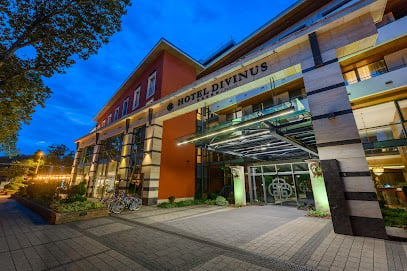
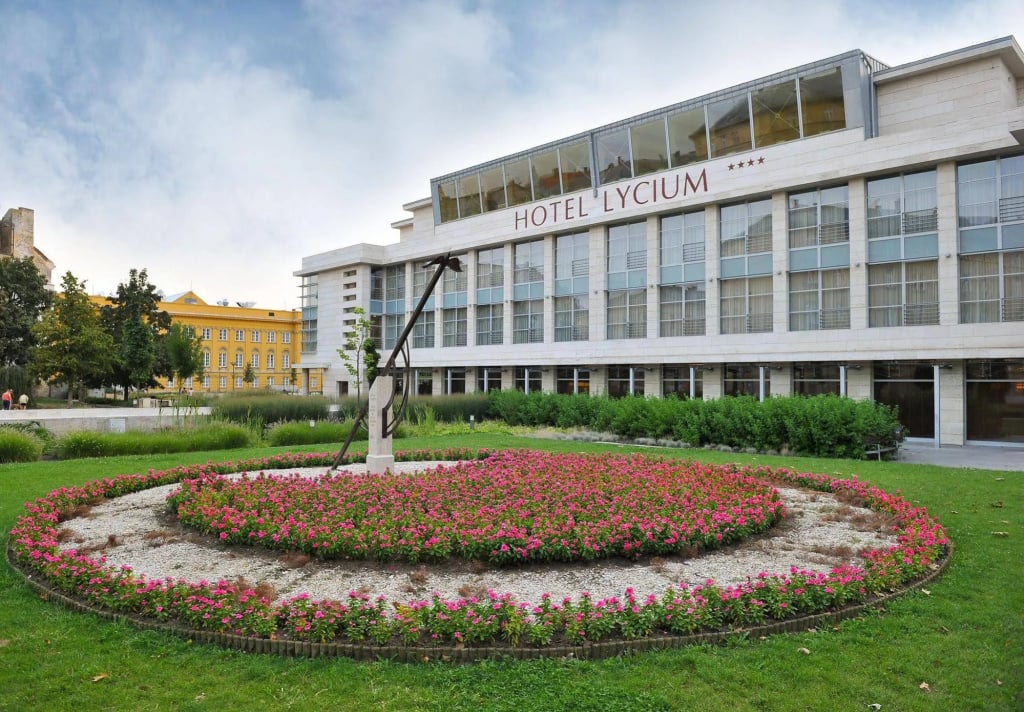
Accommodation options in Debrecen include standard hotels and guesthouses, primarily in the city center. Properties like the Aquaticum Wellness Hotel and various smaller establishments offer comfortable stays. Online booking platforms provide current availability and reviews. Staying in the city center is recommended for ease of access to attractions and walkability. Airbnb and local guesthouses are also available.
Hungary's national government has enacted policies that are increasingly seen as anti-LGBTQ+. While Debrecen residents may be more progressive than national politics suggest, public displays of affection between same-sex couples can attract attention and occasional negative reactions, particularly outside central tourist areas. Debrecen is generally safe for LGBTQ+ travelers who exercise discretion and are aware of their surroundings. Legal protections are in place, though their consistent application can vary.
The city center is easily explored on foot. Public transportation, including buses and trams, is available but often unnecessary for central attractions. The main train station provides connections to Budapest and other Hungarian cities, with the journey from Budapest taking approximately 2.5 hours by train. Walking is the most effective way to experience the center and observe local life.
Hungarian cuisine is prevalent, with traditional dishes like goulash, paprikash, and langos widely available. Cafes and restaurants offer both traditional and contemporary fare. The Debrecen market is a place to find local produce and traditional Hungarian foods. Cultural events, including classical music and theater, are regularly held at venues like the Csokonai Theatre. Museums and galleries showcase regional art and history.
Day trips can include Hortobágy National Park, approximately 30km away, offering natural scenery and traditional puszta (grassland) experiences, including bird-watching. Nearby towns like Hajdúszoboszló are known for their thermal baths.
Hungarian is the primary language, with English spoken in tourist areas. The currency is the Hungarian Forint. Summer weather is warm, making July suitable for Pride events. Visitors should consult their home country's travel advisories regarding the political situation and LGBTQ+ safety. Connecting with local LGBTQ+ groups online before arrival can offer current recommendations and social opportunities.
Najczęściej zadawane pytania
Ramy prawne na Węgrzech dotyczące praw LGBTQ+ są mieszane, ale Debreczyn jest uważany za stosunkowo tolerancyjne miasto. Podróżujący LGBTQ+ są generalnie bezpieczni w centralnych obszarach i wśród młodszych populacji.
Scena gejowska w Debreczynie koncentruje się w centrum miasta, głównie wokół ulicy Piac (ulica targowa) i otaczającej dzielnicy śródmiejskiej. Przyjazne dla LGBTQ+ lokale są rozproszone po tym centralnym obszarze.
Scena barów i klubów gejowskich w Debreczynie jest skromna. Lokale zmieniają się okresowo i zaleca się sprawdzenie aktualnych informacji przed podróżą, ponieważ konkretne lokale mogą nie być stale otwarte lub mogły zmienić nazwy.
Debreczyn rozwinął mniejszą, ale coraz bardziej aktywną społeczność LGBTQ+ w ciągu ostatnich dwóch dekad. Scena nadal rośnie, chociaż jej skala pozostaje skromna w porównaniu do miast Europy Zachodniej.
Miasto organizuje okazjonalne wydarzenia i imprezy LGBTQ+. Są one często reklamowane za pośrednictwem mediów społecznościowych i sieci społecznościowych.
Partnerstwa cywilne osób tej samej płci są uznawane na Węgrzech, chociaż małżeństwa osób tej samej płci nie są prawnie dostępne. Istnieją przepisy antydyskryminacyjne w zatrudnieniu i niektórych usługach, ale prawa adopcyjne dla osób LGBTQ+ pozostają ograniczone.
Twoje wybory dotyczące prywatności.
Używamy plików cookie, aby uruchomić GayOut i, za Twoją zgodą, mierzyć jego użytkowanie. Dowiedz się więcej
Twoje wybory dotyczące prywatności
Używamy plików cookie, aby GayOut działał sprawnie, zapamiętywał Twoje preferencje i (za Twoją zgodą) mierzył, jak korzystasz ze strony. Możesz zaakceptować wszystkie, odrzucić wszystkie albo wybrać, na co się zgadzasz. Dowiedz się więcej
Niezbędne
Wymagane do logowania, ochrony przed oszustwami, zabezpieczeń CSRF i zapamiętania języka. Nie można ich wyłączyć.
Zawsze aktywne
Zapamiętują ulubione, tryb ciemny i inne preferencje interfejsu między wizytami.
Pomagają nam zrozumieć, które strony są odwiedzane (Google Analytics, statystyki serwera), żebyśmy mogli się rozwijać.
Wykorzystywane przez piksele kampanii marketingowych. Obecnie żaden nie jest aktywny, zarezerwowane na przyszłość.
Zainstaluj GayOut
Dodaj GayOut do ekranu głównego — szybszy dostęp, ulubione offline i powiadomienia Pride.


 Hotel przyjazny gejom
(47)
Hotel przyjazny gejom
(47)