Constitution defines marriage as between a man and woman. 2021 law bans "promotion" of homosexuality to minors. Legal gender change was banned in 2020. Situation has significantly worsened under current government.
Never miss a gay event in Pécs
One email a week — the weekend lineup, parties and deals. No spam, unsubscribe anytime.
Weekly event updates. Notifications appear on your lock screen.
On iPhone: first add GayOut to your Home Screen (Share → Add to Home Screen), then open it from there to enable notifications.
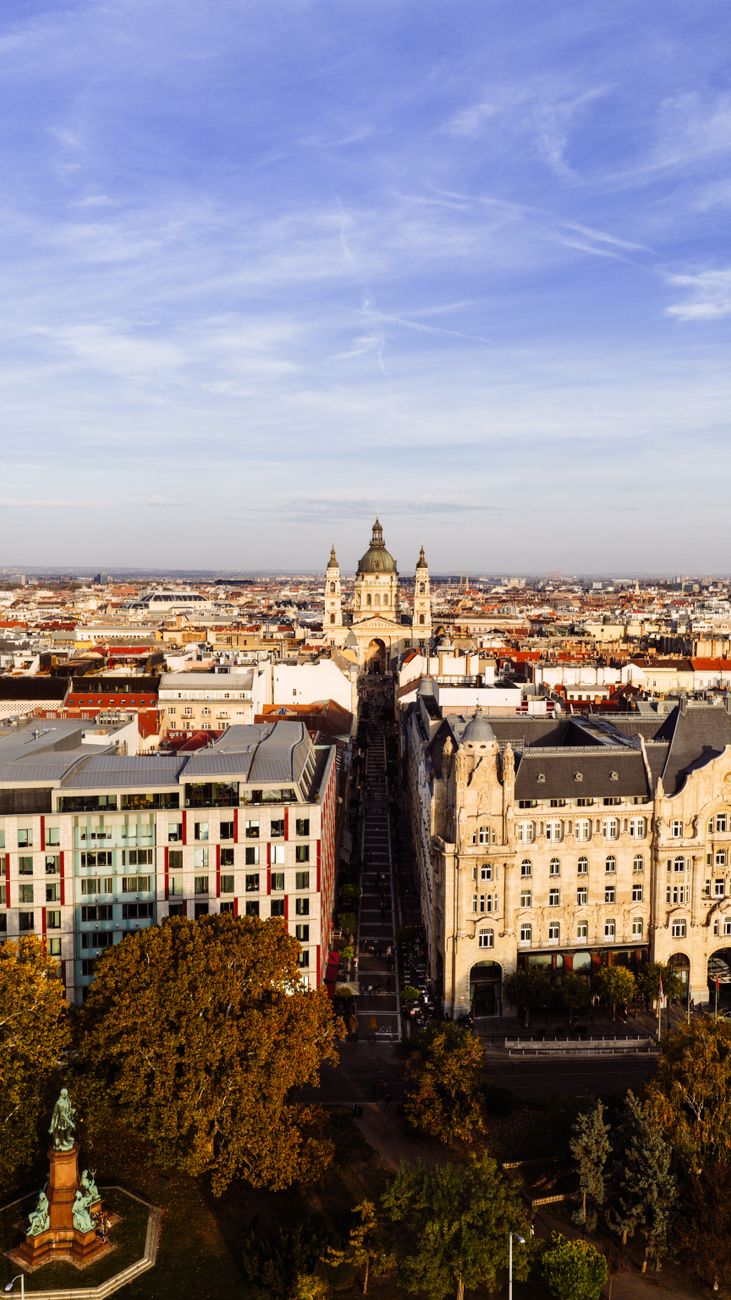
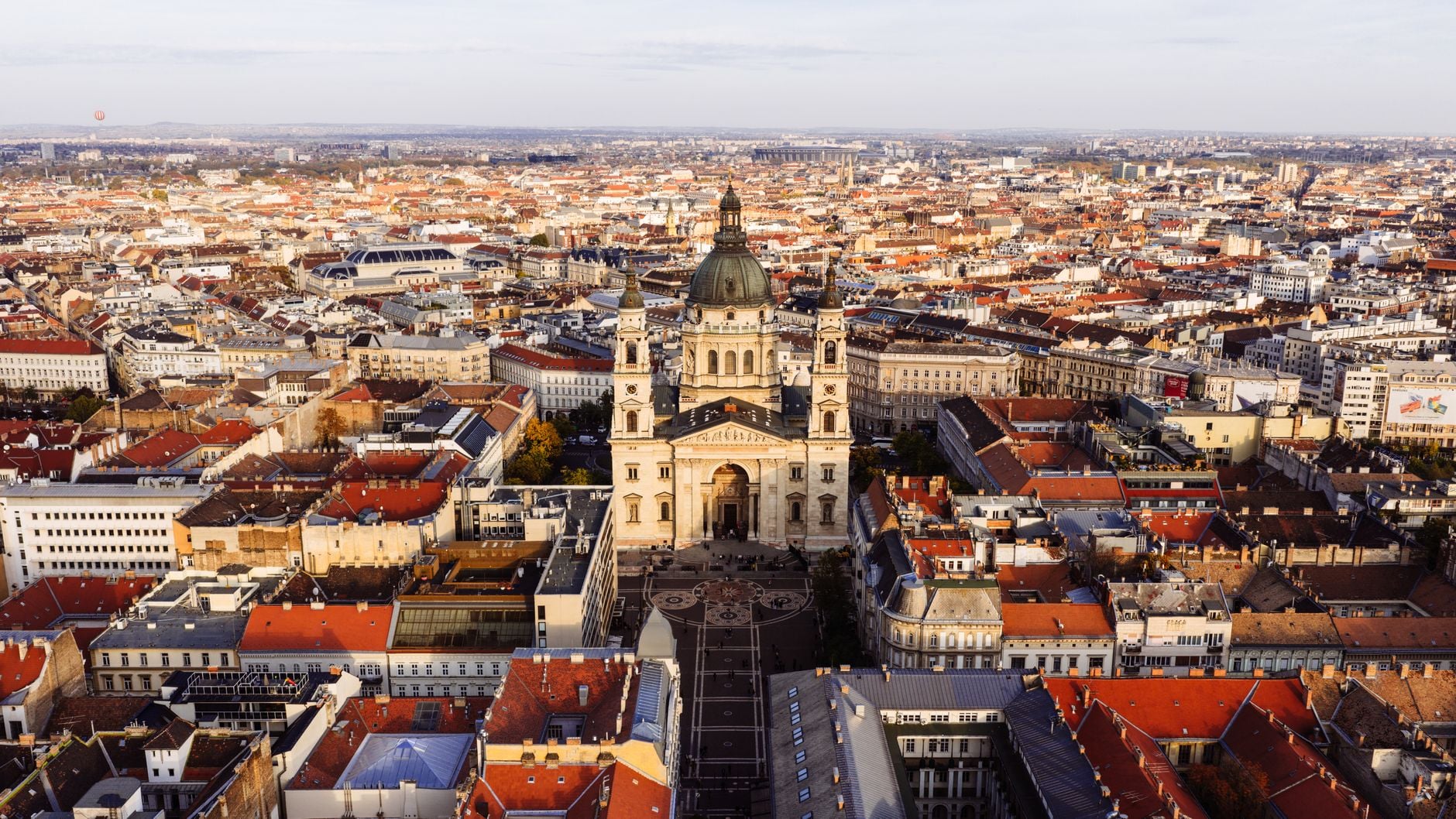
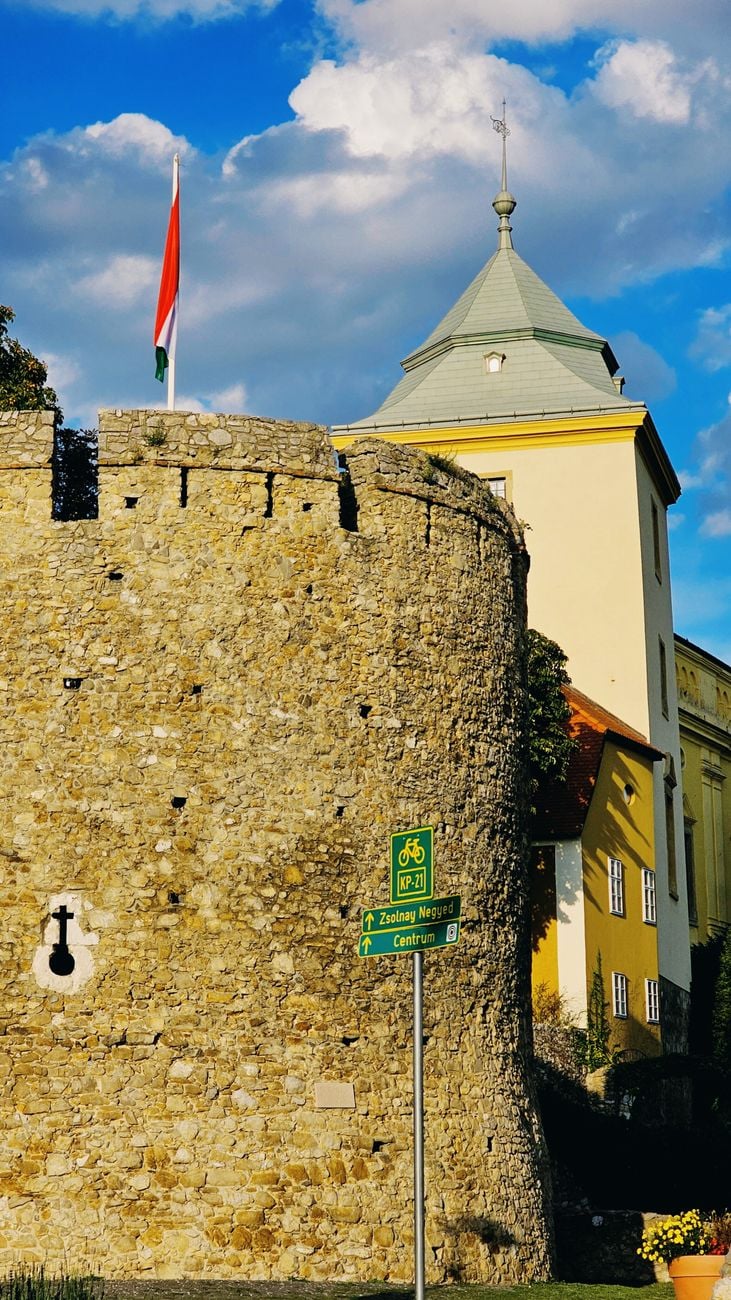
Pécs holds a special place in Hungarian geography and culture as the warmest and sunniest city in the country, earning it nicknames like "the sun city." Located in Baranya County in southwestern Hungary, approximately 190 kilometers south of Budapest, Pécs has emerged as an increasingly appealing destination for LGBTQ+ travelers seeking alternatives to Budapest's sometimes overwhelming scene. The city combines genuine historical significance with a contemporary, university-influenced cultural atmosphere that creates an unexpectedly welcoming environment.
HISTORY OF LGBTQ+ PÉCS
Hungary decriminalized homosexuality in 1961, earlier than many Western countries, though this legal change did not immediately translate to widespread social acceptance. Pécs, like most Hungarian cities outside Budapest, developed a more discreet gay scene throughout the late 20th century. The broader transition after 1989 and Hungary's EU accession in 2004 created space for more open community organizing. The Pécs LGBTQ+ community grew gradually through the 1990s and 2000s, with key venues and social groups establishing themselves by the 2010s. Pride celebrations in Pécs began as smaller, more grassroots events compared to Budapest's massive annual march, but have grown steadily.
NEIGHBORHOODS AND LAYOUT
Pécs's old town, known locally as the Belváros, forms the historic heart and is where most LGBTQ+ activity centers. Széchenyi Square (Széchenyi tér) serves as the primary gathering point and has become increasingly visible as a queer space. The streets radiating from this square—particularly Jánus Pannonius utca, Hungária utca, and Király utca—contain many of the city's bars, cafes, and cultural venues. This compact historic center is easily walkable and pedestrian-friendly.
The area around the Pécs Cathedral, one of Hungary's most important religious sites, sits just north of the main gay quarter. While the presence of this major church might seem incongruous with LGBTQ+ activity, the proximity actually reflects the city's lived reality: different communities coexist in the same urban space. South of the old town, the Mecsek district rises toward the mountains and contains primarily residential areas with some parks and hiking access.
VENUES AND NIGHTLIFE
Pécs's gay venue scene is smaller and less stable than Budapest's, with establishments sometimes changing character or closing. However, the city consistently maintains at least a few LGBTQ+-friendly or explicitly gay bars and cafes. The most established venues tend to be located in or very near Széchenyi Square and the surrounding pedestrian streets.
Romani Café and similar establishments in the old town serve as regular meeting points for the local LGBTQ+ community, offering daytime socializing as well as evening gathering space. Several bars in the center cater significantly to LGBTQ+ crowds on weekends, though they may not market themselves exclusively as gay venues. The scene tends toward the understated rather than flashy—visitors expecting the scale or intensity of Budapest's gay bars should adjust expectations accordingly.
Saunas
Saunas and bathhouses, if present and operating, may require local knowledge or online research to identify and locate. Information about such venues should be gathered through community contacts or dedicated online platforms before arrival, as these establishments often operate with minimal public advertising.
For clubbing, Pécs has several general nightclubs in the city center that welcome LGBTQ+ patrons, particularly on specific themed nights. Budapest remains the primary destination for extensive gay club scenes and circuit events, though Pécs offers sufficient options for a pleasant evening out.
PRIDE AND EVENTS
Pécs Pride typically occurs in July, usually around mid-month, though exact dates vary by year. The celebration includes a pride march through the city center, cultural programs, film screenings, and social events. The scale is modest compared to Budapest Pride, which attracts hundreds of thousands, but offers a more intimate, community-oriented experience. The Pécs Pride march has grown increasingly visible over the past decade, with larger crowds both participating and supporting.
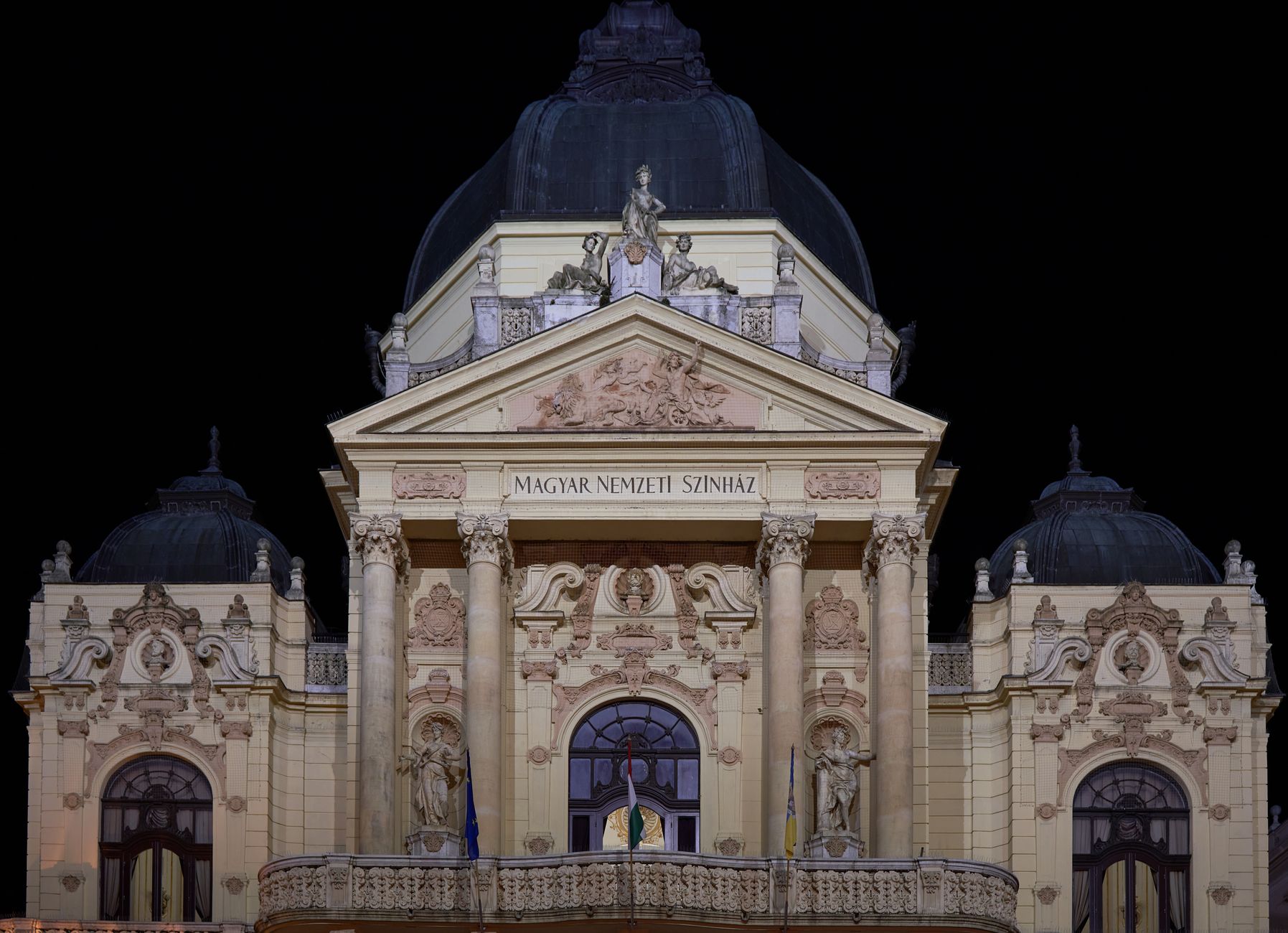
Beyond Pride, the city hosts various cultural events throughout the year that are welcoming to LGBTQ+ visitors, including film festivals, theater productions, and art exhibitions. The university's cultural calendar often includes LGBTQ+-relevant programming.
ACCOMMODATIONS
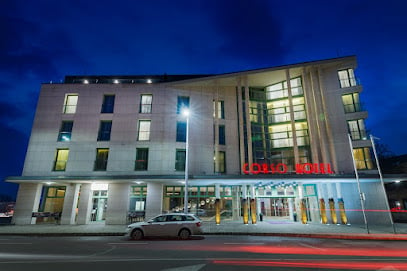
Pécs offers a range of hotels suitable for LGBTQ+ travelers, from budget options to mid-range and upscale properties. Hotels in the old town and near Széchenyi Square position visitors optimally for exploring the gay quarter. Several hotels have explicitly marketed themselves as LGBTQ+-friendly, and major international hotel booking platforms allow filtering by such designations. Guesthouses and smaller boutique hotels are also available throughout the old town.
Accommodations in central Pécs put visitors within easy walking distance of venues, restaurants, and cultural sites. Some travelers also consider staying in nearby thermal spa towns like Harkány or Villány wine region accommodations, using Pécs as a day-trip destination or hub.
Pécs has a regional airport with limited connections, primarily to Budapest and some European cities. Most international visitors arrive via Budapest Ferenc Liszt Airport, then travel overland. The train journey from Budapest to Pécs takes approximately 2.5 to 3.5 hours depending on connections, with multiple daily services. The main train station (Pécs pályaudvar) is located south of the old town, roughly a 15-minute walk or short taxi ride to the city center.
Local transportation within Pécs relies on buses, trams, and walking. The old town is highly walkable and contains most points of interest. Public transportation is inexpensive and reliable. Taxis are available and relatively affordable for trips outside the walking-friendly center.
SAFETY CONSIDERATIONS
Hungary, like many Central European countries, has a mixed record regarding LGBTQ+ rights and social attitudes. While legal protections exist and major cities remain generally safe for LGBTQ+ visitors, social conservatism remains significant outside progressive urban circles. Public displays of affection between same-sex couples may attract unwanted attention in some contexts, though this is less pronounced in Pécs's university-influenced, relatively cosmopolitan environment than in rural areas.
Pécs itself has no particular reputation for hostility toward LGBTQ+ visitors, and the community's visible presence in the city center suggests a degree of established tolerance. Standard urban safety precautions apply—awareness of surroundings, avoiding isolated areas late at night, and using registered taxis or public transportation after dark.
FOOD AND DINING
Pécs offers excellent dining options reflecting both Hungarian cuisine and international influences. The old town contains numerous restaurants, cafes, and traditional Hungarian establishments. Several restaurants have become known as particularly welcoming to LGBTQ+ diners, though the broader dining scene is generally inclusive.
Traditional Hungarian dishes—paprikash, goulash, langos, and traditional pastries—are widely available. The city's proximity to Villány, one of Hungary's premier wine regions, means excellent local wines accompany meals. Thermal spas and wine tourism in the region offer opportunities to combine LGBTQ+ socializing with broader cultural and culinary experiences.
DAY TRIPS AND REGIONAL EXPLORATION
Pécs serves as an excellent base for exploring surrounding areas:
Villány Wine Region: Located approximately 40 kilometers south, this renowned wine region features over 60 wineries. Wine tastings, vineyard visits, and wine bar socializing in Villány town itself offer pleasant day-trip or overnight experiences.
Harkány Thermal Bath: About 35 kilometers south, Harkány operates one of Hungary's most famous thermal spas. The bath is known for being welcoming to LGBTQ+ visitors, offering a relaxing thermal experience with social opportunities.
Mecsek Mountains: Rising directly north of Pécs, the Mecsek range offers hiking trails, forest walks, and scenic overlooks. The Television Tower at the summit provides panoramic city views. These mountains provide outdoor recreation accessible from the city center.
Bikal Lake Area: While further afield, the Balaton region's LGBTQ+ scene and infrastructure make it feasible as a longer day trip or overnight extension.
MODOVAR: The ancient Roman settlement of Modavar, located south of Pécs, offers archaeological interest for those interested in historical sites.
CULTURAL ATTRACTIONS
Beyond the LGBTQ+ scene, Pécs contains numerous cultural and historical attractions that enhance any visit:
The Pécs Cathedral: One of Hungary's most important religious structures, featuring remarkable architecture and religious art.
Museums: Including the Vasarely Museum (dedicated to Op Art pioneer Victor Vasarely), Modern Art Museum, and various smaller cultural institutions.
Early Christian Mausoleum: UNESCO-listed ancient Roman ruins reflecting the city's deep historical significance.
The Synagogue: A beautiful 19th-century structure reflecting the city's former Jewish community.
These cultural sites are distributed throughout the old town and immediately accessible from the gay quarter.
COMMUNITY RESOURCES
Before visiting, checking online LGBTQ+ travel forums, local community social media groups, and dedicated travel sites provides current information about venues, events, and community contacts. Social media groups dedicated to Pécs often have LGBTQ+ members willing to provide local guidance. Hungarian-language social media may offer more current venue information than English-language sources.
The LGBTQ+ community in Pécs remains relatively small and tight-knit, meaning personal connections and local recommendations often prove more valuable than guidebook listings for discovering authentic experiences.
Frequently asked questions
Hungary decriminalized homosexuality in 1961, but social acceptance has developed gradually. While Pécs has an increasingly visible queer space, it's important to be aware of the broader context of LGBTQ+ rights and acceptance in Hungary.
Most LGBTQ+ activity centers in the Belváros, the historic heart of Pécs. Széchenyi Square is a primary gathering point, with bars, cafes, and cultural venues found on radiating streets like Jánus Pannonius utca, Hungária utca, and Király utca.
Pécs's gay venue scene is smaller and less stable than Budapest's, with establishments sometimes changing character or closing. However, the city consistently maintains at least a presence.
Pride celebrations in Pécs began as smaller, more grassroots events and have grown steadily. Specific dates vary annually, but they generally occur at a different time than Budapest's larger march.
The provided guide does not mention specific LGBTQ+-friendly hotels in Pécs. Travelers may need to research general hotel options within the central, walkable historic district.
While Pécs has a growing LGBTQ+ community and venues, the scene is smaller and less stable than in larger cities. You can find some bars and cafes in the historic center, particularly around Széchenyi Square.
Your privacy choices.
We use cookies to run GayOut and, with your consent, measure usage. Learn more
Your privacy choices
We use cookies to keep GayOut running, remember your preferences, and (with your permission) measure how the site is used. You can accept all, reject all, or pick what you allow. Learn more
Essential
Required for sign-in, fraud prevention, CSRF protection and remembering your language. Cannot be disabled.
Always on
Remembers your favourites, dark mode and other interface preferences across visits.
Helps us understand which pages people visit (Google Analytics, server-side stats) so we can improve.
Used by campaign tracking pixels. None are active right now, reserved for future use.
Install GayOut
Add GayOut to your home screen for faster access, offline favourites, and Pride alerts.


 Gay-Friendly Hotel
(1406)
Gay-Friendly Hotel
(1406)