Everything worth knowing before you go.
LGBTQ+ status
Some caution
Budapest's LGBTQ+ history is marked by the transition from communism to EU integration. While same-sex relationships were decriminalized in 1961, societal acceptance has varied. The contemporary gay scene emerged in the 1990s and 2000s, with venues establishing themselves in the Jewish Quarter. Today, Budapest hosts a significant LGBTQ+ community, though national policies have impacted protections. The city, particularly its younger demographics and international residents, generally offers an open atmosphere.
District VII, the Jewish Quarter, is the focal point of Budapest's LGBTQ+ scene, with most bars, clubs, and cafes concentrated around Kazinczy Street. This area combines historic architecture with contemporary businesses, creating a distinct ambiance. The neighborhood is easily navigable on foot and well-connected by public transport. District VI, adjacent to the Jewish Quarter, offers additional nightlife options.
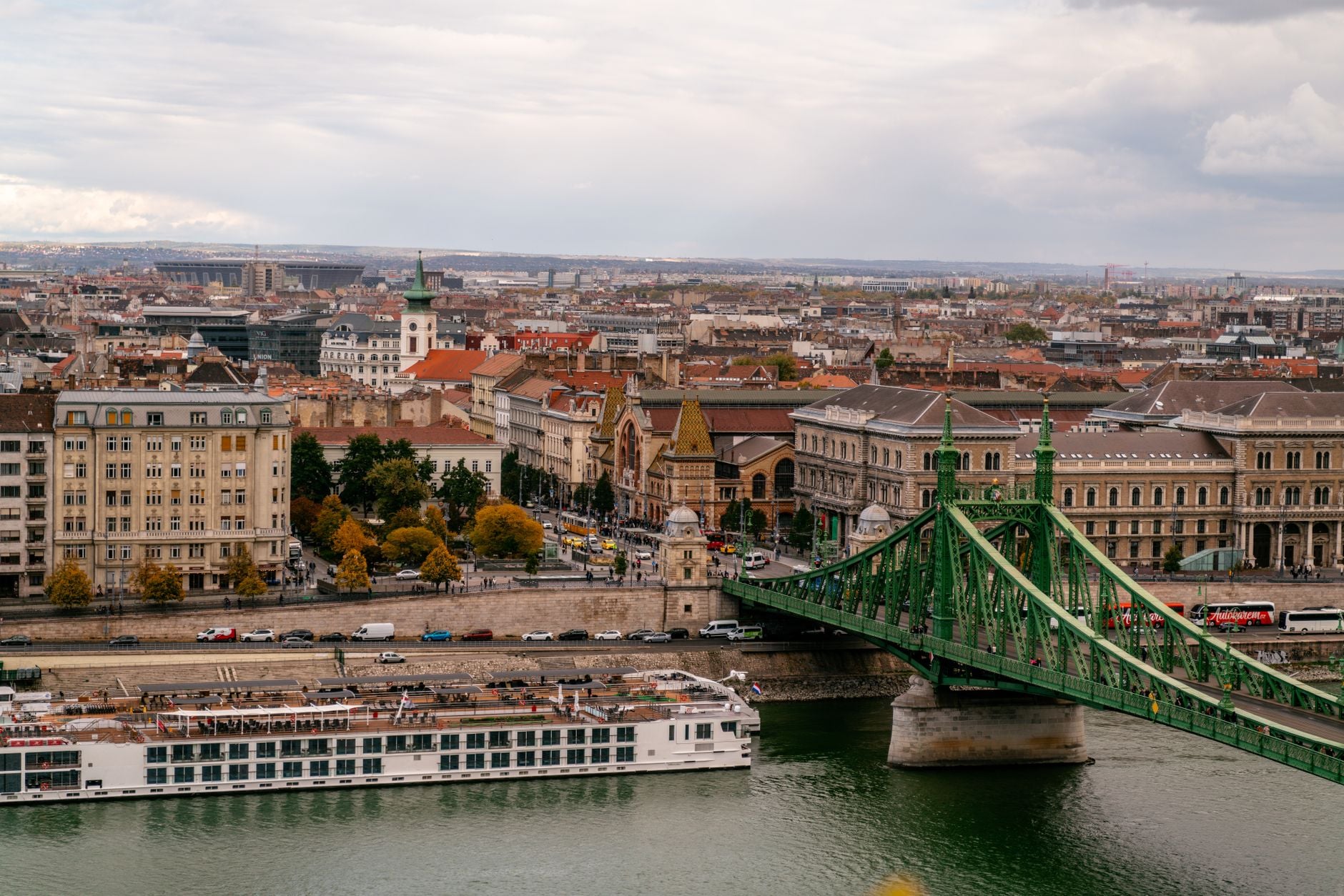
District V, the Inner City, situated near the Danube, is a practical base with numerous hotels, restaurants, and cultural sites. While not a dedicated LGBTQ+ neighborhood, it provides central access to the gay quarter via a short walk or metro ride.
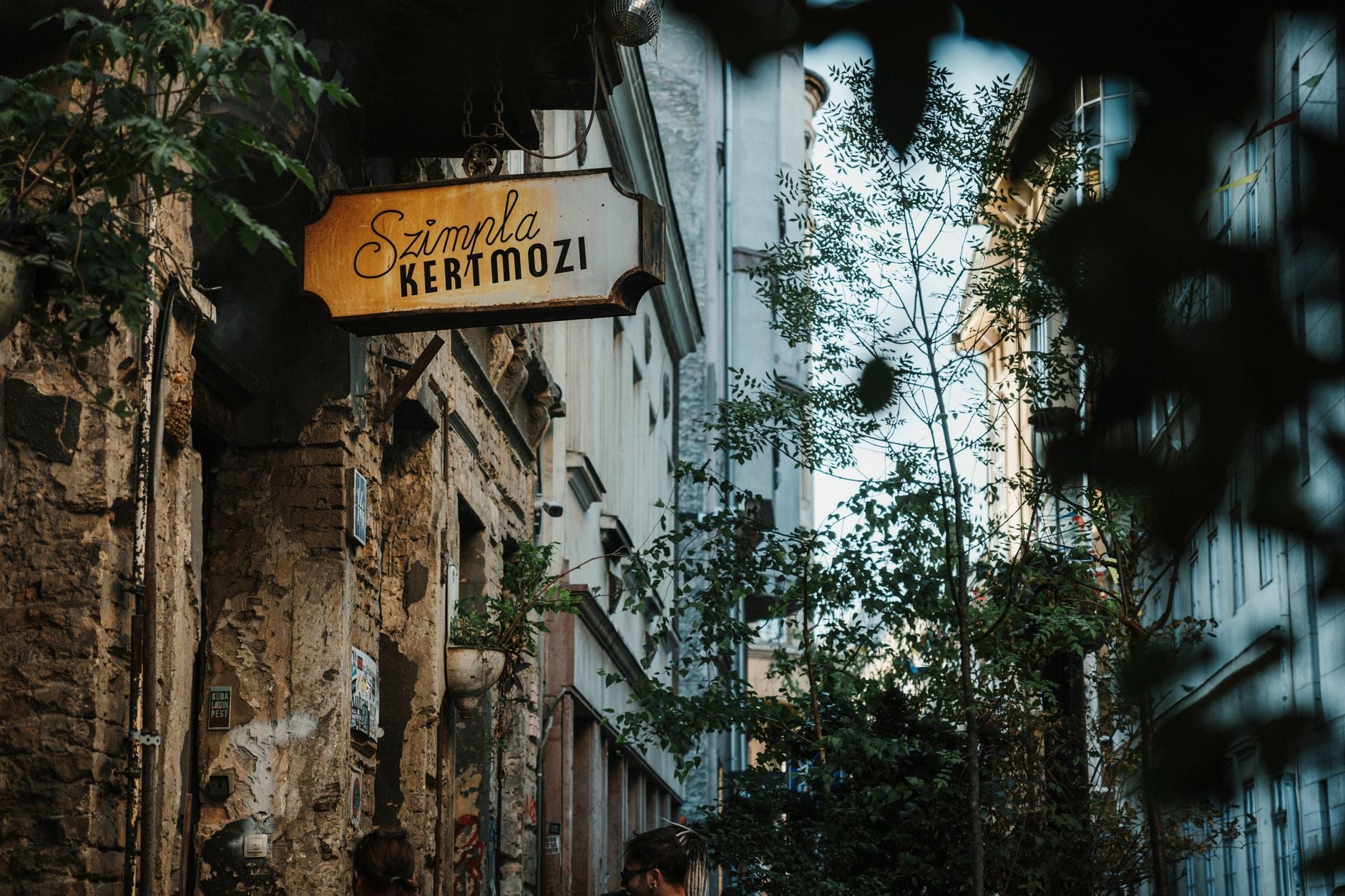
Kazinczy Street is home to several established LGBTQ+ venues. AirBrush is a popular bar on Kazinczy Street known for its mixed clientele. Alterego is another well-regarded bar in the Jewish Quarter. For nightlife, venues like Kolektif Mühendislik and others host LGBTQ+-friendly events and parties, with specific club nights often changing. Many establishments function as bars in the early evening before transitioning to club settings with DJs later on.
Budapest's thermal baths, while not exclusively LGBTQ+ spaces, are frequented by visitors and locals. Széchenyi Thermal Bath, located in City Park, is a large public thermal complex. Gellért Thermal Bath, on the Buda side, offers a similar experience in a more contained setting. These baths are popular daytime destinations for LGBTQ+ travelers seeking a unique local experience.
Budapest Pride occurs annually in July, typically over a week, featuring marches, parties, cultural programs, and exhibitions. The main parade attracts thousands of participants. Major clubs and bars organize official Pride parties, with numerous other events taking place throughout the week. Pride in Budapest has grown considerably and remains the city's largest LGBTQ+ celebration. Throughout the year, LGBTQ+ venues host regular themed nights and parties.
The Inner City (District V) provides a wide selection of hotels and accommodations within proximity to major attractions. This area is central and safe, though not specifically LGBTQ+-focused. Accommodation options range from luxury to budget. Staying in or near District VII (the Jewish Quarter) offers direct access to the LGBTQ+ scene. This neighborhood has smaller hotels and guesthouses, providing convenient access to bars and clubs.
Airbnb and other vacation rental platforms offer diverse accommodation choices across the city. Many apartments in central districts are available at various price points.
Budapest's public transport network comprises metro, tram, and bus lines, all accessible with a single ticket system. The metro is efficient for reaching most key areas. Taxis and ride-sharing services are available and reasonably priced. Central districts, particularly V, VI, and VII, are walkable. From Ferenc Liszt International Airport, the 100E bus provides direct service to central Budapest. Transport cards for 24 or 72 hours are recommended for multi-day stays.
Budapest's city center is generally safe for LGBTQ+ travelers, especially in tourist areas and the Jewish Quarter. Standard urban precautions are advised. Public displays of affection are typically safe in the gay quarter and central districts, though discretion is recommended elsewhere. While national government policies have become more restrictive regarding LGBTQ+ rights, these do not directly impact tourists. Legal protections in Hungary are less extensive than in Western Europe. Nevertheless, Budapest's LGBTQ+ community remains active, and many LGBTQ+ tourists visit annually without incident.
Budapest's culinary landscape spans traditional Hungarian dishes like goulash and lángos to contemporary restaurants. Many LGBTQ+-friendly cafes and eateries are found in the Jewish Quarter and surrounding areas. Ruin bars, informal drinking establishments in repurposed buildings, are a local feature and often attract diverse crowds. Street food markets offer accessible local cuisine. The Great Market Hall is a historic venue for fresh produce and ready-to-eat food. Cafes throughout the city serve coffee and pastries.
Lake Balaton, Central Europe's largest lake, is located approximately 100 kilometers southwest of Budapest and is accessible by train. The town of Siófok has a summer beach culture that attracts LGBTQ+ visitors. The Danube Bend towns of Visegrád and Esztergom offer scenic views and historical sites, reachable by train or organized tours. These locations are suitable for day trips but have limited specific LGBTQ+ infrastructure.
Beyond the LGBTQ+ scene, Budapest offers numerous cultural attractions, including the Parliament Building, Buda Castle, Fisherman's Bastion, and various museums. The Shoes on the Danube Bank memorial is a significant historical site. LGBTQ+-themed cultural events and exhibitions are sometimes held, often advertised through local LGBTQ+ venues and tourism websites.
The currency is the Hungarian Forint (HUF), with ATMs readily available. English is spoken in tourist areas and by younger Hungarians. Many establishments in central areas have English-speaking staff or menus. EU, US, Canadian, Australian, and many other nationalities do not require a visa for stays under 90 days. Summers are warm (25-30°C / 77-86°F), with July and August being peak tourist months. Spring and autumn offer milder weather and fewer crowds. Winters are cold. Hungarian is the official language, but learning basic phrases is appreciated rather than essential in tourist zones. Translation apps are useful.
July is the primary month for Pride and summer events, coinciding with peak tourist season and higher prices. June and September offer pleasant weather with fewer crowds.


 Gay Bars & Clubs
Featured
(3056)
Gay Bars & Clubs
Featured
(3056)