
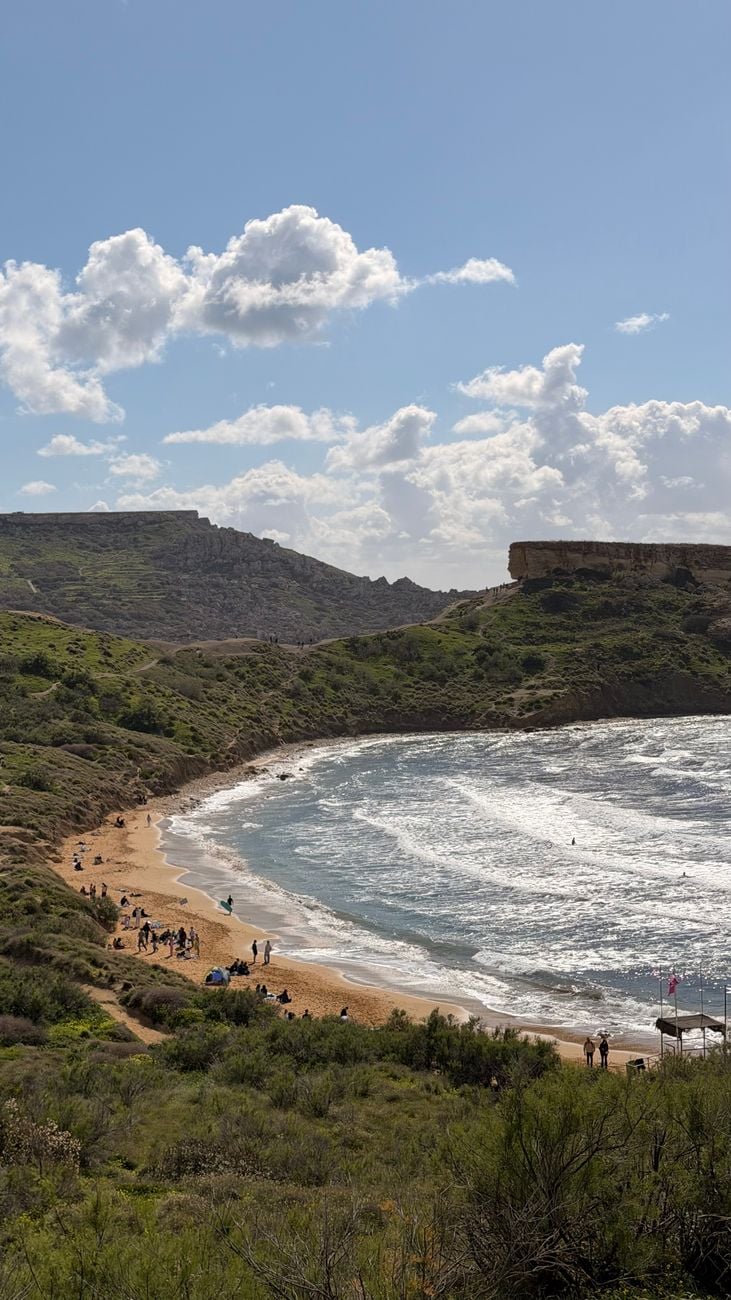
 Praias Gays acolhedores

Gay Gozo 2026
Guia de Viagem LGBTQ+ e Diretório de Cidades · Gozo
37,000 habitantes
21:29 GMT+02:00
Ver no Maps
24°C · Partly cloudy
EUR €
CTA · 174 km
Monte uma viagem de 3 dias em Gozo
1 Praias Gays
14 Hotéis Gay-Friendly
1 Organizações LGBTQ+
Situação legal LGBTQ+ em Malta
Baseado nas leis nacionais em 2025
82/100
LGBTQ+ friendly
Legal 60/60 · Scene 22/40 · Malta national score
Malta — Gay Travel Index profile →
Compare 208 países →
Legal rights details
✓
Relações entre pessoas do mesmo sexo legais
✓
Idade de consentimento igual
✓
União estável
✓
Casamento entre pessoas do mesmo sexo
✓
Direito à adoção
✓
Lei antidiscriminação
✓
Mudança legal de gênero
Classificado em #1 na Europa no Índice Arco-Íris da ILGA-Europe. Casamento entre pessoas do mesmo sexo e adoção plena desde 2017; reconhecimento de gênero por autodeclaração desde 2015 (primeiro na Europa); terapia de conversão proibida em 2016; proteções abrangentes contra discriminação e para intersexuais.
Nunca perca um evento gay em Gozo
Um e-mail por semana — a programação do fim de semana, festas e promoções. Sem spam, cancele a qualquer momento.
Weekly event updates. Notifications appear on your lock screen.
On iPhone: first add GayOut to your Home Screen (Share → Add to Home Screen), then open it from there to enable notifications.
Praias Gays acolhedores em Gozo
Praias Gays acolhedores
Hotéis Gay-Friendly em Gozo
Ver todos 14 →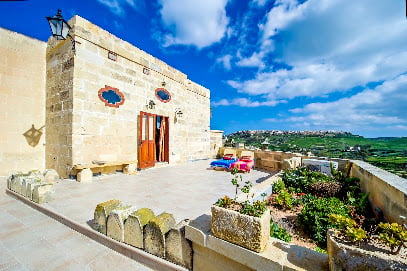 Hotel Gay-Friendly
Em destaque
(57)
Hotel Gay-Friendly
Em destaque
(57)
Dar tal-Kaptan Boutique Maison
Ghasri
gay-men
lgbtq-owned
safe-space
Verificado pelo GayOut
Set 2026
 Hotel Gay-Friendly
(231)
Hotel Gay-Friendly
(231)
BLOCK Hotel Gozo Malta
Hotel Gay-Friendly
Hotel LGBTQ+-friendly em Gozo oferecendo hospedagem à beira-mar no Mediterrâneo.
gay-friendly
mixed-lgbtq
wifi
LGBTQ+ friendly
Set 2026
 Hotel Gay-Friendly
(222)
Hotel Gay-Friendly
(222)
Hotel La Playa
Hotel Gay-Friendly
Hotel acolhedor para gays em Gozo oferecendo hospedagem em um cenário pitoresco de ilha mediterrânea.
gay-friendly
mixed-lgbtq
gay-popular
LGBTQ+ friendly
Set 2026
 Hotel Gay-Friendly
(748)
Hotel Gay-Friendly
(748)
Saint Patrick's Hotel Gozo
Hotel Gay-Friendly
Hotel LGBTQ+-friendly na Gozo Island oferecendo hospitalidade mediterrânea em um cenário costeiro cênico.
gay-friendly
year-round
card-payments
LGBTQ+ friendly
Set 2026
Onde ficar em Gozo
via Stay22Onde ficar em Gozo
Loading map…
🎟️ Tours e experiências em Gozo
via GetYourGuideIngressos sem fila, tours a pé, bate-volta e experiências LGBTQ+ friendly únicas — reserva imediata com cancelamento grátis.

- Cancelamento grátis
- Reserve agora, pague depois
- Ingressos no celular
Organizações LGBTQ+ em Gozo
 Organizações LGBTQ+
Em destaque
(7)
Organizações LGBTQ+
Em destaque
(7)
LGBTI+ Gozo
Victoria
LGBTQ+ bar and club venue in Gozo offering a welcoming space for the local and visiting community.
lgbtq
safe-space
community-space
Verificado pelo GayOut
Set 2026
Mais guias para Gozo
Bares e Clubes Gays em Gozo
Bares e Clubes Gay em Gozo: Seu Guia Essencial para a Vibrante Cena LGBTQ+ da Ilha Gozo, a charmosa ilha irmã de Malta, pode ser conhecida por sua serena
Hotéis Gay em Gozo
Gozo Amiga dos Gays: Seu Guia de Fuga na Ilha Gozo, a charmosa ilha irmã de Malta, está rapidamente florescendo como um destino sereno e vibrante para a comunidade LGBTQ+
Guia de viagem
Gay Gozo — Seu guia completo
Tudo o que vale saber antes de ir.
Queer-welcoming spots
16
LGBTQ+ status
Welcoming
Neste guia · 12 seções
Gozo: Um Guia para Viajantes LGBTQ+
Gozo tem sido há muito tempo ofuscada pela sua vizinha maior, Malta, mas para viajantes LGBTQ+ que procuram um tipo diferente de escapadela mediterrânica, a ilha oferece um apelo genuíno. Embora lhe faltem os locais gay concentrados de Valletta ou a cena de resorts de Sliema, Gozo compensa com beleza natural, autenticidade cultural e uma atmosfera cada vez mais acolhedora para visitantes LGBTQ+.
História e Contexto
Malta e Gozo descriminalizaram as relações entre pessoas do mesmo sexo em 1973, tornando-as relativamente progressistas para os padrões europeus na época. No entanto, a forte herança católica do país significou que a aceitação social se desenvolveu mais gradualmente. O ponto de viragem ocorreu na década de 2010, com a legalização das uniões civis entre pessoas do mesmo sexo em 2014 e a igualdade matrimonial plena alcançada em 2017 – o primeiro país mediterrânico a fazê-lo. Este quadro legal criou uma base para o turismo LGBTQ+ e para a vida comunitária em todas as ilhas.
A cena LGBTQ+ de Gozo desenvolveu-se de forma diferente da ilha principal de Malta. Em vez de distritos gay concentrados, a aceitação tem sido mais difusa e impulsionada pela comunidade. A população mais pequena e unida da ilha significa que pessoas LGBTQ+ locais e aliados trabalham frequentemente de forma informal para acolher os visitantes através de pensões, restaurantes e hospitalidade em geral. Na última década, especialmente desde a igualdade matrimonial, Gozo tem atraído um número crescente de visitantes LGBTQ+ e alguns negócios de propriedade LGBTQ+ abriram portas.

Geografia e Deslocações
Gozo abrange apenas 67 quilómetros quadrados e tem uma população de cerca de 31.000 habitantes. A cidade principal é Victoria (também chamada Rabat), construída em torno de uma impressionante cidadela fortificada. Outras povoações significativas incluem Xlendi, uma pitoresca vila piscatória popular entre os visitantes, San Lawrenz a oeste e Marsalforn na costa norte.
Para chegar a Gozo, é preciso apanhar um ferry na ilha principal de Malta. A Gozo Channel Company opera ferries regulares do Porto de Mgarr para o porto de Mgarr em Gozo, com partidas a cada 30 minutos durante o dia (menos frequentes no inverno). A travessia demora cerca de 20 minutos. Os custos do ferry são modestos (cerca de 4-5 euros para passageiros a pé). Uma vez em Gozo, a maioria dos visitantes aluga carros, scooters ou utiliza os autocarros locais e táxis, embora a ilha seja pequena o suficiente para ser explorada a pé a partir de uma base central.
Bairros e Onde Ficar
Victoria é o coração administrativo e cultural de Gozo. A cidadela domina o horizonte, e a cidade circundante oferece restaurantes, lojas e locais culturais. Várias guesthouses acolhedoras para a comunidade LGBTQ+ estão localizadas aqui ou nas proximidades, e serve como uma base lógica para explorar a ilha. No entanto, Victoria pode parecer turística, especialmente em torno da cidadela.
Xlendi é adorada pelo seu porto pitoresco, restaurantes à beira-mar e atmosfera boémia. A aldeia tem menos turistas dedicados do que Victoria, mas atrai visitantes que procuram uma experiência mais autêntica de aldeia piscatória. Viajantes LGBTQ+ preferem muitas vezes ficar em Xlendi pela sua atmosfera, embora as opções de alojamento sejam mais limitadas.
San Lawrenz e Marsalforn oferecem alternativas mais tranquilas. San Lawrenz é conhecida pelo Ta' Dbiegi Crafts e pela cultura artesanal local, enquanto Marsalforn proporciona uma base focada na praia com mergulho e desportos aquáticos. Ambas atraem viajantes que procuram tranquilidade em vez de vida noturna.
Para alojamento, vários pequenos hotéis e guesthouses acolhem ativamente hóspedes LGBTQ+. Recomendações específicas devem ser pesquisadas através de plataformas de viagens atuais como TripAdvisor, Booking.com e sites dedicados a viagens LGBTQ+, pois o cenário evolui. Geralmente, os estabelecimentos em Victoria e Xlendi tendem a estar mais habituados a viajantes diversos.

Locais e Cena LGBTQ+
Gozo não possui bares, discotecas ou saunas exclusivamente dedicados à comunidade LGBTQ+. Esta é uma diferença significativa em relação à ilha principal de Malta, onde locais como Michelangelo, Café Society e outros servem a comunidade. No entanto, esta ausência não significa que Gozo seja inóspita – pelo contrário, a vida social LGBTQ+ é mais informal e integrada no setor geral da hospitalidade.
Muitos restaurantes, cafés e bares em Victoria e Xlendi são frequentados por locais e visitantes LGBTQ+. A âncora mais concreta é a LGBTI+ Gozo, a organização LGBTQ+ da ilha, que gere o centro comunitário Qawsalla (Rainbow) em Victoria e abriu uma clínica gratuita de saúde sexual; a sua página de Facebook é a melhor fonte para encontros comunitários. Na vizinha Qala, o Que Bar acolheu o primeiro encontro abertamente queer de Gozo em 2025 e continua a ser um local descontraído e acolhedor para uma bebida. Para além disso, recomendações específicas flutuam, pelo que vale a pena perguntar na sua acomodação – os proprietários de guesthouses locais muitas vezes conhecem os locais acolhedores atuais.
Para vida noturna especificamente gay, os visitantes LGBTQ+ geralmente apanham o ferry para Malta (20 minutos) para saídas noturnas. Isto torna uma viagem baseada em Gozo prática apenas para aqueles que se contentam com uma cena social mais tranquila, ou para aqueles que combinam o apelo diurno de Gozo com os locais noturnos de Malta.
Eventos e Orgulho
O Malta Pride acontece todos os anos em setembro, centrado na ilha principal em torno de Valletta – o país acolheu o EuroPride em 2023, um reflexo do progresso da vida LGBTQ+ aqui. Crucialmente, Gozo organiza agora o seu próprio evento: o Gozo Pride, também realizado em setembro em Victoria, com uma aldeia do Orgulho em Villa Rundle, uma marcha pelo centro da cidade e atuações na Independence Square. É organizado pela LGBTI+ Gozo, a ONG LGBTQ+ da ilha, que também gere o centro comunitário Qawsalla (Rainbow) em Victoria. Muitos gozitanos ainda atravessam para Malta para a semana nacional maior do Orgulho, mas a ilha já não fica de fora do Orgulho.
Outros eventos culturais (festivais de cinema, teatro) acontecem ao longo do ano em ambas as ilhas e são geralmente inclusivos para a comunidade LGBTQ+, embora nem sempre sejam especificamente direcionados a esse público. Os viajantes devem consultar a programação dos eventos mais perto das datas da sua viagem.

O que Ver e Fazer
Gozo é principalmente um destino de beleza natural e exploração cultural. A Azure Window perto de Dwejra — um arco natural de calcário que foi um dos marcos mais fotografados do Mediterrâneo — desmoronou no mar durante uma tempestade em março de 2017, mas a costa circundante de Dwejra, com o seu Inland Sea e Fungus Rock, continua dramática e popular entre mergulhadores. As falésias de Ta' Dbiegi oferecem vistas costeiras deslumbrantes. As Xlendi Cliffs proporcionam oportunidades para caminhadas e fotografia.
Os locais culturais incluem a Cidadela em Victoria, com a sua catedral e museus, os Templos de Ggantija (entre as estruturas mais antigas da Europa, anteriores a Stonehenge) e inúmeras igrejas paroquiais. A ilha tem uma forte tradição artesanal, com oficinas em San Lawrenz e outras aldeias.
As praias são menores e menos desenvolvidas do que na ilha principal de Malta, mas locais como Dwejra Bay e Xlendi oferecem natação e snorkeling. O mergulho é excelente em Gozo, com inúmeros locais a atrair entusiastas.
Comida e Bebida
A cultura gastronómica de Gozo reflete as tradições mediterrânicas e maltesas: peixe fresco, guisados de coelho, ftira (pão local) e pastizzi (salgados). Xlendi alberga numerosos restaurantes à beira-mar que servem peixe e marisco. Os restaurantes de Victoria variam do casual ao sofisticado. Existem opções vegetarianas e veganas, embora Gozo seja mais focado em carne e marisco. Viajantes LGBTQ+ não devem experienciar qualquer discriminação na restauração e encontrarão muitos proprietários calorosos e acolhedores.

Passeios de um dia a partir de Gozo
A 20 minutos de ferry, Gozo liga-se à ilha principal de Malta. Do terminal de ferry em Mgarr, os visitantes podem explorar Valletta (a capital, com museus, galerias e vida noturna), Sliema (zona balnear com lojas e restaurantes), Mdina (cidade medieval fortificada) ou inúmeros outros locais. Muitos viajantes LGBTQ+ estabelecem a sua base em Gozo, mas passam as noites ou dias inteiros em Malta a explorar a história, a vida noturna ou outras atrações.
Segurança e Quadro Legal
Malta é legalmente e, em geral, segura para a comunidade LGBTQ+. O casamento entre pessoas do mesmo sexo é legal, existem proteções antidiscriminação e o país possui uma infraestrutura estável e segura. Gozo beneficia do quadro legal progressista de Malta. Pequenos furtos (carteiristas) podem ocorrer em zonas turísticas, mas o crime violento é raro. Aplicam-se as precauções de viagem normais. Viajantes LGBTQ+ não devem sofrer qualquer perseguição legal ou social, embora, tal como em qualquer outro lugar, demonstrações públicas de afeto possam atrair atenção em áreas mais conservadoras – geralmente atenção respeitosa em vez de hostil.

Informações Práticas
Língua: Maltês e inglês são ambas línguas oficiais; o inglês é amplamente falado nas zonas turísticas.
Moeda: Euro (Malta utiliza o EUR).
Clima: Mediterrânico; verões quentes (julho-agosto podem exceder os 30°C), invernos amenos. A primavera e o outono são as épocas ideais para viajar.
Visto: Cidadãos da UE não necessitam de visto. Cidadãos dos EUA, Canadá e Austrália podem permanecer sem visto para visitas curtas; verifique os requisitos atuais.
Transporte: Alugue um carro ou scooter para ter flexibilidade, ou dependa dos autocarros locais e táxis. A ilha é pequena o suficiente para exploração a pé a partir de uma localização central.
Para Quem é Gozo
Gozo atrai viajantes LGBTQ+ em busca de uma escapadela mediterrânica que privilegia a natureza, a cultura e o relaxamento em detrimento de uma cena gay concentrada. É ideal para casais, pequenos grupos ou viajantes a solo que se sintam confortáveis com um panorama social mais tranquilo. Aqueles que dão prioridade à vida noturna devem alojar-se na ilha principal de Malta. Aqueles que procuram arqueologia, beleza costeira e um sentido de autenticidade encontrarão Gozo gratificante. A ilha está a tornar-se cada vez mais popular entre os visitantes LGBTQ+ à medida que a consciencialização aumenta; oferece a rara combinação de igualdade legal, aceitação geral, beleza natural e riqueza cultural sem a infraestrutura gay desenvolvida das cidades maiores.

Perguntas frequentes
Gozo é fundamentalmente seguro para viajantes LGBTQ+ devido a proteções legais progressistas, incluindo casamento entre pessoas do mesmo sexo legalizado desde 2017. No entanto, discrição é sensata em áreas rurais muito conservadoras devido ao tamanho pequeno da ilha e sua natureza tradicional.
Gozo não tem bares, clubes ou saunas gays dedicados — a vida noturna da ilha é pequena e discreta. Em vez disso, a vida LGBTQ+ passa pela comunidade: a LGBTI+ Gozo, organização LGBTQ+ da ilha, administra o centro Qawsalla (Rainbow) em Victoria, e na vizinha Qala, o Que Bar sediou o primeiro encontro queer abertamente queer de Gozo em 2025 e continua sendo um local acolhedor para uma bebida. Para uma noite gay de verdade, a maioria dos visitantes pega a balsa de 20 minutos para a ilha principal de Malta (Michelangelo em St Julian's é o principal clube gay do país).
Sim — desde cerca de 2021, Gozo realiza seu próprio Gozo Pride, realizado todo setembro em Victoria com uma vila do Orgulho em Villa Rundle, uma marcha pela cidade e apresentações na Independence Square, organizado pela LGBTI+ Gozo. O maior Malta Pride nacional também acontece em setembro, centrado em Valletta, na ilha principal (Malta sediou a EuroPride em 2023). Observe que é um evento de setembro, não de junho.
Victoria (Rabat) é o centro, lar da LGBTI+ Gozo e seu centro comunitário Qawsalla. Qala tem o acolhedor Que Bar; Ghasri, no oeste, abriga estadias em fazendas de propriedade gay, como Dar tal-Kaptan; e a secluded San Blas Bay beach perto de Nadur é o trecho de areia mais relaxado e gay-friendly da ilha. As cidades costeiras Xlendi e Marsalforn são vilas turísticas tranquilas e populares entre todos os visitantes.
A comunidade LGBTQ+ de Gozo é pequena, mas integrada. Muitos residentes se deslocam para a ilha principal de Malta para a vida noturna e eventos sociais, já que Gozo é significativamente mais tranquila e rural do que Malta.
Sim, o casamento entre pessoas do mesmo sexo é legal em Gozo desde 2017, e os direitos de adoção foram concedidos a casais do mesmo sexo em 2018. Gozo se beneficia das proteções legais progressistas de Malta.
Cidades como Gozo
Gay Gozo no YouTube
Vídeos representativos de Malta

Malta’s Gay Scene: Things You MUST Know Before You Go
Conhece um bom lugar em Gozo?
Ajude a comunidade adicionando ao nosso diretório — é grátis e revisamos em até 48 horas.