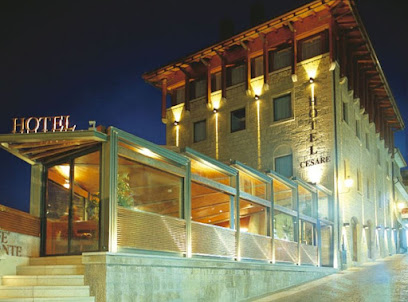
Long-established three-star hotel inside San Marino's UNESCO historic center, with views of the towers and the Adriatic plain. Professionally run, well-located, and welcoming to LGBTQ+ guests.
A large, long-established hotel in the historic centre of San Marino City, a short walk from Piazza della Libertà and the fortress towers. Comfortable and welcoming to LGBTQ+ travelers.
A well-rated mid-range hotel on the climb toward the Guaita fortress, close to the medieval old town of San Marino City. Gay-friendly and centrally located.
One of the best-reviewed hotels in San Marino City, offering panoramic views over the Apennines and the Adriatic. Comfortable, central and LGBTQ+-friendly.
San Marino: Um Guia de Viagem para a Pequena República Montanhosa da Europa
San Marino é oficialmente a Sereníssima República de San Marino, um microestado independente aninhado no Monte Titano, nos Apeninos nordeste. Com cerca de 34.000 habitantes e uma área de apenas 61 quilômetros quadrados, é um dos menores países da Europa e, segundo a tradição, uma das suas repúblicas mais antigas, fundada em 301 d.C. Para viajantes LGBTQ+, San Marino apresenta uma situação única: é um local legalmente progressista – a homossexualidade foi descriminalizada em 2004 (Lei 121) e as uniões civis entre pessoas do mesmo sexo entraram em vigor em 2019 – com leis de igualdade de idade de consentimento, mas praticamente não possui uma cena gay visível ou locais dedicados à comunidade LGBTQ+. Isso o torna um excelente destino para turismo cultural e passeios de um dia, mas não para aqueles que procuram uma vida social gay ativa.
Status Legal e Segurança
San Marino tem feito progressos legais constantes para pessoas LGBTQ+. A homossexualidade foi descriminalizada em 2004, ao abrigo da Lei 121, que mais tarde deu nome à principal associação LGBTI do país. As uniões civis entre pessoas do mesmo sexo (unioni civili) foram aprovadas em novembro de 2018 e entraram em vigor em fevereiro de 2019, concedendo aos parceiros registados direitos de herança, visitação hospitalar e de parentesco próximo; o casamento entre pessoas do mesmo sexo na sua totalidade ainda não foi promulgado, e apenas a adoção por enteados está disponível. Num referendo em 2019, os eleitores aprovaram reformas constitucionais que consagram a proteção contra a discriminação com base na orientação sexual. Em 2022, Paolo Rondelli tornou-se Capitão Regente, fazendo de San Marino um dos primeiros países do mundo com um chefe de estado abertamente gay. A idade de consentimento é igual para todas as orientações. Embora o país seja tradicionalmente católico e algo conservador nas atitudes sociais, não existem restrições legais para pessoas LGBTQ+, e a violência ou o assédio não são uma preocupação documentada para os viajantes. A principal consideração de segurança para viajantes LGBTQ+ é simplesmente que não existem locais ou bairros específicos para gays, pelo que os viajantes não devem esperar que demonstrações públicas de afeto recebam a mesma aceitação cultural que em cidades italianas maiores. Roubos e burlas visando turistas podem ocorrer no centro da cidade, mas esta é uma questão geral de segurança não relacionada com o estatuto LGBTQ+.
História da Vida LGBTQ+ em San Marino
San Marino nunca teve uma cena gay desenvolvida. Sendo um microestado com uma população permanente diminuta, o país não dispõe da densidade populacional nem da base de consumidores necessárias para sustentar bares, discotecas ou casas de banho dedicadas ao público gay. A comunidade LGBTQ+ aqui é pequena e largamente integrada na sociedade em geral, em vez de formar enclaves visíveis. A legalização das uniões civis entre pessoas do mesmo sexo em 2018-2019 resultou de processos parlamentares e referendos, em vez de ativismo de rua de base. No entanto, a associação 121 San Marino – nomeada em homenagem à lei de descriminalização de 2004 – tornou-se a principal voz de defesa dos direitos LGBTI do país. Os eventos de Pride são mínimos: não existe um San Marino Pride comparável aos das grandes cidades europeias. Em vez disso, as pessoas LGBTQ+ em San Marino tendem a socializar e a participar na cultura gay viajando para a vizinha Rimini (que acolhe o Rimini Summer Pride e tem uma cena gay de praia e alguns bares gays) ou para Bolonha (que tem uma cena LGBTQ+ mais substancial). A associação 121 San Marino desfila com o seu próprio carro alegórico no Rimini Summer Pride. Para viajantes internacionais, San Marino funciona como um destino de história e natureza, em vez de turismo gay.
Geografia e Deslocações
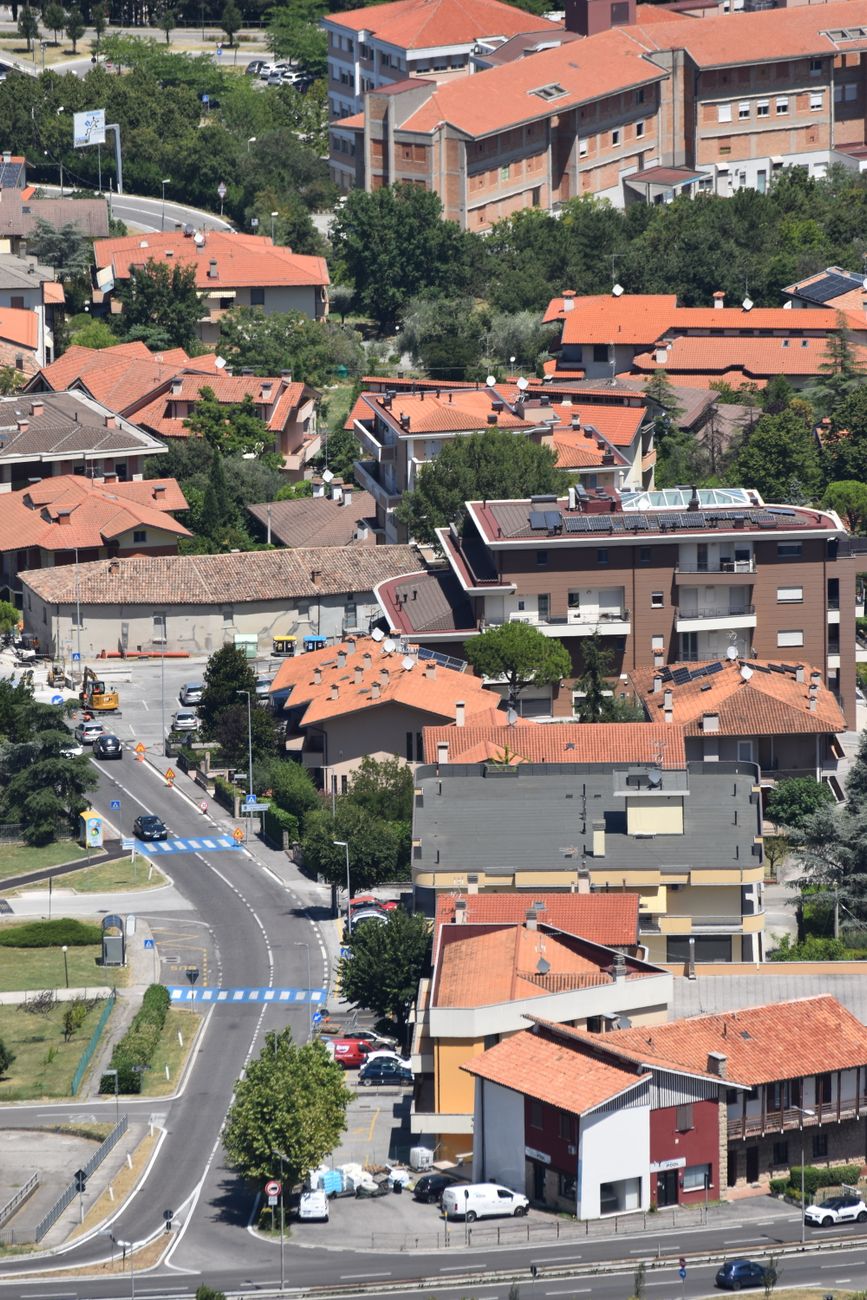
A Cidade de San Marino, a capital, situa-se a aproximadamente 750 metros de altitude no Monte Titano. O país é acedido mais facilmente a partir da Itália. O principal ponto de entrada é por estrada, vindo das regiões italianas da Emilia-Romagna ou Marche. Não há aeroporto em San Marino; os aeroportos principais mais próximos ficam em Bolonha (a cerca de 120 km) e Rimini (a cerca de 40 km). A maioria dos viajantes voa para uma destas cidades italianas e aluga um carro ou utiliza autocarros para chegar a San Marino. Um serviço de autocarros local opera dentro do país, mas é limitado. O aeroporto e a estação de comboios de Rimini são os pontos de partida mais práticos. De Rimini, a viagem até à Cidade de San Marino demora cerca de 1-1,5 horas de carro ou autocarro. A cidade em si é muito fácil de percorrer a pé e está construída em encostas íngremes, com ruas medievais sinuosas. Sapatos confortáveis para caminhar são essenciais, pois ruas de calçada e escadas dominam o terreno.
O que Ver e Fazer
As principais atrações na Cidade de San Marino são as três Rocche (torres fortalezas) que dominam o horizonte: Guaita, Cesta e Montale. Todas as três podem ser visitadas; cada uma oferece vistas dos Apeninos circundantes e, em dias claros, panoramas em direção ao Mar Adriático e às regiões centrais da Itália. A fortaleza Guaita, a mais antiga e impressionante, pode ser alcançada por um caminho de pedra íngreme. A fortaleza Cesta, no ponto mais alto, abriga um museu de armas medievais. Ambas são acessíveis aos visitantes e envolvem escalada. A cidade medieval (Centro Storico) é amigável para pedestres e repleta de pequenas lojas, restaurantes e cafés. A Basílica de San Marino, localizada na Piazza della Libertà, é o principal monumento religioso do país. A própria Piazza della Libertà é a praça pública principal e sedia eventos e mercados. O Palazzo Pubblico (Palácio Público) é a sede do governo e apresenta uma fachada neoclássica. Existem vários pequenos museus, incluindo o Museu de Vidro Antigo e museus dedicados a instrumentos de tortura e arte moderna, refletindo a peculiar estratégia turística de San Marino. Caminhadas são populares nas colinas circundantes; várias trilhas conectam San Marino às regiões italianas vizinhas e oferecem vistas do campo.
Onde Ficar
Opções de alojamento na Cidade de San Marino variam entre hostels económicos e hotéis de três estrelas. Não existem propriedades de luxo de cinco estrelas. As opções recomendadas incluem o Hotel Titano, um hotel de gama média com vistas e localização central, e várias pensões e apartamentos mais pequenos espalhados pela Cidade Velha. Muitos viajantes preferem ficar na vizinha Rimini, que oferece mais opções de alojamento, uma atmosfera de praia mais animada e locais acolhedores para a comunidade LGBTQ+, optando por fazer viagens de um dia a San Marino de autocarro ou carro. Rimini fica a cerca de 40 minutos de distância e dispõe de uma variedade de hotéis de praia, pensões gay-friendly e uma vida noturna que San Marino não possui. Para aqueles que desejam ficar em San Marino, é aconselhável reservar alojamento com antecedência durante os meses de pico do verão (junho-agosto), pois os quartos são limitados e a cidade é muito popular entre os turistas.
Comida e Restaurantes
A culinária de San Marino reflete a sua localização nos Apeninos, entre a Emilia-Romagna e as Marcas. As especialidades locais incluem cappelletti (massa recheada com carne), torta di formaggio (torta de queijo) e várias carnes curadas e queijos das regiões circundantes. O prato nacional favorito é a piadina, um pão achatado recheado com queijo e carnes, partilhado por toda a região da Romagna. Os restaurantes na Cidade de San Marino tendem a ser turísticos e moderadamente caros em comparação com as cidades italianas vizinhas. As opções gastronómicas vão desde pizzarias casuais a restaurantes mais formais. A maioria serve cozinha tradicional da Romagna e das Marcas. Opções vegetarianas e veganas existem, mas são limitadas; a cultura é focada em carne e laticínios. Os restaurantes no centro histórico oferecem vistas e ambiente, mas muitas vezes atendem a grupos turísticos. Para melhor valor e variedade, muitos viajantes optam por comer na vizinha Rimini ou noutras cidades italianas. O vinho da região de Sangiovese di Romagna está amplamente disponível.
Destinos Próximos e Viagens de Um Dia
San Marino funciona melhor como parte de uma viagem regional mais ampla. Rimini (a 30 km de distância) é o destino principal mais próximo, oferecendo praias, um calçadão, locais históricos incluindo o Tempio Malatestiano e uma cena acolhedora para a comunidade LGBTQ+, com alguns bares e beach clubs. Rimini tem uma cultura de praia de verão e uma presença modesta da comunidade, particularmente em certos beach clubs e hotéis, e acolhe o Rimini Summer Pride anual. Bolonha (a 60 km de distância) é uma cidade universitária maior com uma cena LGBTQ+ mais desenvolvida, melhores restaurantes, arquitetura renascentista e atrações culturais. Urbino (a 50 km de distância) é uma deslumbrante cidade renascentista no topo de uma colina, com arquitetura e arte. Ravena (a 70 km de distância) é famosa pelos seus mosaicos bizantinos. Todos estes destinos são acessíveis de carro ou autocarros regionais a partir de San Marino e oferecem mais comodidades e atrações do que o próprio microestado.
Eventos e Pride
San Marino não acolhe o seu próprio festival Pride. Em vez disso, pessoas LGBTQ+ samarinenses e a associação 121 San Marino juntam-se ao Rimini Summer Pride (a cerca de 30 km de distância em Itália, realizado a meio do verão), onde a associação desfila com o seu próprio carro alegórico; alguns também participam no Bologna Pride (geralmente realizado em junho). O país acolhe vários eventos culturais e desportivos ao longo do ano - nomeadamente o Palio della Balestra (competição de besta) e vários festivais de rua - mas nenhum com um foco ou apelo específico para a comunidade LGBTQ+. San Marino é mais adequado para aqueles interessados em história cultural do que para aqueles que procuram eventos específicos para a comunidade LGBTQ+.
Porquê Visitar San Marino
San Marino é um destino ideal para viajantes interessados em história medieval, vistas dramáticas do topo da colina e a novidade de visitar uma pequena república independente. Viajantes LGBTQ+ devem vir pela história e beleza, não por uma cena gay. Funciona bem como uma viagem de um dia a partir de Rimini ou Bolonha, ambas as quais oferecem mais comodidades e vida noturna amigáveis para gays. O status legal do país (uniões civis desde 2019, descriminalização desde 2004, proteção constitucional antidiscriminação e um ex-chefe de estado abertamente gay) significa que os viajantes LGBTQ+ são bem-vindos e protegidos, mas a falta de locais gays ou cultura gay visível significa que os viajantes que procuram uma vida social ativa devem basear-se noutro local e visitar San Marino pelas suas atrações culturais e históricas.
Perguntas frequentes
Sim. San Marino descriminalizou a homossexualidade em 2004 (Lei 121), reconheceu uniões civis entre pessoas do mesmo sexo em 2019 e adicionou proteção constitucional antidiscriminação por referendo no mesmo ano. É um destino calmo e seguro, sem violência documentada contra a comunidade LGBTQIA+. A principal ressalva é que esta pequena república, tradicionalmente católica, não possui estabelecimentos voltados especificamente para o público gay, sendo mais adequada para passeios culturais do que para a vida noturna.
Não, não há um bairro gay designado em San Marino City. A cidade funciona como um distrito histórico unificado onde todos os visitantes e residentes se misturam livremente.
San Marino City não possui bares ou casas noturnas gays dedicados. A cena social é discreta e integrada ao setor geral de hospitalidade, com muitos restaurantes e cafés na área central acolhendo clientes LGBTQ+.
Em vez de locais dedicados, os visitantes podem explorar os pequenos restaurantes e bares de vinho espalhados pelo centro histórico. Os moradores são geralmente amigáveis e acolhedores para todos os visitantes.
San Marino não organiza sua própria Parada do Orgulho. Em vez disso, a associação local 121 San Marino e pessoas LGBTQIA+ samarinenses participam da Rimini Summer Pride, a cerca de 30km de distância, na Itália, onde a 121 desfila com seu próprio carro alegórico. A Bologna Pride (junho) é outra opção popular e de fácil acesso.
A cena LGBTQ+ não é tão visível quanto em cidades maiores, mas há uma aceitação tranquila e visibilidade crescente. O pequeno tamanho do microestado significa que a cena é integrada em todo o centro histórico.
Suas preferências de privacidade.
Usamos cookies para manter o GayOut funcionando e, com seu consentimento, medir o uso. Saiba mais
Suas preferências de privacidade
Usamos cookies para manter o GayOut funcionando, lembrar suas preferências e (com sua autorização) medir como o site é usado. Você pode aceitar tudo, recusar tudo ou escolher o que permite. Saiba mais
Essenciais
Necessários para login, prevenção de fraudes, proteção CSRF e para lembrar seu idioma. Não podem ser desativados.
Sempre ativo
Lembra seus favoritos, modo escuro e outras preferências de interface entre visitas.
Nos ajuda a entender quais páginas as pessoas visitam (Google Analytics, estatísticas do servidor) para melhorarmos.
Usado por pixels de campanhas. Nenhum está ativo no momento — reservado para uso futuro.
Instalar GayOut
Adicione o GayOut à tela inicial para acesso rápido, favoritos offline e alertas de Pride.







 Hotel Gay-Friendly
(105)
Hotel Gay-Friendly
(105)