Barranco holds a significant place in Lima's cultural and LGBTQ+ landscape. As the city's most artistic neighborhood, it has long attracted creative professionals, bohemian residents, and progressive travelers. While Lima itself has developed a more tolerant attitude toward LGBTQ+ people compared to other Peruvian cities, Barranco specifically represents the vanguard of that acceptance. The neighborhood's identity as an artistic enclave predates its recognition as an LGBTQ+ hub, but the two have become intertwined over decades.
The district's LGBTQ+ history is closely tied to Peru's broader cultural evolution. Lima has hosted Pride celebrations since the 1990s, with Barranco becoming a natural gathering point due to its existing progressive character. Unlike some LGBTQ+ scenes that developed in hidden speakeasies, Barranco's queer culture emerged more openly within its bohemian arts community, integrated into the neighborhood's broader identity rather than existing in segregation.
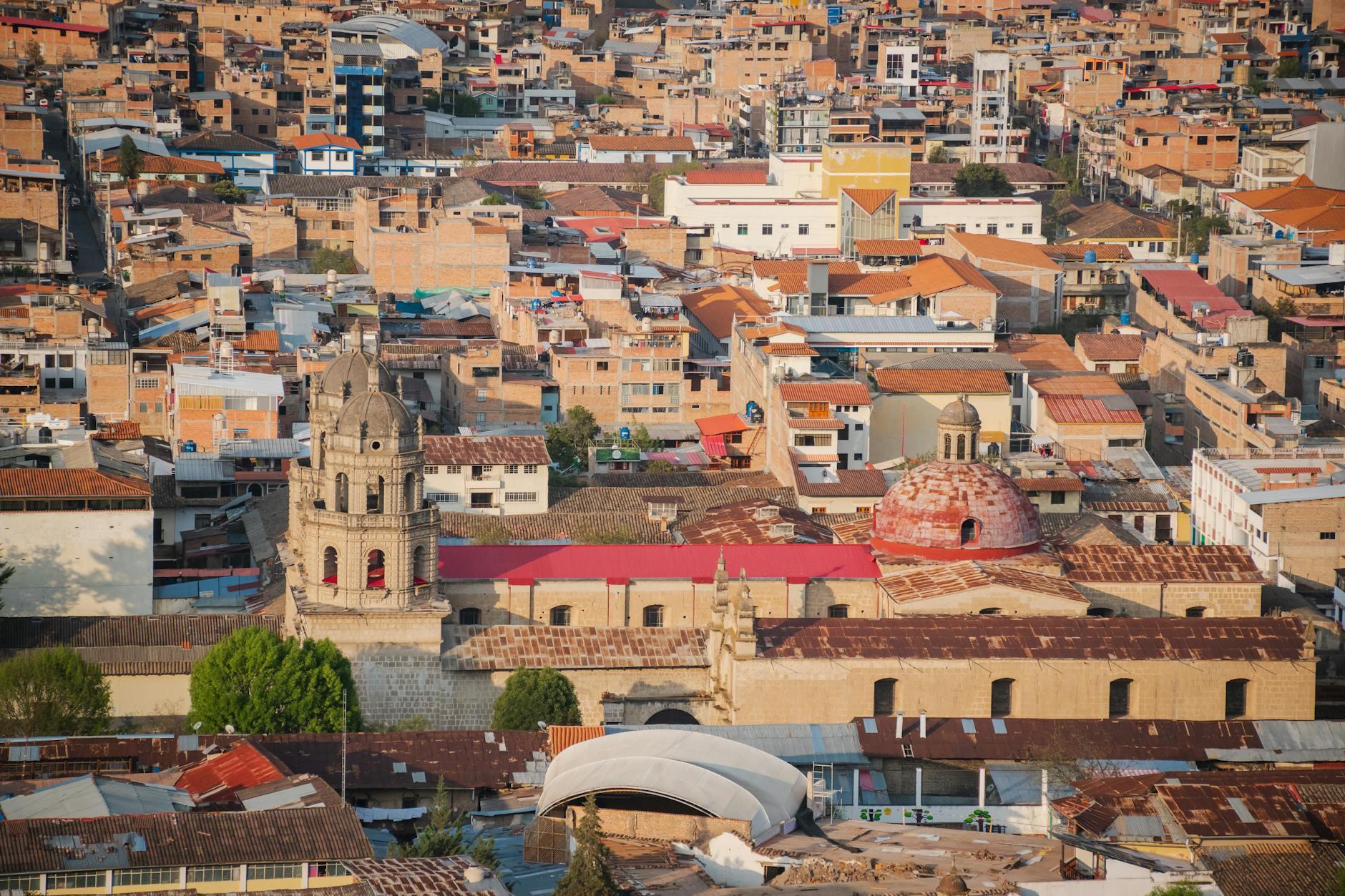
Barranco sits on Lima's southern coast, accessible via Avenida Grau and Avenida Pedro de Osma. The neighborhood roughly extends from the Puente de los Suspiros (Bridge of Sighs) in the north to Avenida 28 de Julio in the south. The Malecón (coastal promenade) runs along dramatic cliffs overlooking the Pacific Ocean, offering scenic walking paths and viewpoints. Main commercial streets include Avenida Pedro de Osma, Calle Grau, and the side streets branching toward the beach.
The neighborhood divides roughly into upper Barranco (inland, more residential) and lower Barranco (near the coast, more touristy and commercial). Most LGBTQ+ venues and travelers concentrate in lower Barranco within walking distance of the Malecón and main plazas. The geography is quite walkable, with steep stairs and inclines connecting different elevation levels.
LGBTQ+ Venues and Social Spaces
Barranco's gay scene centers around bars and clubs rather than a dedicated gay district. Venues are dispersed throughout the neighborhood and cater to mixed audiences, reflecting the integration of LGBTQ+ social life into Barranco's broader culture. Popular spots include Juaneco's Bar (a long-established gay bar), Sargento Pimienta (a rock bar with LGBTQ+ clientele), and various venues near the Malecón that attract mixed crowds with notable gay attendance.
The scene operates year-round, though weekends see the most activity. Venues typically open late, with crowds building after 11 PM. Thursday through Sunday are the busiest nights. Many bars and clubs offer pisco-based cocktails and peruvian beer alongside international drinks. The atmosphere tends toward casual and friendly rather than exclusionary.
While Lima has several saunas and bathhouse venues, information about specific locations and current operations remains limited for travelers seeking discretion. Online travel communities and local LGBTQ+ organizations provide current information on such venues.
Pride and Events
Lima Pride typically occurs in June, with celebrations extending throughout the month. The main Pride march draws thousands and represents one of South America's larger Pride events. Most events concentrate in central Lima rather than exclusively in Barranco, but the neighborhood hosts parties and special events during this period. The march route typically passes through downtown Lima before ending in surrounding areas.
Barranco hosts various cultural events throughout the year—art exhibitions, film screenings, and music festivals—many with significant LGBTQ+ participation. The neighborhood's bohemian character means LGBTQ+ themes appear frequently in cultural programming even outside Pride season.
Where to Stay
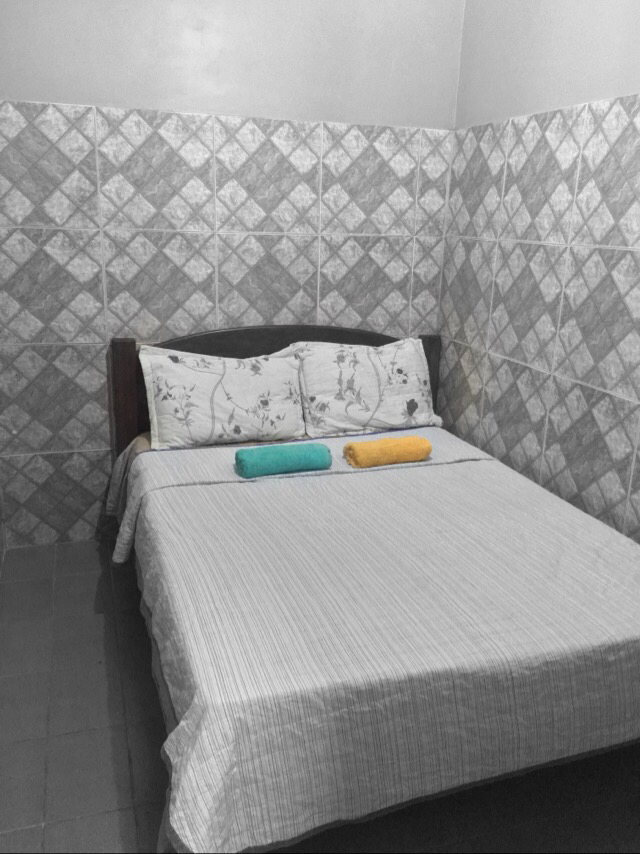
Barranco offers numerous accommodation options ranging from budget hostels to upscale hotels. Several gay-friendly and LGBTQ+-owned guesthouses operate in the neighborhood, offering personalized service and local knowledge. These range from simple rooms in colonial buildings to boutique accommodations in converted mansions. Booking platforms allow filtering by LGBTQ+-friendly status.
Mid-range hotels like Barranco's Plaza hotels and budget options in the pedestrian streets offer good value. Staying in Barranco itself allows nighttime exploration of the scene without requiring transport back to other neighborhoods. The coastal location provides pleasant ocean views and cooler evening temperatures compared to central Lima.
Barranco is reached from central Lima via taxi, ride-sharing apps (Uber and local alternatives operate reliably), or public buses running down Avenida Grau. Taxis and apps cost 15-25 soles from downtown. Public buses are extremely cheap but crowded and less convenient for tourists. Within Barranco itself, walking is the primary method of exploration. The neighborhood's compact size makes it easily navigable on foot, though steep hills require good physical condition.
The district sits about 15-20 minutes south of Lima's historic center by vehicle. International flights arrive at Jorge Chávez International Airport, roughly 45 minutes north of Barranco depending on traffic.
Food and Dining
Barranco has developed an excellent restaurant scene reflecting its creative character. Cevicheria restaurants serve Peru's national dish (raw fish cured in citrus), with numerous options at various price points. Many restaurants near the Malecón offer ocean views alongside fresh seafood. Vegetarian and international options exist, though Peru's cuisine centers on fish and meat.
Cafe culture thrives in Barranco with numerous coffee shops and brunch spots. The neighborhood has increasingly upscale dining venues alongside casual hole-in-the-wall restaurants serving excellent food at low prices. Eating in Barranco costs more than other Lima neighborhoods but remains inexpensive compared to North American or European cities.
Safety Considerations
Barranco is significantly safer than other Lima neighborhoods, with regular police presence and well-lit streets. The tourist-oriented focus means reliable infrastructure and fewer safety concerns. Nighttime walking is generally safe compared to other parts of Lima, though the usual urban precautions apply—avoid displaying expensive items, stay aware of surroundings, and travel with companions when possible.
Peru's legal framework provides some protections for LGBTQ+ people, though marriage equality and some anti-discrimination protections remain unavailable. Public displays of affection are less common and potentially subject to negative reactions in conservative areas, but Barranco's progressive character means such displays encounter minimal hostility. LGBTQ+ travelers should exercise typical discretion, particularly outside Barranco and Lima.
Climate and Best Times to Visit
Barranco's coastal location creates a mild climate year-round, though weather patterns are unique in the Southern Hemisphere. "Winter" (June-August) brings cooler, overcast conditions, with temperatures around 55-65°F. "Summer" (December-February) brings warmer weather approaching 75-85°F, though the Pacific remains too cold for comfortable swimming due to the Humboldt Current.
June Pride makes that month attractive despite cooler weather. The austral summer (December-February) offers warmest conditions but requires planning around local school holidays when beaches and popular areas become crowded. Shoulder seasons (September-November and March-May) provide pleasant weather with fewer tourists.
Day Trips and Regional Exploration
Barranco serves as an excellent base for exploring Lima's broader culture. The historic center is a UNESCO World Heritage site featuring colonial architecture, museums, and plazas. Museums including the Museo de Arte and Museo Larco display Peruvian art and archaeology. The Museo Amazónico offers information about Peru's jungle regions.
More adventurous travelers can take day trips to the Ballestas Islands (sea lion colonies and bird sanctuaries reached via boat from nearby Callao) or nearby Chincha Province. Weekend trips to Cusco or the Sacred Valley allow exploration of Machu Picchu and Incan sites, though these require at least 2-3 days.
Coastal towns south of Lima like Miraflores (adjacent to Barranco, slightly more upscale) or Chorrillos offer alternative coastal experiences. The Pan-American Highway provides access to exploring Peru's coastline in either direction.
Practical Information
Language: Spanish is the primary language in Peru. English is spoken in tourism-oriented venues in Barranco but becomes less common outside tourist areas. Learning basic Spanish phrases enhances the travel experience.
Currency and Costs: Peru uses the Peruvian Sol (PEN). ATMs are widely available in Barranco. Costs are low by Western standards—meals in casual restaurants cost $5-15, drinks $3-8, and hotel rooms range from $30-150+ depending on accommodation level.
Visa Requirements: Most Western nationals receive tourist visas on arrival. Requirements vary by nationality, so verification through Peruvian embassy resources is advisable.
Barranco represents an ideal introduction to Peru for LGBTQ+ travelers, combining cultural richness, natural beauty, nightlife, and progressive attitudes within a walkable, appealing neighborhood.
Frequently asked questions
Barranco represents the vanguard of acceptance in Lima, which has a more tolerant attitude toward LGBTQ+ people compared to other Peruvian cities. LGBTQ+ venues are integrated into the neighborhood's broader identity and attract mixed audiences.
Most LGBTQ+ venues and travelers concentrate in lower Barranco, near the coast and within walking distance of the Malecón and main plazas. Venues are dispersed throughout the neighborhood rather than in a dedicated gay district.
The LGBTQ+ scene operates year-round, with weekends seeing the most activity. Lima has hosted Pride celebrations since the 1990s, with Barranco being a natural gathering point.
Popular spots include Juaneco's Bar, a long-established gay bar, and Sargento Pimienta, a rock bar with LGBTQ+ clientele. Various venues near the Malecón also attract mixed crowds with notable gay attendance.
Barranco's gay scene centers around bars and clubs rather than a dedicated gay district. Queer culture emerged openly within its bohemian arts community, integrated into the neighborhood's broader identity.
Barranco is Lima's most artistic neighborhood, known for its bohemian and progressive character. The geography is quite walkable, with steep stairs and inclines connecting different elevation levels, particularly between upper and lower Barranco.
Your privacy choices.
We use cookies to run GayOut and, with your consent, measure usage. Learn more
Your privacy choices
We use cookies to keep GayOut running, remember your preferences, and (with your permission) measure how the site is used. You can accept all, reject all, or pick what you allow. Learn more
Essential
Required for sign-in, fraud prevention, CSRF protection and remembering your language. Cannot be disabled.
Always on
Remembers your favourites, dark mode and other interface preferences across visits.
Helps us understand which pages people visit (Google Analytics, server-side stats) so we can improve.
Used by campaign tracking pixels. None are active right now, reserved for future use.
Install GayOut
Add GayOut to your home screen for faster access, offline favourites, and Pride alerts.


 Gay-Friendly Bars & Clubs
(2496)
Gay-Friendly Bars & Clubs
(2496)


![🇵🇪 ASI SON LAS NOCHES DE BARRANCO NIGHTLIFE [4K]](https://i.ytimg.com/vi/mV0TQGAz1oI/hqdefault.jpg)