Національного визнання одностатевих партнерств немає. Багато муніципалітетів видають сертифікати про партнерство. Очікується, що суди винесуть рішення щодо одностатевих шлюбів на національному рівні. Ставлення суспільства варіюється значно.
Не пропустіть жодної гей-події у Нагава-маті
Один лист на тиждень — розклад вихідних, вечірки та акції. Без спаму, відписка будь-коли.
Weekly event updates. Notifications appear on your lock screen.
On iPhone: first add GayOut to your Home Screen (Share → Add to Home Screen), then open it from there to enable notifications.
Nagawa-machi: A Rural Japanese Mountain Town Guide
Nagawa-machi is a small village in Yamanashi Prefecture, nestled in the foothills of the Southern Japanese Alps. With a population under 3,000, this is not a destination for LGBTQ+ nightlife or scene exploration. Instead, it offers an immersion into rural Japan, nature, and traditional culture. LGBTQ+ travelers visiting Nagawa-machi should have realistic expectations and plan accordingly.
Understanding the Town
Nagawa-machi is primarily an agricultural and forestry community known for its natural beauty, including mountain scenery and traditional farmland. The local economy centers on agriculture, forestry, and nature-based tourism. Unlike larger Japanese cities, Nagawa-machi has no visible gay bars, clubs, saunas, or LGBTQ+ community organizations.
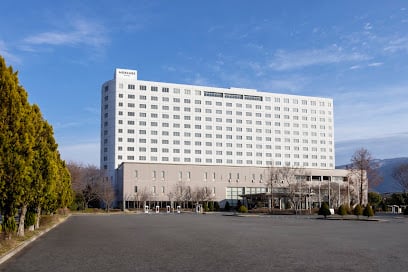
Basic visitor infrastructure includes small hotels, guesthouses, and traditional Japanese inns (ryokan). Visitors should not expect cosmopolitan amenities or LGBTQ+-specific accommodations. Standard Japanese hospitality applies; most establishments are professional and welcoming to all guests.
Why Visit Nagawa-machi as an LGBTQ+ Traveler
Nagawa-machi appeals to travelers seeking an escape from urban environments and an authentic experience of rural Japan. The town offers hiking, access to natural hot springs (onsen), and a glimpse into how traditional Japanese communities function away from major cities. For some, a quiet mountain village provides respite and a different perspective on Japan.
The town can serve as a base for exploring Yamanashi Prefecture, which includes Mount Fuji and Lake Yamanaka. Day trips to nearby areas may offer more tourist-oriented experiences while maintaining access to Nagawa-machi's rural setting.
Accommodation
Nagawa-machi has limited lodging options, primarily small family-run inns and guesthouses. Ryokan may be available in the immediate area or nearby towns. These establishments typically welcome all guests professionally. Travelers should be aware that Japanese accommodations often have smaller rooms and different standards than Western hotels. Many ryokan feature shared or gender-separated bathing facilities (onsen), though some rooms have private baths.
Booking ahead is essential due to limited options and seasonal availability. Online platforms like Booking.com, Agoda, and Airbnb list options for Nagawa-machi and surrounding areas. Kofu, the prefecture capital about 30 kilometers away, offers significantly more accommodation choices.
Reaching Nagawa-machi requires planning. The town is not served by bullet train (shinkansen). The nearest major train hub is Kofu Station, accessible via the Chuo Line from Tokyo (approximately 90 minutes). From Kofu, local buses or rental cars provide access to Nagawa-machi. Local bus services operate but may have limited schedules, especially on weekends and holidays.
Renting a car offers flexibility for exploring the region, though international visitors will need a valid International Driving Permit and familiarity with Japanese driving conventions. Road conditions are generally good, and signage increasingly includes English, though rural areas may have limited English information.
Activities and Attractions
Outdoor recreation dominates Nagawa-machi's appeal. The Southern Japanese Alps offer hiking trails of varying difficulty. The town provides access to multiple trailheads for day hikes and longer mountain expeditions. Hiking season typically runs from late spring through early autumn; winter brings snow that closes many higher-elevation trails.
Local hot springs (onsen) represent another key attraction. Small public bathhouses or onsen facilities serve the community. Soaking in natural hot springs is a Japanese experience involving communal bathing in gender-separated areas. Most travelers find this culturally interesting and relaxing.
The surrounding agricultural landscape offers opportunities for experiencing rural Japanese life. Visitors may enjoy photographing traditional farmhouses, observing seasonal agricultural activities, or visiting small local shrines and temples. The pace of life is deliberately slow.
Food and Dining
Nagawa-machi has limited restaurant options compared to urban areas. Small family restaurants, udon noodle shops, and casual eateries serve local residents and visitors. Meals typically feature seasonal, locally-sourced ingredients including vegetables and regional specialties. Accommodations such as ryokan usually include meals prepared with local ingredients.
Visitors should not expect diverse international cuisine. Bringing snacks, having flexibility with meal timing, and learning basic Japanese food-related phrases can be helpful. The nearest larger city, Kofu, offers more dining variety.
Regional Context and Nearby Cities
For travelers seeking social and cultural activities, nearby Kofu serves as the regional alternative. Kofu offers shopping, restaurants, museums, and more developed tourism infrastructure. While not a major gay destination, it provides urban amenities and is the prefecture's main city.
Mt. Fuji is approximately 60-80 kilometers away, making it accessible for day trips or overnight excursions from Nagawa-machi. Lake Yamanaka and other regional attractions are similarly reachable.
Safety and Social Considerations
Japan is generally considered safe for LGBTQ+ travelers. Public displays of affection by same-sex couples may receive more attention in conservative rural areas like Nagawa-machi, but overt hostility is uncommon. Japanese culture emphasizes discretion and avoiding drawing attention, which shapes social norms around public behavior generally.
Rural communities tend to be more traditional and less visible in terms of queer culture, but this reflects differences in urban/rural culture rather than specific hostility. Travelers should apply normal travel judgment—being respectful of local customs while maintaining personal authenticity.
Best Time to Visit
Spring (April-May) and autumn (September-October) offer mild weather, clear skies, and optimal hiking conditions. Summer brings warmth but increased humidity and rainfall. Winter snow closes higher elevation trails but appeals to visitors interested in snowy mountain scenery. Each season offers different experiences.
Conclusion
Nagawa-machi offers no LGBTQ+ scene, gay venues, or community infrastructure. Instead, it represents authentic rural Japan—a quiet mountain village where travelers can experience a different pace of life, natural beauty, and traditional culture. It works best for visitors explicitly seeking rural experiences and nature, combined with side trips to larger cities for urban amenities and social activities. Those primarily interested in gay nightlife, urban exploration, and LGBTQ+ community should focus on major cities.
Часті запитання
Nagawa-machi — невелике сільське містечко, де дискримінація зазвичай проявляється через байдужість, а не відкриту ворожість. Загальний культурний підхід Японії тяжіє до невтручання в особисте життя інших людей.
У Nagawa-machi немає спеціалізованих закладів для геїв. Відвідувачам, які шукають гей-бари, клуби або організовані простори для ЛГБТК+ спільноти, доведеться подорожувати до більших міст.
Nagawa-machi не має сформованої ЛГБТК+-сцени. Як сільське японське містечко, громада тут нечисленна й відносно ізольована від урбаністичної гей-культури.
Варіанти розміщення в Nagawa-machi обмежені невеликими традиційними готелями та базовими бізнес-готелями. Спеціалізованих LGBTQ+ дружніх закладів розміщення у переліку немає.
Найближчим значним містом із LGBTQ+-сценою є Нагано, розташоване приблизно за 35–45 кілометрів. Дорога займає близько 45 хвилин – однієї години на місцевому автобусі або автомобілі.
У Nagawa-machi немає окремих «геївських районів», оскільки все містечко досить невелике й зосереджене навколо своєї головної міської частини, а житлові квартали розкидані по всій гірській місцевості.
Ваші налаштування конфіденційності.
Ми використовуємо файли cookie для роботи GayOut і, за вашою згодою, для вимірювання використання. Докладніше
Ваші налаштування конфіденційності
Ми використовуємо файли cookie, щоб забезпечити роботу GayOut, зберігати ваші налаштування та (за вашої згоди) вимірювати використання сайту. Ви можете прийняти всі, відхилити всі або обрати, що саме дозволяєте. Докладніше
Необхідні
Потрібні для входу в систему, запобігання шахрайству, захисту від CSRF та збереження вашої мовної локалізації. Не можуть бути вимкнені.
Завжди увімкнено
Запам’ятовують ваші улюблені місця, темний режим та інші налаштування інтерфейсу між візитами.
Допомагає нам зрозуміти, які сторінки відвідують користувачі (Google Analytics, серверна статистика), щоб ми могли покращувати сайт.
Використовується пікселями відстеження кампаній. Наразі жоден не активний, зарезервовано для майбутнього використання.
Встановити GayOut
Додайте GayOut на головний екран для швидшого доступу, офлайн-збереження улюблених та сповіщень про Pride.


 Геї-бари та клуби
(5)