Ho Chi Minh City, formerly known as Saigon, has transformed into Southeast Asia's most vibrant LGBTQ+ destination. While Vietnam's legal framework remains conservative—same-sex relationships have no legal recognition and the country lacks comprehensive anti-discrimination laws—the reality on the ground in Ho Chi Minh City is markedly different. The city's young, urban population, international influence, and thriving nightlife scene have created an increasingly open and welcoming environment for LGBTQ+ travelers and locals alike.
History of the LGBTQ+ Scene
Vietnam's approach to LGBTQ+ issues has shifted considerably since the 1990s. Homosexuality has never been criminalized in Vietnam, and the 2015 removal of the ban on same-sex wedding ceremonies marked a significant turning point. While marriage equality remains unrecognized and adoption by same-sex couples is not permitted, Vietnam has not pursued aggressive criminalization or persecution. In Ho Chi Minh City specifically, the LGBTQ+ community has grown increasingly visible over the past two decades, with Pride events beginning in the early 2010s and expanding substantially since then.
The city's gay scene developed organically through private networks, online communities, and gradually through bars and clubs that have become more openly gay-friendly. Unlike some Southeast Asian cities, Ho Chi Minh City's scene emerged less from tourist-focused venues and more from genuine local community spaces, though the international presence has certainly influenced its growth and visibility.
Neighborhoods and Geography
District 1 is the epicenter of Ho Chi Minh City's gay scene. This downtown area contains the city's most famous streets and attractions, and is where most gay venues cluster. Dong Khoi Street and the surrounding blocks host numerous bars, clubs, and restaurants with LGBTQ+ clientele. The neighborhood is central, walkable, and easy to navigate, with good connectivity to other parts of the city via metro, bus, and taxi.
District 3 is another popular area for LGBTQ+ travelers, with upscale residential spaces, cafes, and a generally young, progressive population. It's quieter than District 1 but well-connected and increasingly popular with international visitors.
Tan Binh District contains the airport and some hotels and tourist infrastructure, though it's less central to the gay scene itself.
Venues and Nightlife
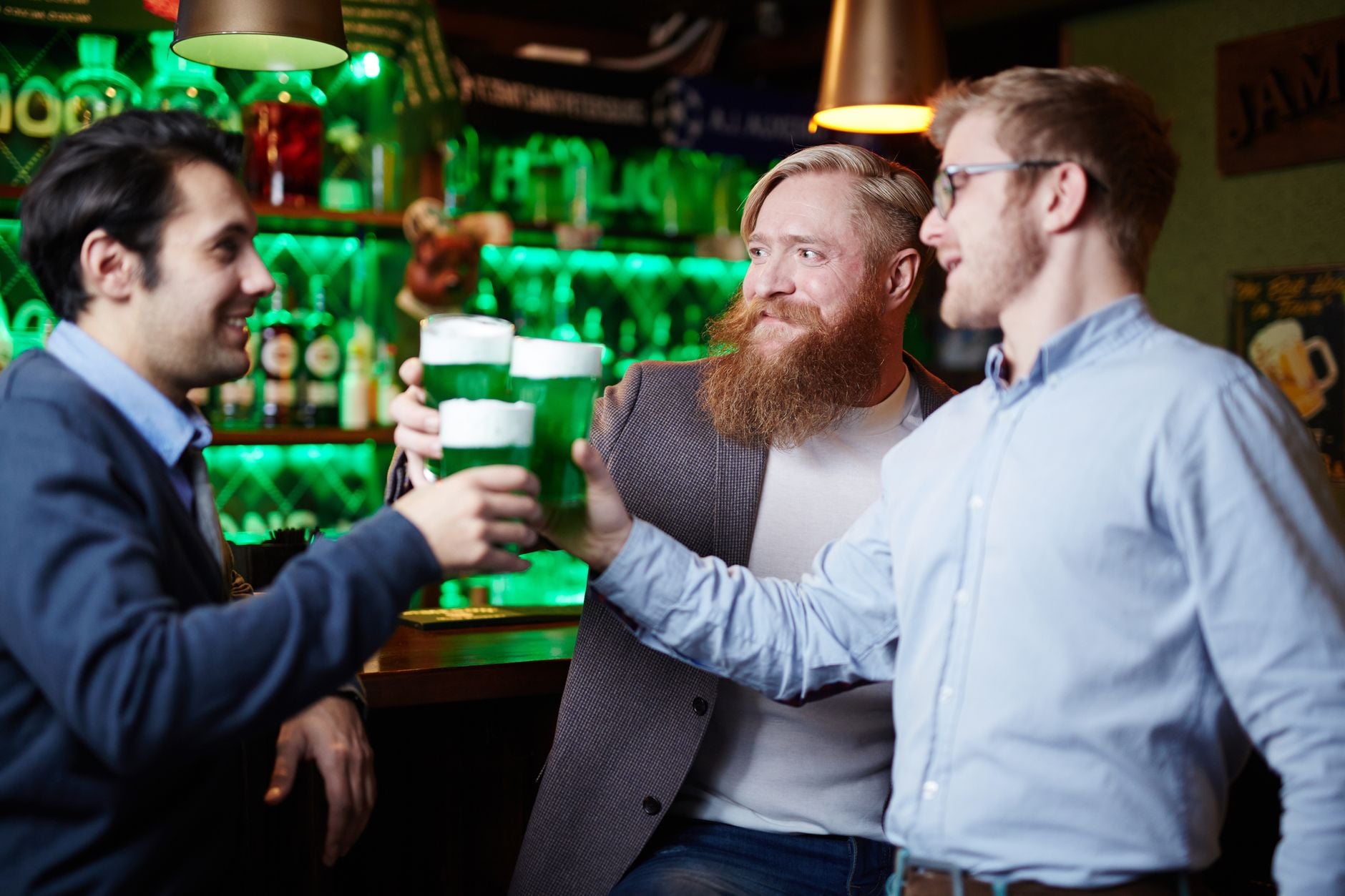
The gay bar and club scene in Ho Chi Minh City is vibrant and constantly evolving. Venues change, relocate, and sometimes close, so travelers should verify current information before visiting. Today the mainstays are Thi Bar on De Tham Street in the backpacker quarter, Frolic Bar with its weekend drag parties, and Azure Pool Bar and Lounge in District 3. Apocalypse Now, while not exclusively gay, has historically been a popular hangout for LGBTQ+ travelers and locals.
Beyond traditional bars and clubs, the scene includes karaoke venues, which are extremely popular throughout Vietnam and often have LGBTQ+-friendly spaces. Coffee shops and casual gathering spots serve as social hubs for the community. Young Vietnamese use dating and social apps extensively to connect, and Grindr, Jack'd, and local apps like Zalo are commonly used.
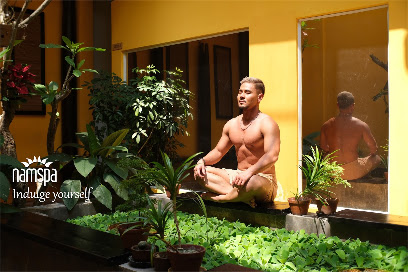
Ho Chi Minh City has one of the largest gay sauna scenes in Southeast Asia, with established men-only venues such as 69 Sauna and Adam Onsen Spa by NaDam operating openly. Hours and locations change from time to time, so check current listings before visiting.
Ho Chi Minh City Pride has grown significantly in visibility and scale. Known as VietPride and held since 2012, usually in the second half of the year, Pride events have expanded from underground gatherings to more visible public celebrations, though they remain less mainstream than Pride events in Western cities. The event includes parties, gatherings, and cultural activities, though official city support varies year to year.
Other LGBTQ+-related events include film festivals, theater performances, and social gatherings organized by community groups. International LGBTQ+ festivals sometimes feature screenings and events in the city.
Where to Stay
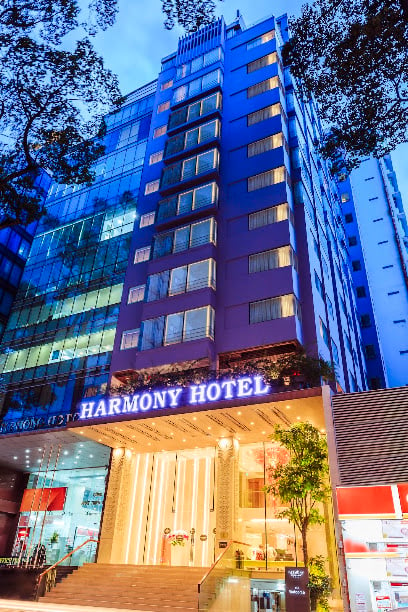
District 1 is the most convenient for LGBTQ+ travelers, offering easy access to gay venues, restaurants, and tourist attractions. Hotels range from budget backpackers' hostels (popular among younger travelers) to mid-range and luxury options. Popular areas include around Ben Thanh Market, along Dong Khoi, and near the riverside.
District 3 offers more upscale, quieter accommodation with a local feel. It's trendy among younger, longer-staying visitors and digital nomads.
Budget travelers often stay in backpacker hostels, which tend to be LGBTQ+-friendly and good places to meet other travelers. Mid-range hotels are excellent value, with quality accommodations at reasonable prices. Airbnb is widely available and popular.
Ho Chi Minh City is generally very safe for LGBTQ+ travelers. Violent crime against LGBTQ+ people is rare. However, travelers should understand the legal context: same-sex relationships have no legal protections, and public displays of affection might attract attention or negative reactions in some contexts, though this is less likely in tourist areas and Districts 1 and 3.
Police are not typically aggressive toward LGBTQ+ individuals, though arbitrary enforcement of minor infractions does occur in Vietnam generally. Travelers should exercise normal caution regarding personal security (theft, scams) as they would in any major city.
Online privacy may be a concern for some visitors given Vietnam's internet surveillance. Using a VPN is advisable.
Transit and Getting Around
Ho Chi Minh City's public transport includes buses and a small metro system. Buses are cheap but often crowded; the metro is expanding and more comfortable but limited in routes. Taxis are abundant, inexpensive, and reliable if hailed from the street or called through apps like Vinasun or Mai Linh. Ride-sharing apps Grab (Southeast Asia's equivalent to Uber) is the most convenient option for most travelers, with drivers easily found through the smartphone app.
District 1 is very walkable, and many LGBTQ+ travelers explore on foot. Bicycles and scooters are available for rent but require confidence navigating Vietnamese traffic.
Food and Dining
Ho Chi Minh City is one of the world's great food cities. Vietnamese cuisine is diverse and affordable. Pho (noodle soup) is iconic but represents just one element of the cuisine. Banh mi (Vietnamese sandwiches), fresh spring rolls, and regional specialties are excellent and inexpensive.
The city has growing numbers of upscale restaurants, international cuisine, and fusion dining. Many restaurants are LGBTQ+-friendly, particularly in Districts 1 and 3 and among younger, urban establishments.
Cafe culture is central to Ho Chi Minh City life. Coffee is excellent and extremely cheap. Cafes serve as social spaces where people gather for hours.
Day Trips and Excursions
The Mekong Delta, about 2-3 hours away, is a major tourist attraction featuring floating markets, orchards, and traditional villages. Tours are readily available and relatively inexpensive.
Cu Chi Tunnels, approximately 40km northwest, are historically significant tunnels used during the war. They're a popular tour destination.
Vung Tau, a beach town about 2 hours away, offers coastal relaxation and is accessible by bus.
Cultural attractions within the city include the War Remnants Museum, the Reunification Palace, Notre-Dame Cathedral, and the Central Post Office, showcasing French colonial architecture.
Practical Information
Language: Vietnamese is the official language. English is spoken by younger people and in tourist areas but less widely elsewhere. Translation apps are helpful.
Currency: The Vietnamese Dong (VND) is the currency. Ho Chi Minh City is very affordable for Western travelers. Exchange rates should be verified, and ATMs are abundant.
Visa: Most visitors require a visa. E-visas are available online and are the simplest option for many nationalities.
Weather: Ho Chi Minh City is tropical with a monsoon season. It's hot and humid year-round. The dry season (November to April) is more pleasant, though the city is visitable anytime.
Internet: WiFi is widely available. Mobile data is cheap with local SIM cards. Using a VPN is recommended for privacy.
Connecting with the Community
Online platforms and apps are primary ways to connect. Grindr, Jack'd, and other dating apps are widely used. Facebook groups and local LGBTQ+ organizations sometimes organize events. Hostels and bars are good places to meet other travelers and locals. Some organizations and NGOs work on LGBTQ+ issues and occasionally host public events.
Ho Chi Minh City remains a dynamic, evolving destination for LGBTQ+ travelers seeking authentic Southeast Asian experience combined with a thriving, welcoming gay community.
第一區是 LGBTQ+ 夜生活的核心地帶。主要的酒吧群聚落位於背包客街區的 De Tham 與 Bui Vien 街道周邊,這裡有 Thi Bar 及數間友善的店家;而 Frolic Bar 和其他場館則只需短程車程即可抵達。第三區則有 Azure Pool Bar and Lounge,以及較為安靜的咖啡廳氛圍。
胡志明市第三郡的 Thi Bar(位於 De Tham 街)、以變裝皇后之夜著稱的 Frolic Bar,以及 Azure Pool Bar and Lounge,都是目前的人氣去處。Apocalypse Now 是一間主流夜店,長期以來吸引著多元族群的光顧。各場館會隨時間更迭而有所變動,出發前請務必先行確認。
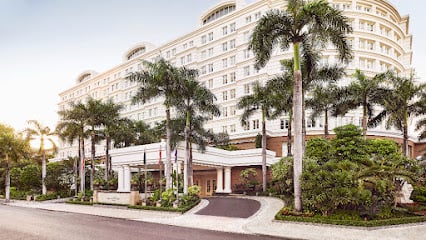
Ho Chi Minh City 沒有專為男同志設計的飯店,但第一郡的飯店習慣接待國際旅客,同性伴侶很少遇到問題。Park Hyatt 以及 Dong Khoi 周邊的精品飯店是靠近夜生活熱點的熱門選擇。


 友善同志酒吧與俱樂部
(284)