Everything worth knowing before you go.
Knysna has seen a growing LGBTQ+ acceptance over the past two decades. As a coastal town in the Western Cape, it attracts LGBTQ+ residents and visitors. The community is smaller than in larger cities, contributing to a more closely-knit atmosphere. Openly gay-owned businesses and guesthouses began appearing more frequently in the 2000s. Knysna Pride, established in 2015, is an annual celebration of the town's LGBTQ+ identity. It remains a low-key, family-oriented event, reflecting the town's character.
Knysna is a compact town centered on its harbor and waterfront. LGBTQ+ travelers will find the main areas of interest to be:
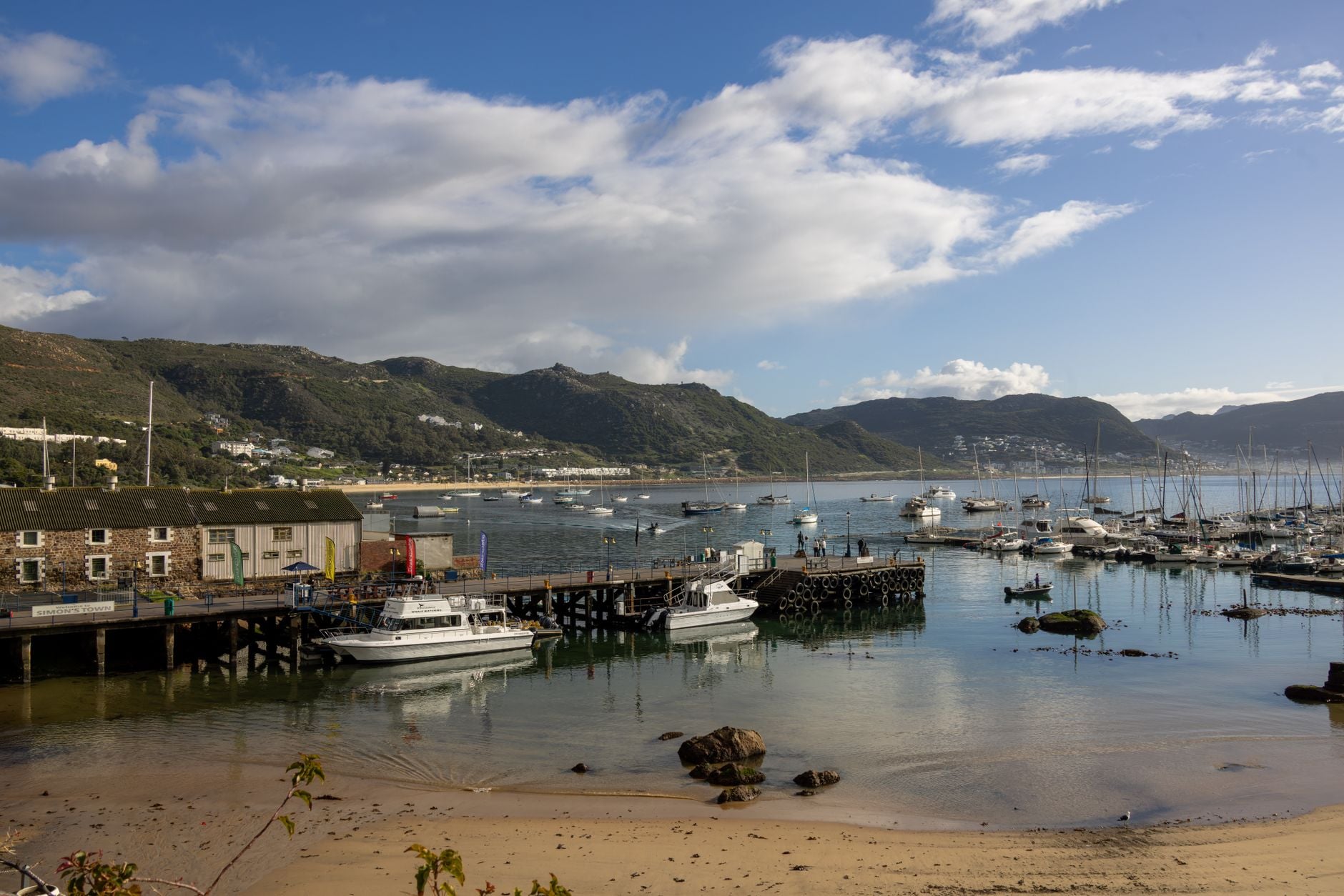
The Waterfront and Harbor: This area is the hub of Knysna's tourism and social activity. The promenade offers restaurants, bars, and shops. The area is walkable and provides views of the Knysna Heads.
Main Street and Town Center: This is Knysna's commercial center, with shops, restaurants, and services. Some businesses here are openly gay-owned.
Eastern Head and Western Head: These are residential areas on either side of the harbor, offering guesthouses and rentals with ocean views. They are quieter than the waterfront.
Bitou (formerly Plettenberg Bay): Located about 40 kilometers east, this beach town can be visited as a day trip and has a small gay scene.
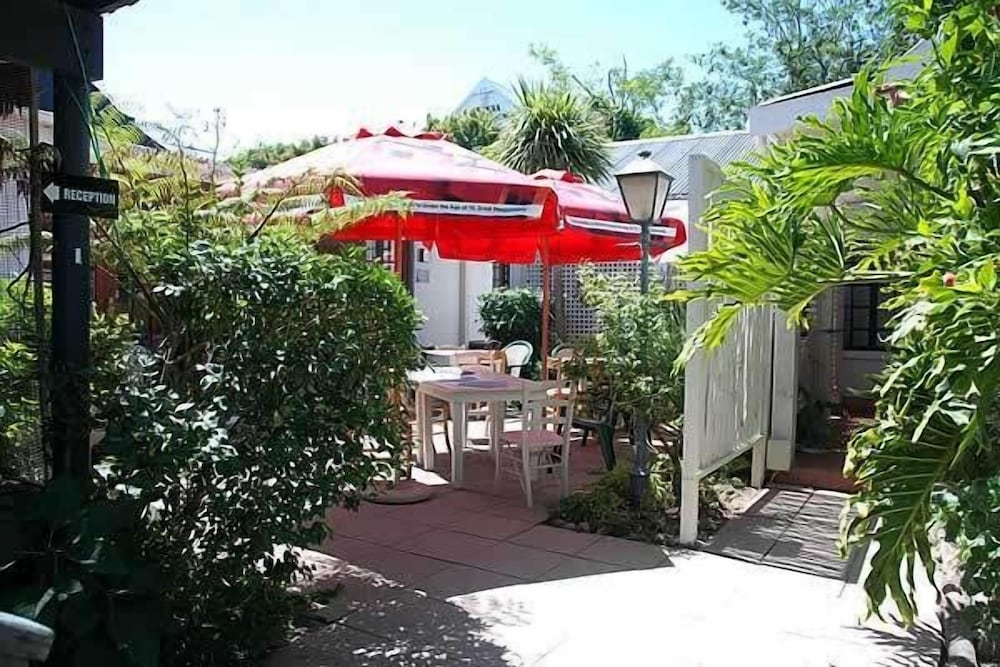
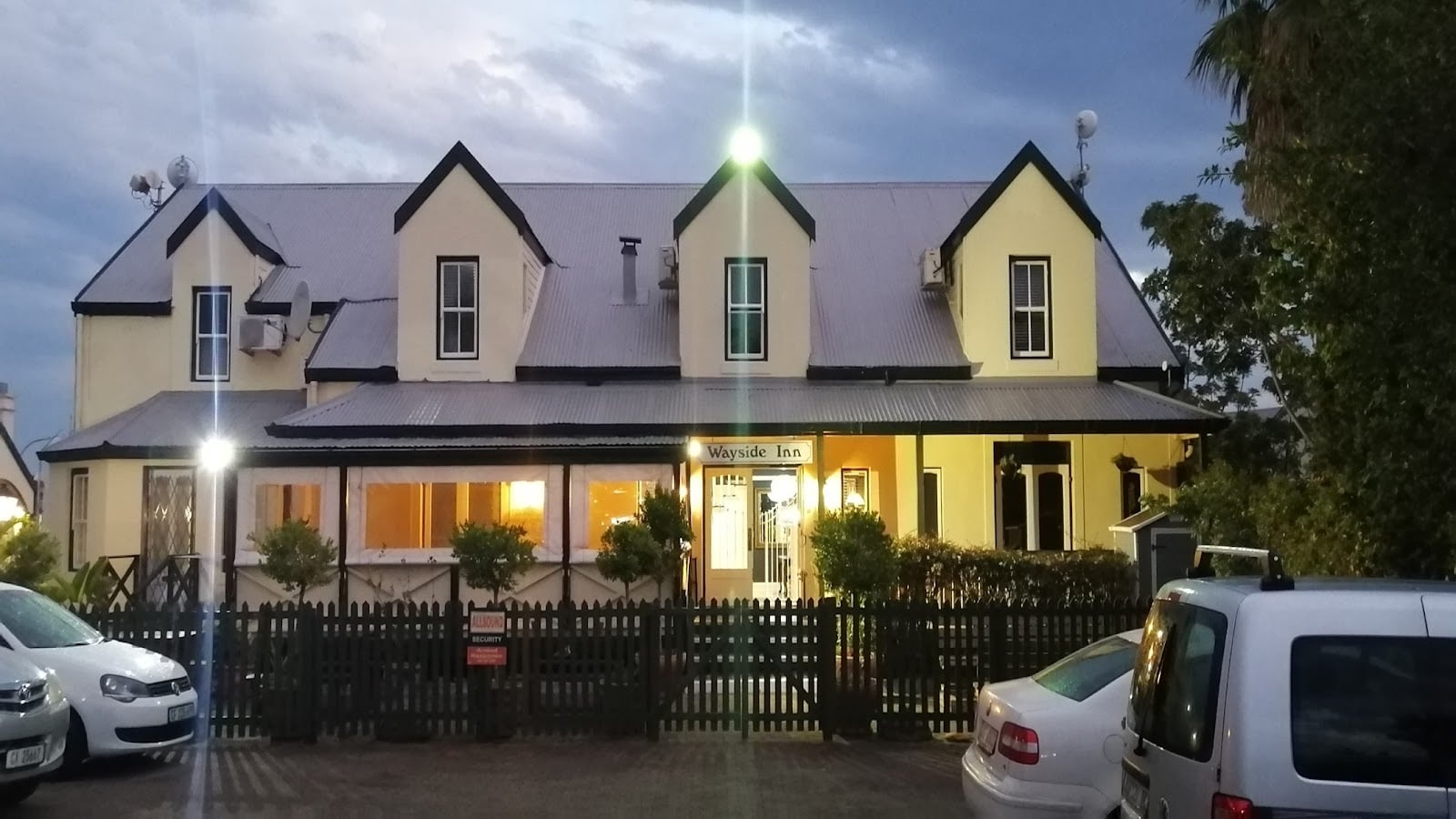
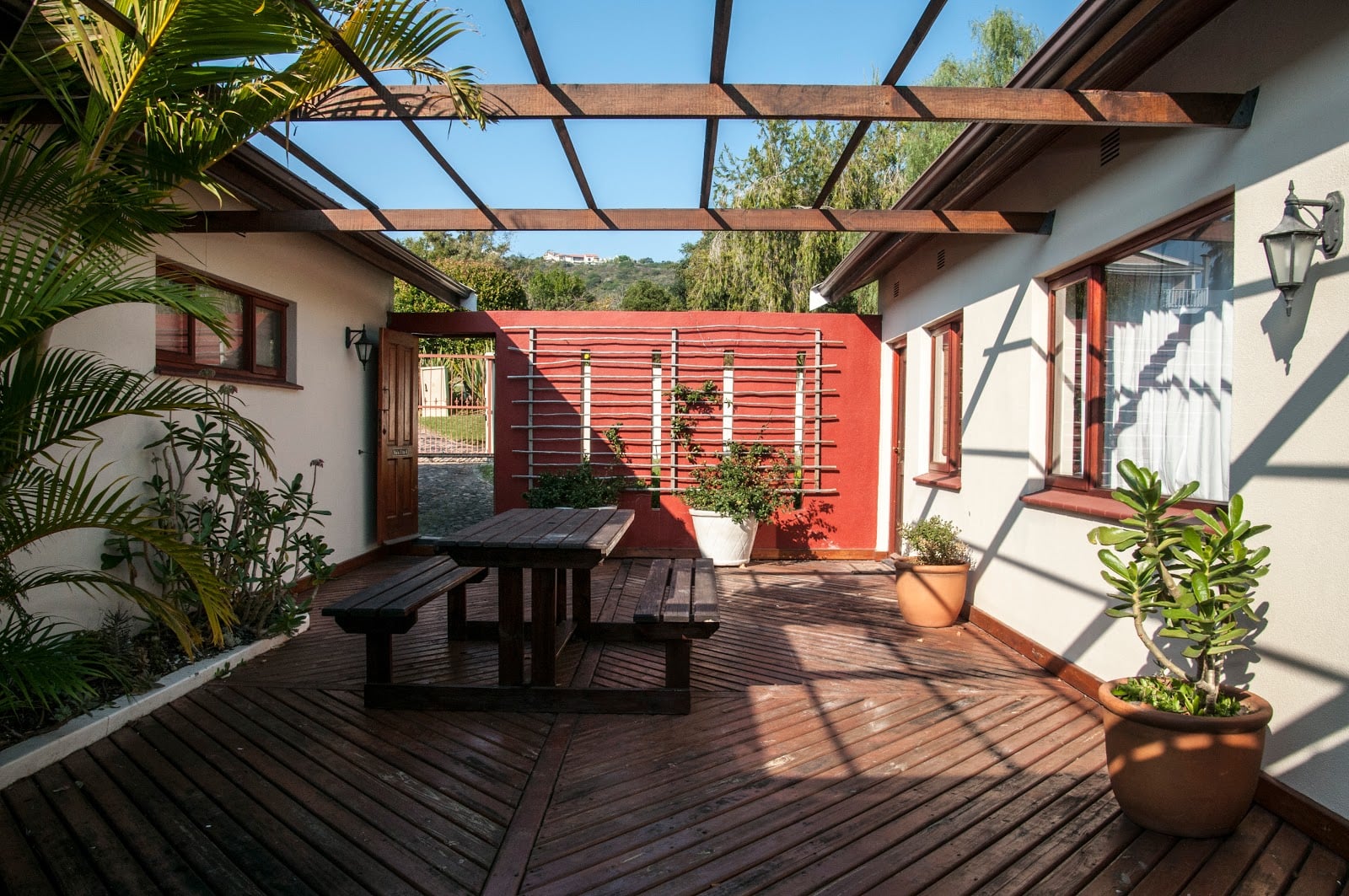
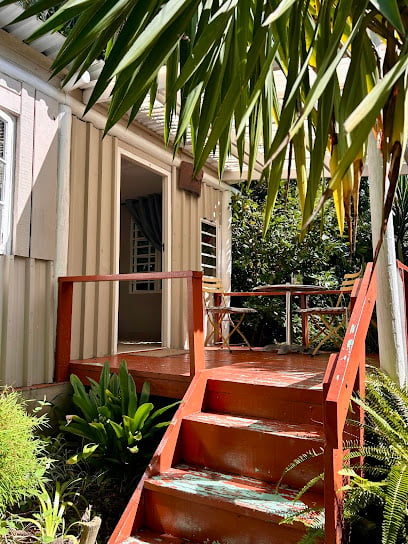
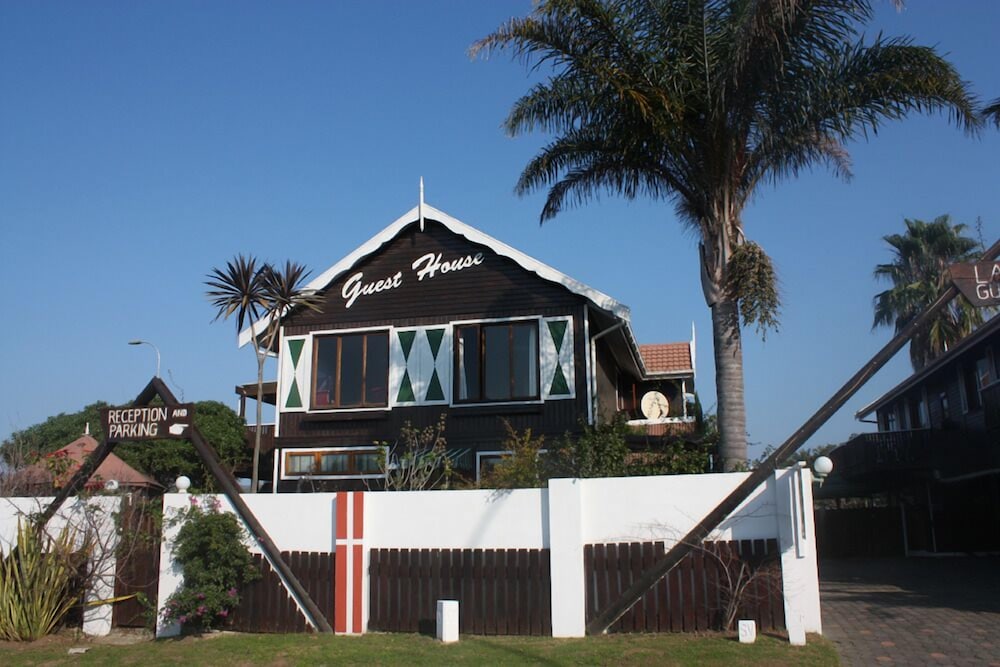
Knysna has several guesthouses and bed-and-breakfasts that are either openly gay-owned or known to be welcoming to LGBTQ+ guests. These range from luxury lodges to boutique guesthouses, many with waterfront or garden settings. Some properties are listed on international gay travel sites. Mainstream hotels in Knysna are also generally welcoming to LGBTQ+ guests. For smaller properties, it is advisable to book through gay-specific travel platforms or confirm their welcoming approach by calling ahead.
Knysna's gay scene is not extensive, with few dedicated gay bars or clubs. However, several waterfront restaurants and bars are popular with local LGBTQ+ residents and gay-friendly visitors. The Waterfront area offers venues with relaxed atmospheres where LGBTQ+ guests can feel comfortable. Dedicated gay clubs or saunas are limited in Knysna itself; for these, visitors may travel to larger towns like George or Cape Town. Most LGBTQ+ social activity in Knysna centers on dining, casual drinks, and social gatherings.
Knysna Pride takes place annually in November. The celebration includes a Pride March through the town center, a festival with stalls and entertainment, and community events. Knysna Pride maintains a community-focused, family-friendly character while still centering LGBTQ+ visibility and celebration. The event draws participants from across South Africa and international travelers. Accommodation books up quickly during Pride weekend, so early booking is recommended.
Knysna is located on the N2 national highway. Most travelers reach Knysna by car, which is also useful for exploring the surrounding Garden Route region. The drive from Cape Town takes approximately 6-7 hours. Long-distance bus services connect Knysna to major centers, but are less frequent than in larger cities. Within Knysna, the town center and waterfront are walkable. A car is recommended for visiting attractions outside the town and exploring the wider Garden Route.
Knysna offers a range of dining options, particularly in the waterfront area, from casual cafes to fine-dining establishments. Many restaurants are known for fresh seafood. The town's restaurant scene emphasizes local, seasonal ingredients and wine from nearby estates. Wine tasting and food tours are popular activities, and many venues are welcoming.
Beyond its social scene, Knysna offers natural attractions:
The Knysna Heads are accessible by boat tours.
The Garden Route National Park offers hiking trails and scenic walks.
Nearby beaches include Brenton-on-Sea and Buffalo Bay.
The Outeniqua Choo-Tjoe is a scenic narrow-gauge railway journey.
Wine estate visits and tastings are available in the surrounding wine region.
Bitou (Plettenberg Bay) is a beach town day trip with its own attractions and dining.
Knysna is generally safe for LGBTQ+ travelers, especially in tourist areas like the waterfront and town center. South Africa has constitutional protections and legal equality for LGBTQ+ individuals. However, travelers should exercise normal caution regarding personal safety. Healthcare is accessible, though serious medical emergencies may require travel to larger centers. Travel insurance is recommended. The South African rand is the currency; ATMs and card payments are widely available.
Knysna has a temperate oceanic climate. Summers (December-February) are warm; winters (June-August) are mild and wetter. Spring (September-November) is pleasant and includes Pride month. International visitors should confirm visa requirements in advance. Most Western passport holders receive visitor permits on arrival.


 Gay-Friendly Hotel
(240)
Gay-Friendly Hotel
(240)



![GAY CAPE TOWN - Travel Guide to the Rainbow Nation [SOUTH AFRICA]](https://i.ytimg.com/vi/eZQM3lv6Rgc/hqdefault.jpg)